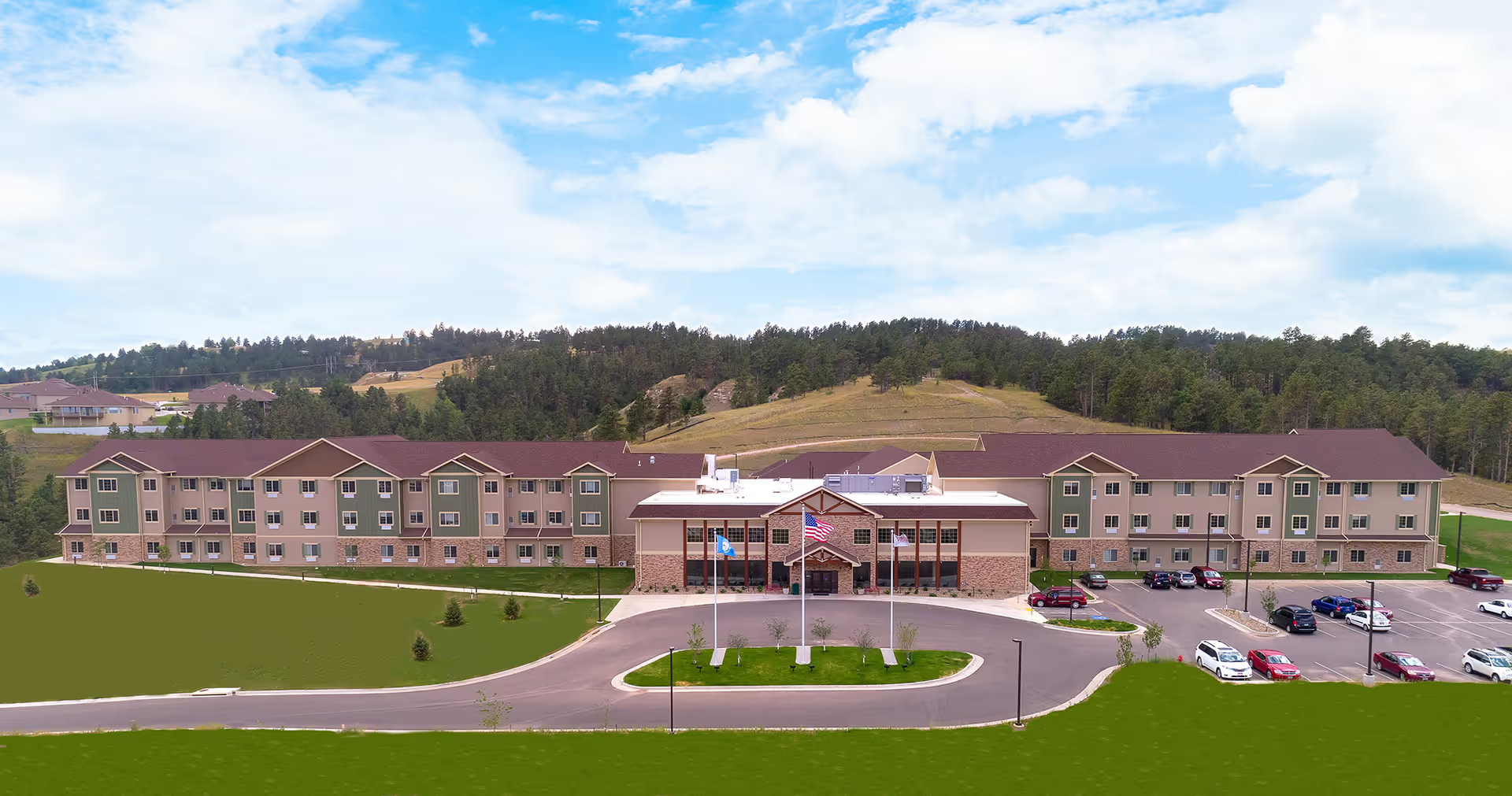
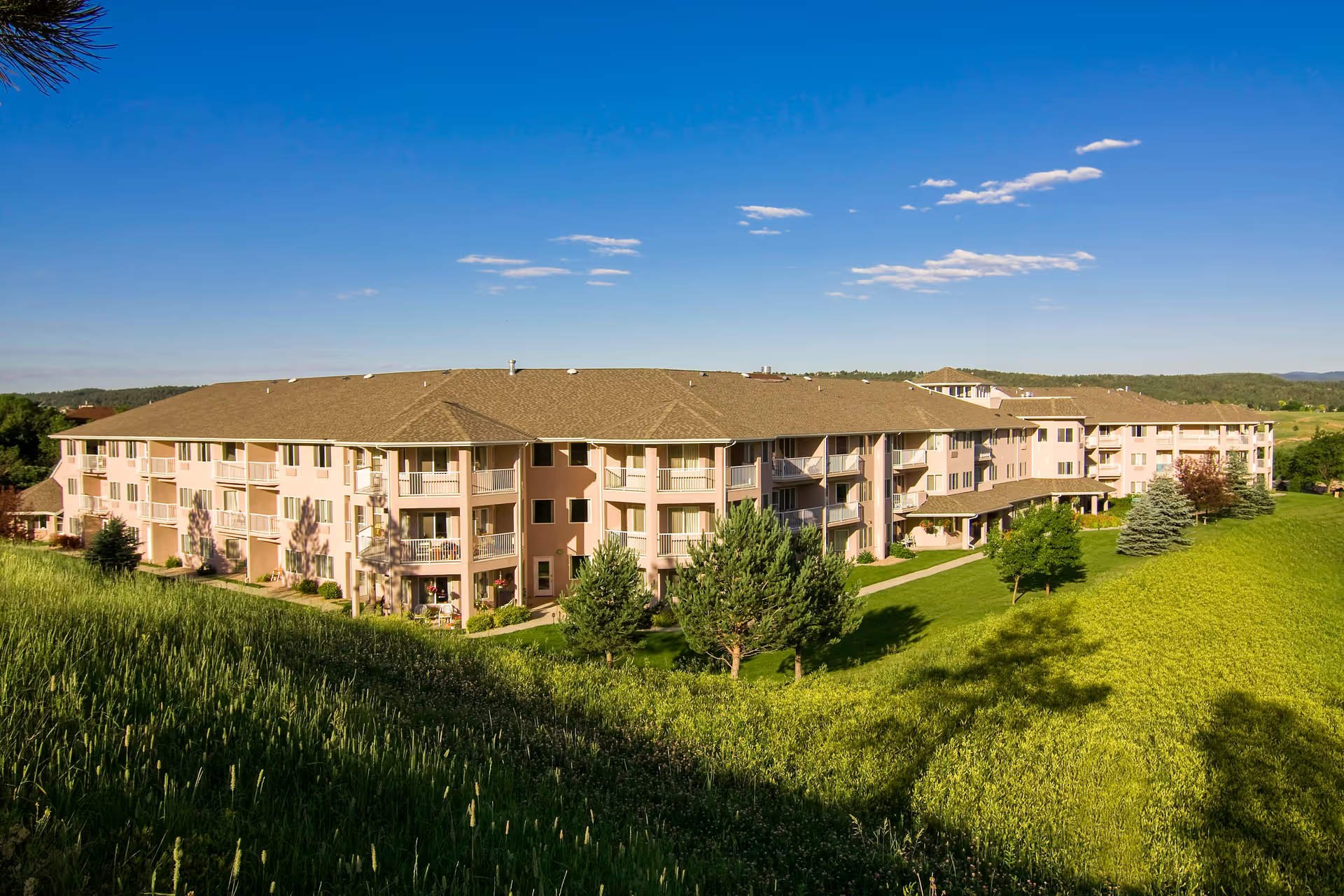
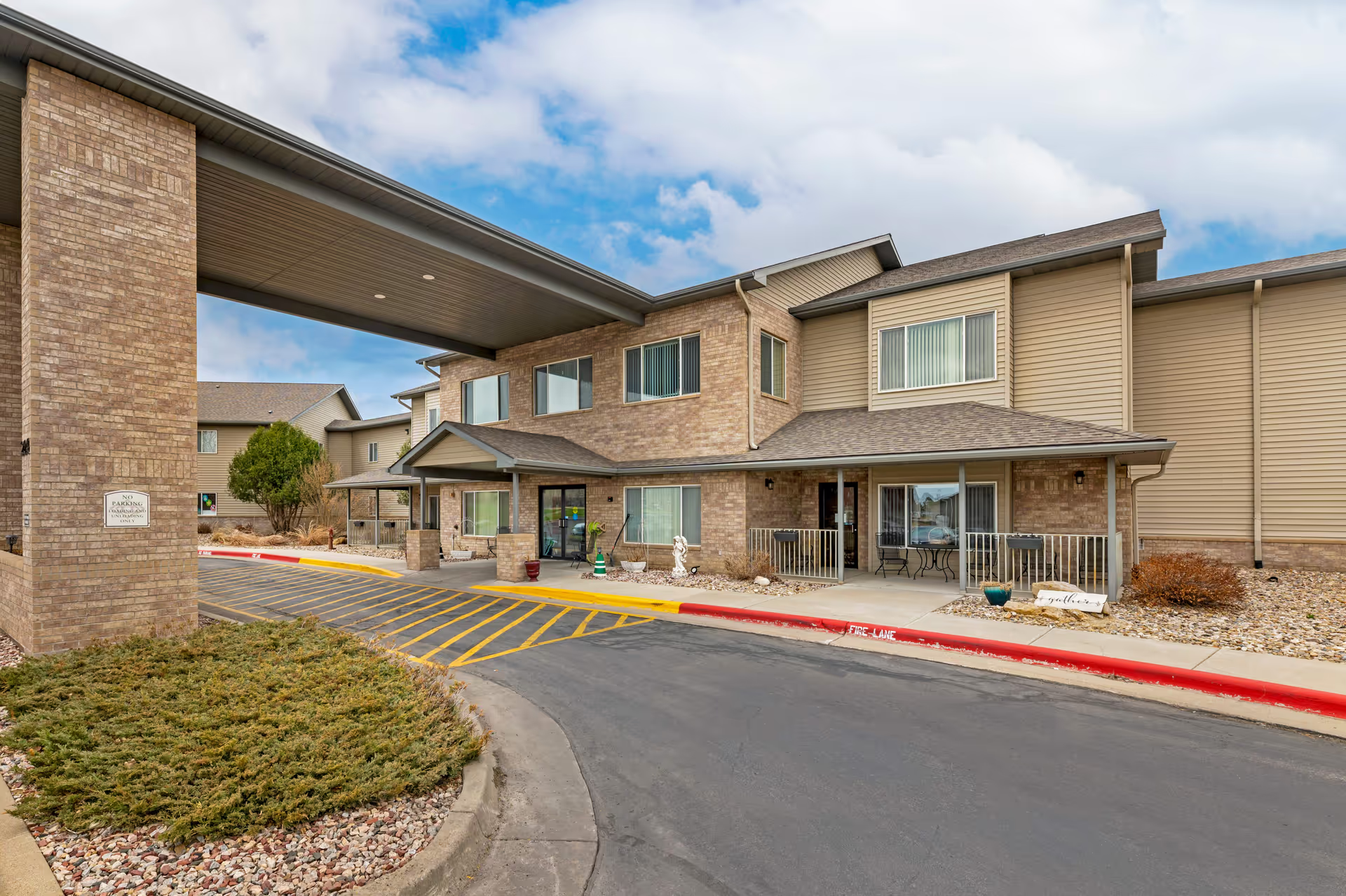
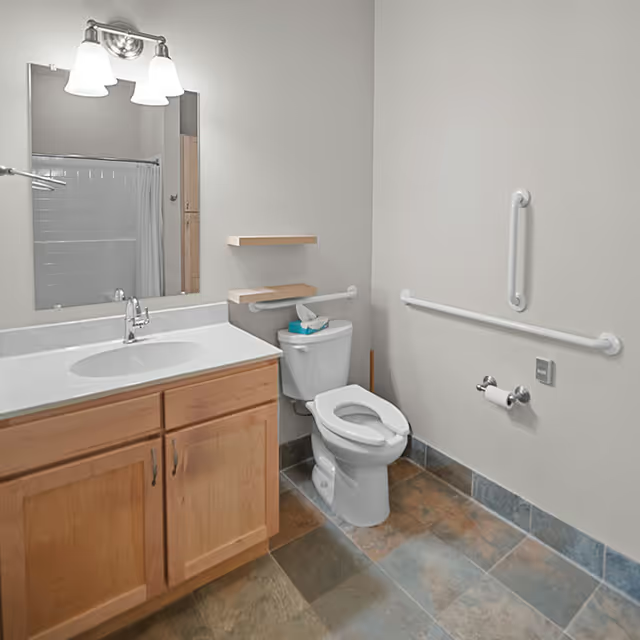
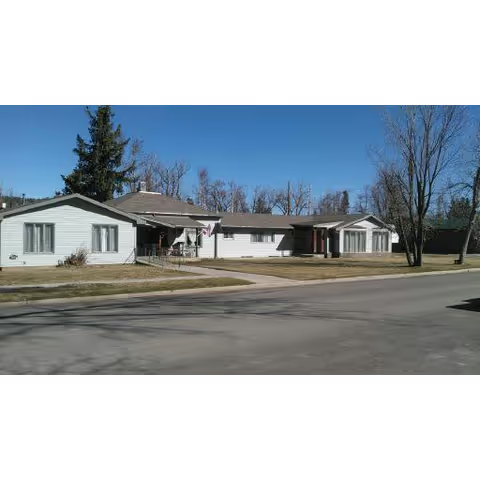
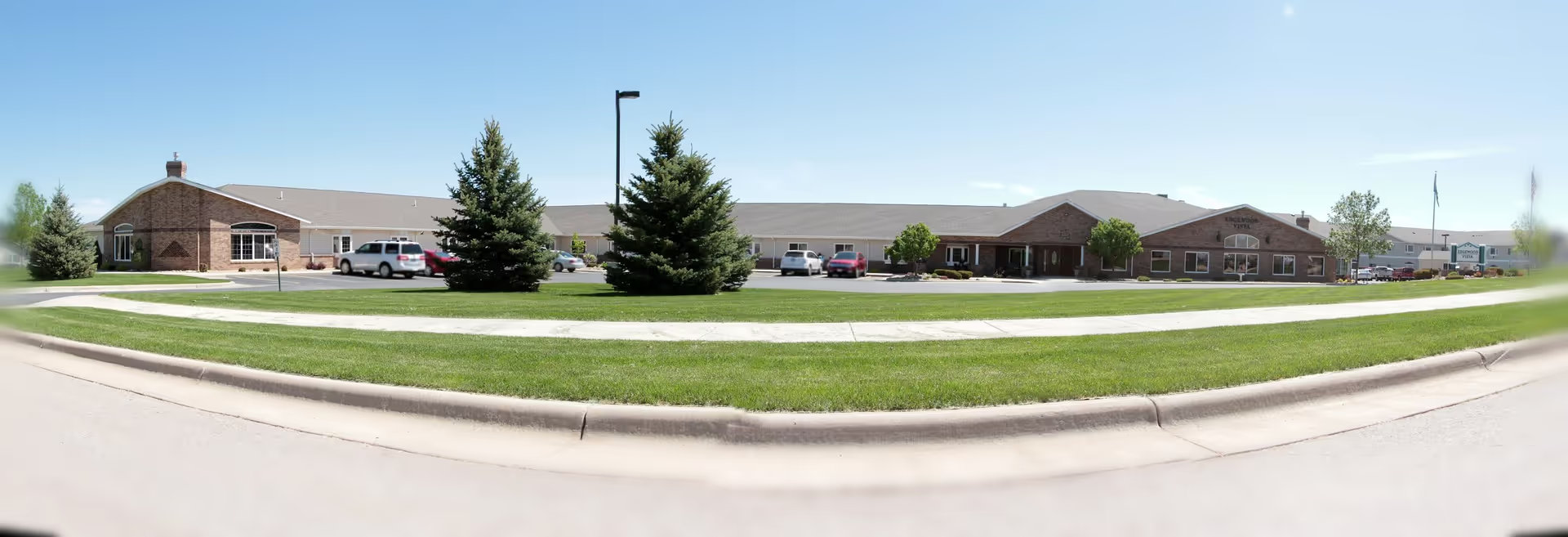
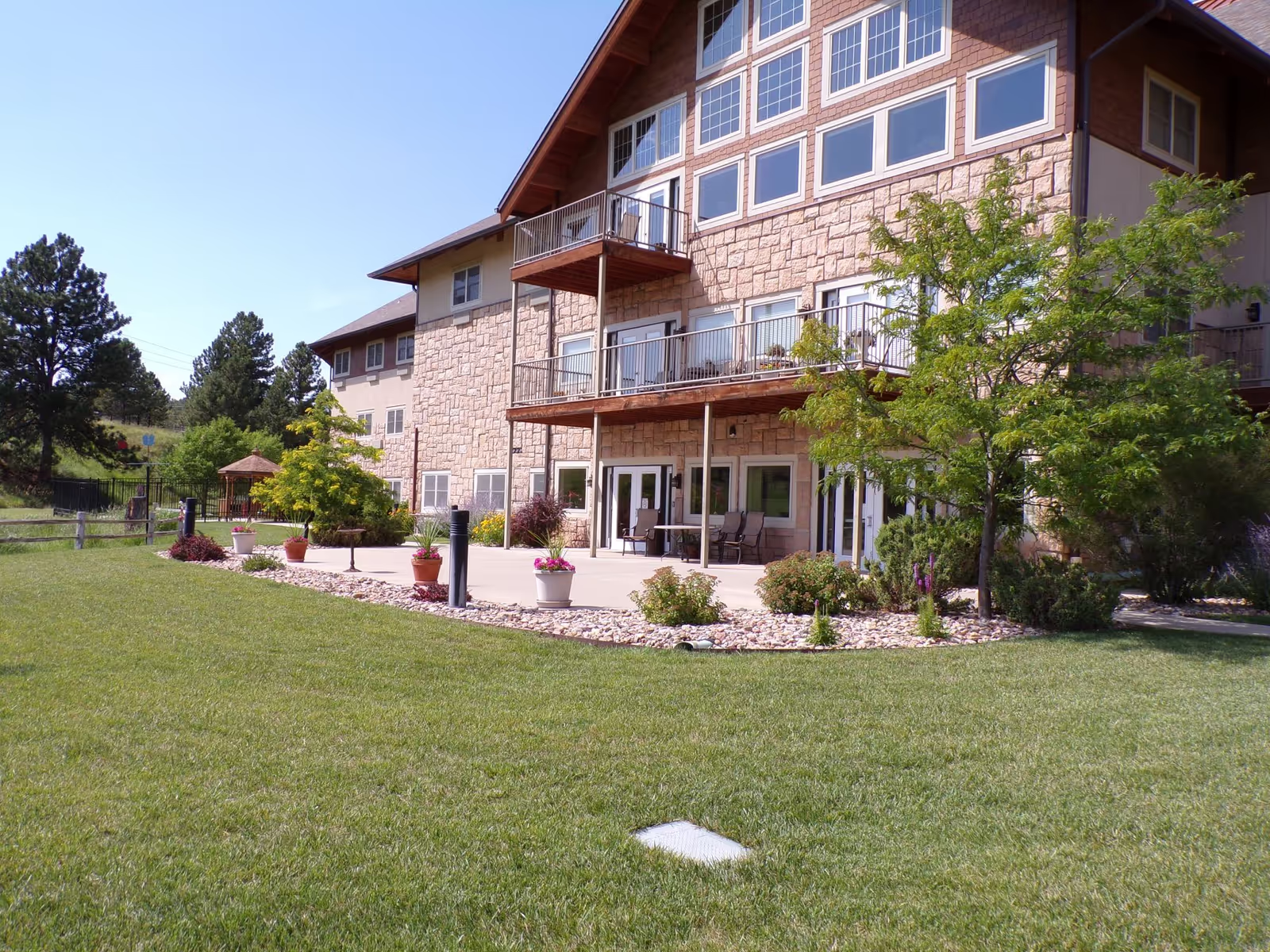
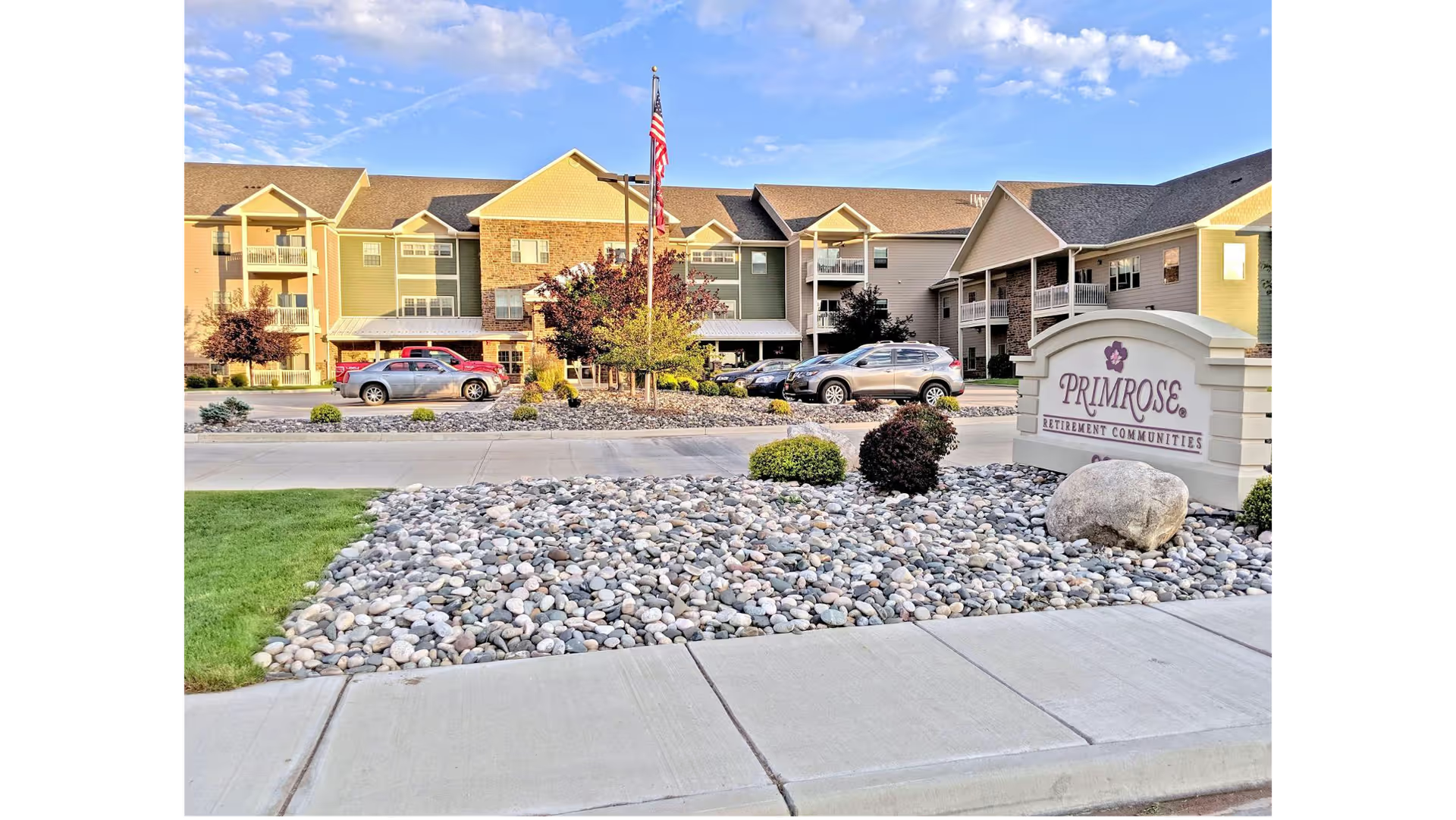
Clarkson Health Care is described predominantly as a modern, well-kept short-term/long-term care environment with many families noting a bright, inviting interior and spacious private rooms. Housekeeping and room presentation receive consistent praise — linens, general cleanliness, and a well-maintained facility are recurrent positives. The presence of COVID-grade air filtration in HVAC systems is specifically mentioned and may reflect an active infection-control approach.
Care and staffing are frequently highlighted as strengths. Reviewers commonly characterize nurses, CNAs, therapists, and front-line staff as friendly, caring, and professional. On-site occupational and speech therapy are available, and staff responsiveness is often reported as timely. At the leadership level, several comments single out an engaged director and management team; staffing levels are described as adequate in many accounts, which supports daily care and therapy access.
Dining and programming are other prominent strengths. Meals are described as palatable and varied, and social food events (pizza parties, themed meals) are noted. The facility appears to offer a robust activity calendar that includes bingo, puzzles, movie nights, entertainers, and other group activities that residents enjoy and find engaging.
There is, however, a noticeable divergence in experience. While most descriptions are positive, at least one account describes poor care and administrative shortcomings. Taken together, the pattern suggests variability in clinical-care consistency and administrative responsiveness: some families report consistently good care and communication, while others describe gaps. Relatedly, a potential weakness is family-facing processes for communication and grievance resolution, which may be inconsistent depending on circumstances.
For prospective residents and families: Clarkson presents many positive operational features — cleanliness, engaging activities, available therapies, and generally professional staff. Because accounts vary, an in-person tour is advisable with specific questions about recent staffing ratios, clinical oversight procedures, incident reporting, and the facility’s formal process for addressing family concerns. Reviewing state inspection records and asking management for examples of how they resolved recent complaints can help clarify whether the positive patterns seen in many accounts are reliably maintained.