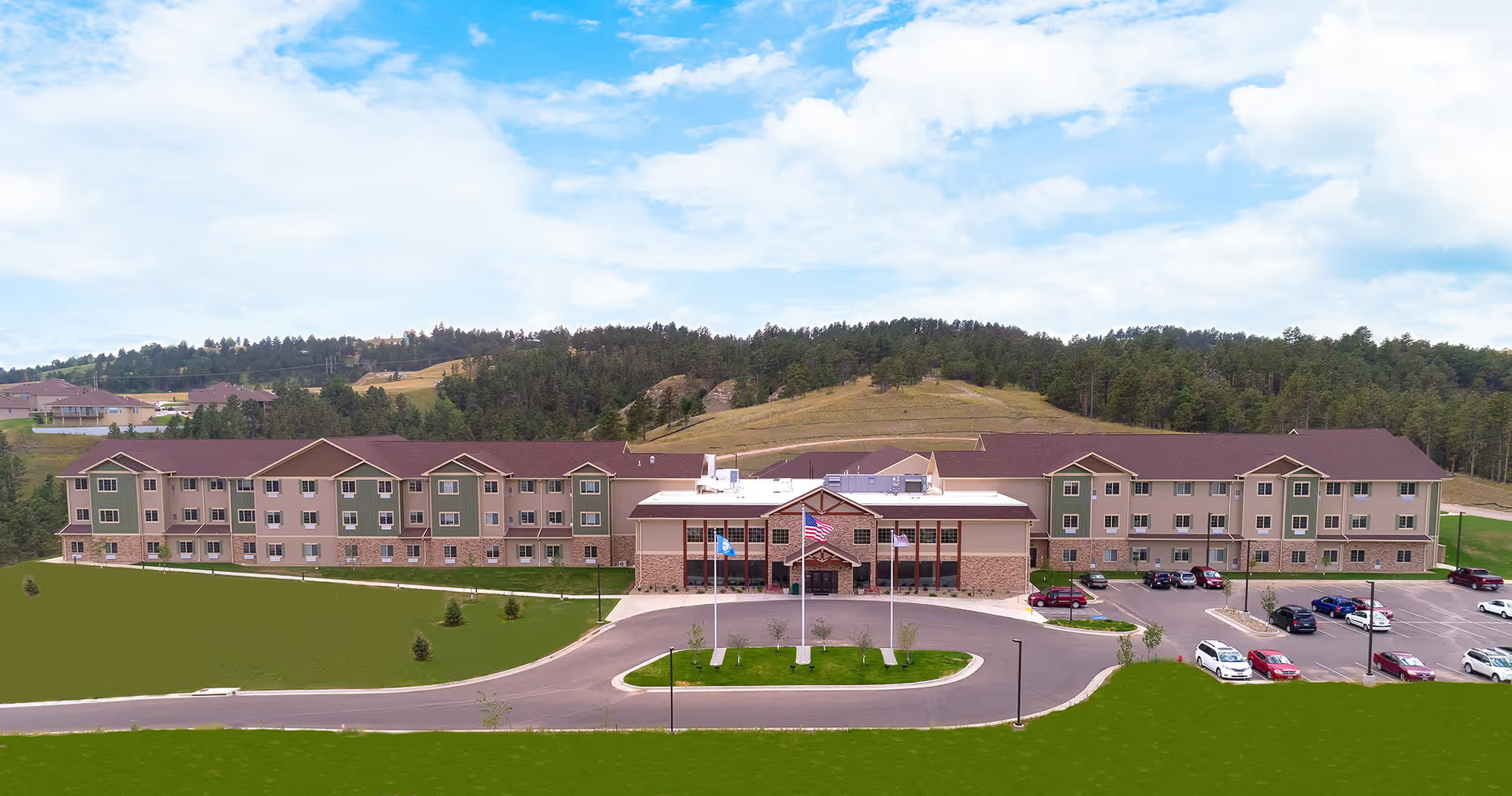
Fountain Springs Healthcare Center presents a mixed picture. The facility is frequently praised for its rehabilitative services: physical and occupational therapy programs, a capable therapy staff, and a therapy wing with modern equipment are consistent strengths. Many families and residents report meaningful functional gains during short-term stays, and several accounts highlight focused, outcome-oriented therapy that supported safe discharge.
Direct care experiences vary considerably. Numerous reviewers describe individual staff members — particularly some CNAs, therapists, and support personnel — as attentive, compassionate, and helpful. At the same time, there are repeated operational concerns: chronic staffing shortages, long delays responding to call lights, and uneven nursing performance. Those patterns manifest as delays in assistance, inconsistent bedside care, and variable communication tone from staff. Night coverage and perceived low staff morale were specifically noted as contributing factors to uneven experiences after hours.
Clinical and safety processes show areas for attention. Several accounts point to medication-administration and documentation problems, orders backlog in electronic systems, and other clinical-process gaps. There are also comments about lapses in incident response and family communication, as well as at least one assertion characterized by reviewers as an attempted cover-up; these should be treated as serious operational risks that merit verification through formal quality reviews. Infection-control capacity was questioned in the context of a COVID outbreak noted by some families.
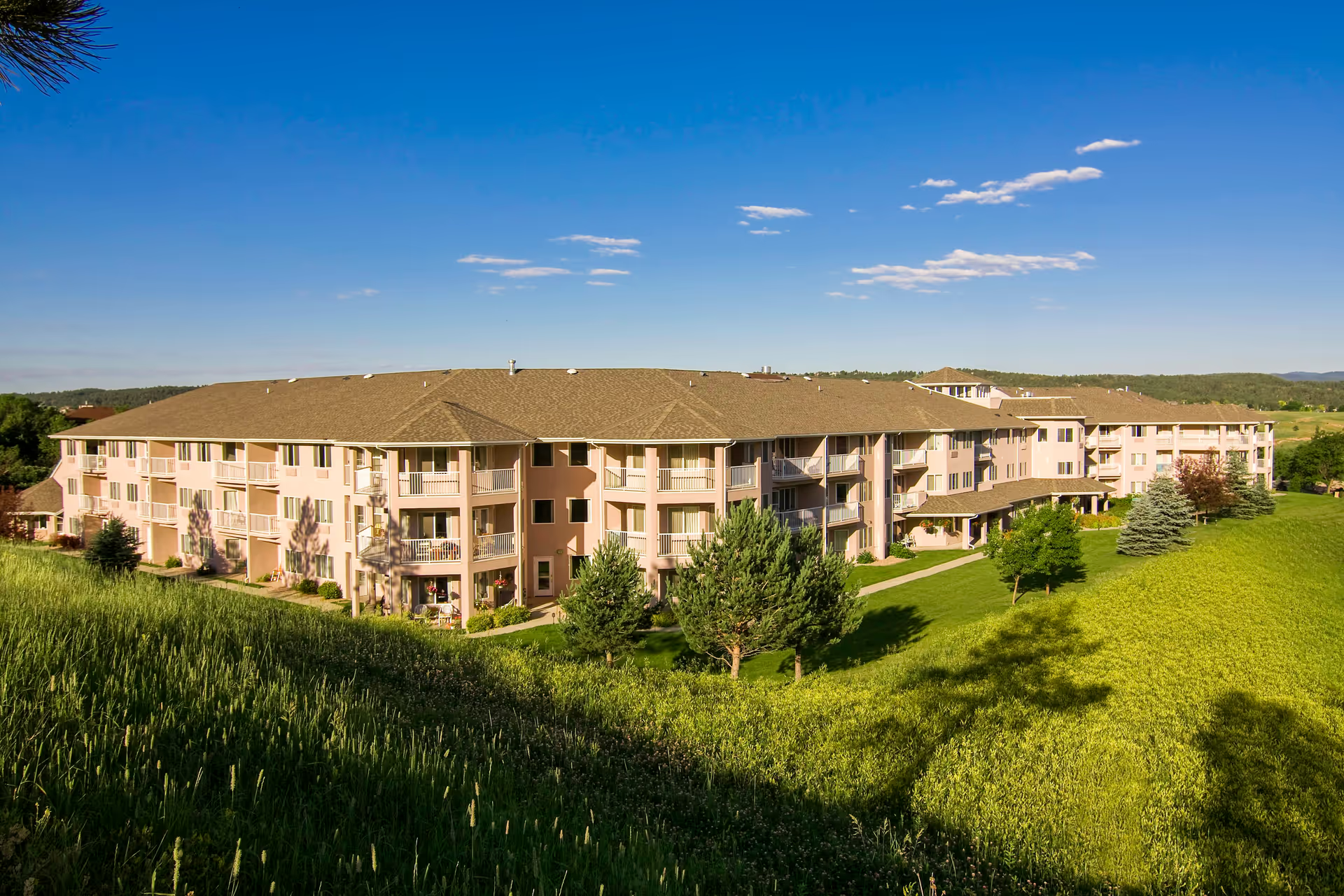
Dining and activities present a mixed impression. The dining program is described by some residents as restaurant-like with special-diet accommodations (including gluten-free options) and memorable meals, while others describe cold or unappealing food and limited variety. The activity program has visible strengths: organized games, bingo, puzzles, outings, and access to outdoor spaces and an activity room. However, some reviewers observed limited evening or night-time engagement and a quieter nighttime environment.
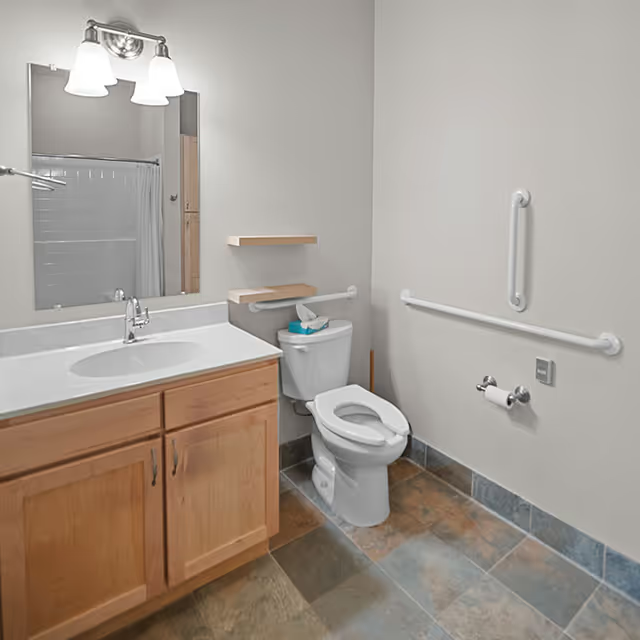
Facility upkeep and management practices show inconsistency. Several reviewers mention maintenance items (heater problems, patched walls, noisy laundry near rooms) and environmental-control issues. Cleanliness and sanitation were praised in some areas but flagged as inconsistent in others. Management decisions were described by some families as financially driven rather than focused on reinvestment in staff and resident services, contributing to perceptions of high turnover and inconsistent care delivery.
Overall, Fountain Springs may be a strong option for short-term, therapy-focused stays where the rehabilitative team and specific direct-care staff can be engaged. Prospective residents and families considering longer-term placement should carefully evaluate current staffing levels, night coverage, clinical-safety practices (including medication administration and incident reporting), and observable cleanliness. Requesting recent staffing metrics, infection-control records, medication-safety policies, and a tour during daytime and evening hours can help assess whether the facility’s operational patterns align with a particular resident’s care needs.