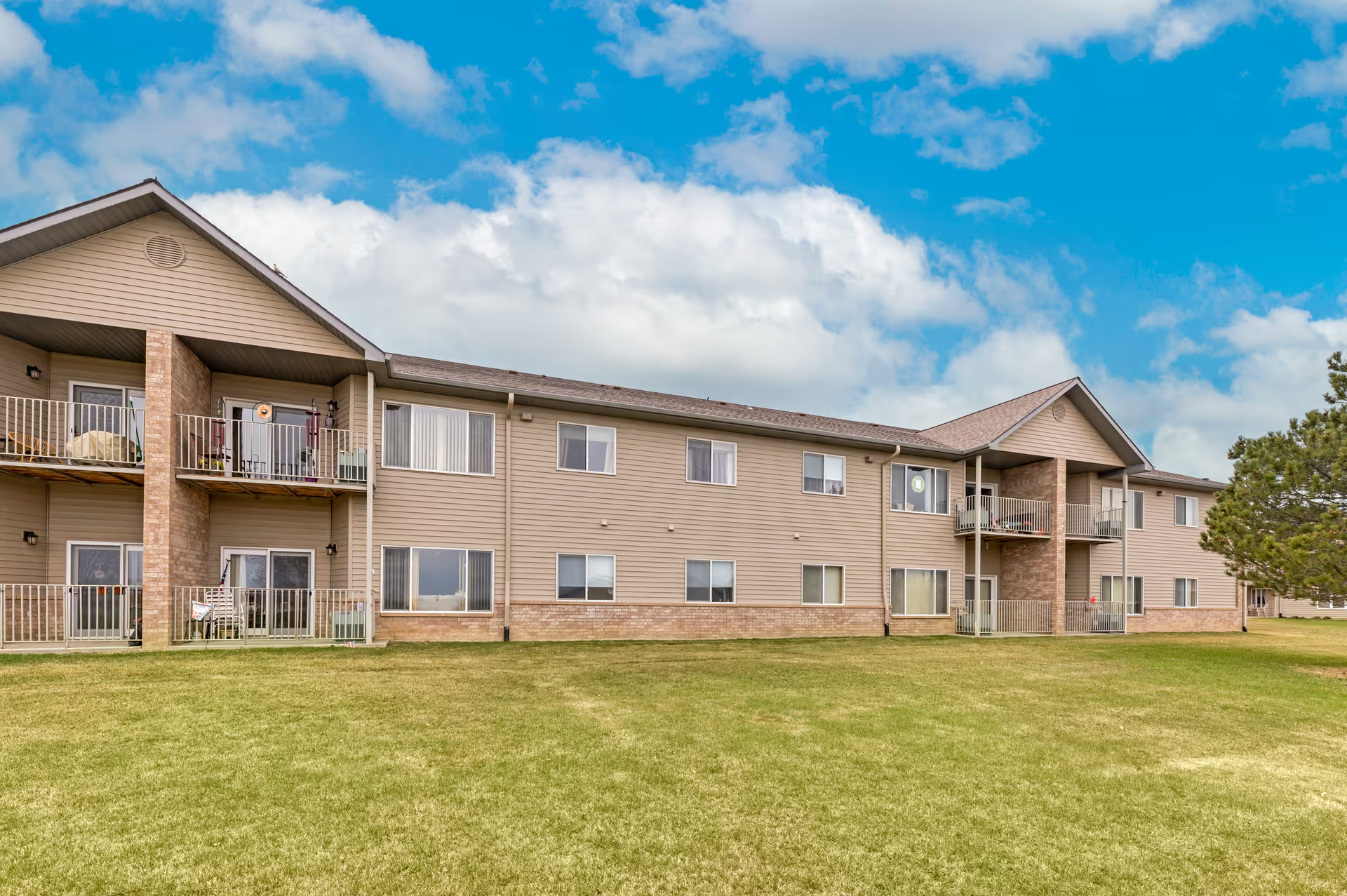
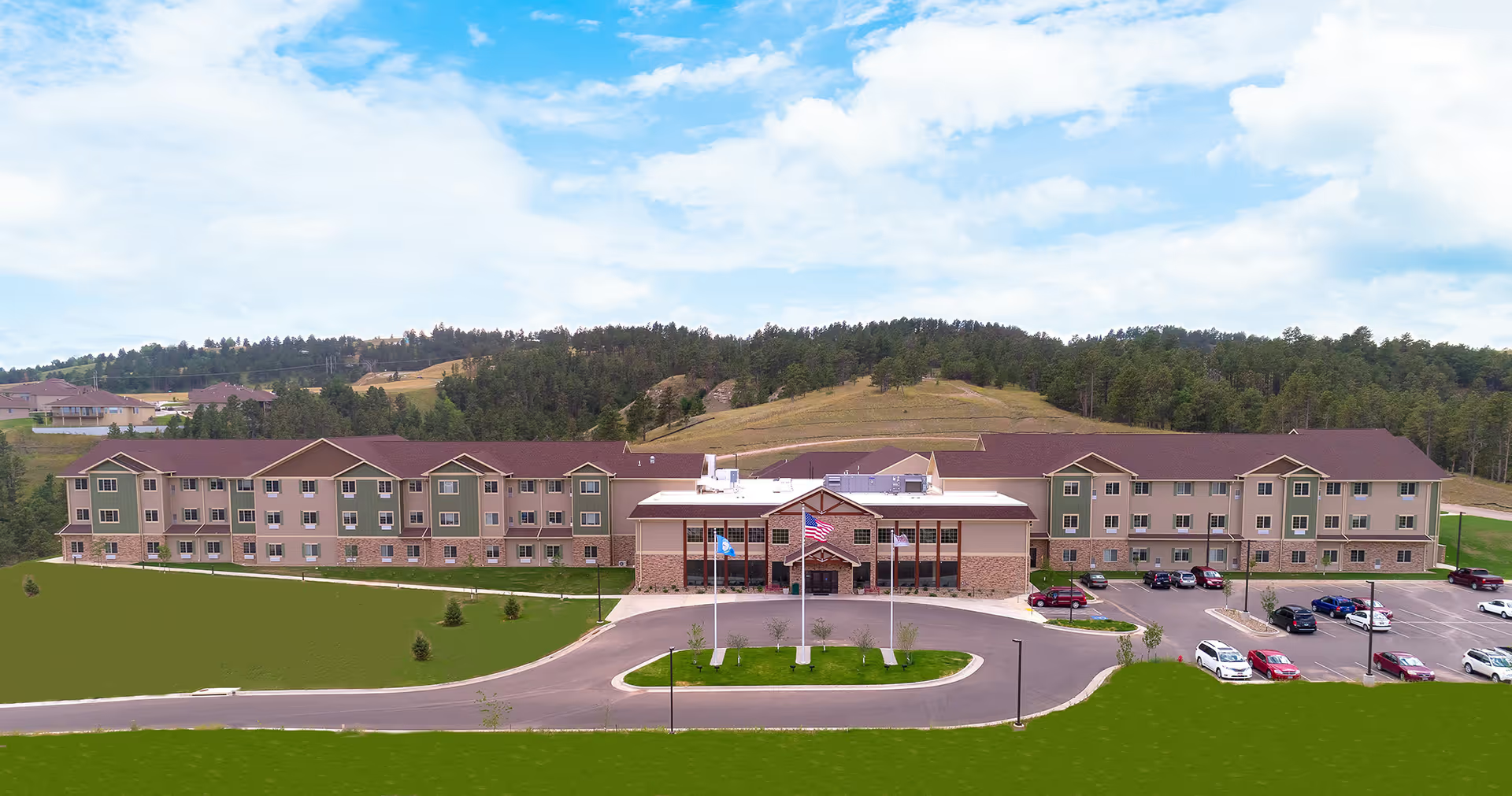
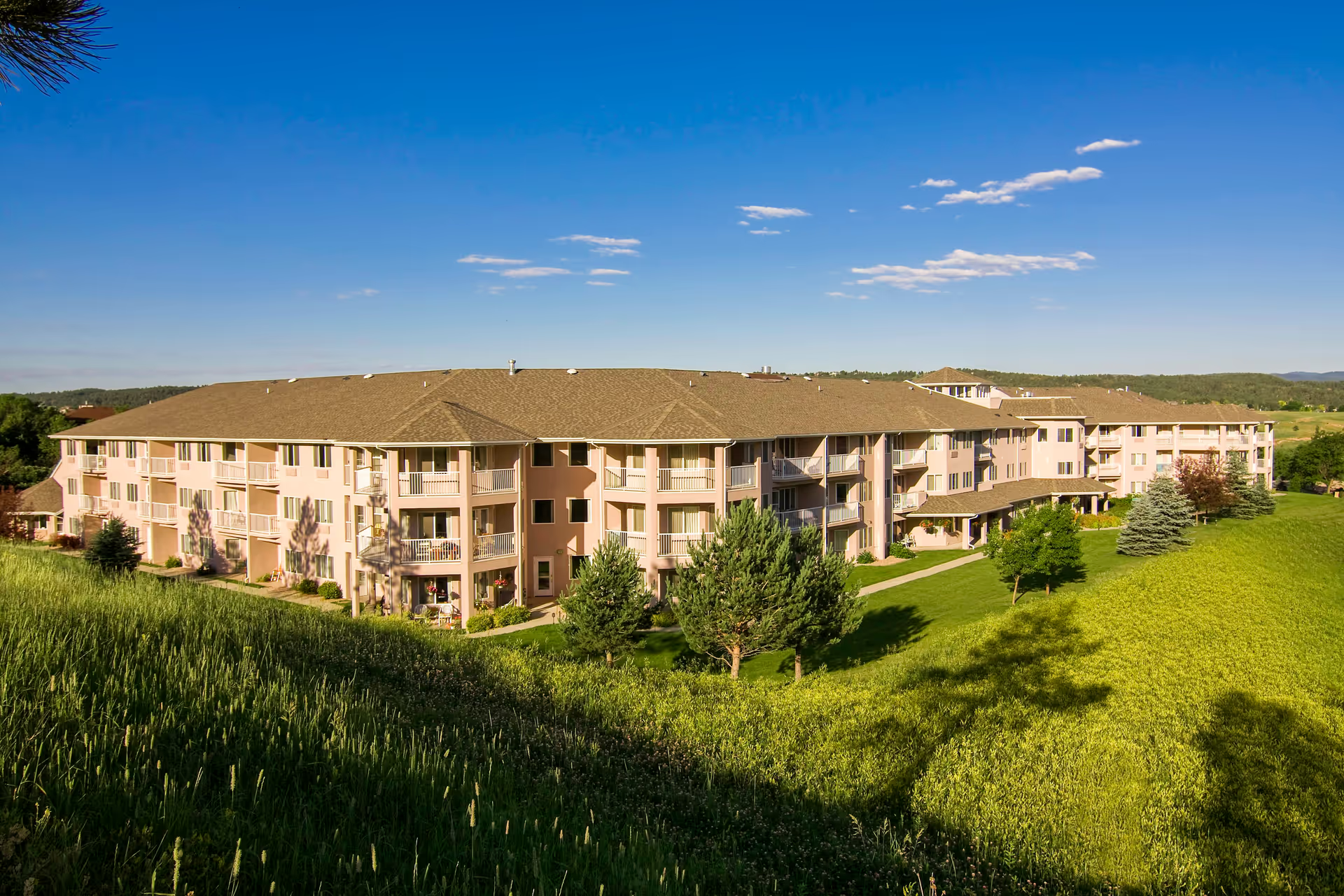
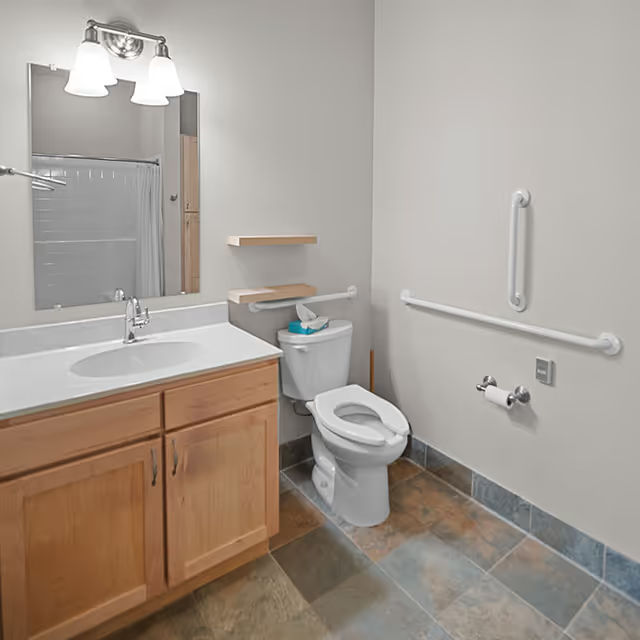
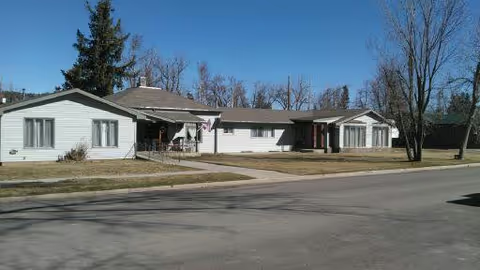
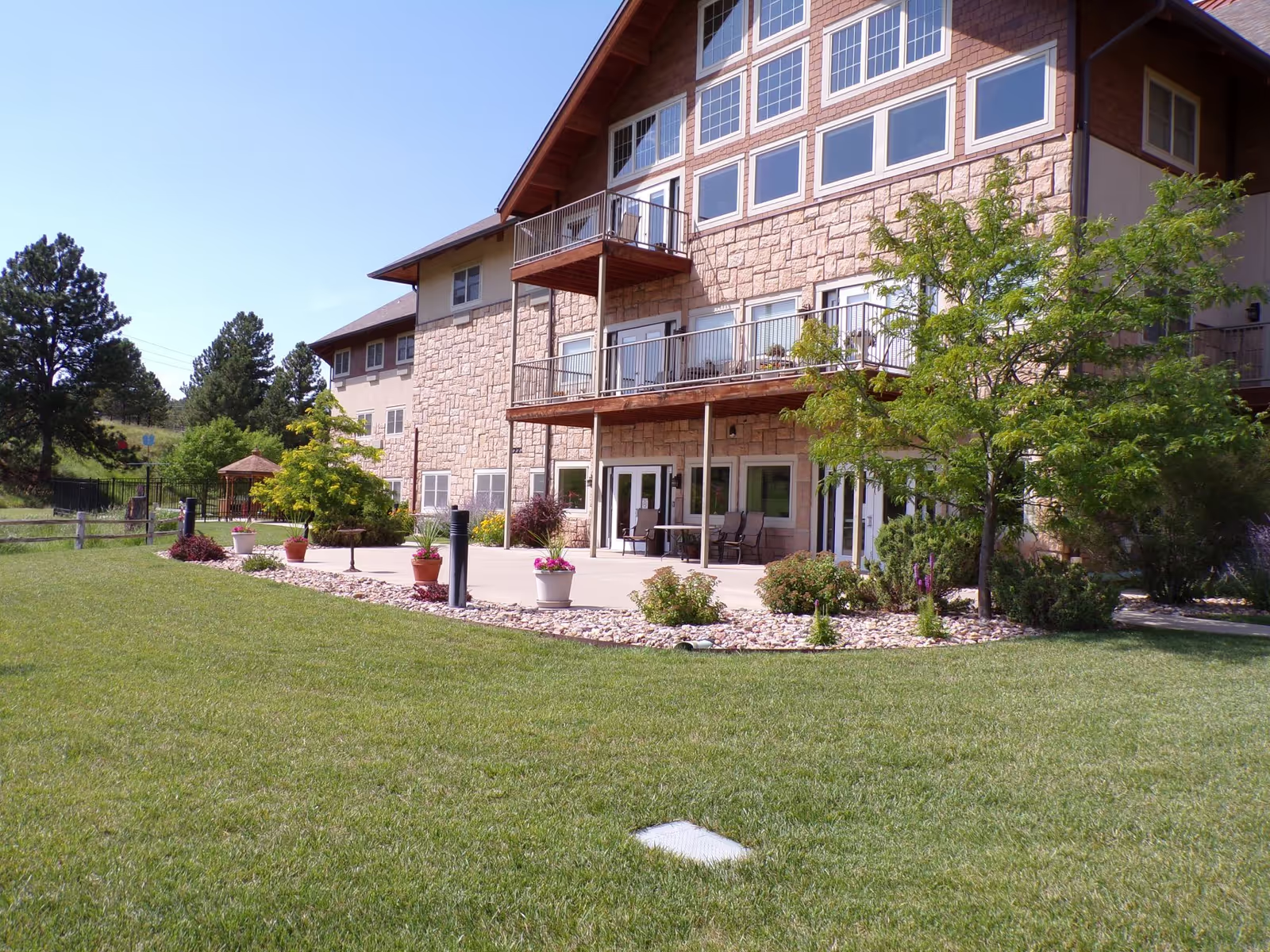
Morningstar Assisted Living presents a mixed but distinctive profile. Many reviewers describe a small, home-like environment with personalized attention, long-tenured staff, and a family atmosphere. Common physical strengths include well-kept grounds, an outdoor courtyard, spacious shared spaces such as a large dining room with a fireplace and an activity/game room, and private-room options with half baths. The facility emphasizes social dining and daily programming, and staff often coordinate external rehabilitation when on-site services are not available.
Care and staff are central to the facility's positive reputation. Numerous accounts highlight compassionate, patient caregivers who provide individualized, person-centered support and strong daily communication with families. Staff continuity and a sense that residents are treated like family are recurring themes. The activity program is described as robust for a smaller setting — daily exercise, afternoon activities, movie nights, music programs, weekly entertainment and special events are frequently noted. Meal service is another frequently cited strength: home-cooked, rotating menus with three meals and snacks, and the provision of basic toiletries and linens are advantages for resident comfort.
However, the reviews also reveal operational weaknesses that prospective families should evaluate. Leadership and management consistency appears uneven, with specific concerns about night-shift supervision, administrative responsiveness, and human-resources practices. Reviewers describe a workplace culture in which some staff feel reluctant to raise concerns; this intersects with issues around pay transparency and questions about staff credentials. Relatedly, there are statements raising serious concerns about staff conduct; these include individual, severe allegations that reflect potential gaps in oversight and incident reporting. Confidentiality lapses and inconsistent family communication are also noted and merit attention when assessing the facility.
Facility condition and services show a combination of strengths and limitations. While common areas and grounds are generally well maintained, the building is described by some as older and some private rooms as smaller than in newer communities. There is no dedicated on-site rehabilitation suite; staff do arrange external rehab services, which may require coordination and travel. Cleanliness and sanitation are praised in many accounts but flagged as inconsistent in others, particularly in certain dining/common-area observations.
Overall pattern: prospective residents and families will likely find a warm, close-knit community with strong interpersonal caregiving and active programming, paired with practical conveniences such as meals, toiletries, and outdoor space. At the same time, there are recurring operational concerns—management consistency, staff oversight, confidentiality and communication practices, and some infrastructure limitations—that should be explored directly with the provider. Recommended due diligence includes in-person tours at different times (including evening/night), direct questions about incident reporting and staff training, verification of staff credentials and pay practices, and obtaining references from current families to better understand both the day-to-day care environment and administrative responsiveness.