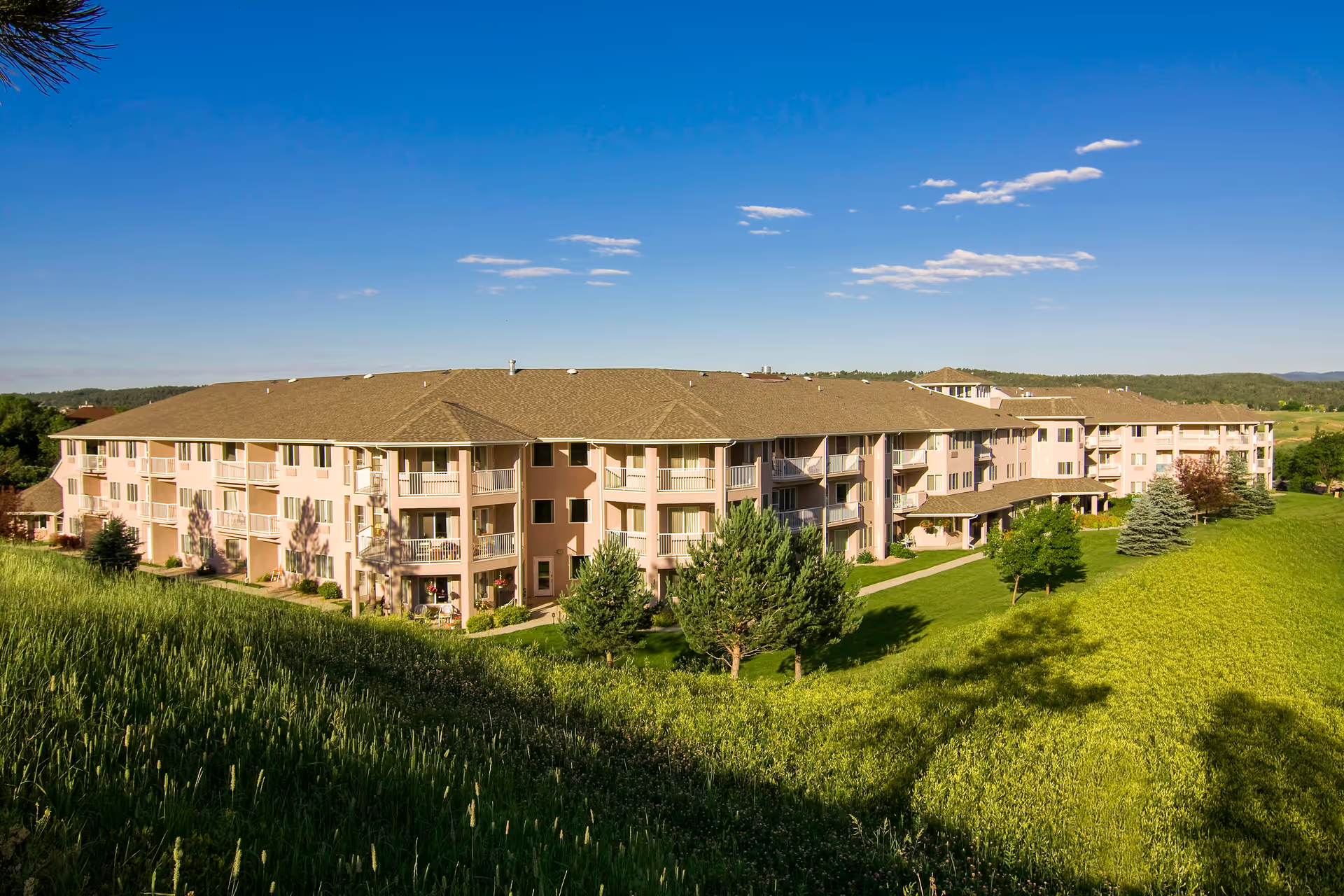
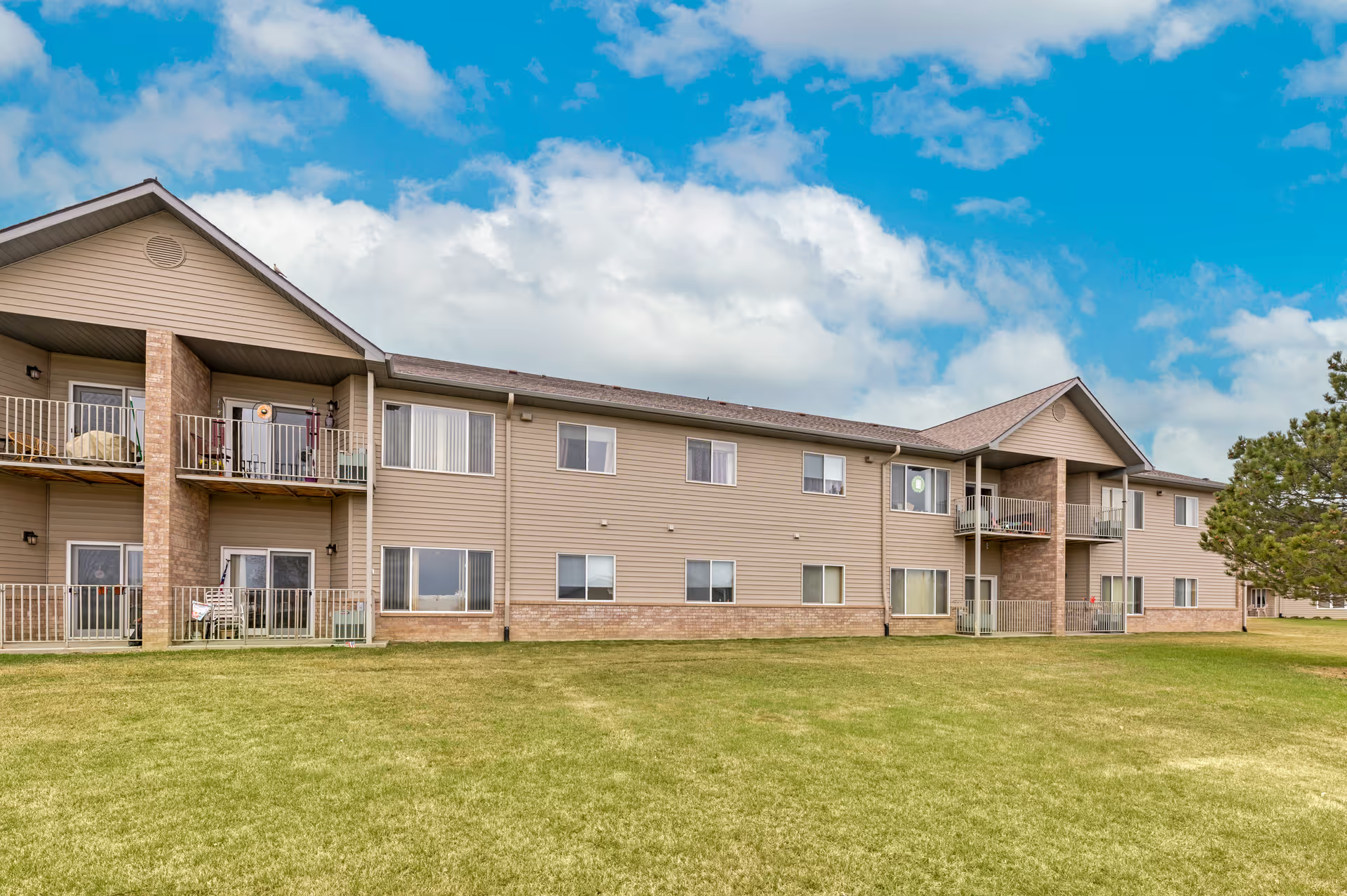
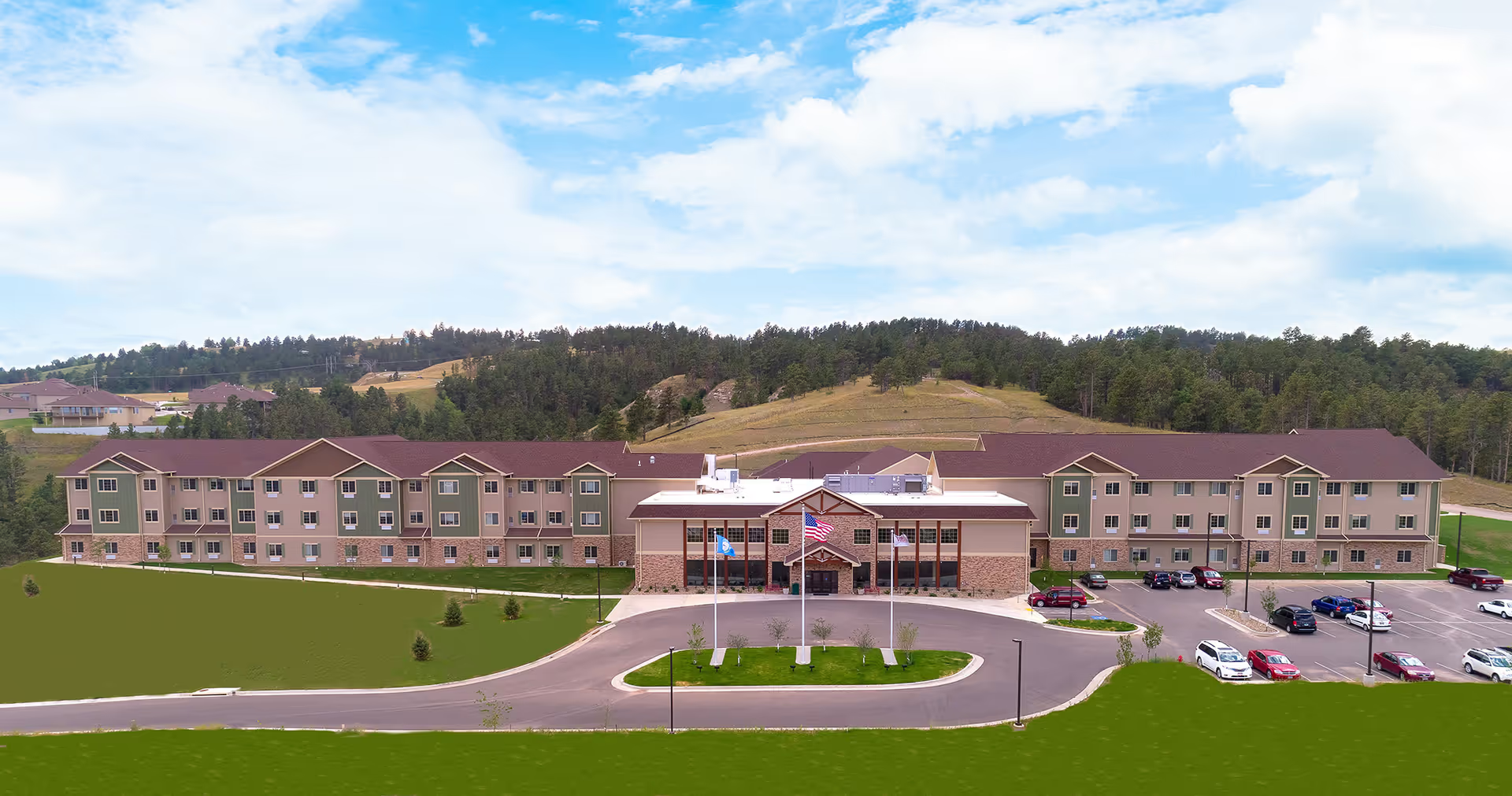
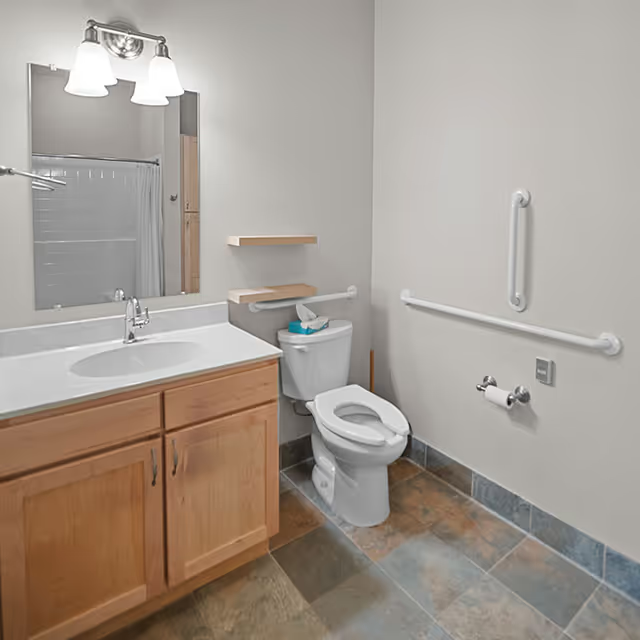
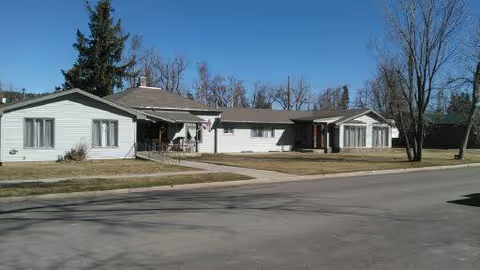
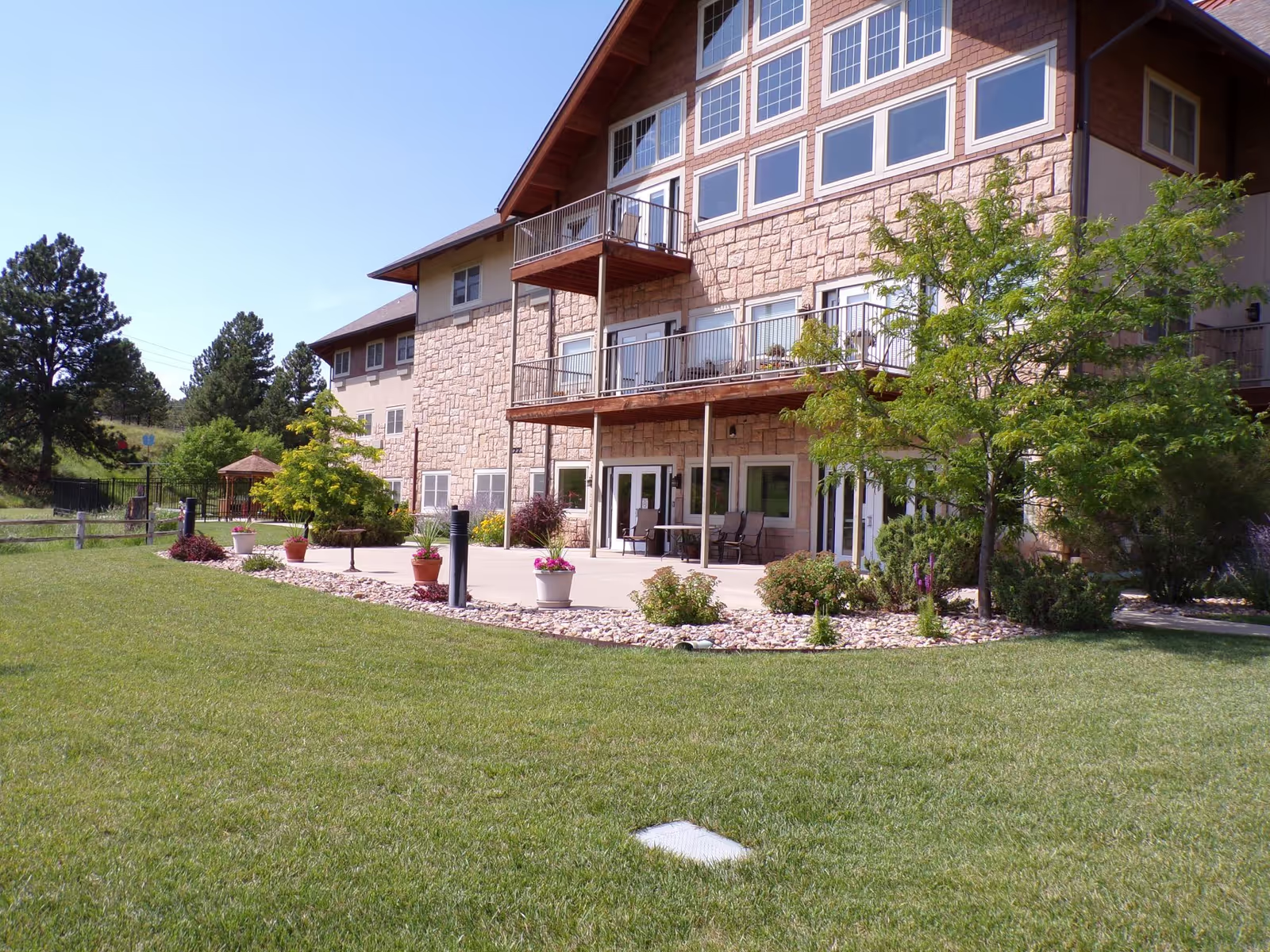
Overall impression: Peaceful Pines Senior Living at Rapid City is described as a clean, modern community with a progressive continuum of care (independent, assisted, and memory care), accessible apartments, and a range of on-site amenities. Many families and residents praise the facility’s location, outdoor spaces, and the physical condition of apartments and common areas. The property is noted for being scooter‑friendly and having wide doorways and accessibility features that support resident independence.
Care and staff: The dominant theme across feedback is positive regard for frontline staff and nursing personnel. Reviewers emphasize compassionate, attentive interactions, staff familiarity with residents, and particular caregivers who are seen as reliable and supportive. The facility maintains around‑the‑clock nursing coverage, and memory-care services receive favorable mentions for daily attention and activity engagement. At the same time, several accounts point to intermittent staffing shortages; when staffing is thin, families perceive variability in response times and routine support.
Dining and activities: Dining is a mixed area. The community offers buffet-style service with daily lunch and dinner and menu/dining options; some residents find the meals nutritious, filling, and well-presented. Others express dissatisfaction with certain meals, producing an overall pattern of inconsistent food quality. Activity programming includes bingo, musical events, exercise classes, and outings, with on-site amenities such as a small library, TV room, and exercise area. Activities are frequent and well-liked by many residents, but programming does not suit every resident’s preferences or energy level.
Facilities and access: Physical features are a strength — newer kitchens, spacious rooms, clean common areas, and pleasant views are commonly noted. Outdoor spaces and proximity to doctors/appointments are practical advantages. A subset of reviewers felt the floorplan lacked openness (single‑story sections and hallways that require walking to reach dining or common rooms), which can feel inconvenient for some residents who prefer direct adjacency between living and shared spaces.
Management and administrative patterns: The principal operational concern involves communication and administrative processes. Several families described gaps in management responsiveness, limited updates after deposits are placed, and a waitlist process that felt opaque. These communication shortfalls have affected family confidence and perceptions of safety and peace of mind. Pandemic-era visitation restrictions were also recalled as restrictive by some families, contributing to a sense of constrained access during those periods.
Overall assessment: Prospective residents and families can expect a well-maintained, clinically supported community with a strong culture of caring among staff, good accessibility features, and active social programming. Key decision points to verify in a tour and contract discussion are current staffing levels and contingency plans, recent dining menus and sample meals, the specifics of the waitlist/deposit policy and communication commitments, and how activity options are individualized to resident interests. These operational details will help align expectations with the mixed-but-often-positive experiences described by current residents and families.