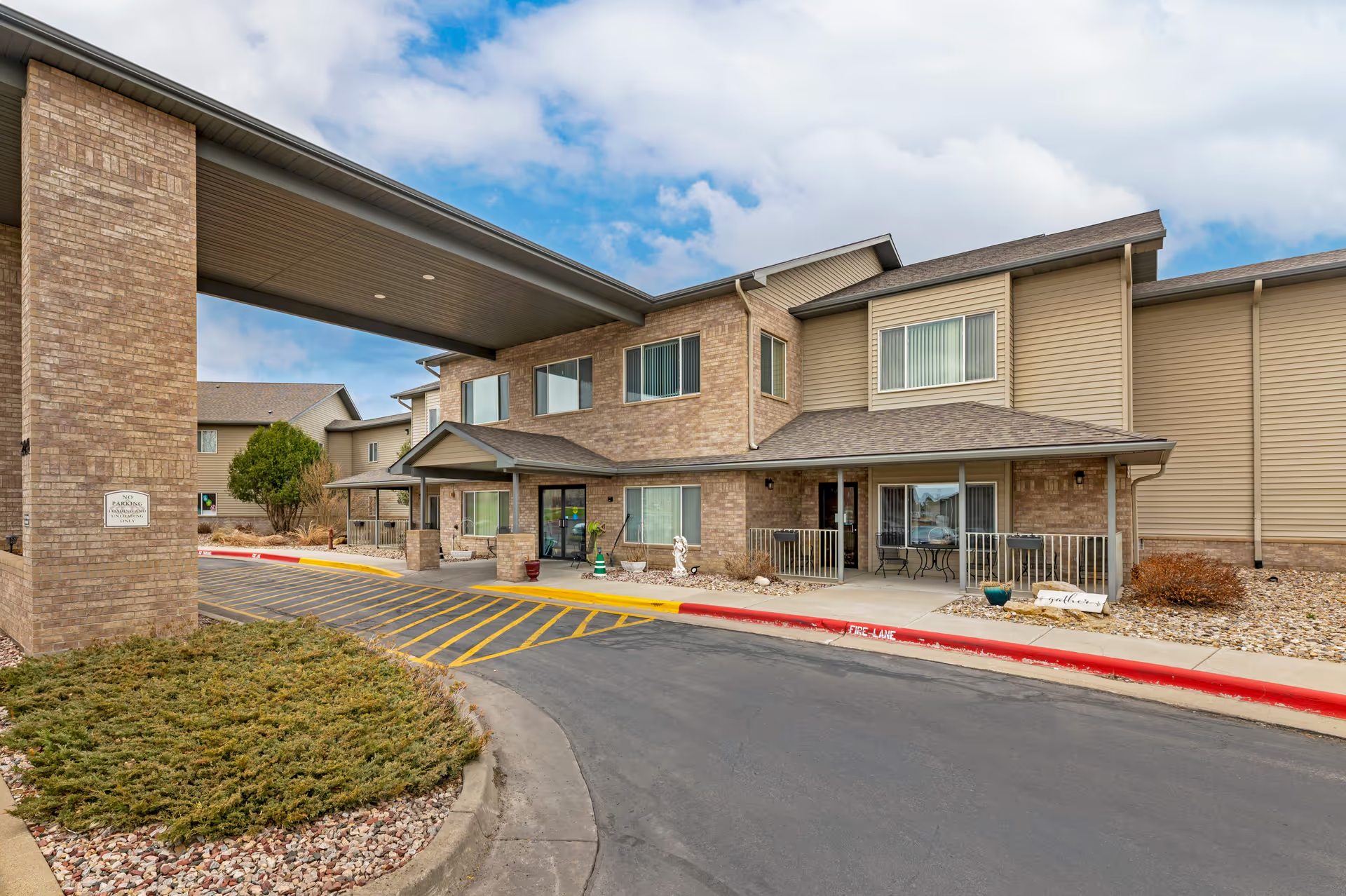
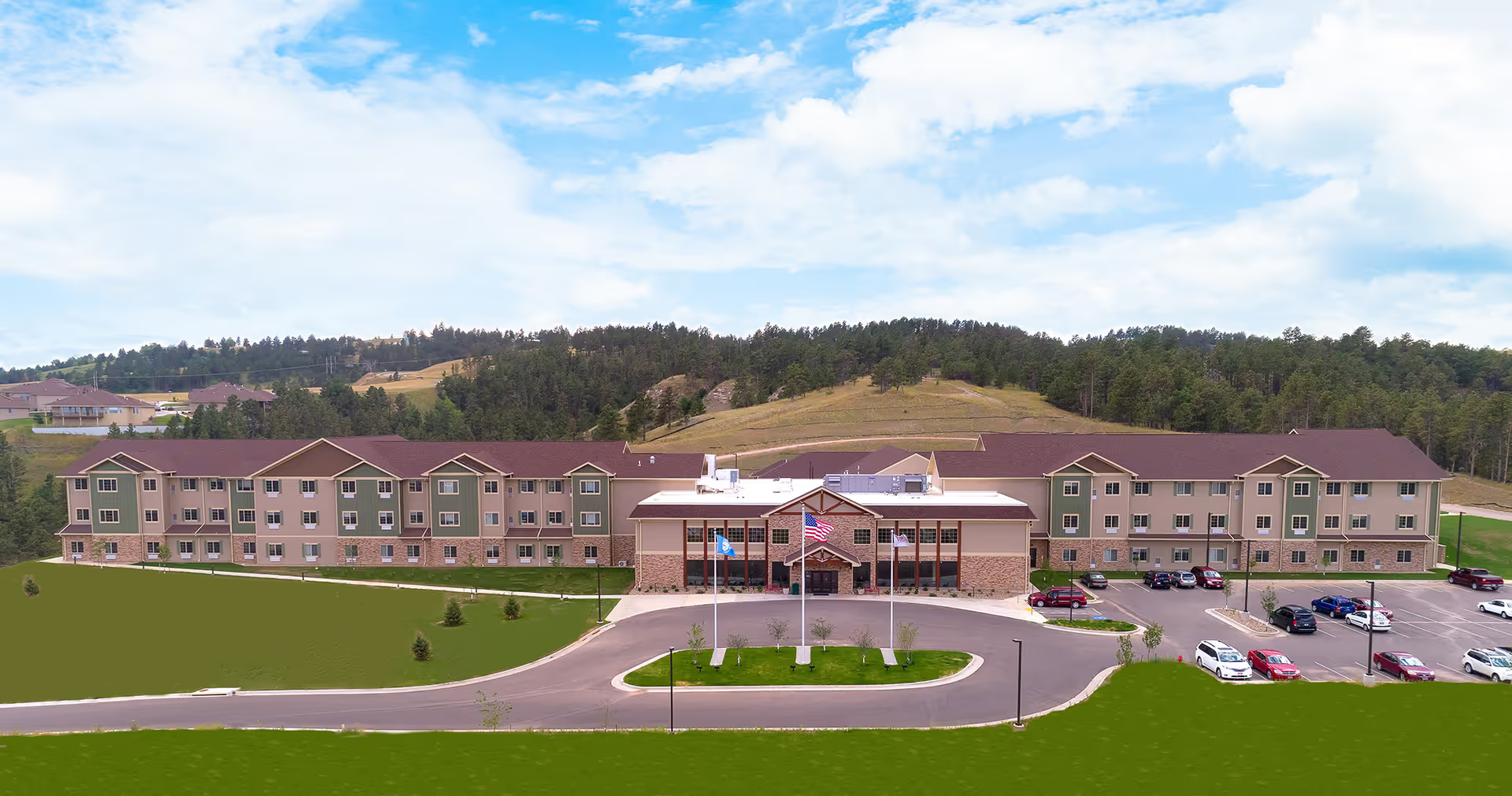
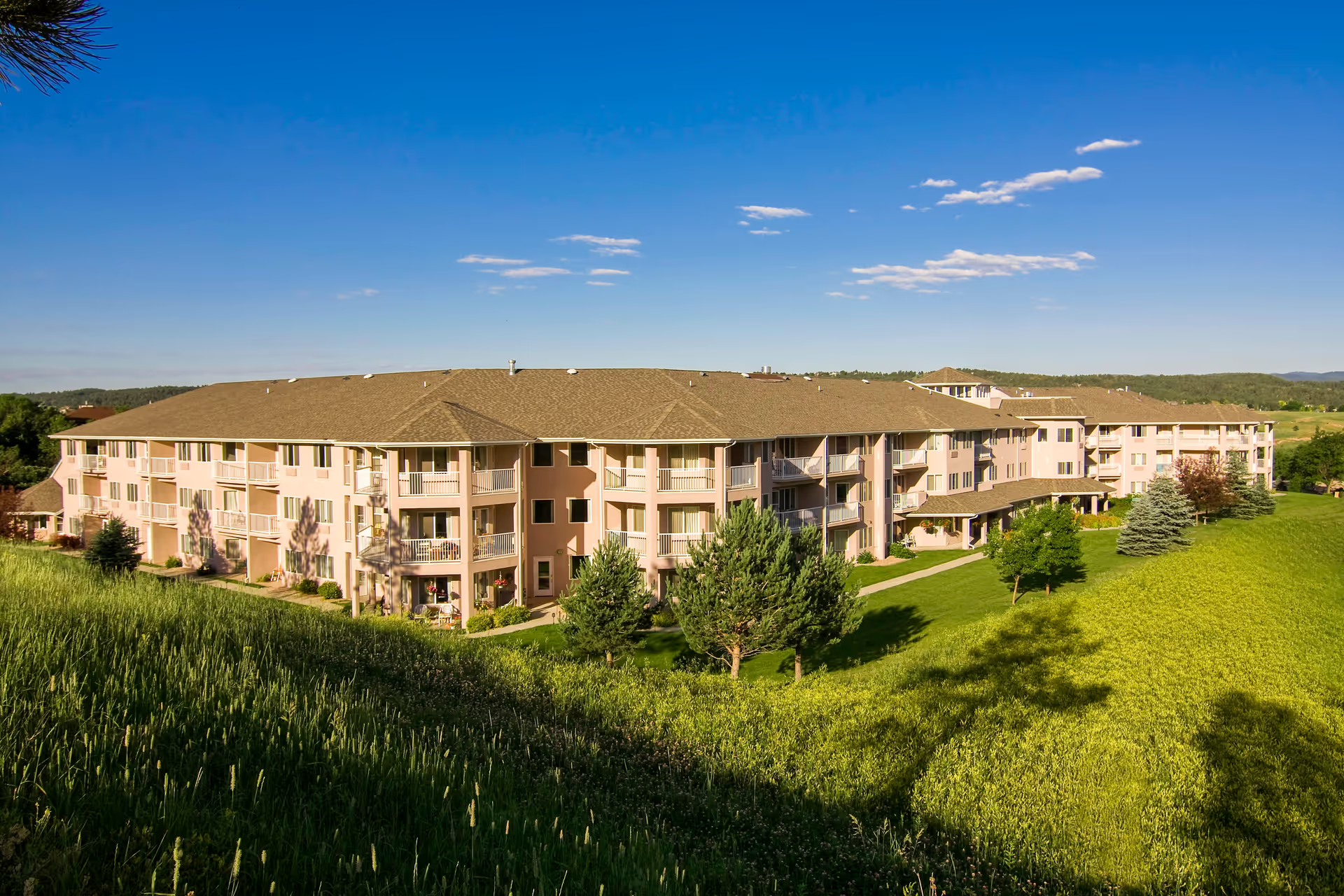
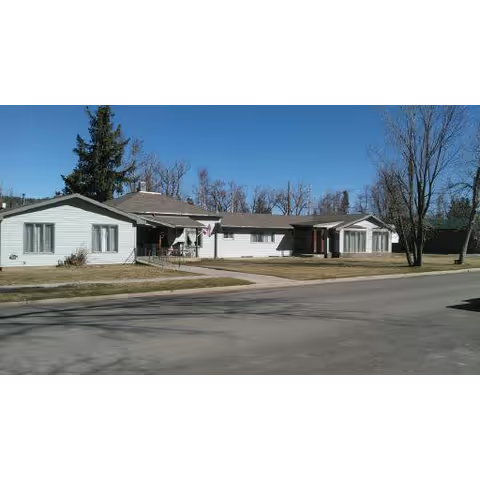
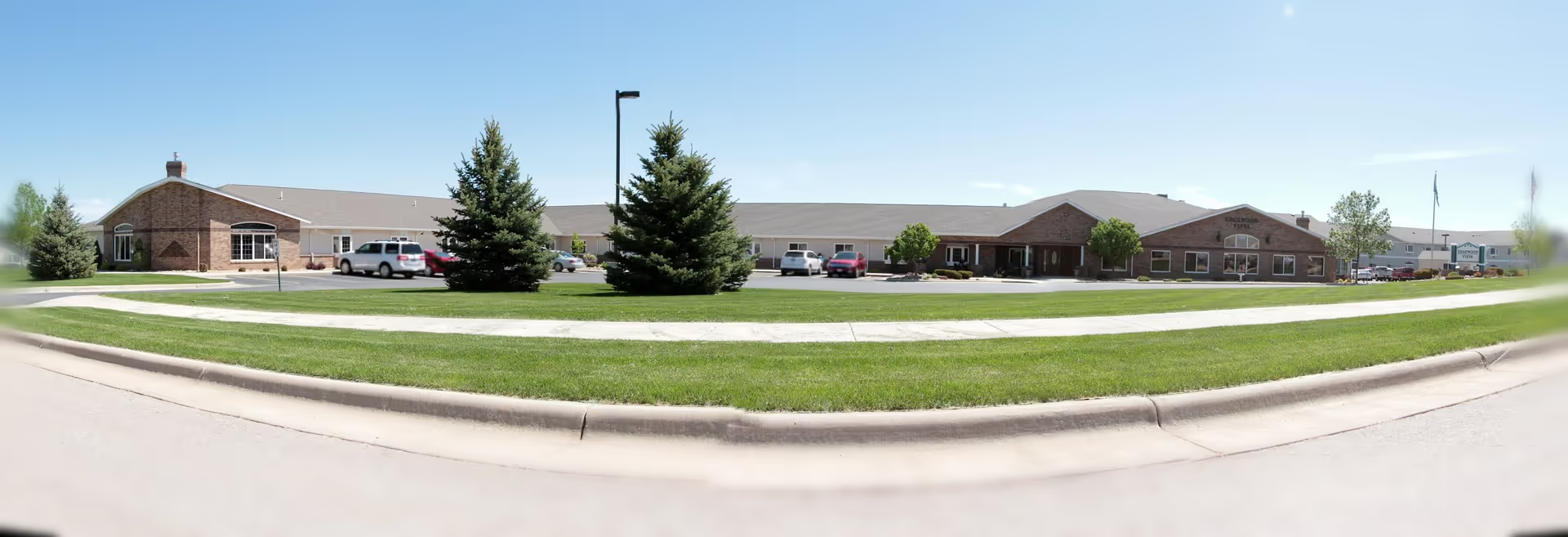
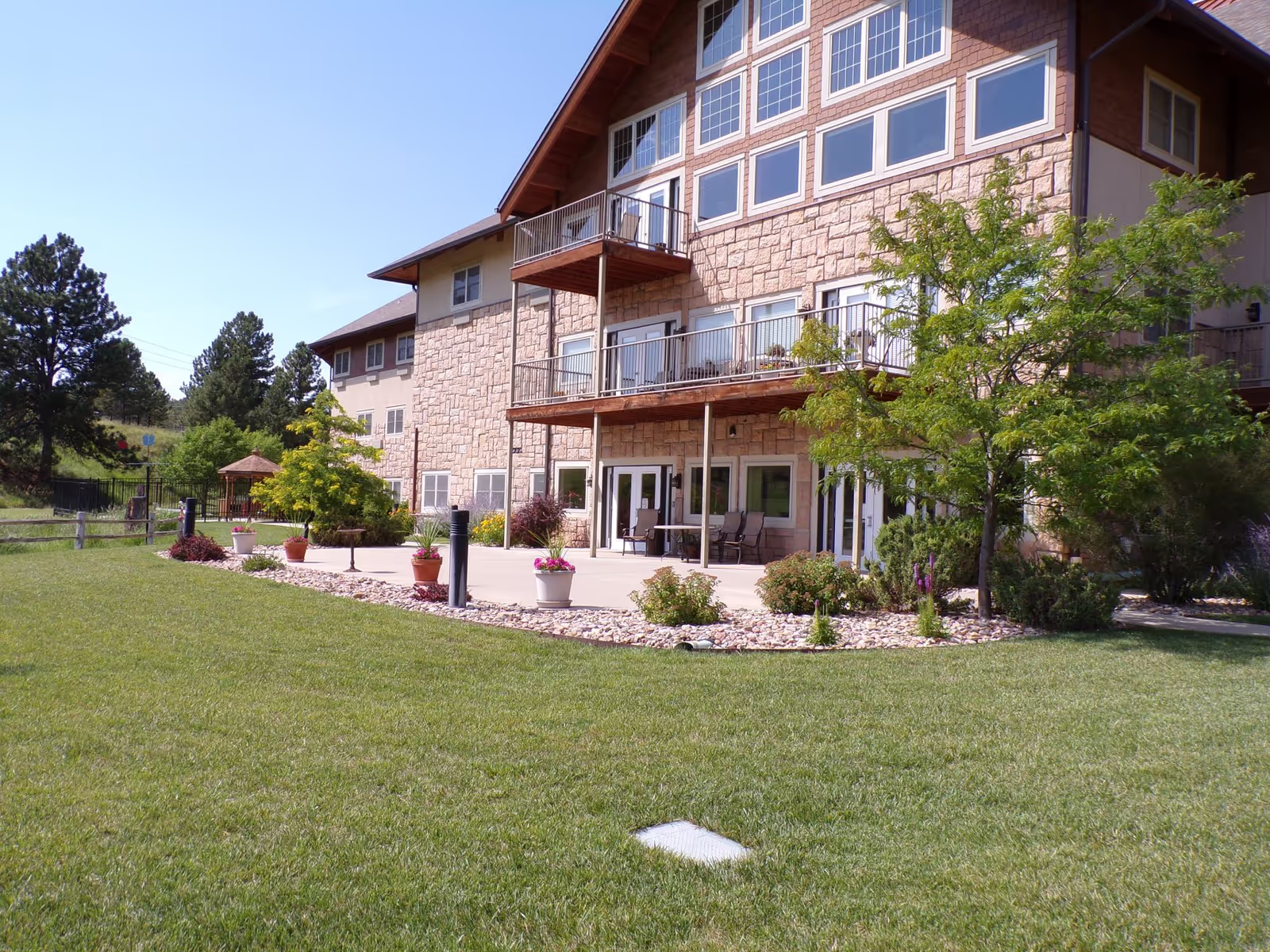
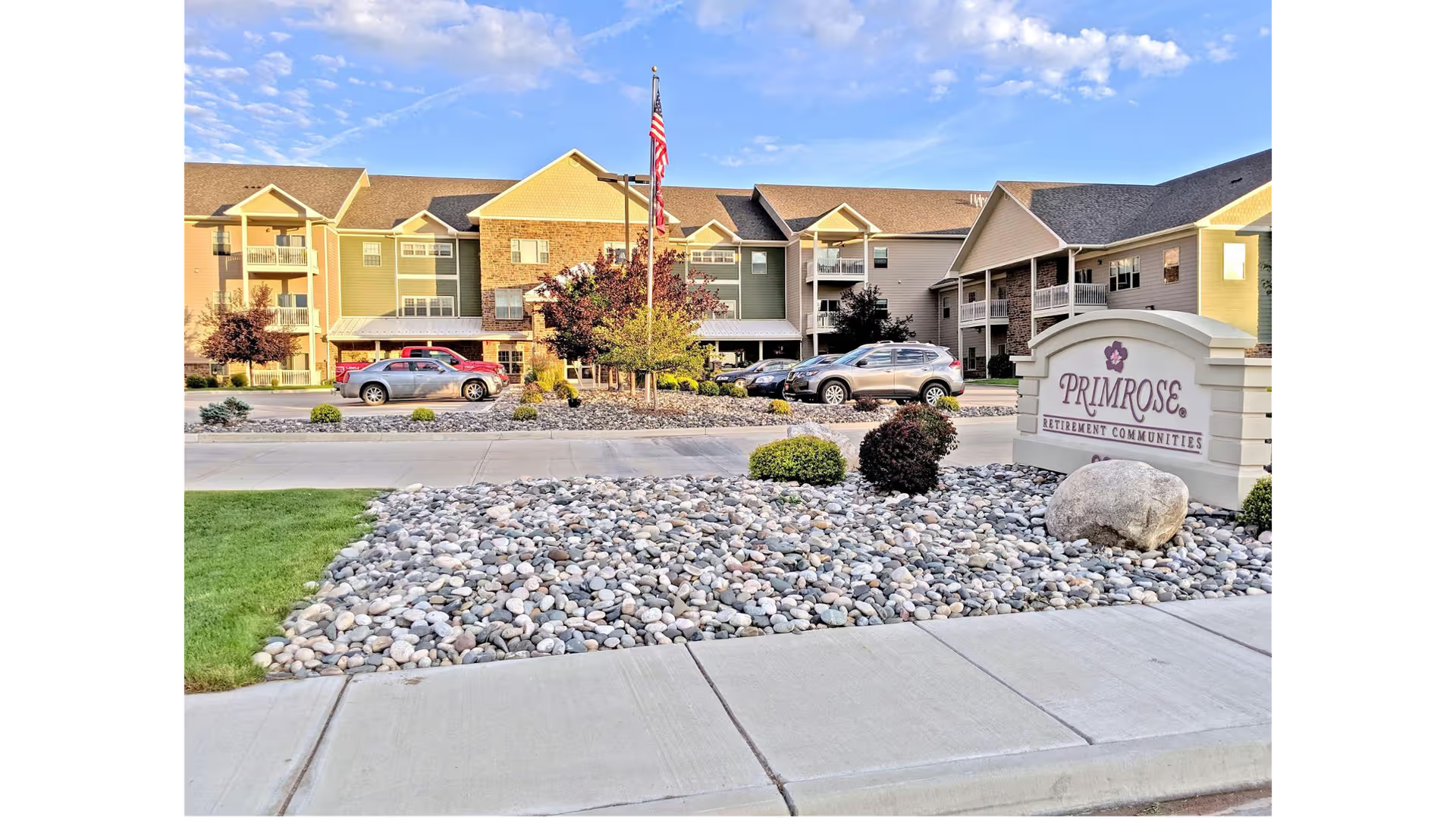
Overview: Westhills Village presents as a well-appointed, modern senior living community with many strengths in physical environment, rehabilitation services, and day-to-day programming. Review content clusters around consistently positive impressions of the facility’s appearance, landscaping, specialized spaces (for example a woodworking shop), and convenience of location. Many families and residents describe warm interpersonal connections, active social programming, and satisfaction with long-term staff relationships.
Care and staff: Clinical and caregiving services receive mixed but generally positive descriptions. Multiple notes highlight competent nursing coverage, strong rehabilitation and physical-therapy programs, and staff who are caring and engaged. At the same time, there is variability in staff professionalism and conduct: some accounts describe unprofessional or condescending interactions, scheduling inconsistencies, and differences in perceived quality between shifts. These patterns suggest that individual staff performance and shift-coverage stability are important topics to evaluate during a visit. There are also mentions of emergency response concerns and an instance leading to an external emergency call; families should inquire about on-site emergency protocols, response times, and escalation procedures.
Dining and daily living services: Dining is an area of diverging experience. Several reviews praise meals as high-quality and nutrition-aligned, while others characterize food quality as unsatisfactory. Laundry and personal-belongings handling is another operational area with mixed feedback—some families appreciate assistance services, while others report losses or mismanagement of clothing. Prospective residents should ask about laundry tracking, labeling protocols, and inventory controls.
Activities and social environment: The activity program is commonly described as robust, varied, and community-building, with examples such as woodshop activities, prayer vigils, and a full calendar of events that foster social connections. However, some reviewers identified episodes where activities or activity staff felt unprofessional. There are also indications of social friction within the resident community, described as exclusionary behavior in certain instances; this points to the importance of observing resident interactions and asking about programs that promote inclusive social integration.
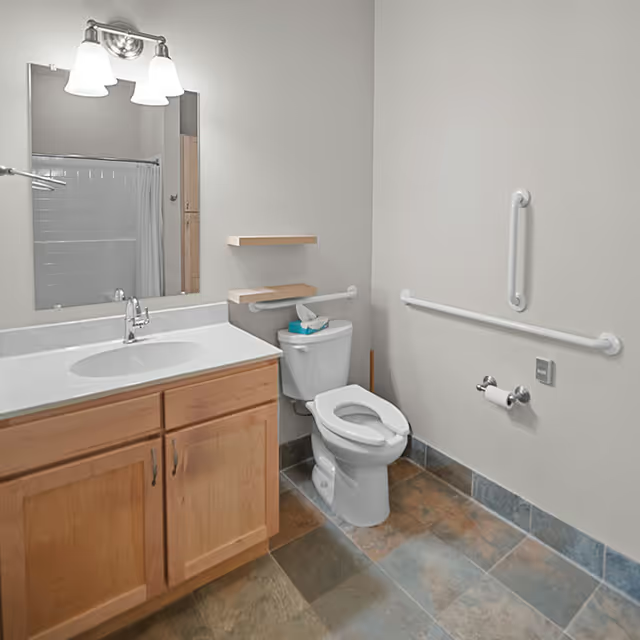
Facilities and management: The physical plant and amenities are generally praised—clean, modern interiors, attractive landscaping, and dedicated media/internet resources. Landscaping is frequently cited as a visual highlight, but access to outdoor areas is described as limited in some accounts. Management and leadership are viewed positively in many narratives (attentive, experienced), yet other reviews describe weak HR responses, unsatisfactory complaint resolution, and a sense that financial considerations can drive decisions. Cost is mentioned as a concern by some families.
Notable patterns and takeaways: The overall picture is of a facility with strong infrastructure, rehabilitation services, and many committed staff members who provide compassionate care. At the same time, there is variability in operational consistency—particularly around staff professionalism, scheduling, meal experience, laundry/property controls, and grievance handling. There are isolated but serious conduct allegations noted; families should proactively request staffing ratios, turnover statistics, incident-response protocols, and details on complaint resolution. A focused tour that includes observation of meal service, an activity session, outdoor access, and conversations with nursing leadership will help clarify whether the facility’s strengths align with a prospective resident’s expectations and care needs.