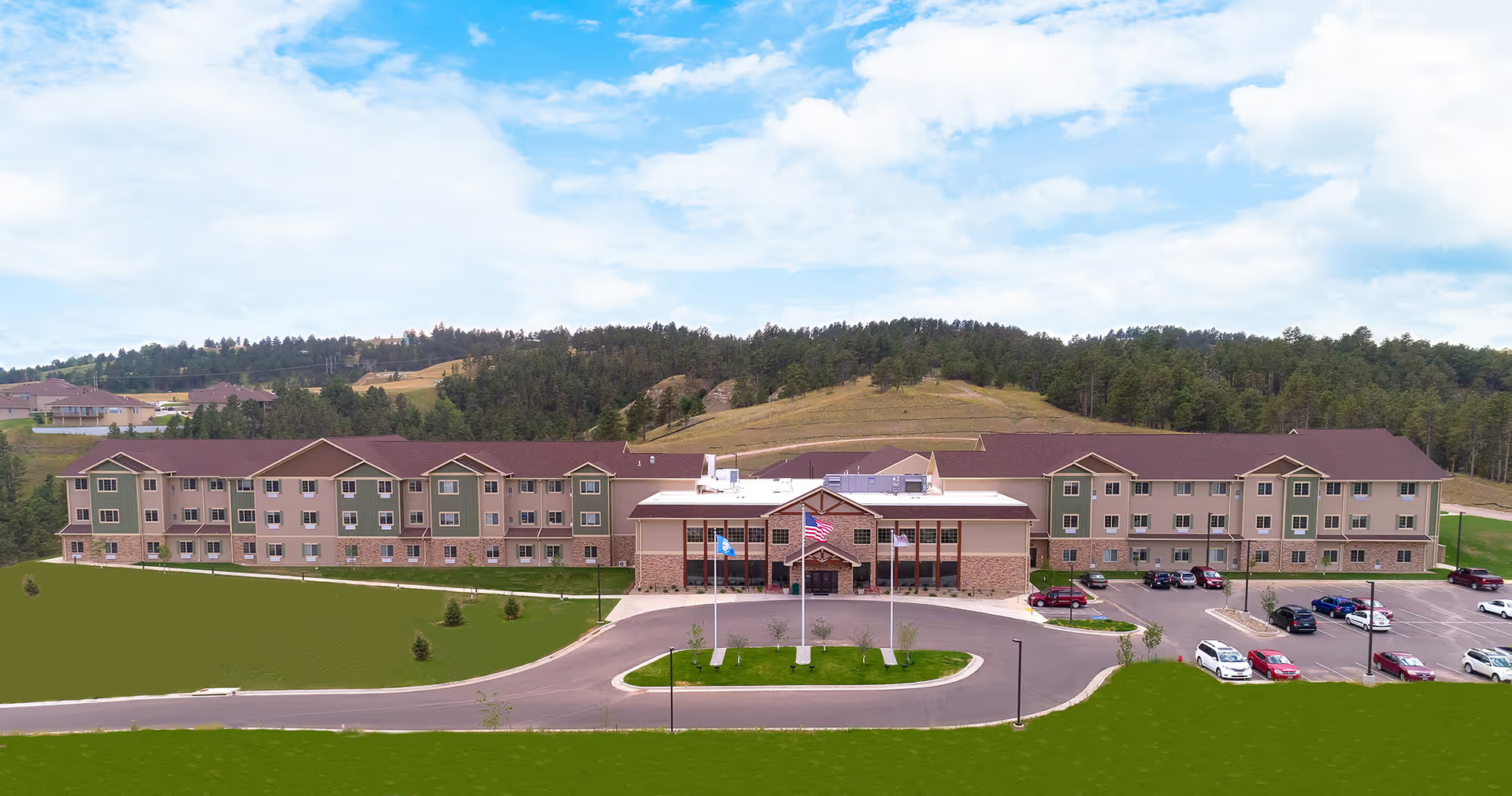
Overall impression: Reviews of Spearfish Canyon Healthcare are highly polarized. Many families and residents praise the facility’s therapy programs, bedside manner, and welcoming environment; others raise significant operational concerns that appear linked to staffing and management. The facility presents clear strengths in rehabilitation, resident engagement, and individual staff dedication, but reviewers also describe recurring issues that can affect consistency of care.
Care and clinical services: Physical and speech therapy are consistently identified as strong points; reviewers describe therapists as effective, professional, and hands-on during rehabilitation. Nursing and direct-care staff receive frequent praise for compassion, attentiveness, and dignity-preserving end-of-life support. Conversely, there are repeated concerns about missed routine monitoring, delays in responding to clinical needs, and lapses related to medication administration and therapy procedures. These care inconsistencies are frequently tied to staffing shortages and shift changes rather than deficiencies in clinical skill alone.
Staff and teamwork: Numerous comments highlight individual staff members as caring, helpful, and professional, including CNAs, nurses, and front-desk personnel. However, reviewers also describe high turnover, short staffing, and occasional interpersonal conduct concerns that erode confidence. Breakdowns in caregiver coordination — for example, changes to appointments or care plans not communicated — contribute to family frustration and inconsistent resident experiences.
Dining and activities: The facility’s dining areas and activity programming are viewed positively by many families: clean dining spaces, social activities (bingo, cards, outings), and an active calendar contribute to resident engagement. At the same time, there are operational critiques related to meal-service management, including the impact of outsourced food services and untrained leadership in food operations, which reviewers link to variability in meal availability and quality.
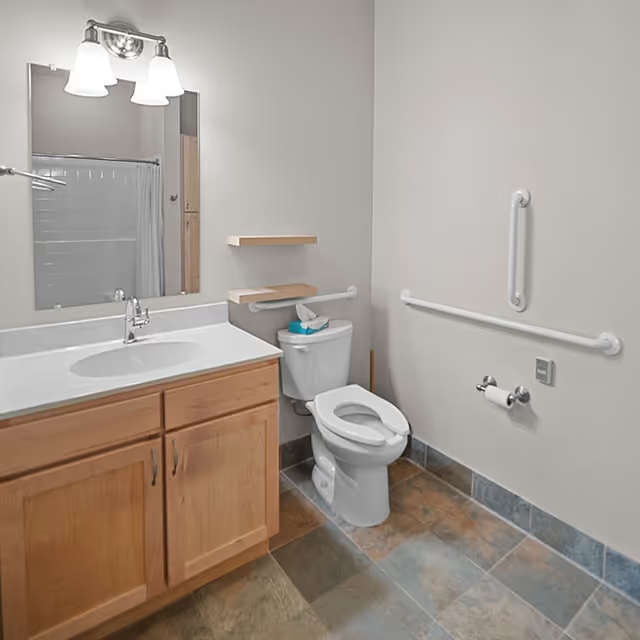
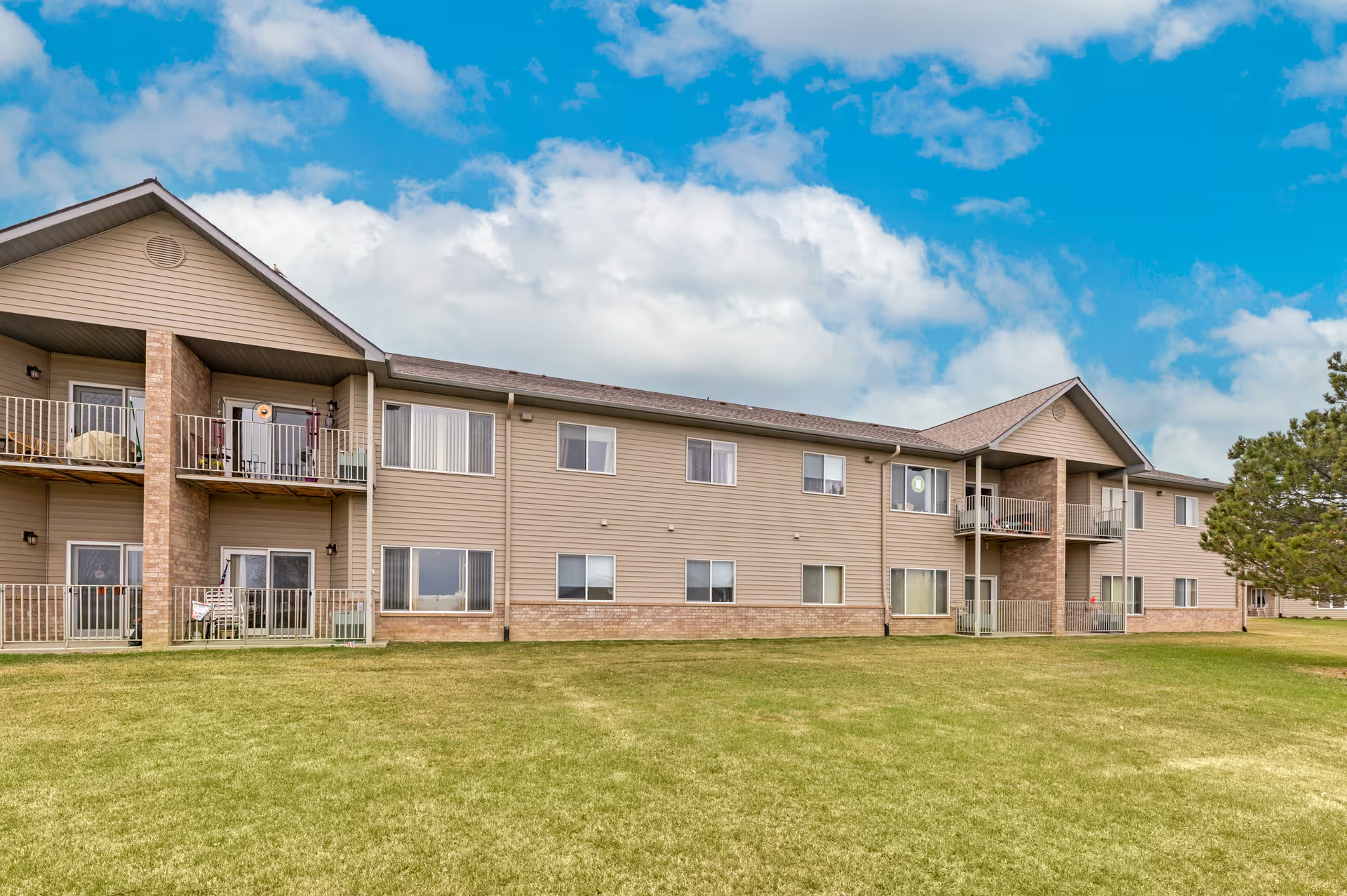
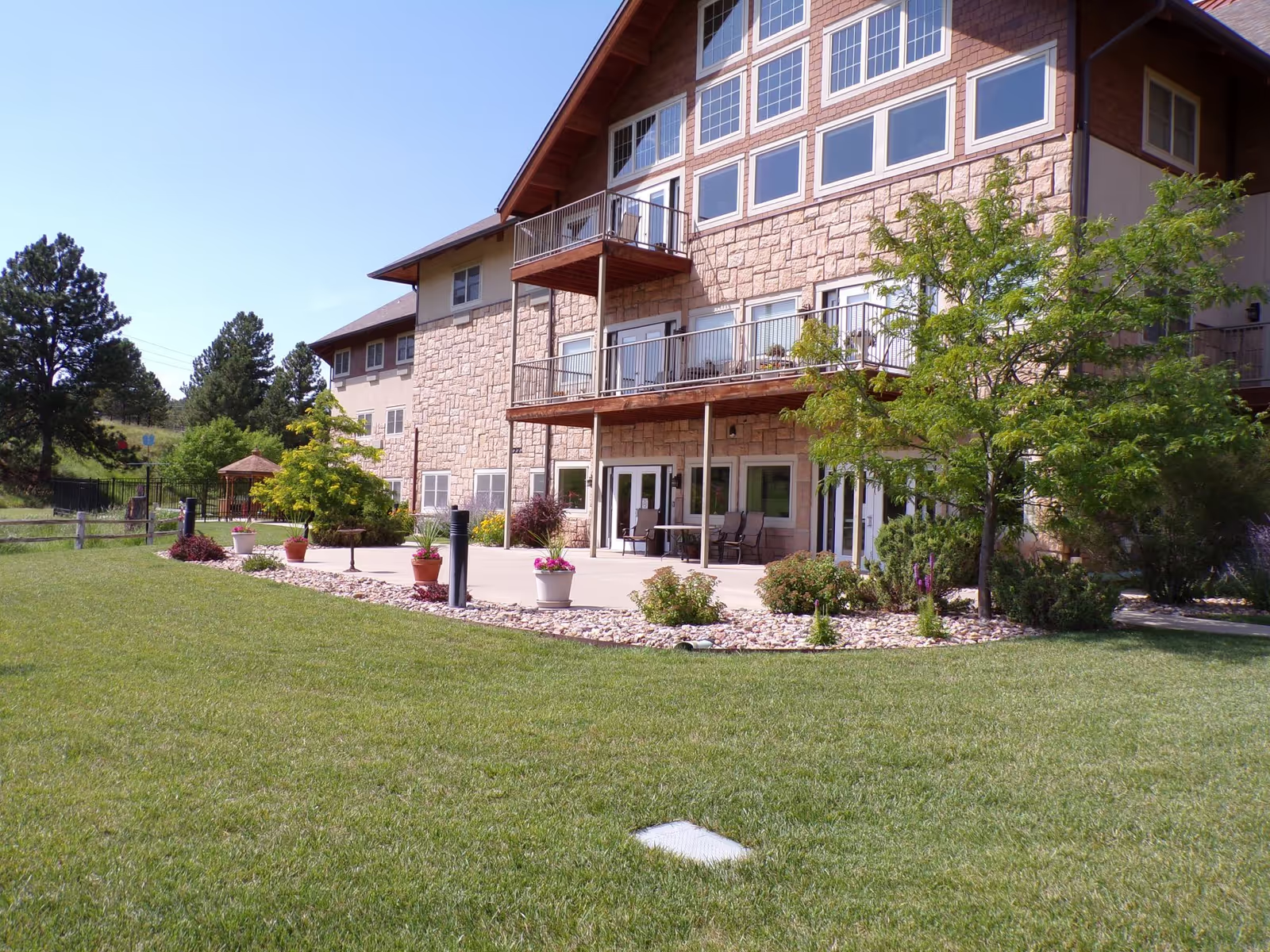
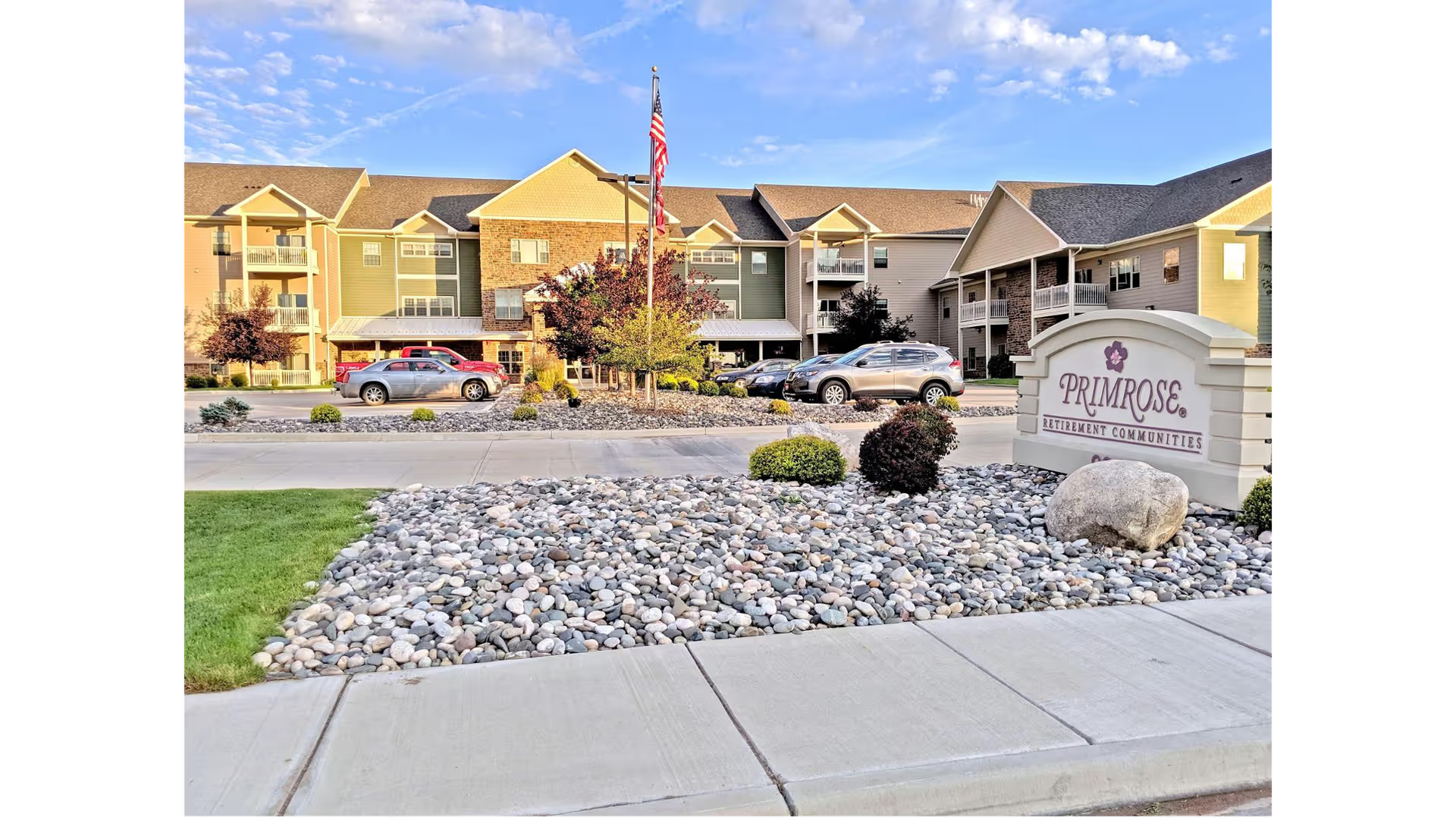
Facilities and equipment: The building’s décor and common areas are often described as welcoming and well-kept, which supports a positive atmosphere. Nevertheless, several reviews raise concerns about equipment maintenance and safety practices (for example, mobility and oxygen equipment handling) and about sanitation or intermittent odor issues in specific areas. These facility-level maintenance and infection-control concerns appear sporadic but noteworthy when they occur.
Management and communication: A recurring theme is uneven administrative oversight. Families report short-staffed administration, limited proactive outreach, appointment or schedule changes not being relayed, and occasional privacy or information-sharing errors. Some reviewers found visitor procedures and check-in smooth and professional, while others encountered accessibility problems with phones and contactability during certain shifts.
Notable patterns and advice for families: The strongest, most consistent positives are therapy quality, many dedicated direct-care staff, and active resident programming. The most significant negatives cluster around staffing stability, medication and monitoring controls, equipment maintenance, and communication systems. Prospective residents and families should consider asking targeted questions about current staffing patterns, medication-administration protocols, equipment-maintenance procedures, dining management (including whether food services are managed internally or outsourced), and how the facility communicates schedule or clinical changes to families. Visiting in person, observing a mealtime and an activity, and requesting recent staffing and incident protocols can help clarify whether the facility’s strengths align with a given resident’s needs.