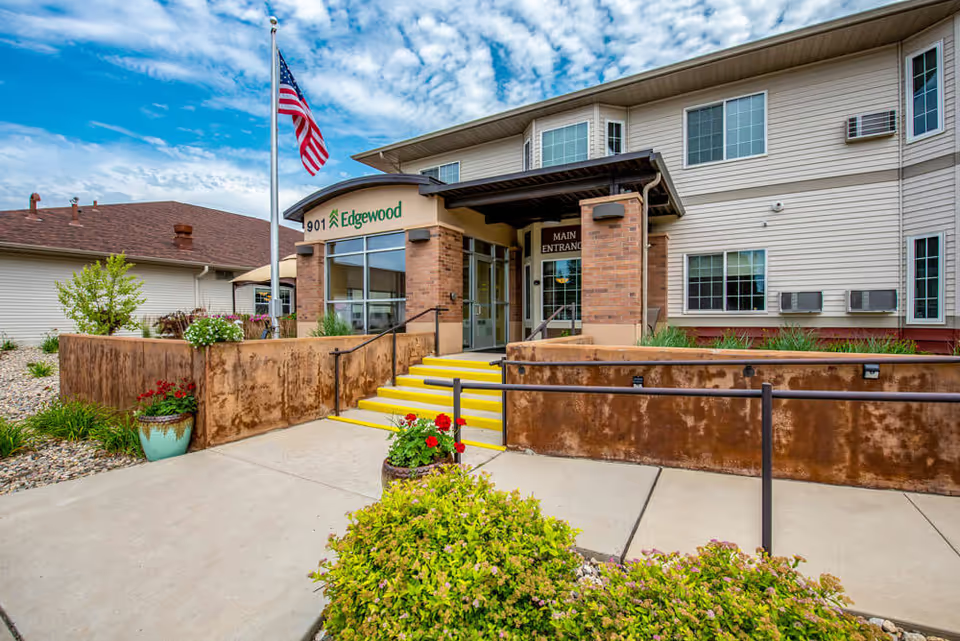
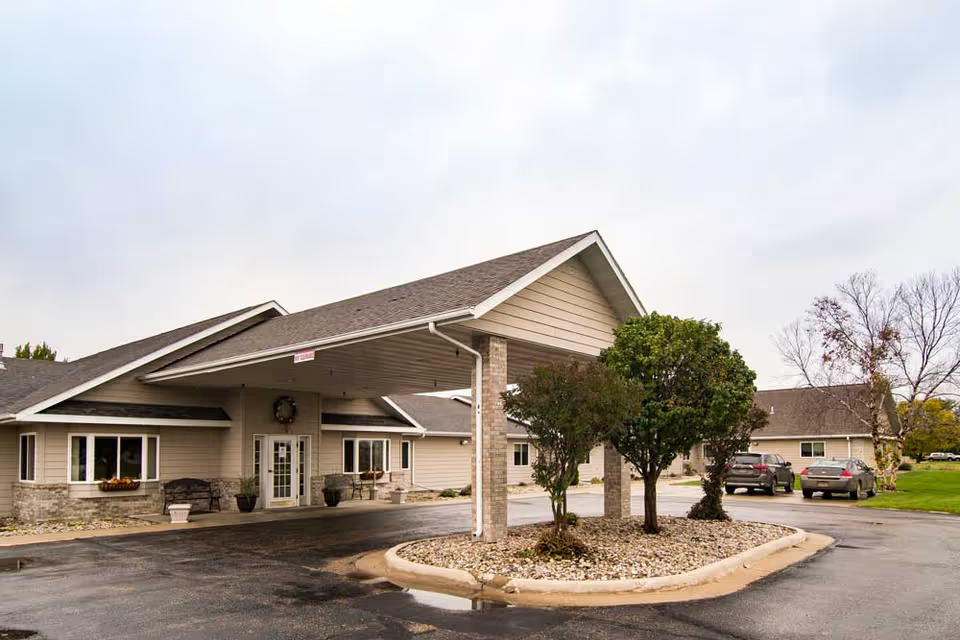
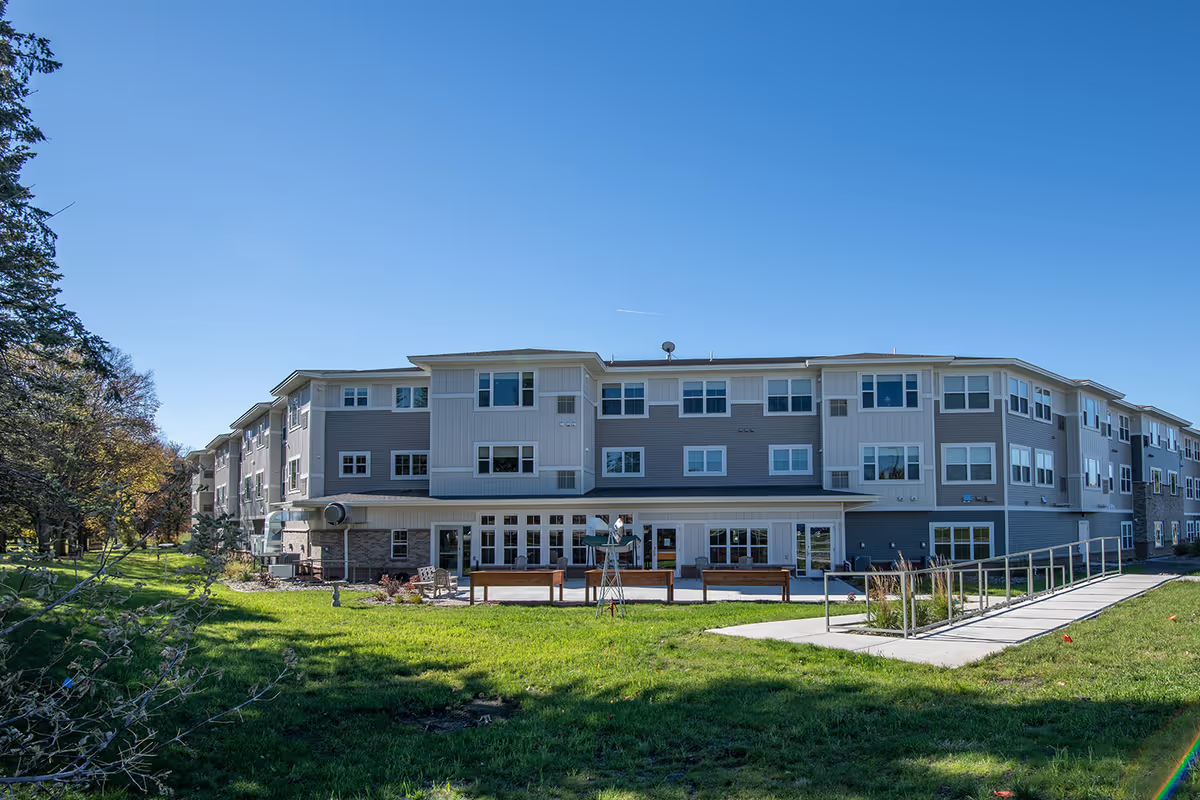
Edgewood Memory Care Watertown presents a mixed but informative profile for families considering memory-care placement. Positive accounts emphasize a lively, social atmosphere and a home-like physical environment that many find less institutional than alternatives. Several families described warm, friendly interactions between staff and residents, and a visible sense of community among residents that supports social engagement. Move-in experiences were often characterized as smooth, and providers such as the nutrition coordinator were identified as accessible points of contact who helped new residents and families settle in.
Day-to-day care at the facility appears adequate for many residents with memory impairment: reviewers highlighted that residents were receiving appropriate assistance and that families felt caregiver relief when plans were working well. Activity programming and communal spaces are perceived as engaging, contributing to an upbeat tone and ongoing social opportunities. Dining coordination and staff involvement in meal-related matters were seen as helpful elements of the care package.
At the same time, a subset of accounts raise operational concerns that prospective families should evaluate directly. These include inconsistent clinical responsiveness and oversight and gaps in executing agreed care plans, which can manifest as unmet expectations after admission. Relatedly, several families expressed frustration with communication and transparency from management, including instances where admission promises were not perceived as honored. There are also concerns about restrictive access controls for the unit and overall trust and monitoring between families and staff—issues that led some relatives to consider additional monitoring measures.
For prospective residents and their families, a targeted tour and focused questions are advisable: ask for specifics about staffing ratios and clinical oversight, written details of what is included in the admission agreement, how care-plan changes are documented and communicated, visitation/access policies for memory units, and mechanisms for family escalation of concerns. Observing mealtimes, activities, and staff–resident interactions in person will help corroborate the facility’s strengths in community and ambiance while probing the consistency of clinical and management practices.