The Waters of Cheatham elicits markedly mixed impressions. Many families and short-term rehab patients praise the facility’s strong rehabilitation program and therapy staff; physical and occupational therapy are repeatedly described as effective at returning patients home. A number of reviewers also highlight compassionate CNAs and nurses, a family-like culture, active engagement programming, and the availability of a full continuum of services including skilled nursing, respite, and hospice care. Several comments describe staff who are responsive to dietary needs and willing to accommodate special meal requests, and some families noted recent management changes that have led to visible improvements.
Alongside these positives, there are consistent operational concerns that prospective families should evaluate. Cleanliness and odor control in resident rooms, hallways, and common areas are uneven; reviewers mention mold or mildew in specific furnishings and a need for more rigorous housekeeping and maintenance. Staffing quality appears variable: while some staff are described as caring and attentive, other accounts point to poor bedside communication, unhelpful responses when concerns are raised, and delays in attending to basic needs. These interpersonal and responsiveness issues extend to clinical situations, where reviewers describe delayed emergency responses and problems with fall prevention and monitoring.
Clinical administration and safety are recurring themes. Several reviewers raised concerns about medication management, including medication-administration competence and control of controlled substances, with at least one reviewer referencing an arrest connected to diversion; families should treat medication policies and inventory controls as priority review items. Wound and skin-care follow-up is another area of concern, with examples indicating inconsistent assessment and treatment. Reviewers also describe gaps in care coordination — missed appointments, high blood-pressure or stroke events requiring ambulance transport — and occasional limitations in on-site equipment and resources for treating higher-acuity needs.
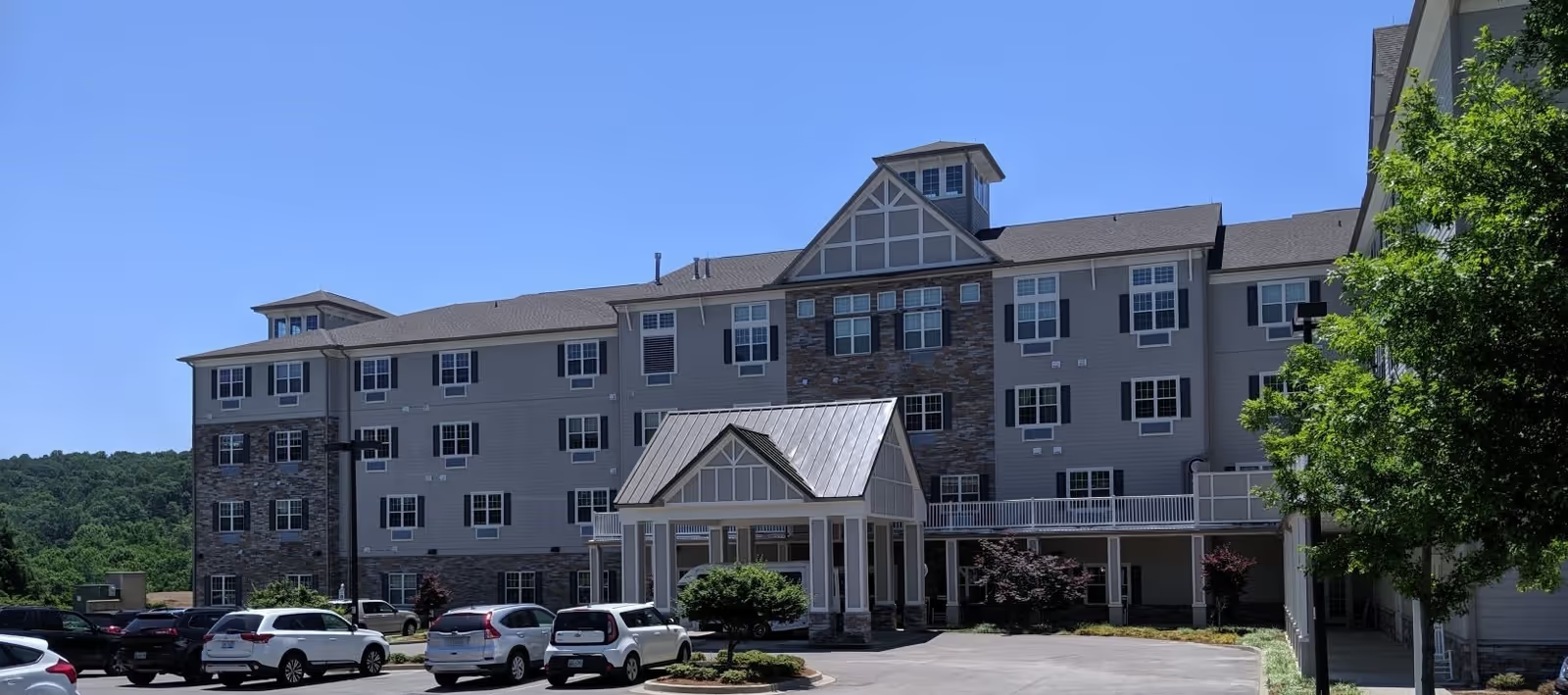
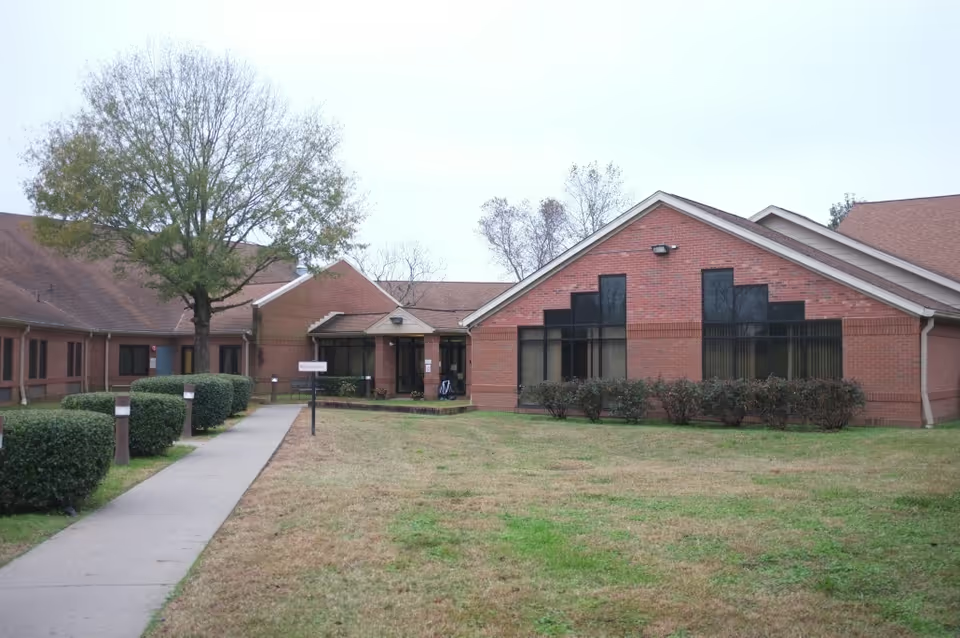
Dining and the physical plant show similar variability. Some residents and families praise meal accommodations and certain positive dining experiences; others report inconsistent food quality and service timing. The building itself is described as pleasant and quiet by some, but aging and in need of renovation by others, with dusty or outdated finishes and areas that would benefit from targeted updates.
Taken together, the pattern suggests a facility with clear strengths in rehabilitation, staff members who provide excellent care at times, and a comprehensive service offering — juxtaposed with operational variability in cleanliness, clinical safety practices, staffing consistency, and facility maintenance. For families considering placement, recommended due diligence includes touring at different times of day, asking for specifics about staffing ratios and recent management changes, reviewing medication-handling and controlled-substance policies, inquiring about fall-prevention and wound-care protocols, and speaking with current residents’ families about daily routines and responsiveness to concerns.