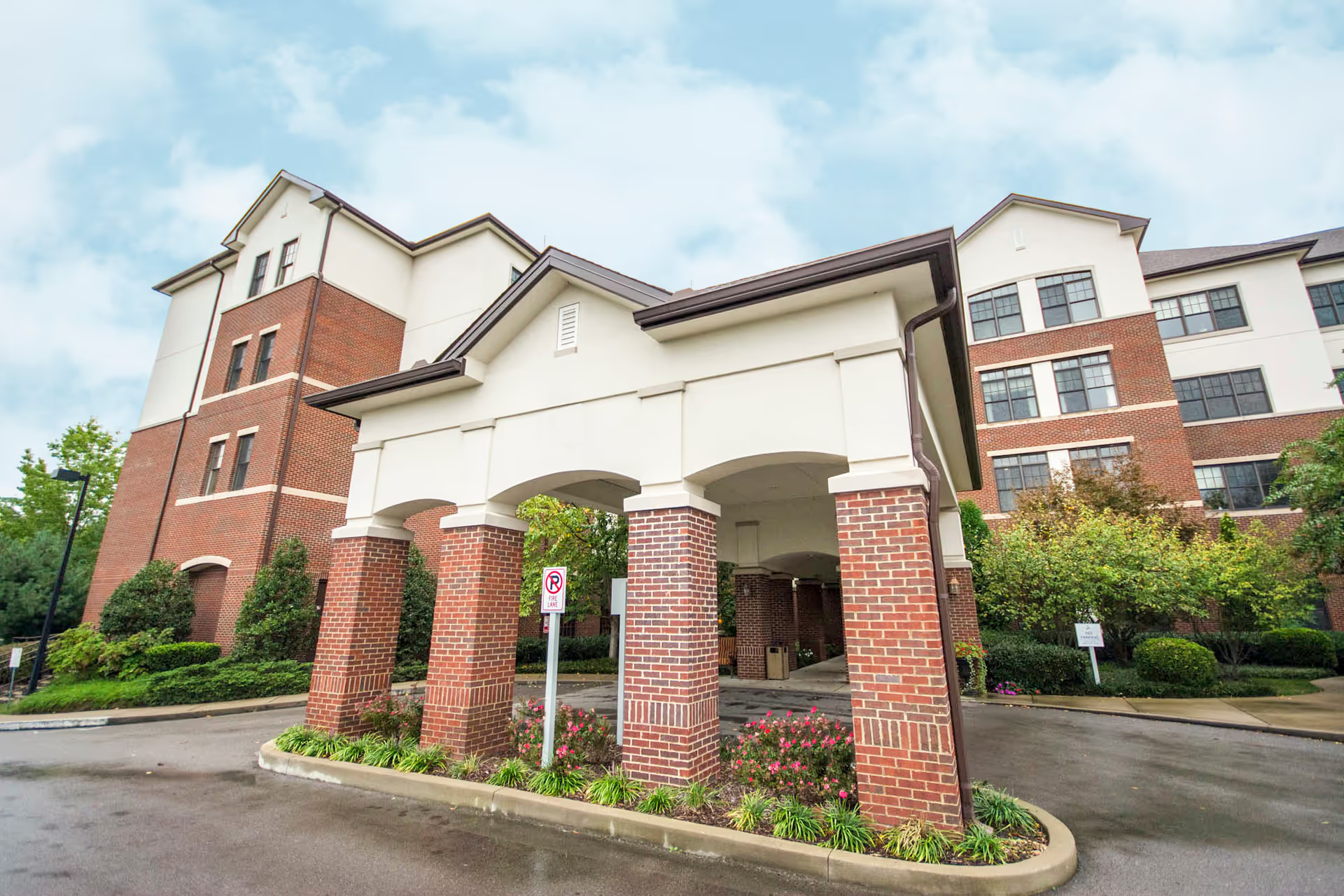
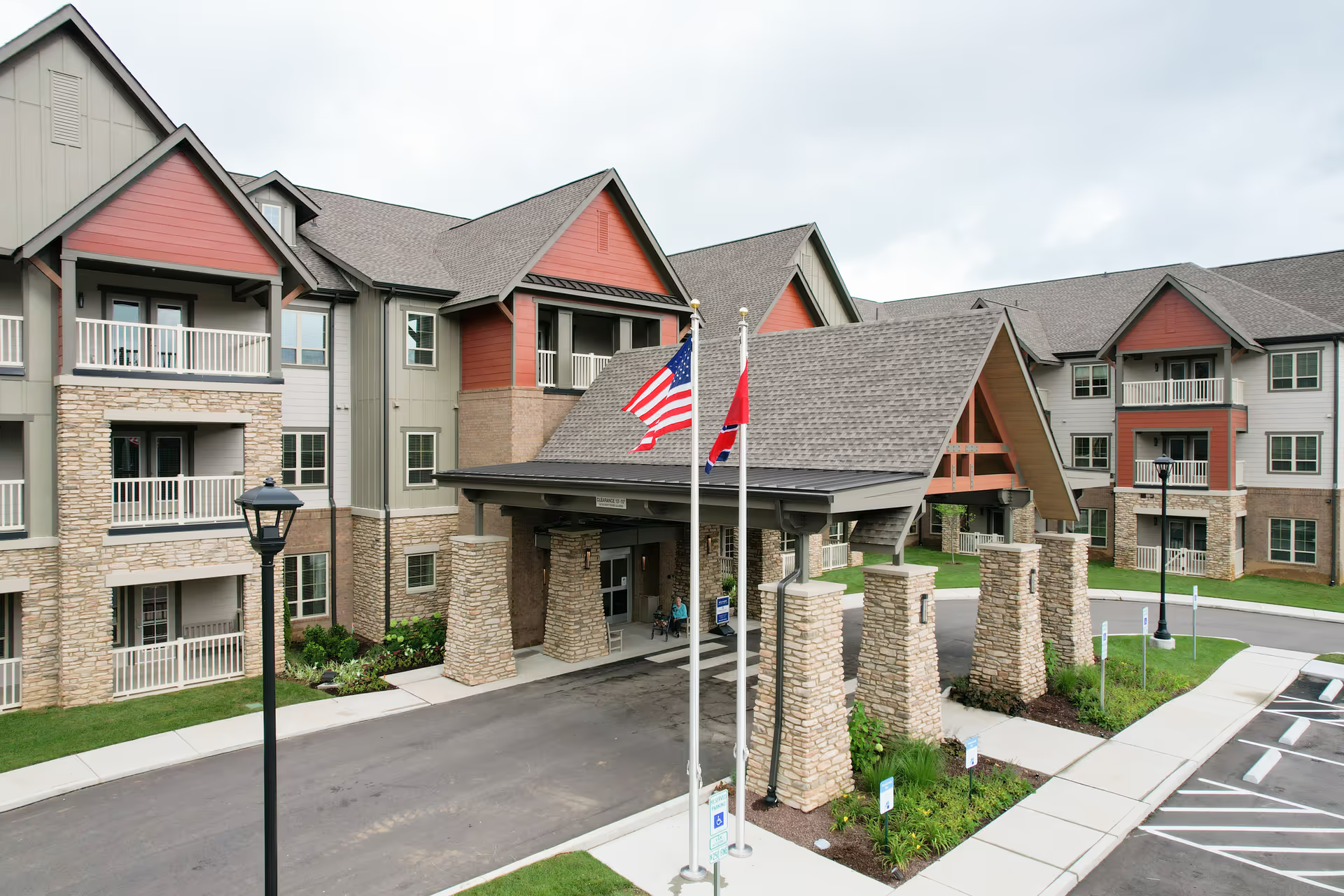
Brookdale Belle Meade presents a mixed but distinct profile: it is a facility with clear strengths in dementia specialization, an attractive physical environment, and many staff who families describe as compassionate and attentive. The community offers 24-hour licensed nursing coverage, dedicated memory-care programs (including branded memory units), person-centered programming, and a range of on-site services such as therapy and a salon. Physical spaces are frequently described as clean, well-maintained, and home-like, with appealing outdoor patios and spacious apartment layouts that provide good natural light and accessibility features.
Care quality and staffing are central to the divergent impressions. Many accounts highlight supportive caregivers, smooth admissions, individualized attention from activity coordinators, and effective transitions between care levels. At the same time, there are repeated operational concerns: staffing consistency and turnover, especially during evenings and weekends, appear to affect supervision and responsiveness. Review-derived themes include uneven staff training in some shifts, gaps in nighttime monitoring, and weaknesses in medication-administration controls. These operational issues are paired in some accounts with delayed or inconsistent responses from safety systems such as call buttons and alarms.
Dining and daily living experience are similarly mixed. The community provides three meals a day plus snacks and dessert options; some reviewers praise well-balanced meals and skilled kitchen staff, while others describe inconsistent food quality, overcooking, and cold service. Meal logistics are another theme: limited in-unit kitchen facilities, assigned seating, having to walk between buildings for dining, and occasional add-on charges for services or deliveries were noted as limitations that affect convenience and perceived value.
Activity programming is a highlighted strength in many descriptions: varied calendars, personalized engagement by activity coordinators, community outings, cognitive-stimulation games, and structured physical programs such as Movement Is Medicine and reminiscence sessions. However, a subset of feedback points to uneven quality in memory-care activities—examples include minimally engaging exercise offerings or limited stimulation for residents with advanced needs—indicating variability by unit or staff leadership.
Facility condition and management practices present a combination of positives and caveats. The property is often described as clean, attractive, and well cared for, with some newer or recently updated areas; elsewhere reviewers mention aging elements, occasional maintenance issues, limited outdoor walking areas, and constrained parking. Management is characterized in many cases as responsive and communicative, but there are recurring notes about inconsistent leadership, hierarchical dynamics, and concerns about upselling or inflexible billing practices. A small number of serious interpersonal concerns—including allegations of inappropriate or discriminatory staff conduct—appear in the feedback and point to the need for vigilant HR and supervisory oversight.
Overall, Brookdale Belle Meade may be a good fit for families prioritizing a dementia-specialized environment, personalized activities, and a clean, attractive campus with licensed nursing availability. Prospective residents and families should, however, assess shift-by-shift staffing, confirm safety-system performance (call buttons/alarms), review medication-management policies, and clarify meal logistics and extra fees. Visiting at different times of day and speaking with unit-level staff and the clinical team can help determine whether the operational consistency aligns with a family’s expectations for supervision, clinical oversight, and daily living accommodations.