Belmont Village Senior Living Green Hills is characterized by strong programming, an upscale dining focus, and an engaged staff culture. Many families and residents praise the compassionate, attentive staff who frequently learn residents' names and provide supportive social engagement. The community emphasizes memory-care programming—most notably the Circle of Friends model and other research-backed cognitive activities—which reviewers credited with providing structured stimulation for early-to-moderate cognitive decline. On-site therapeutic services, salon and wellness amenities, housekeeping and laundry, transportation to appointments, and pet-friendly outdoor areas are further strengths that shape a resort-like environment for many residents.
Dining and activities are central selling points. The community offers chef-led menus, daily specials, and a formal dining room experience that several reviewers called excellent. A broad calendar of activities—live music, arts and crafts, exercise classes, bingo, outings and holiday events—contributes to a socially active resident population. That said, some families found day-to-day menu options less appealing for particular dietary or post-stroke preferences, and others noted that activity access can be constrained for residents with sensory impairments or aphasia. Reviewers also observed a difference in activity quantity and space between assisted living and memory-care units; memory-care areas were described as having fewer activities and more limited communal space.
Care quality and staff performance show a mixed but generally positive pattern. Many reviews highlight individualized attention, effective medication management, and helpful coordination with hospice or outside providers. Conversely, there are recurring operational concerns: variability in staffing levels and turnover, episodic delays in responding to call buttons, and inconsistent dementia-care competence on certain shifts. Some families described decisions to transfer residents to higher levels of care or to hospitals that they considered unnecessary, suggesting uneven clinical decision-making protocols. Reviewers also raised sanitation concerns in some apartments and memory-care areas and reported occasional delays in incontinence-related support; these accounts point to inconsistent execution of routine care processes rather than a uniform facility-wide condition.
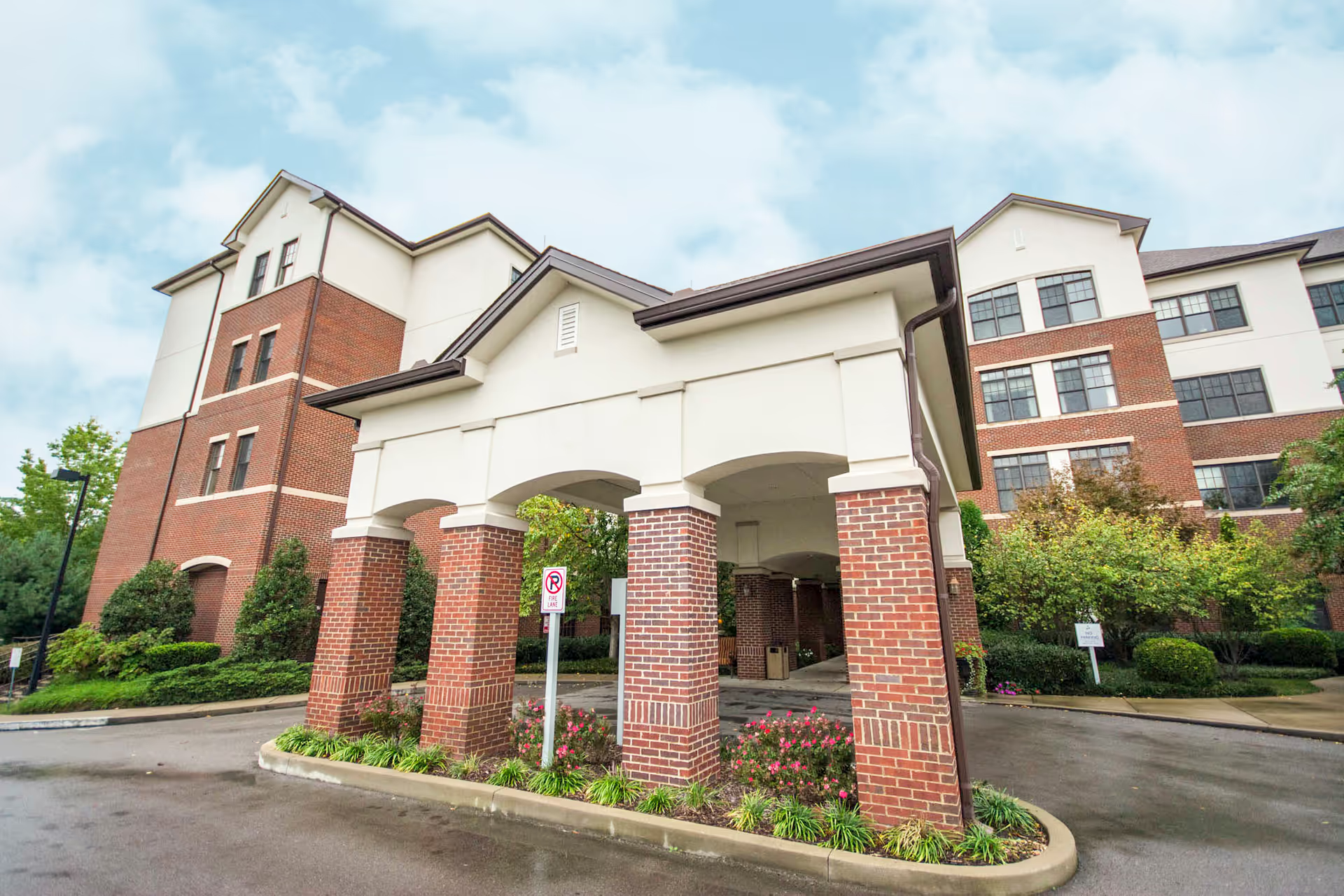
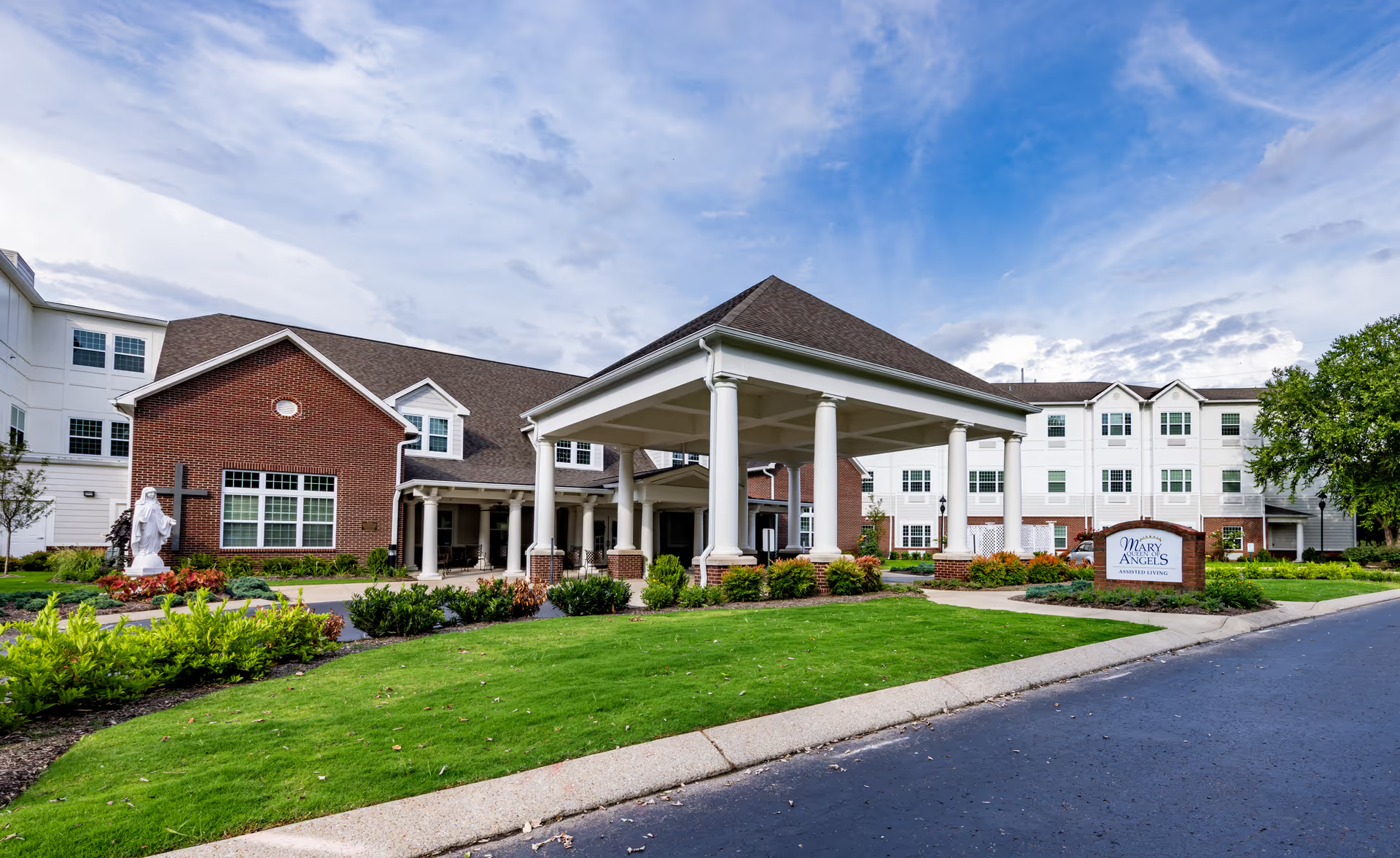
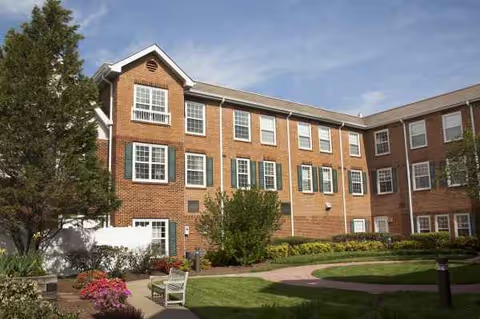
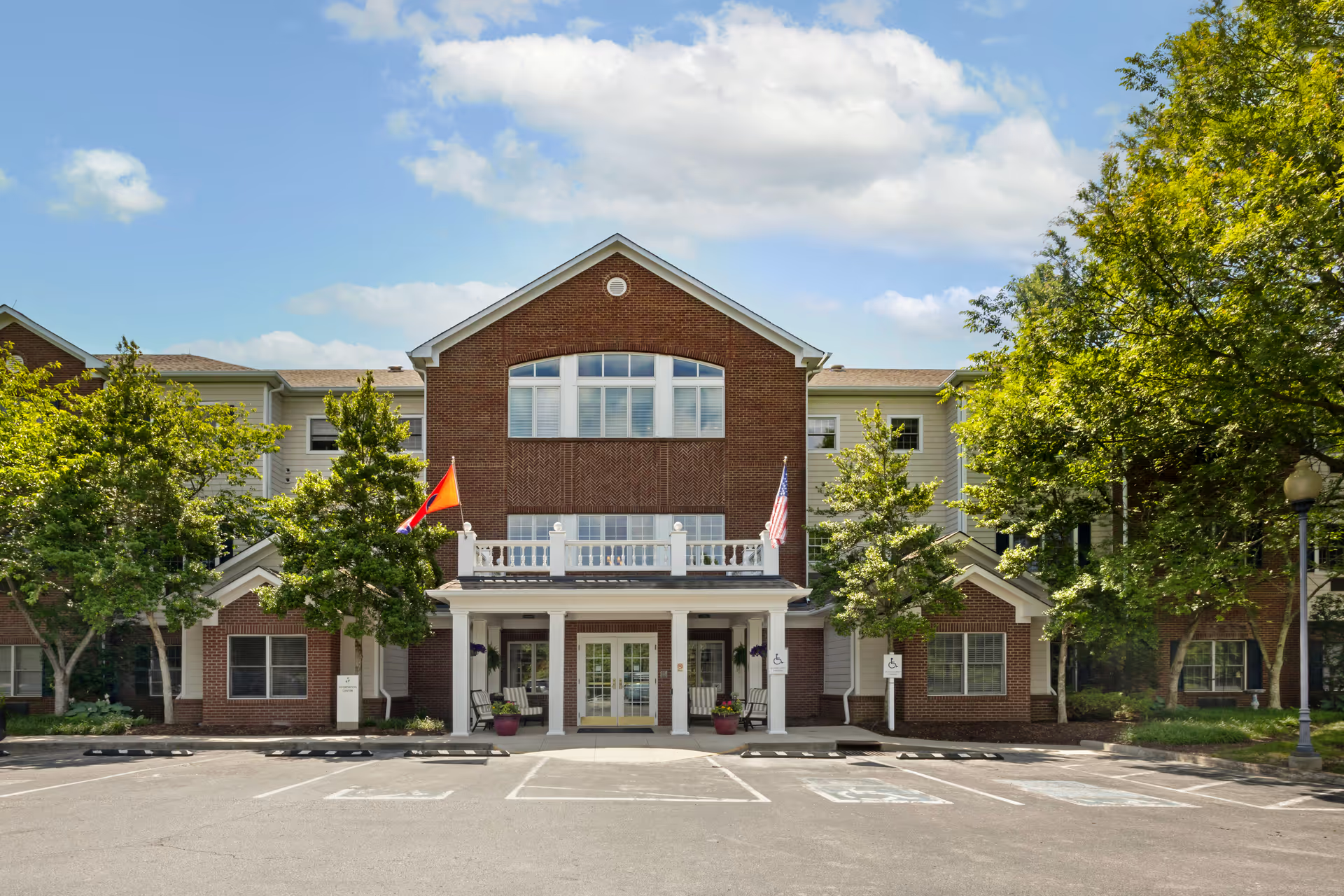
Facility and management themes are also mixed. The physical plant is often described as clean, attractively decorated, and well-maintained, with private apartment-style units, fenced pet areas, gardens, and useful amenities. At the same time, reviewers frequently mention cramped dining or common spaces in parts of the community, parking and site congestion, and variability in housekeeping detail. Management receives praise where executive staff were responsive and helpful during move-in or when families raised concerns, yet there are repeated comments about billing opacity, unexpected rate changes, and occasional bait-and-switch pricing perceptions. Communication gaps between shifts and occasional breakdowns in family communication were also noted.
In summary, Belmont Village Green Hills is a strong option for families seeking an upscale, program-rich community with a well-regarded memory-care model, robust social programming, and attentive front-line staff—provided the cost aligns with family budgets. Prospective residents and families should perform targeted due diligence: tour memory-care common areas during activity periods, ask for detailed explanations of staffing ratios and call-response protocols, review contract and billing terms carefully (including post-move pricing policies), inquire about training and supervision for dementia-care staff, and confirm sanitation and property-security procedures. These steps will help determine whether the facility’s operational variability aligns with a family’s expectations and care needs.