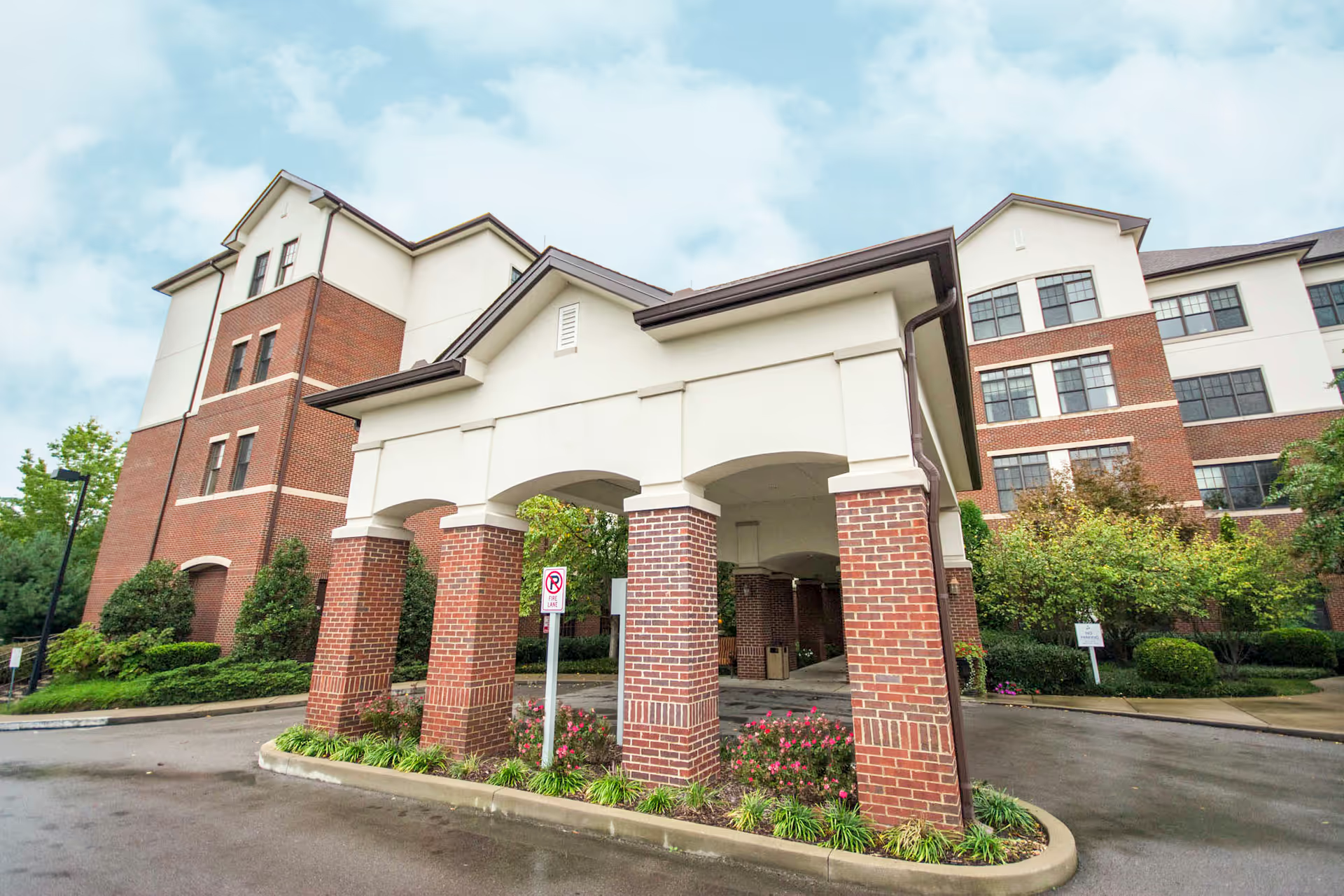
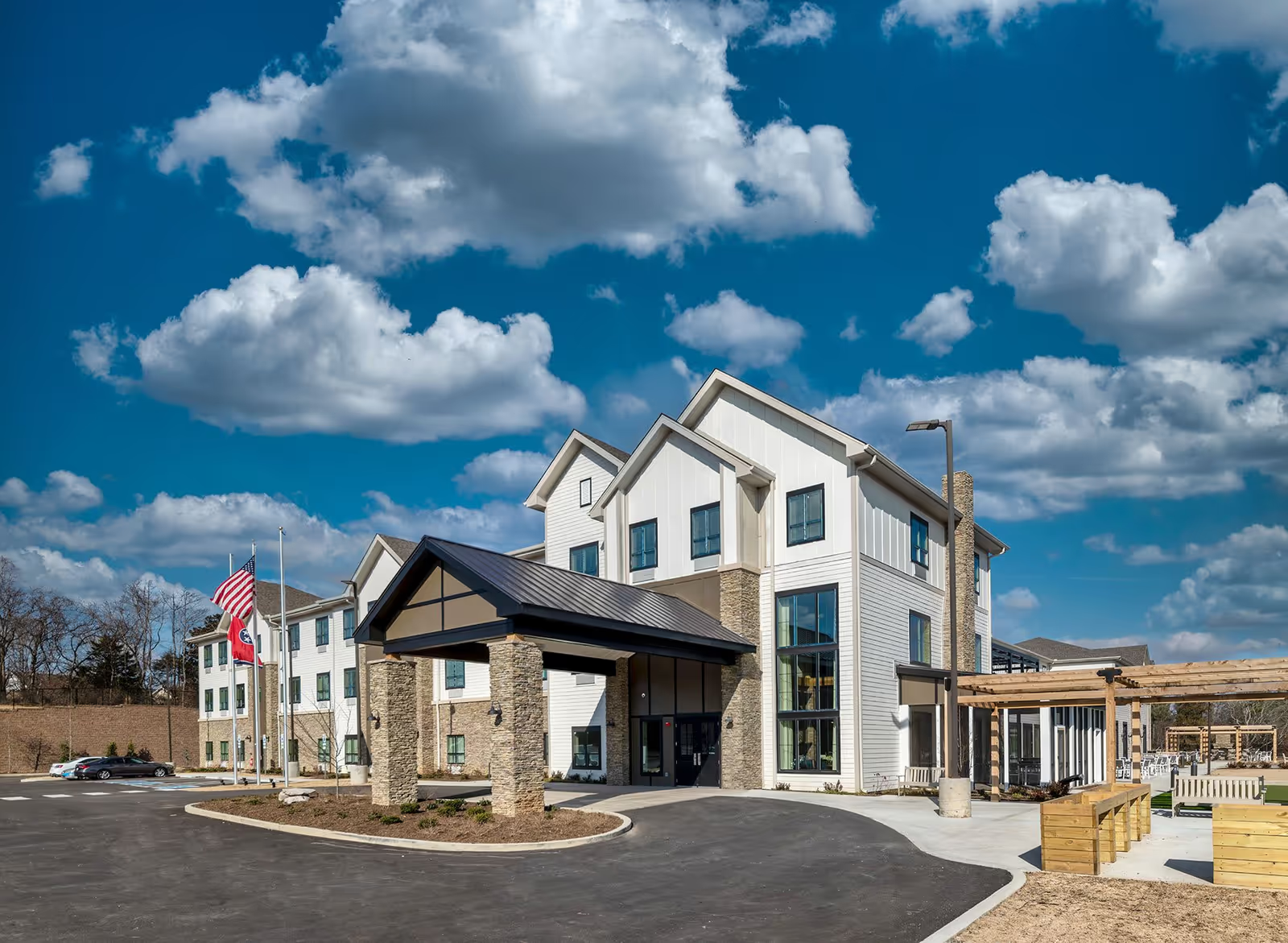
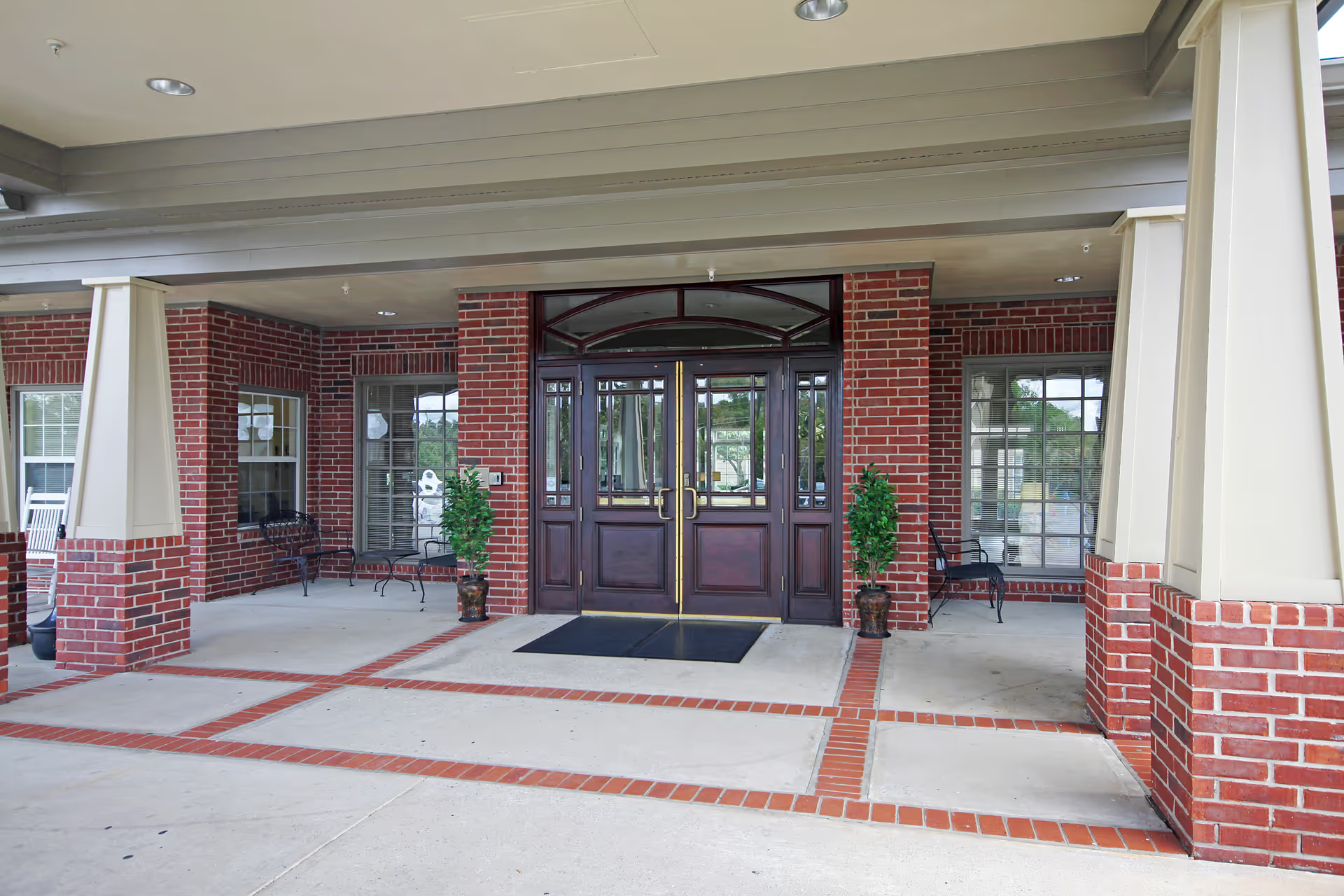
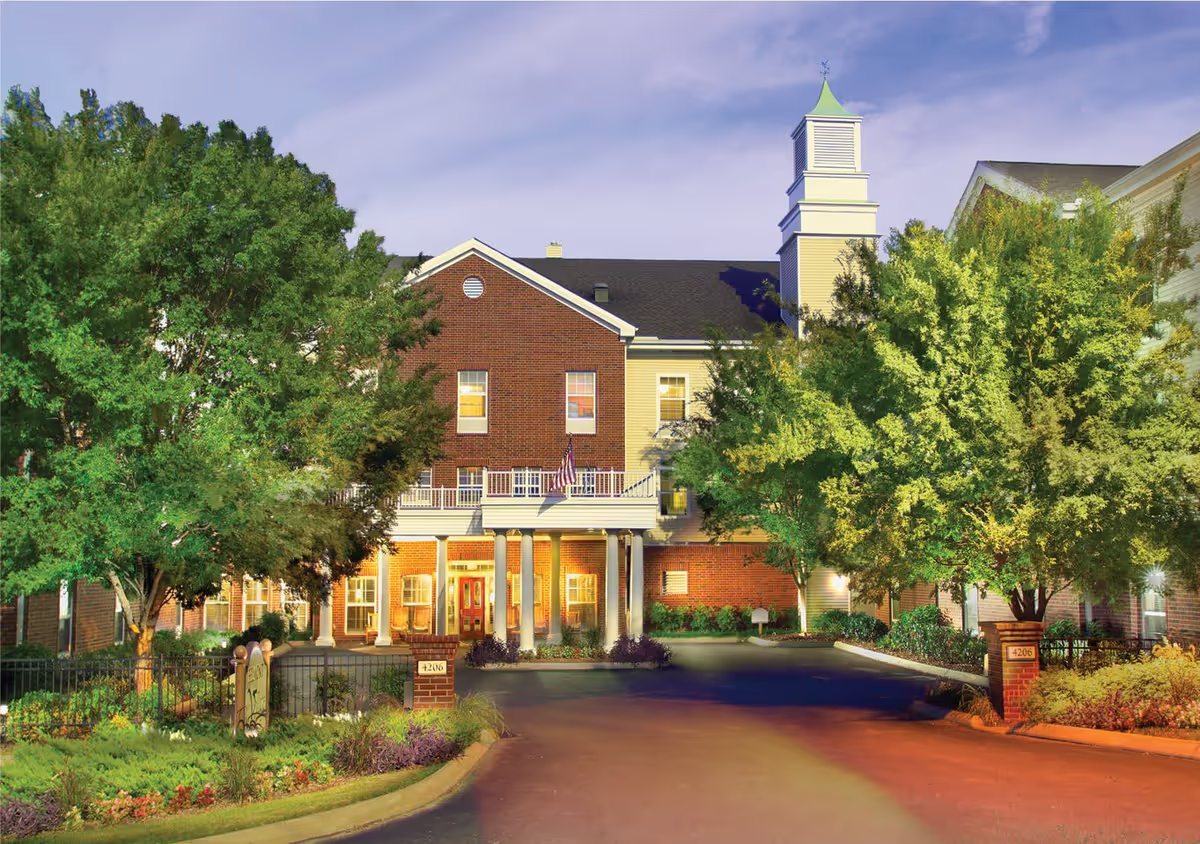
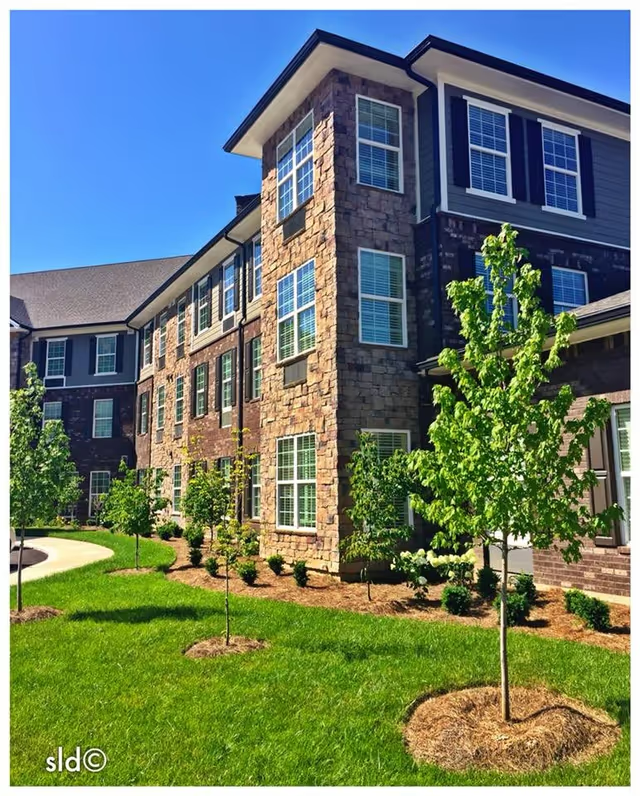
Overview The Rivers at Maryland Farms presents as a well-appointed, recently renovated senior living community with many hotel-like features: a concierge/front desk, bright common areas, elevator access, in-room emergency pendants, fall-detection and motion monitoring, and apartment-style units with kitchenettes. Many families praised the physical environment, ongoing upgrades, and an active community atmosphere that supports socialization and outings.
Care and staff Direct-care staff and caregivers receive frequent, often strong praise for compassionate, hands-on attention. Several reviews describe effective day-to-day care, good relationships between staff and residents, cooperation with hospice and end-of-life needs, and individualized attention from activities and leadership team members. At the same time, a recurring operational pattern is high staff turnover and periods of understaffing. That pattern is linked in reviews to inconsistent medication administration, missed or delayed treatments on some shifts, and variable night-shift practices. A number of families described medication-management inconsistencies (including patch/dosing control issues) and concerns about after-hours responsiveness; these are salient operational risks that prospective families should evaluate during tours and admissions conversations.
Dining and activities Dining is often a strength: reviewers commonly note restaurant-style service, diverse menus, scratch-made options, and enthusiastic dining and culinary staff. However, there is variability in meal quality related to kitchen staffing and turnover; some families reported repetitive menus or individual meals that missed diet requirements when kitchen staffing was constrained. Activities are also highlighted positively — plentiful daily offerings, exercise classes, games, music, Wii and technology areas, and regular outings on the community bus. That program creates an engaged environment for many residents, though some accounts indicate reduced activity variety during staffing shortages and periods of leadership turnover.
Facilities and services The facility's physical plant, renovations, and housekeeping were generally described as clean and attractive, with specific praise for remodeled lobbies, large porches, and well-kept common rooms. On-site therapy and medical services, accessible design, and safety monitoring systems were noted as value-adds. Conversely, maintenance response times and housekeeping thoroughness were flagged as inconsistent in some reviews. Reviewers also noted traffic and parking safety as a practical consideration given the location.
Management, billing, and transitions Management impressions are mixed. Many families singled out individual leaders and staff for strong communication and responsiveness; others experienced difficulties with corporate-level communication, frequent management changes, and the transition after a sale from family ownership to a corporate operator. Billing transparency and pricing changes are a recurring concern: there are multiple references to rent increases, extra charges for medications or services, and unclear fee structures. Admissions and onboarding experiences were sometimes described as oversold or lacking in orientation and follow-through, including integration into activities and clarity about after-hours contact points. Memory-care transitions drew attention as an area where policies and placement decisions can be inconsistently implemented.
Notable patterns and guidance Overall, the Rivers at Maryland Farms offers many amenities and strong caregiver relationships that satisfy numerous families, especially where staffing is stable and leadership is engaged. Simultaneously, the pattern of staff turnover, occasional clinical and medication-administration inconsistencies, kitchen staffing impacts, and management/billing communication gaps appear frequently enough to merit targeted questions during the decision process. Prospective residents and families should: (1) ask for current staffing ratios and staff tenure data for the unit of interest, (2) review medication-administration protocols and error-prevention measures, (3) request a current sample menu and kitchen-staffing plan, (4) clarify all fees and expected increases in writing, and (5) meet the activities team and observe a program day if possible. These steps will help determine whether the community’s strengths align with an individual resident’s clinical needs and expectations for transparency and operational reliability.