Canterfield Senior Living elicits strong, mixed impressions. Many families and residents praise the facility’s modern, hotel-like environment, ample natural light, and well-appointed common areas. The community’s activity program, regular celebrations, outings, and opportunities for social connection are described as robust and contribute noticeably to resident wellbeing. Multiple reviews highlight compassionate, attentive caregiving staff and an engaged nursing presence; several accounts also commend individualized care plans, on-site therapy services, and leadership figures who are visible and personally involved.
Clinical care is described positively in many accounts, with some reviewers noting thoughtful medical management and responsive nursing. At the same time, there are recurring operational concerns that affect clinical reliability: reviewers describe inconsistent medication administration and delays, turnover among nursing leadership, and uneven staff coverage that can translate into slower responses or reduced resident interaction on certain units. There are also references to fall events and mixed experiences with monitoring and follow-up; these suggest variability in transfer, supervision, and fall-prevention practices across shifts.
Dining and housekeeping receive both praise and critique. The food environment is often called pleasant and the kitchen staff appreciated, but other comments point to variability in meal quality, portioning, and beverage/snack availability. Housekeeping and room-level cleaning are generally viewed positively in public areas, yet some families identified lapses in room-level sanitation and carpet care. Laundry and personal-item management have been identified as an operational weakness for some residents, indicating gaps in property controls and follow-through.
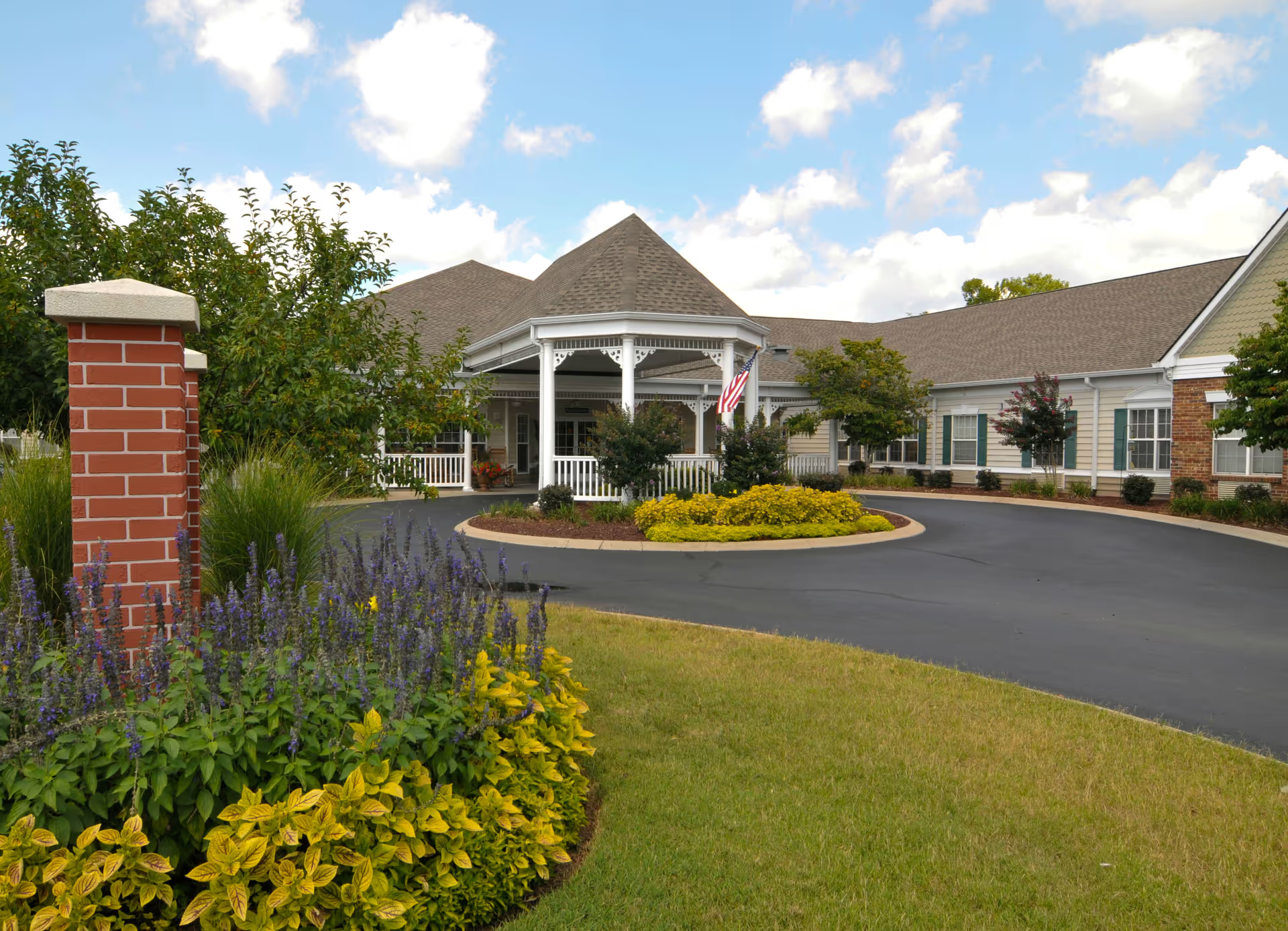
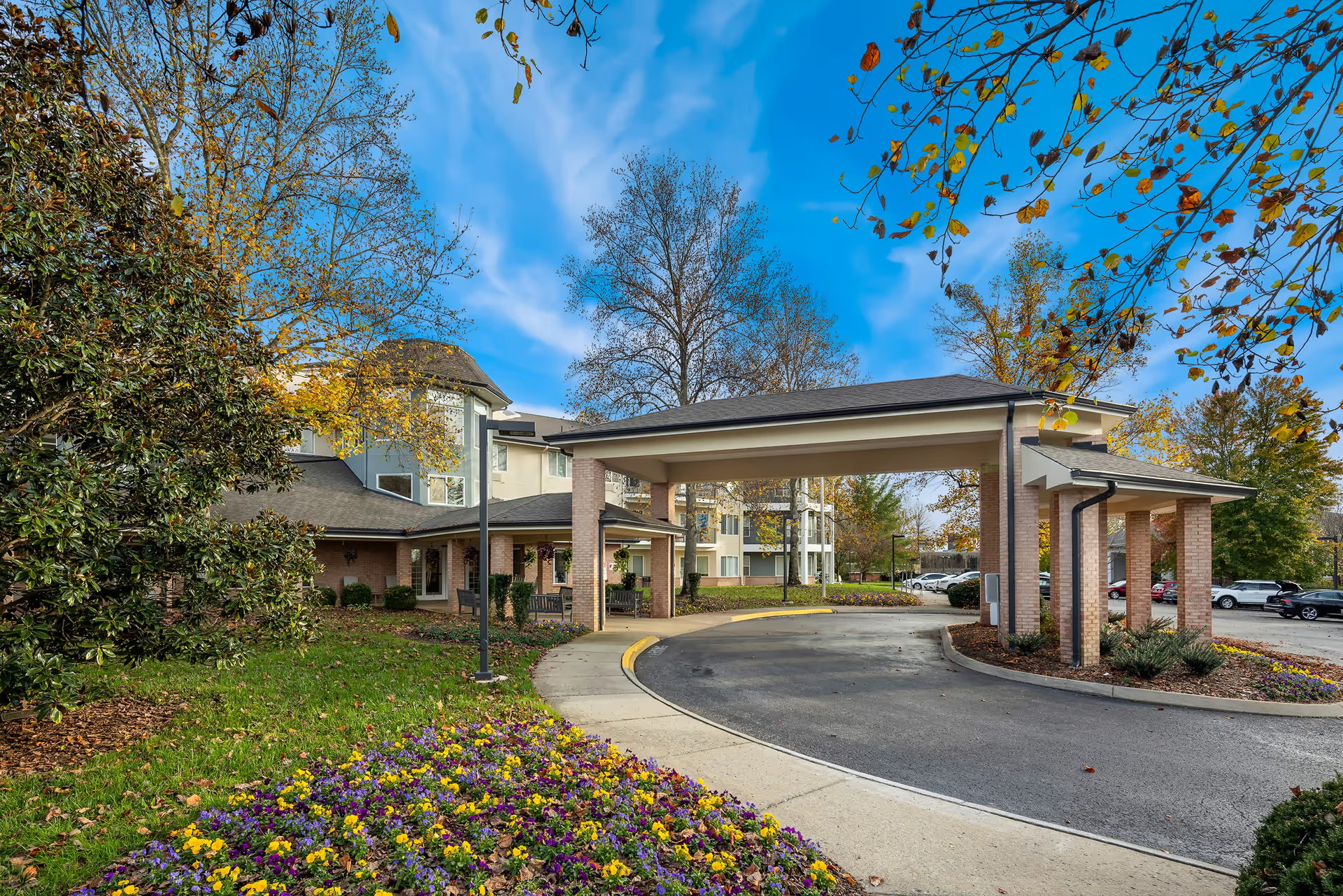
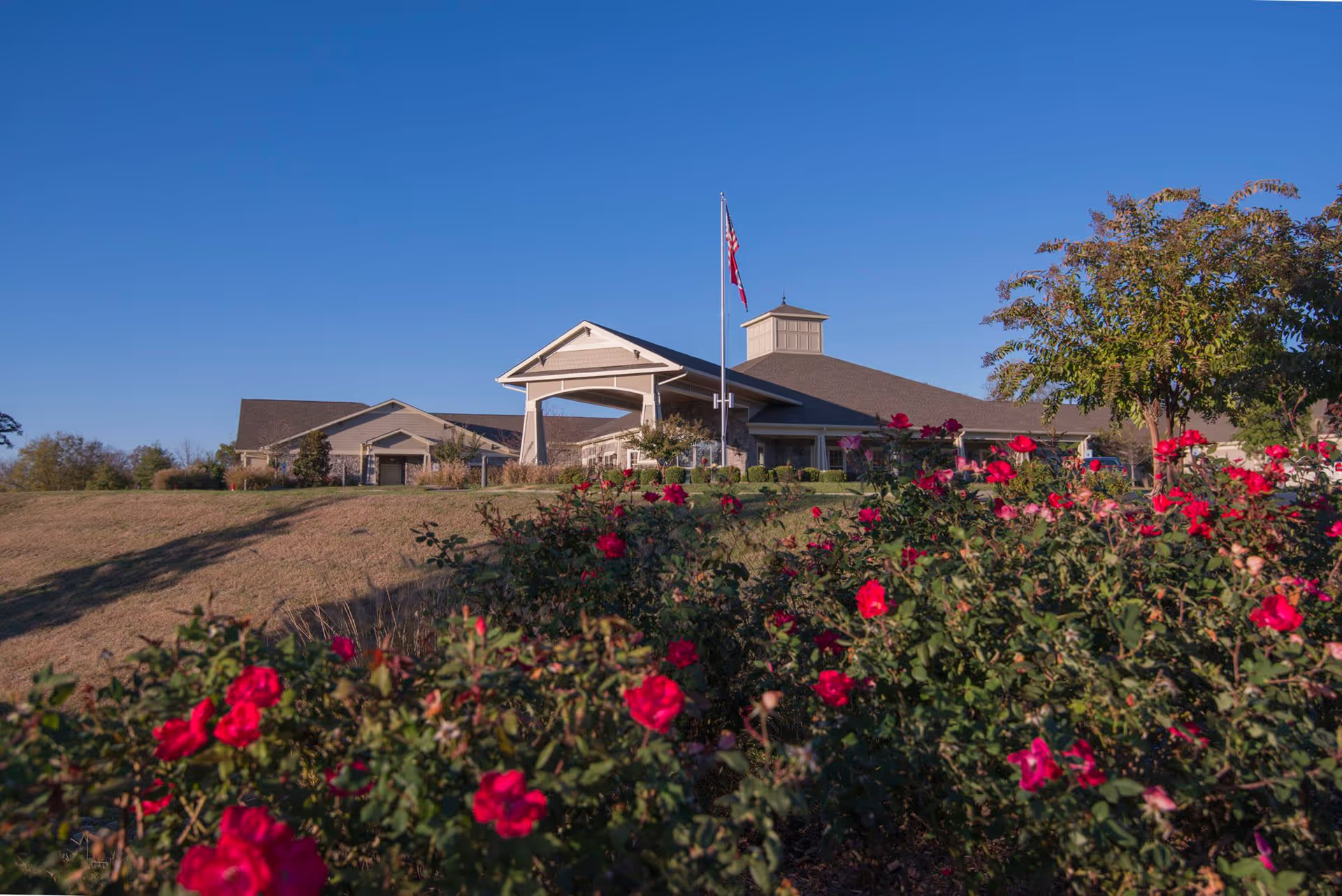
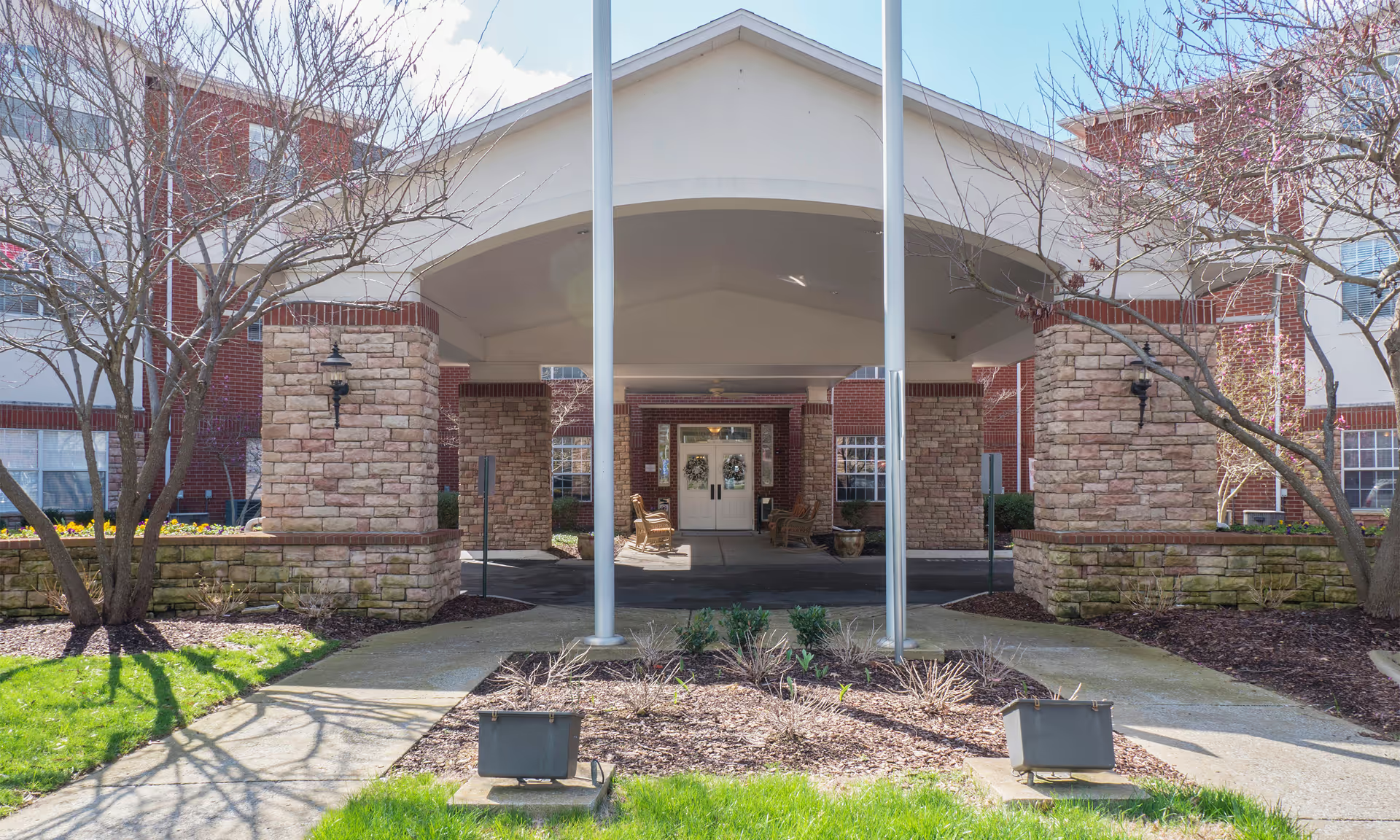
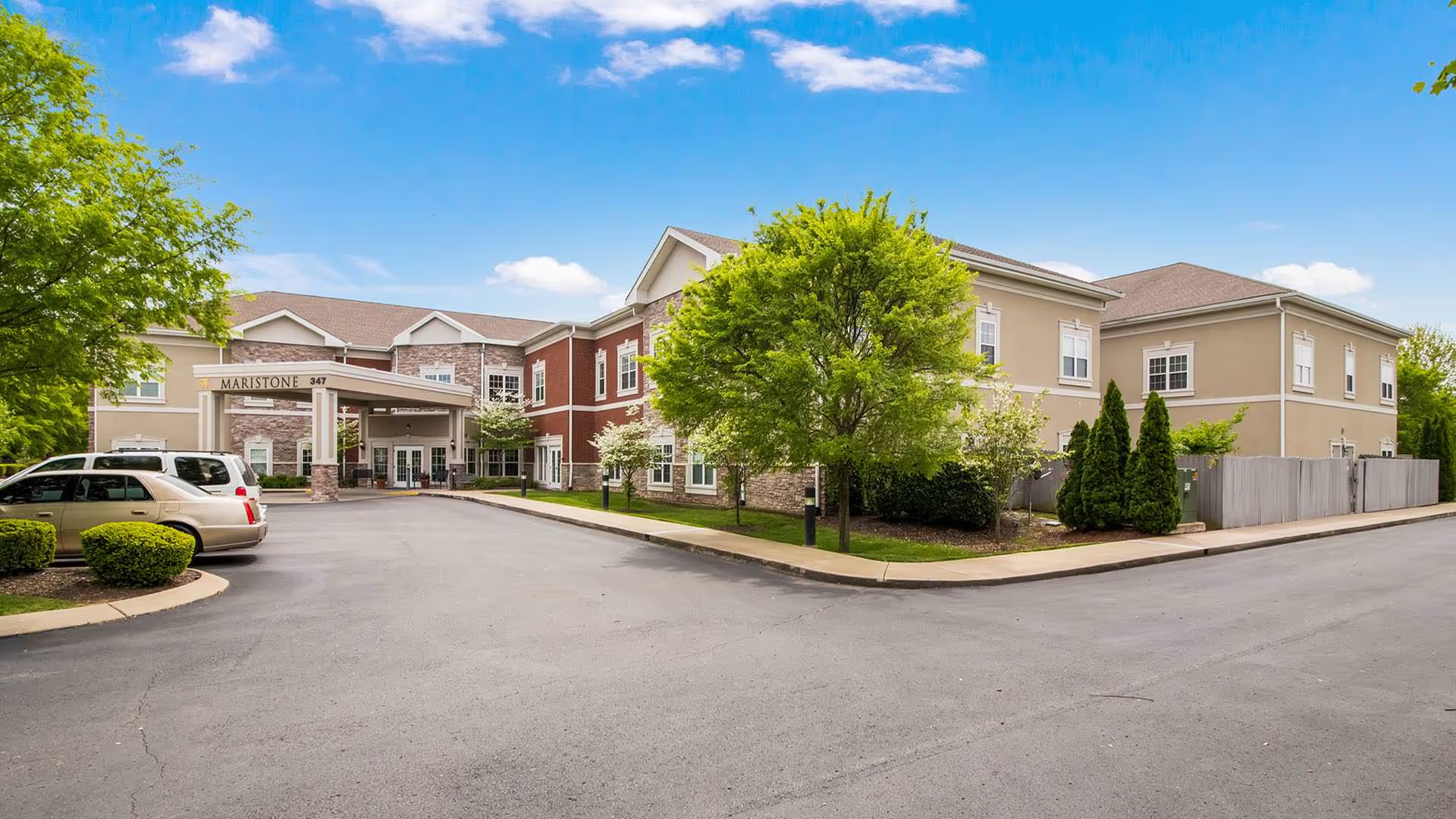
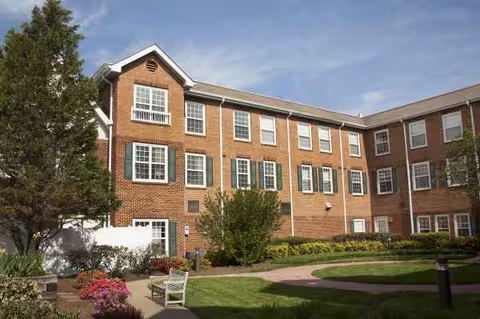
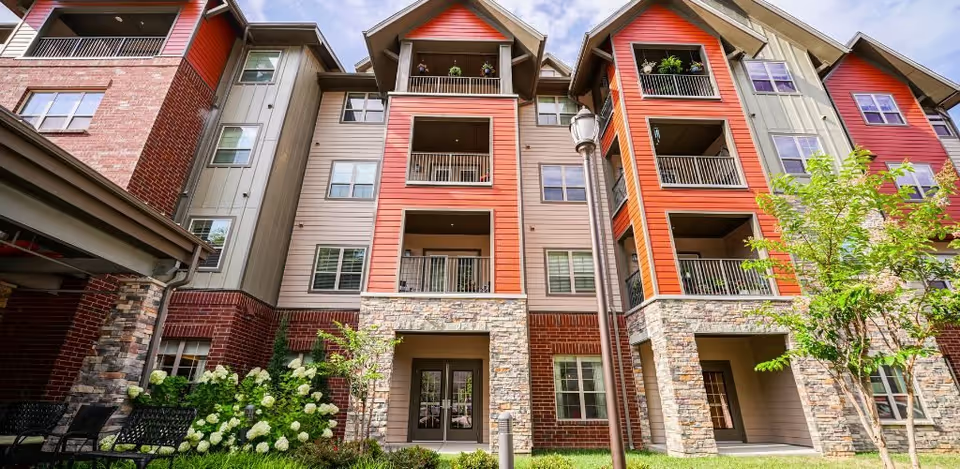
Facility amenities and aesthetics are frequently cited as strengths: new construction, attractive furnishings, activity rooms (crafts, card room, beauty shop), landscaped outdoor spaces, and a bright physical environment. However, a few notes describe inconsistent maintenance and a location on a busy street that may affect convenience or noise for some residents. Security and access-control concerns are present in the record; these range from unlocked access points to more specific break-in incidents, indicating a need for clearer and more consistent building security practices.
Management and communication show a split pattern. Many reviewers praise accessible directors, responsive admissions staff, and emotionally supportive efforts by management during transitions. Conversely, other families describe slow or uneven leadership responsiveness, limited after-action communication (for example, no formal report after an incident), and variability in transparency around infection-control testing. These mixed experiences point to inconsistency in administrative follow-through rather than a uniform practice.
Overall, Canterfield offers a well-appointed, socially active community with many examples of devoted staff and family-centered care. Prospective residents and families should weigh those strengths against operational variability evident in staffing consistency, medication processes, housekeeping follow-through, meal-service continuity, security controls, and communication practices. When considering placement, it may be helpful to ask specific questions about current staffing levels, nursing leadership tenure, medication-administration protocols, recent sanitation audits, security measures, laundry procedures, and family-communication plans to gauge how the facility’s day-to-day operations align with individual needs and expectations.