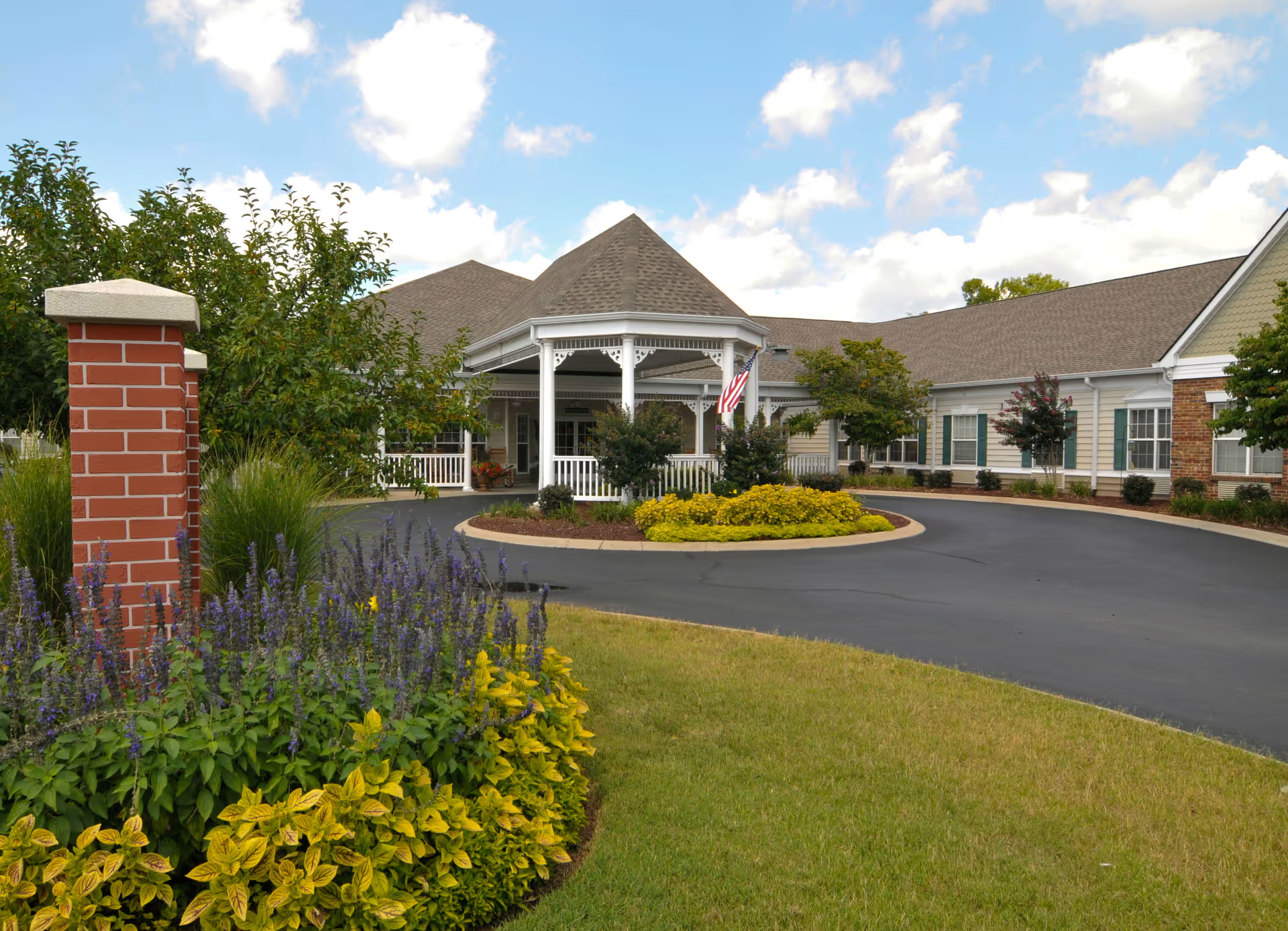
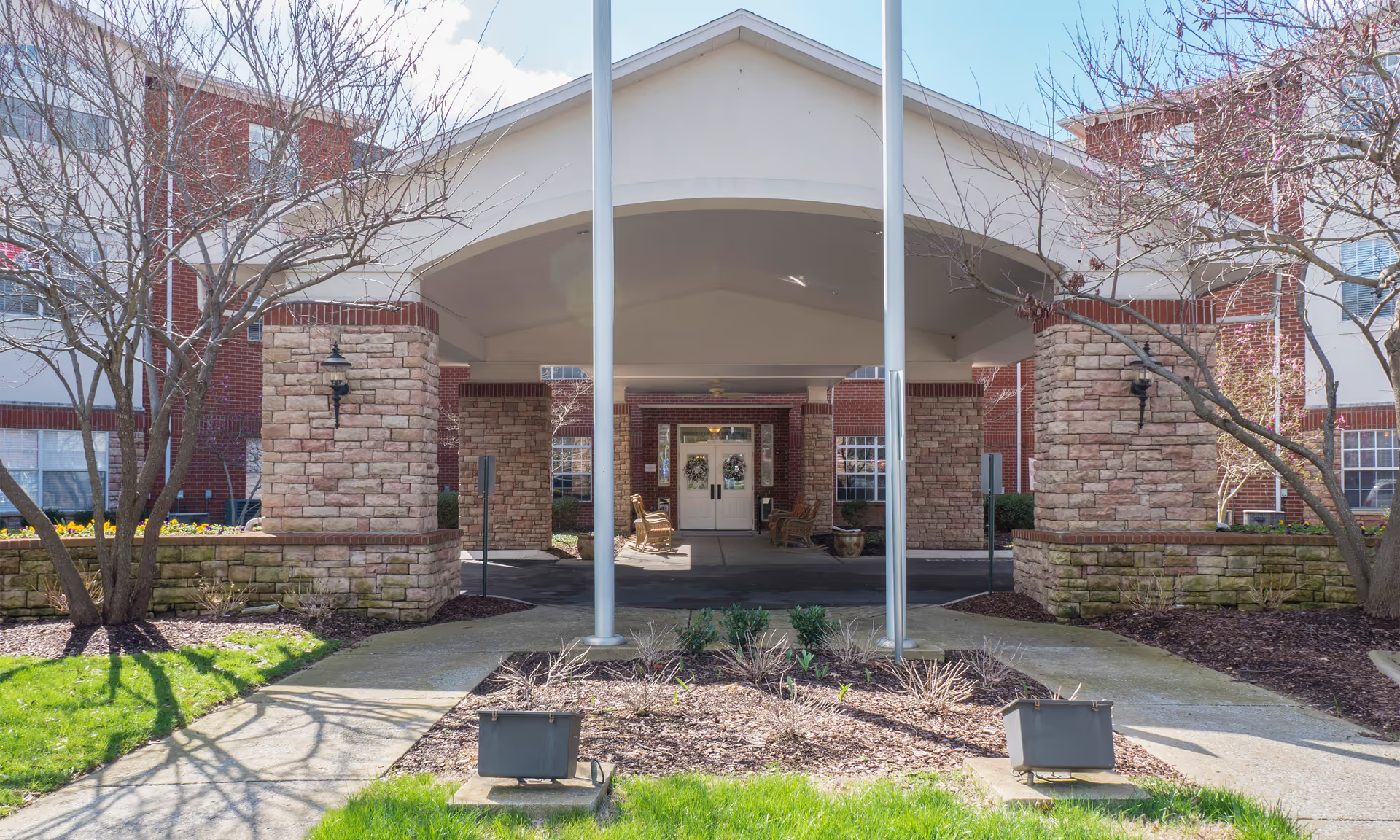
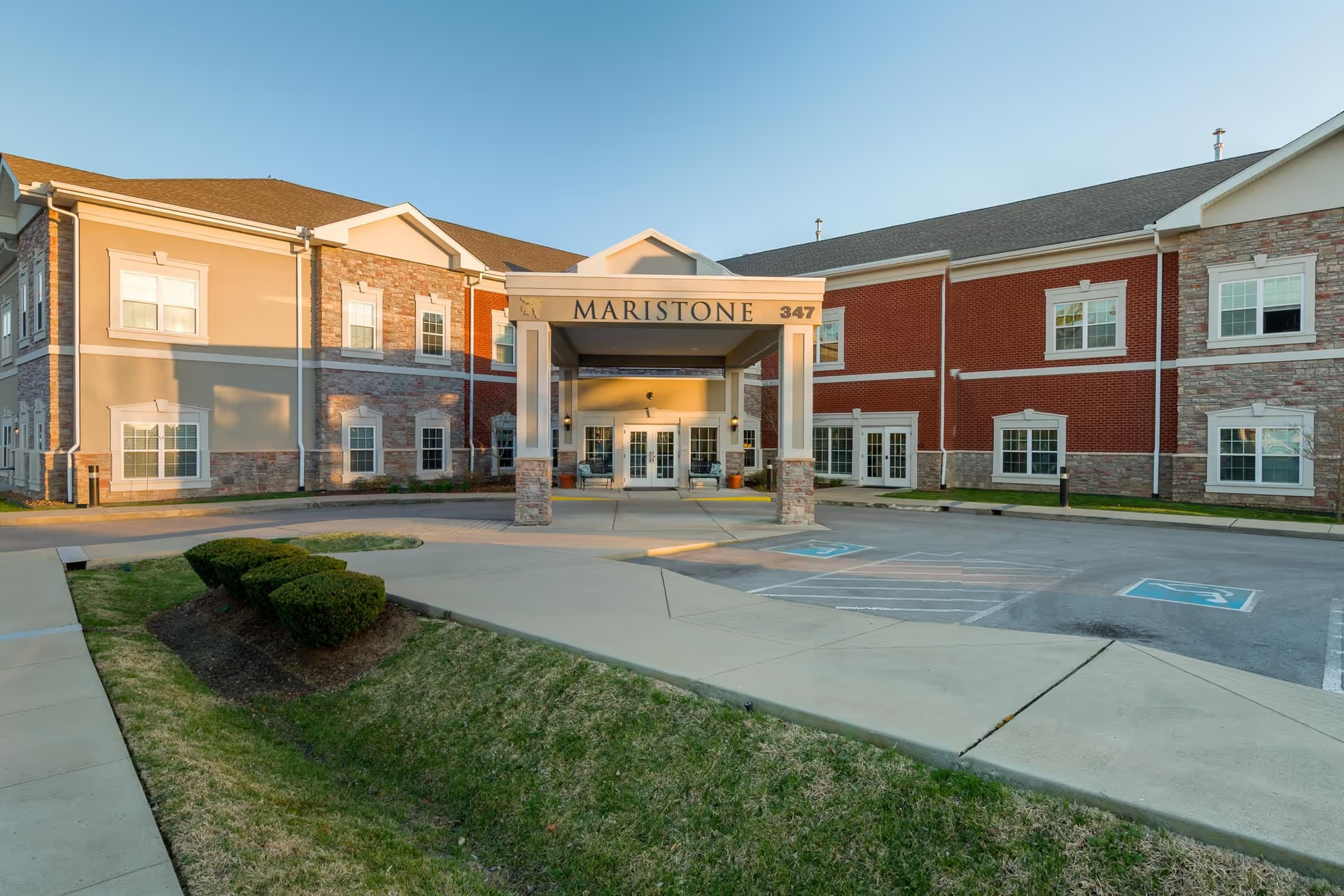
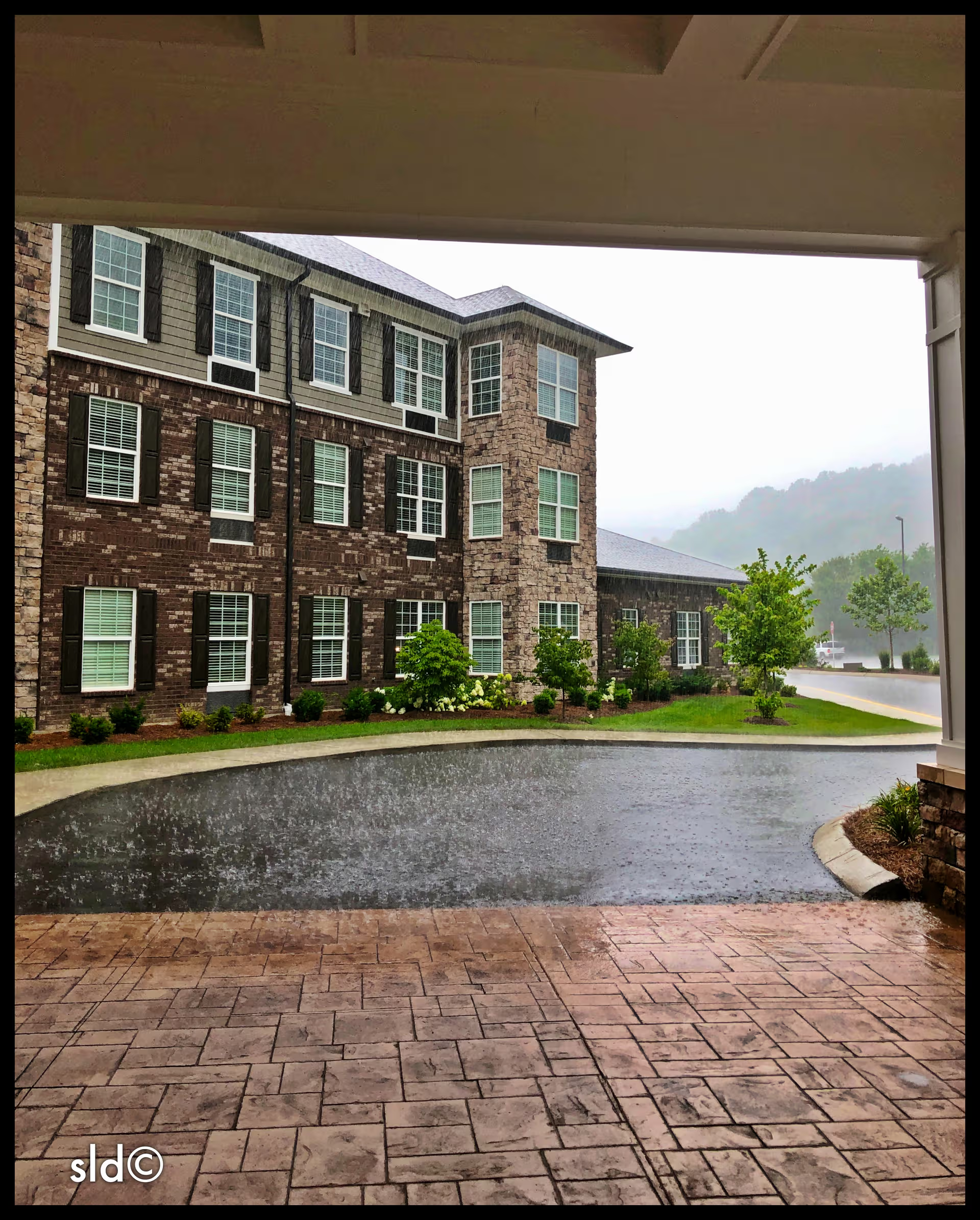
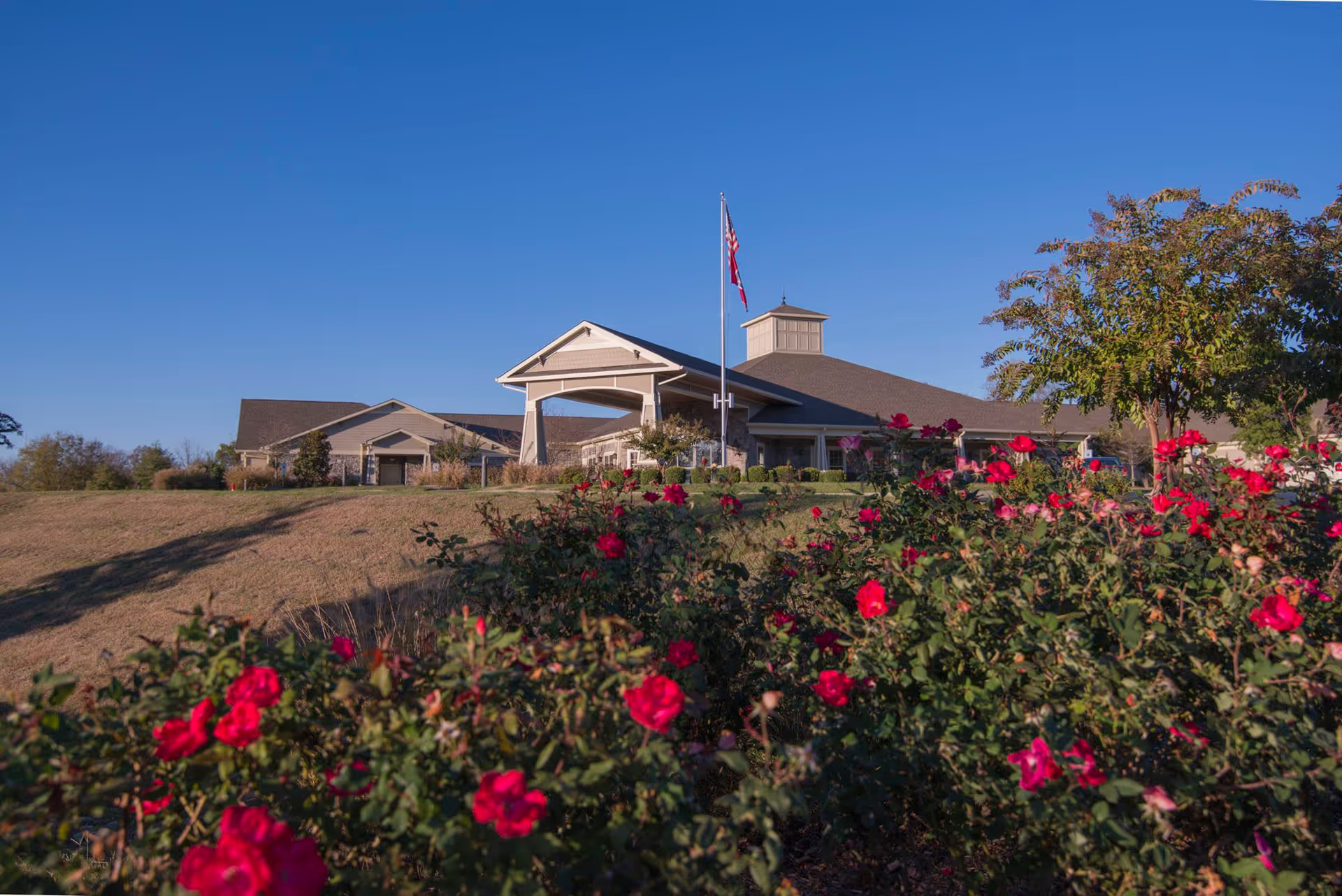
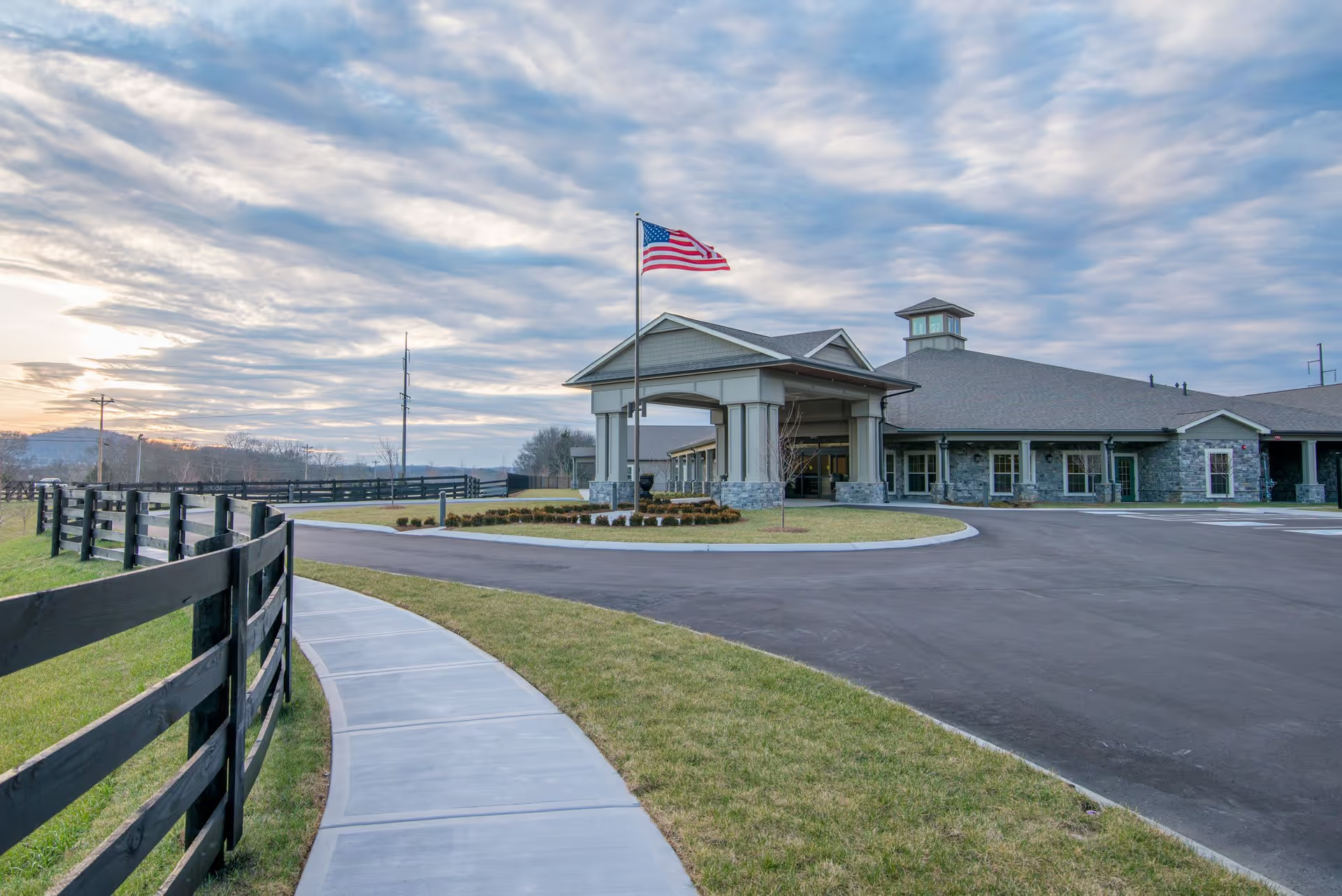
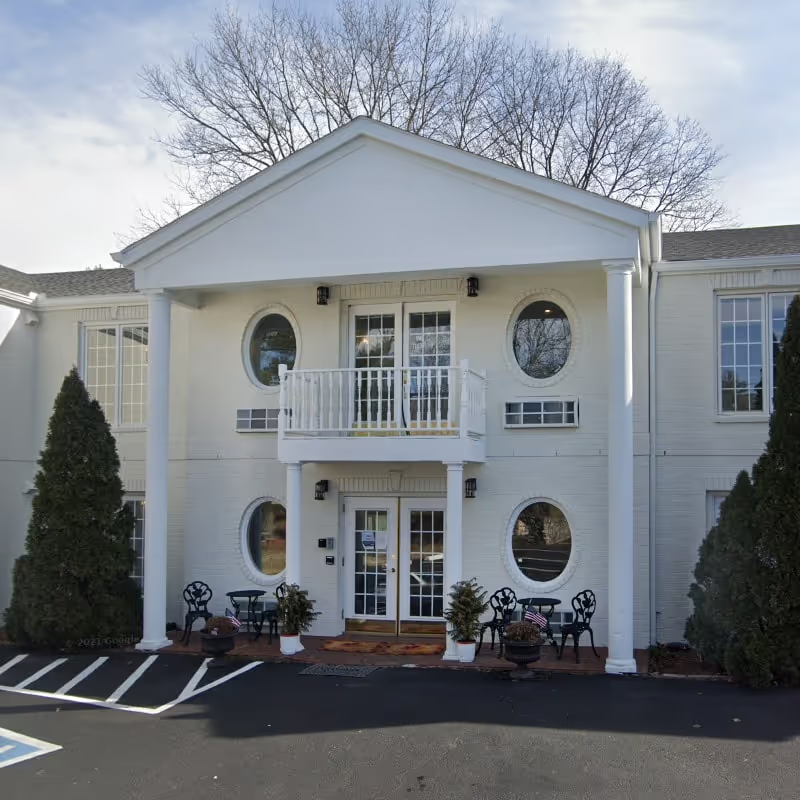
Overall impression: Manor at Steeplechase presents as an attractive, well‑renovated independent living community with extensive grounds, a variety of apartment layouts, and a comprehensive set of on-site amenities. Many families and prospective residents highlighted the facility’s welcoming dining rooms, bright common areas, five‑acre outdoor spaces, and well‑kept landscaping. The property frequently receives praise for providing good value relative to local competitors and for offering multiple services that support independent aging in place.
Care and staff: Staff are routinely described as friendly, informative, and compassionate, with several mentions of hands‑on managers and staff who know residents’ names. The community emphasizes team‑based care and has on‑site clinical resources such as physical therapy and access to a rehab nurse/physician and in‑building primary‑care support. These features make the facility a reasonable match for active, independent seniors or those needing light assistance. However, recurring operational issues include staffing shortages and elevated turnover; these factors are associated with longer wait times, inconsistencies in responsiveness, and concerns about overnight and after‑hours coverage. Prospective residents should confirm current staffing patterns, overnight protocols, and availability of higher‑dependency nursing care if that is likely to be needed.
Dining and food service: Dining is a focal point for resident life and is often praised for menu variety, inviting dining spaces, and the opportunity for families to join meals. At the same time, a notable pattern across feedback is inconsistency in food quality, portion sizes, and meal availability; some reviewers described entrees being unavailable or meals running out. Several comments also raise dining‑service sanitation and buffet‑procedure concerns (for example, self‑serve processes and food‑service hygiene practices). These are operational areas that would benefit from direct inquiry during a visit — consider touring at mealtime and asking about chef turnover, meal‑service procedures, and food‑safety protocols.
Activities and transportation: The community offers a broad calendar of activities — live music, bingo, exercise classes, outings, church services, and social events — and many residents report an active, social atmosphere. Transportation to doctor appointments and local errands is a commonly cited benefit, including VA‑related supports. That said, there is some variability in execution: a number of residents noted planned excursions that did not occur or temporary limitations to trip scheduling. Clarify current activity participation levels and the reliability/limits of transportation schedules during your tour.
Facilities and maintenance: Physical plant feedback is largely positive: renovated apartments, attractive dining rooms, and ample outdoor space are recurring strengths. Apartment sizes vary (some one‑bedroom layouts are described as small), and a minority of comments indicate that certain hallways or units could use additional upkeep or updating. Housekeeping and linen/room cleaning are offered as services, but frequency and thoroughness appear inconsistent in a subset of observations.
Management and operations: Experiences with administration are mixed. Several families praised proactive, supportive managers and coordinated sales/administrative teams; others reported recent leadership turnover, which they associated with declines in dining quality, reduced services, or uneven follow‑through on billing and move‑out matters. There are also occasional remarks about communication gaps at the front desk and the need for clearer guidance for new residents. There is one mention of an allegation involving a third‑party caregiver; prospective families should inquire about vendor oversight and grievance procedures.
Recommendation and next steps: Manor at Steeplechase is generally well suited for independent seniors who prioritize community life, amenities, and on‑site wellness services. Prospective residents and families should (1) schedule a meal‑time visit to evaluate current dining quality and service procedures, (2) ask for written details about staffing levels and overnight coverage, (3) review the contract for fee transparency and move‑out terms, (4) confirm the availability and scope of higher‑dependency care if that may be needed in future, and (5) speak with current residents and families about recent leadership changes and activity reliability. These targeted checks will help determine whether the facility’s strengths align with a specific resident’s care needs and expectations.