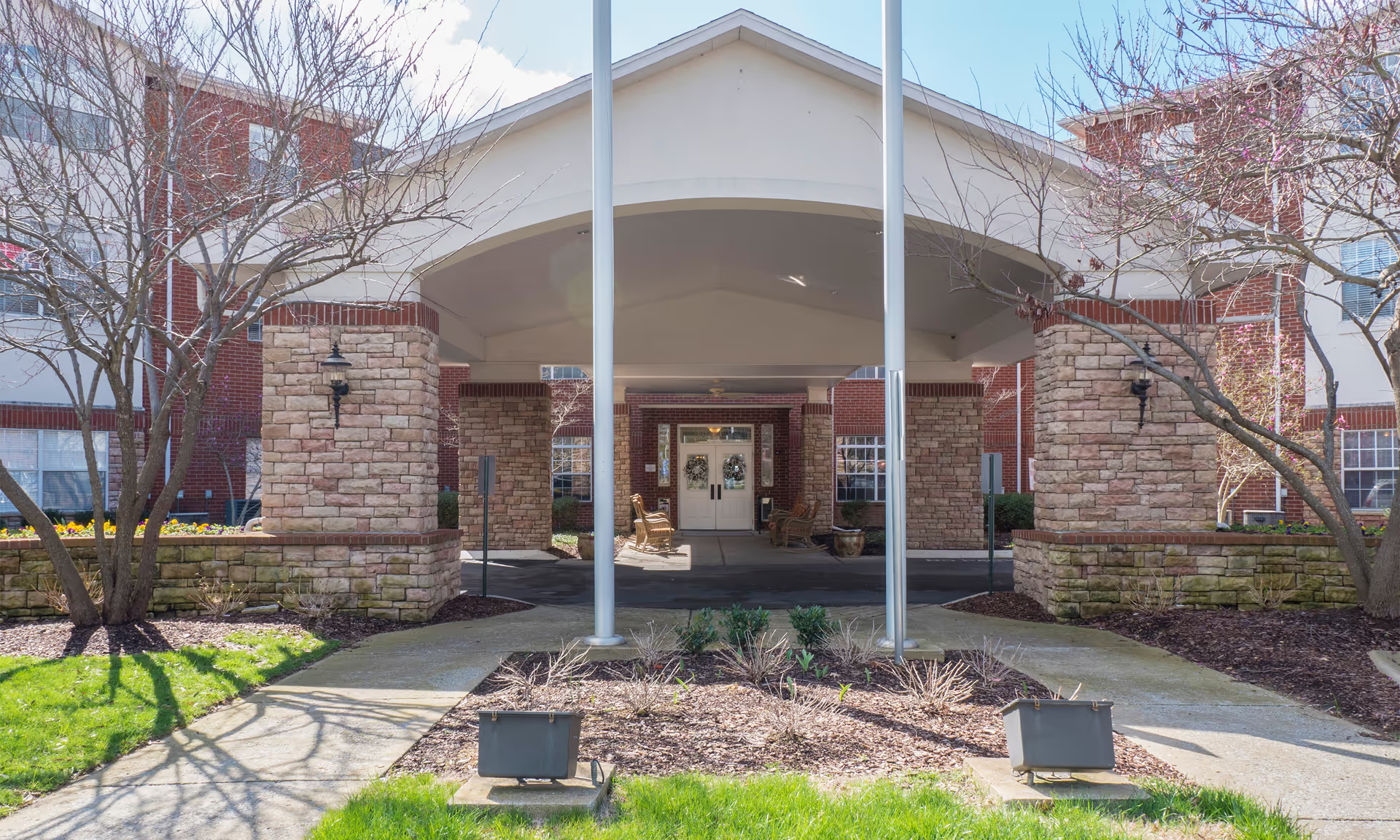
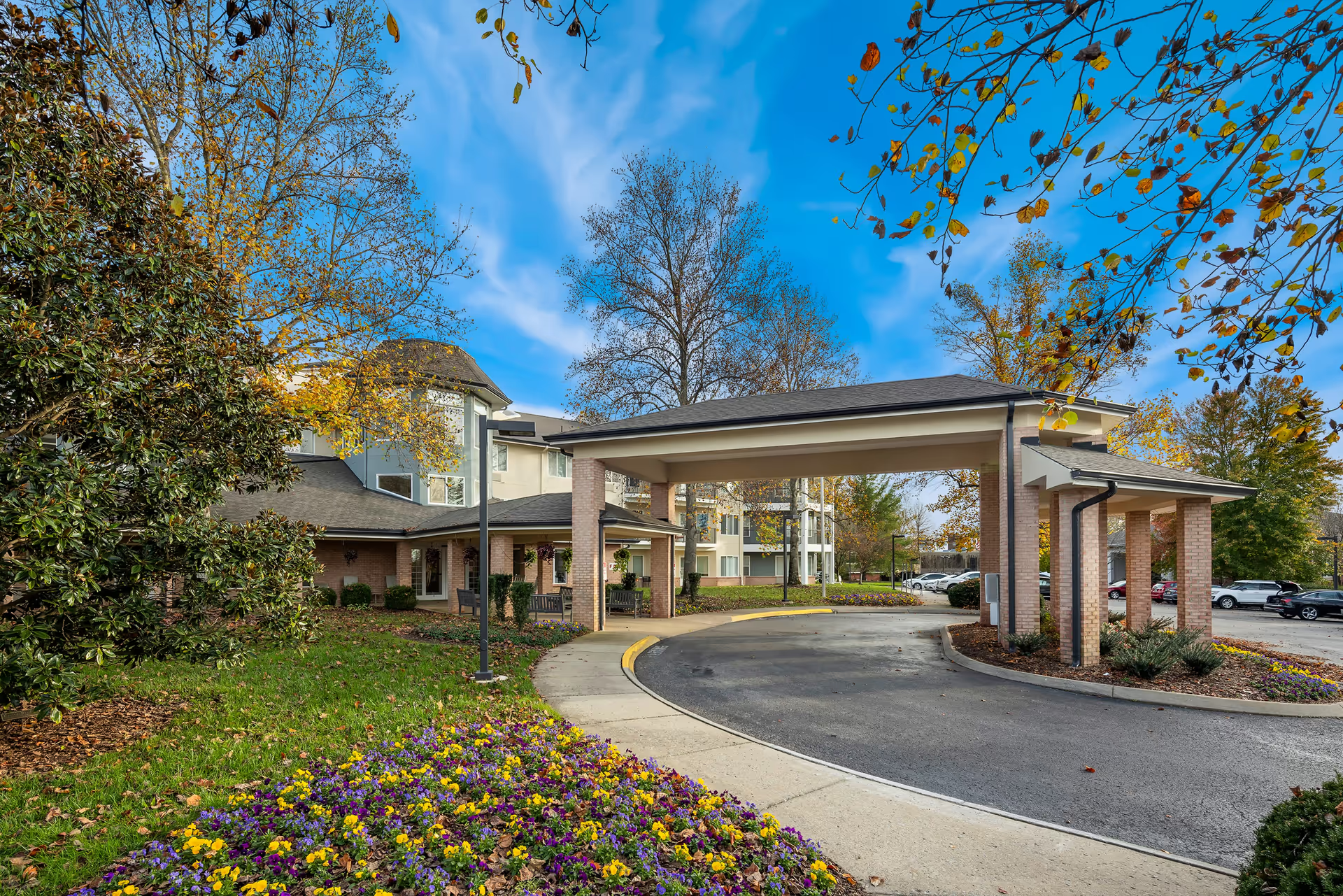
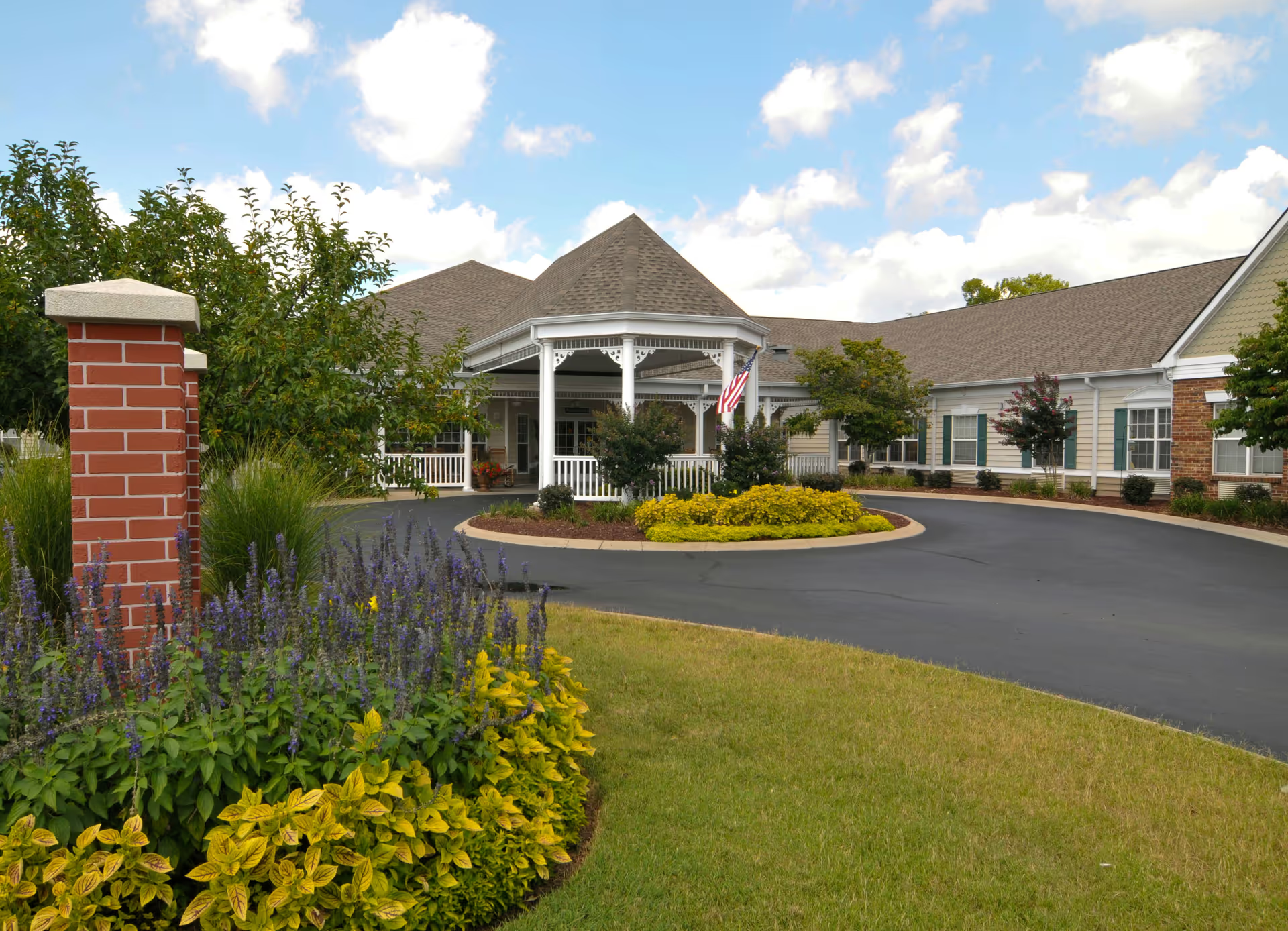
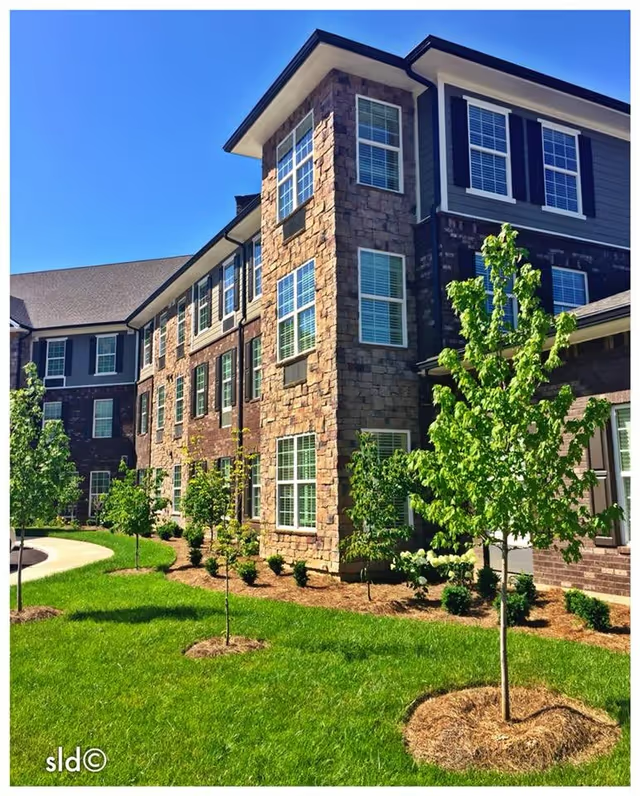
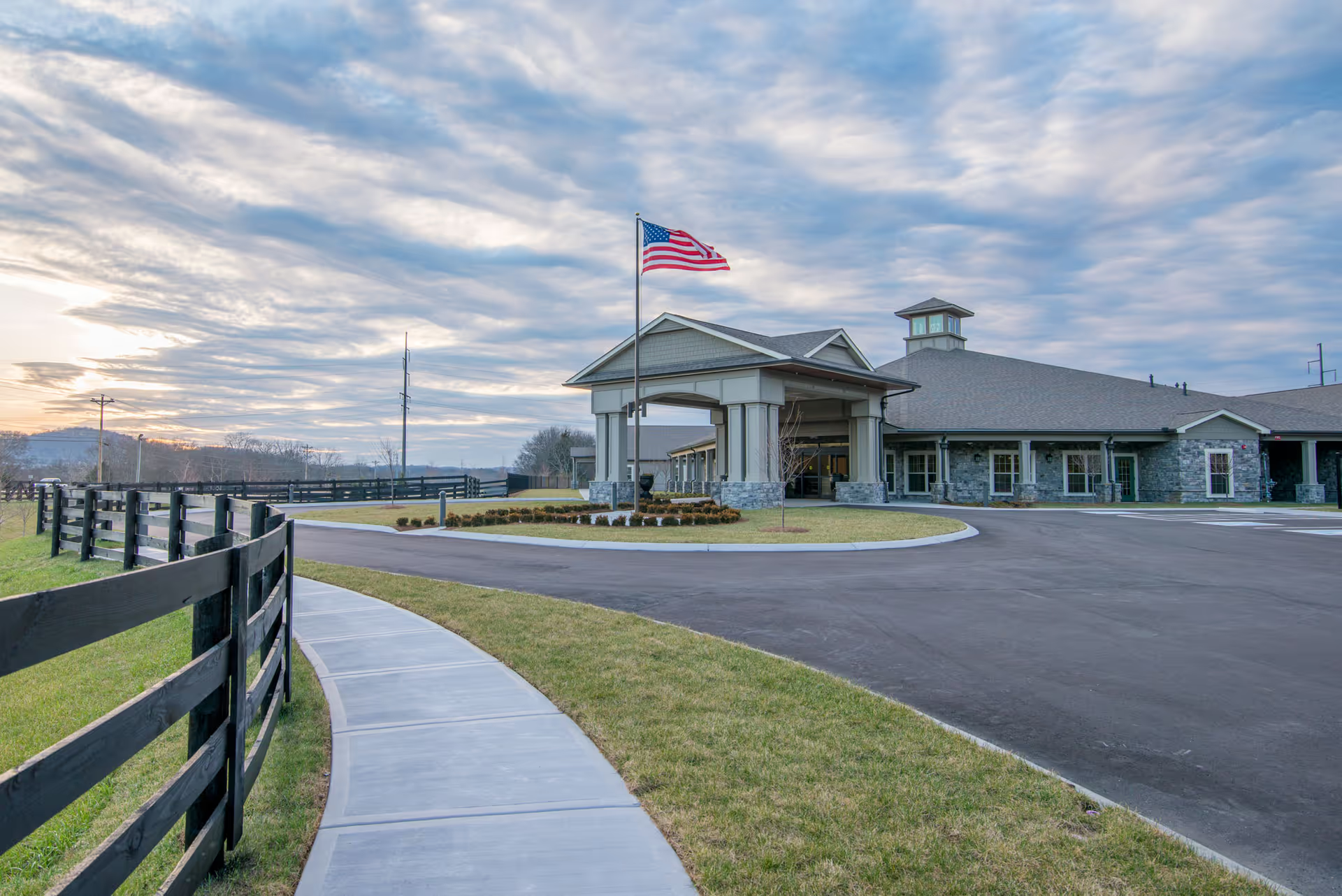
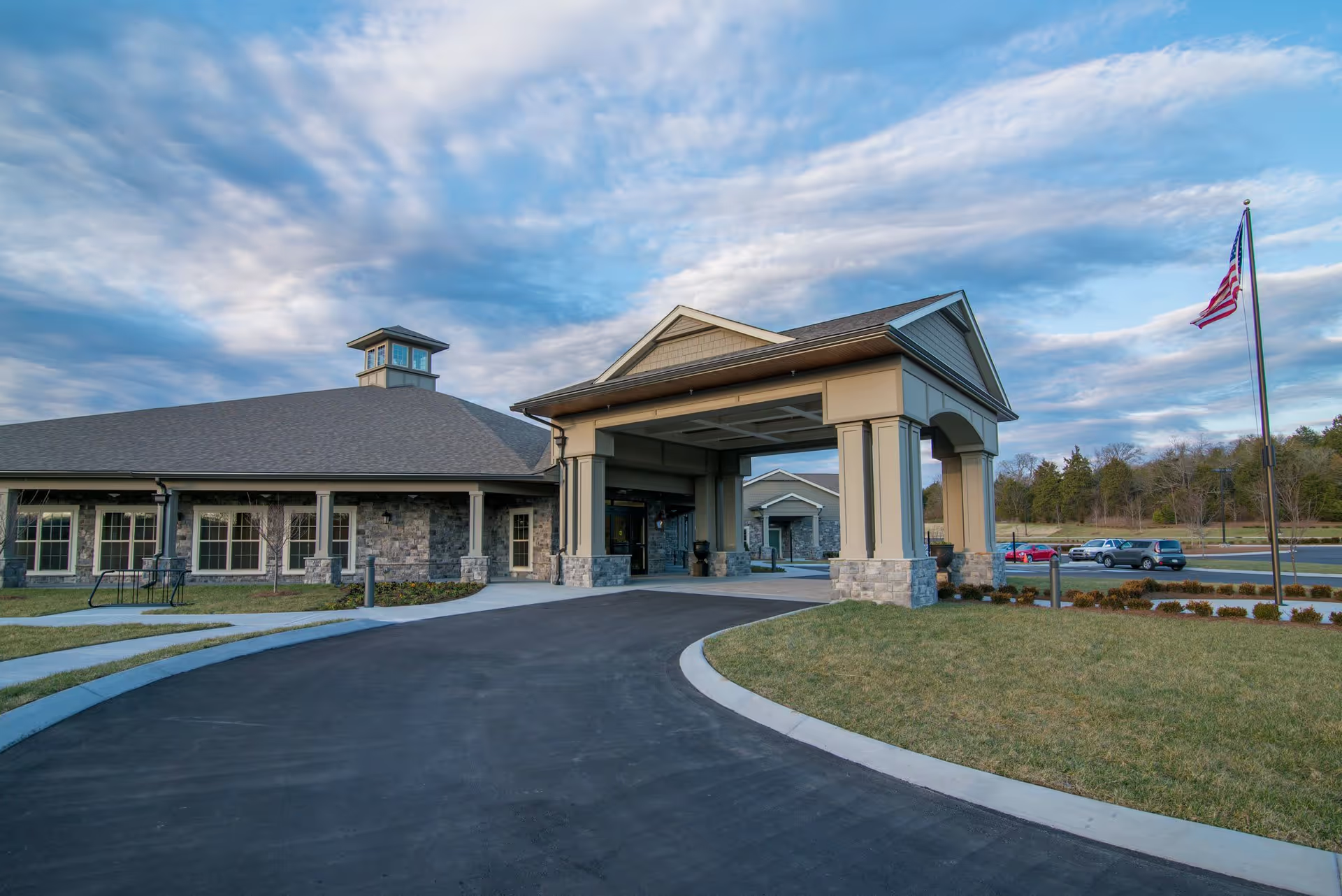
Maristone of Franklin elicits a strongly polarized set of impressions. Many reviewers describe a small, residential environment where staff know residents quickly and deliver compassionate, individualized care. Positive mentions include a culinary-trained chef preparing scratch-made meals, renovated apartment-style rooms, on-site clinical support (including weekly clinician visits), in-house therapy, and an active calendar of activities and religious services. The community’s size and layout are frequently cited as strengths that support dignity, independence, and a family-like atmosphere.
At the same time, a substantial pattern of operational concerns appears across reviews. The most consistent themes are high turnover among both leadership and front-line clinical staff, and a reliance on agency or temporary personnel. Reviewers link this instability to gaps in overnight coverage and night-rounds, inconsistent medication documentation and administration practices, and delays or breakdowns in responding to clinical incidents and notifying families. These issues are described in ways that suggest systemic process weaknesses rather than isolated events, particularly around medication management, clinical documentation, and incident response protocols.
Dining and activities generate mixed feedback. Several families praise the dining program, noting a trained chef, made-from-scratch meals, room-service options, and enjoyable special events. Others report variability in meal availability and quality, occasional food-supply problems, and inconsistent kitchen staffing. Activity offerings are similarly uneven: there are reports of robust programming (bingo, live music, painting, religious services, resident-led groups) alongside accounts of limited or minimal programming for memory-care residents and complaints about the tone or responsiveness of activity leadership at times.
Facility and housekeeping reports are also mixed. Many reviewers appreciate recent renovations, upgraded HVAC, new flooring, and generally well-maintained apartments. Conversely, others raise sanitation concerns and inconsistent housekeeping in common areas and resident rooms, suggesting variability in daily maintenance and incontinence-care practices. The facility’s small scale is often framed as an advantage for personalized attention, but that advantage appears to depend on stable staffing levels.
Management and ownership are central to the negative themes. Reviewers cite frequent executive and nursing-director turnover, uneven responsiveness from administration, and instances where contractual expectations were not met. There are noted concerns about the facility’s current ownership and management responsiveness; a number of families also referenced regulatory scrutiny. These governance and communication issues compound operational weaknesses and contribute to family dissatisfaction when problems arise.
For prospective residents and families: evaluate current staffing levels and clinical leadership stability, request specific policies on overnight checks, incident notification, and medication administration/documentation, and ask to see recent inspection or investigation results if available. Also tour at different times (including nights or weekends if possible) to assess consistency of care, housekeeping, and activity programming. The facility can offer a strongly supportive, home-like setting when staffing and leadership are stable, but reviewers indicate that outcomes are highly contingent on current management and staffing practices.