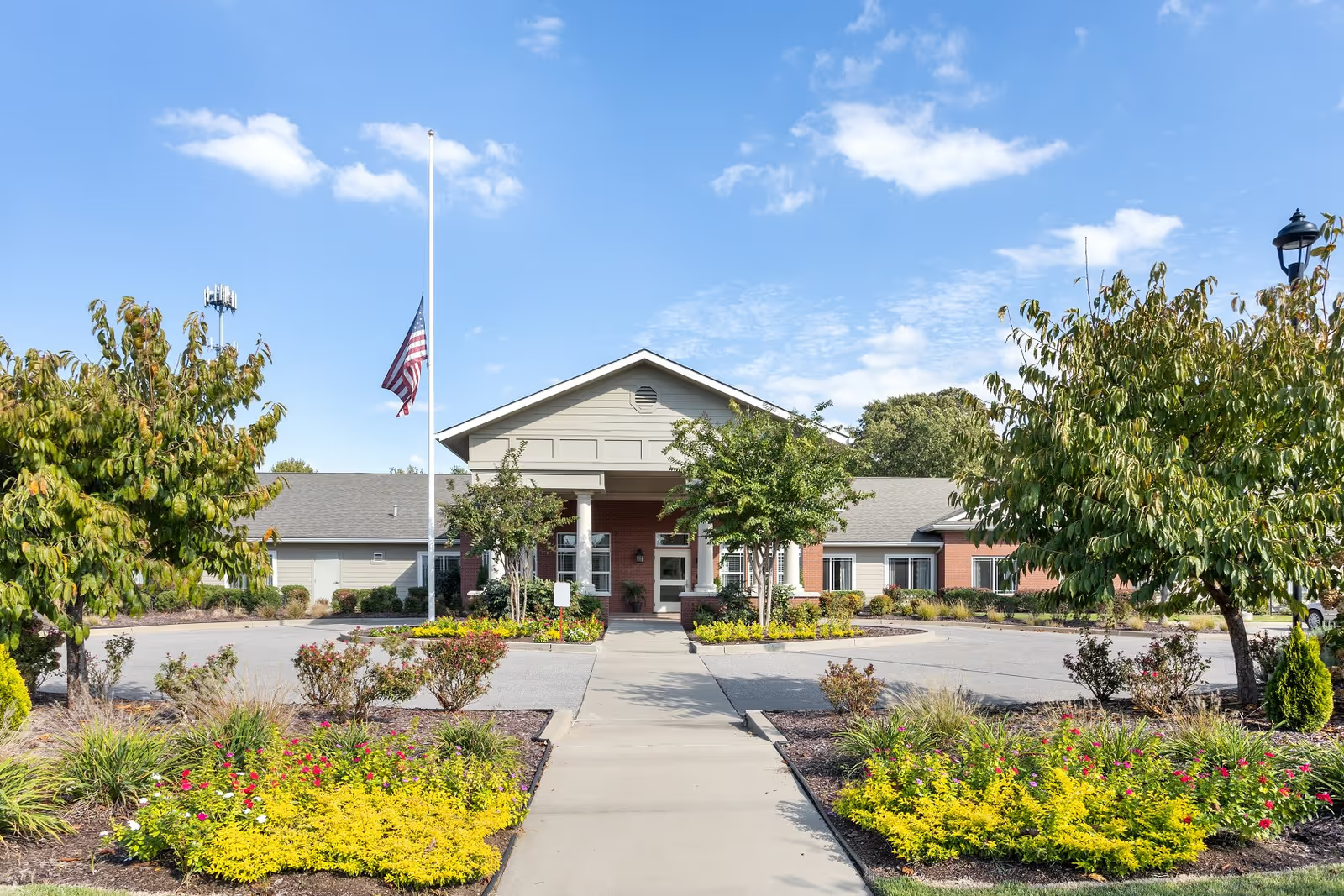
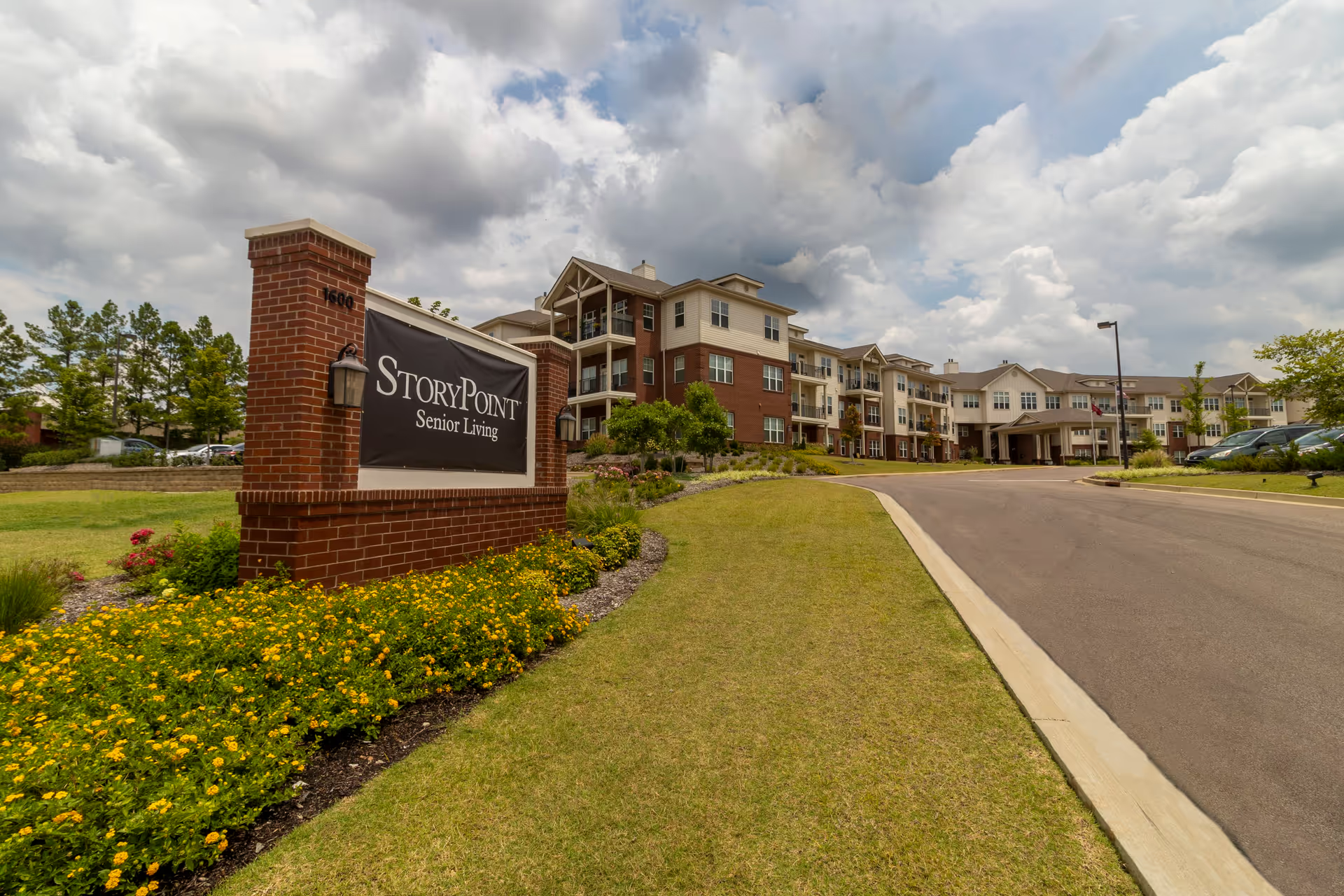
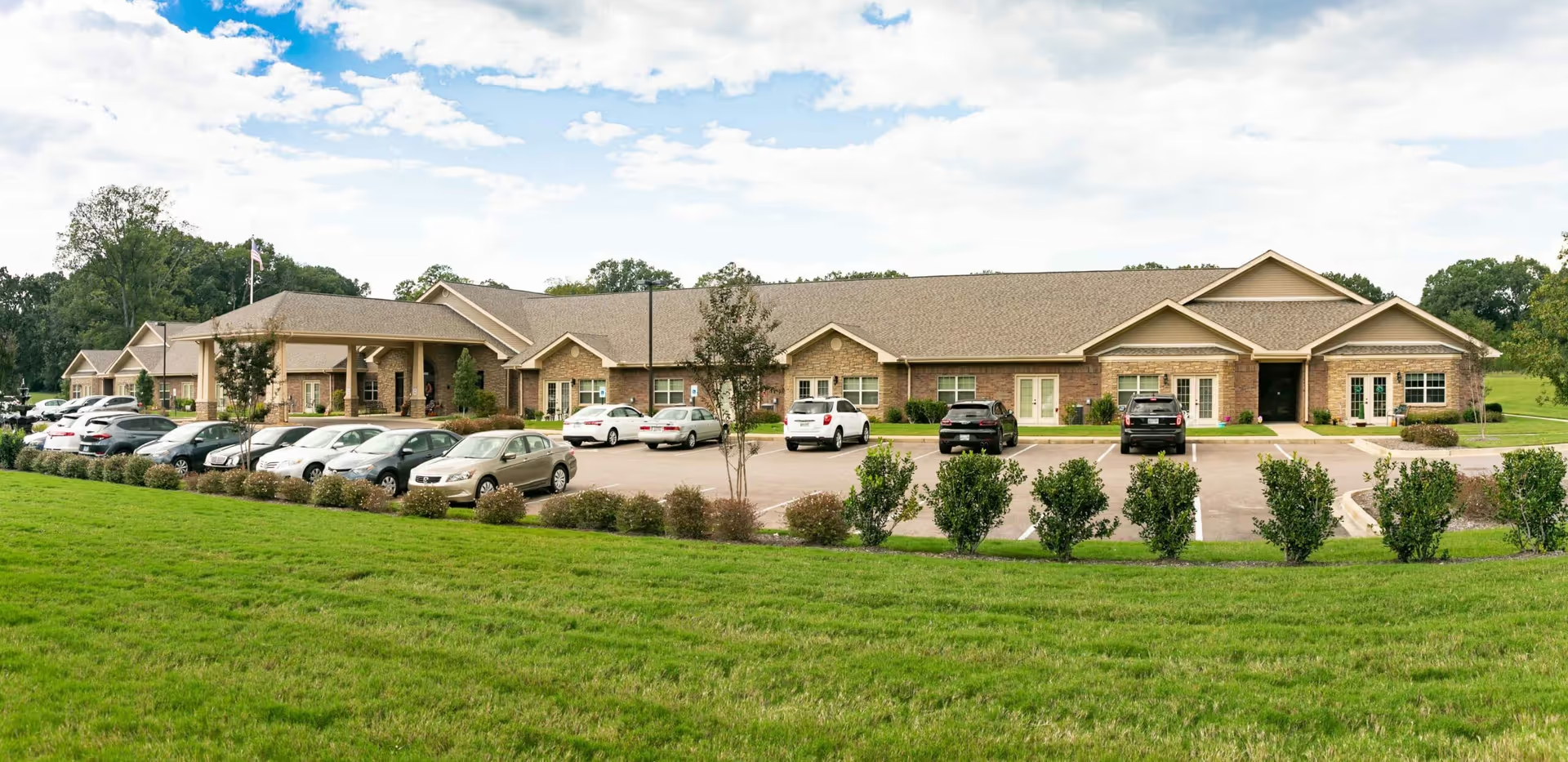
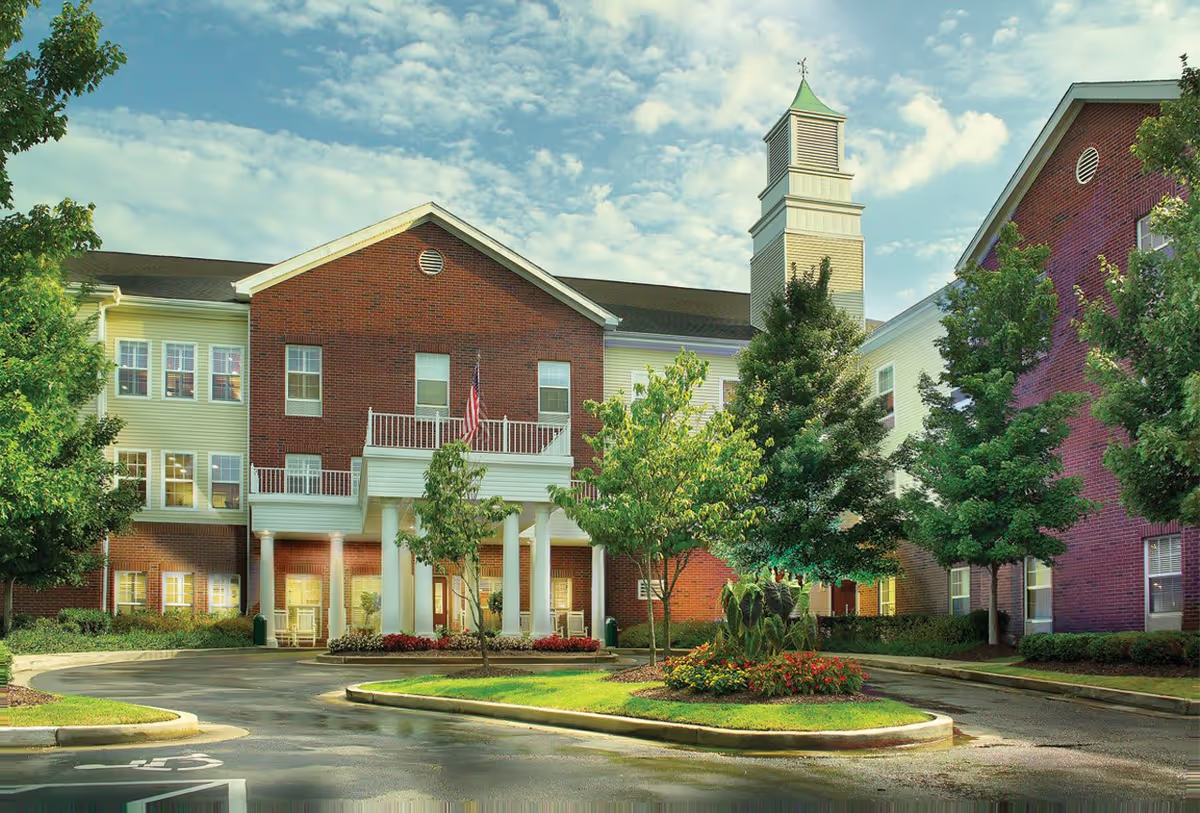
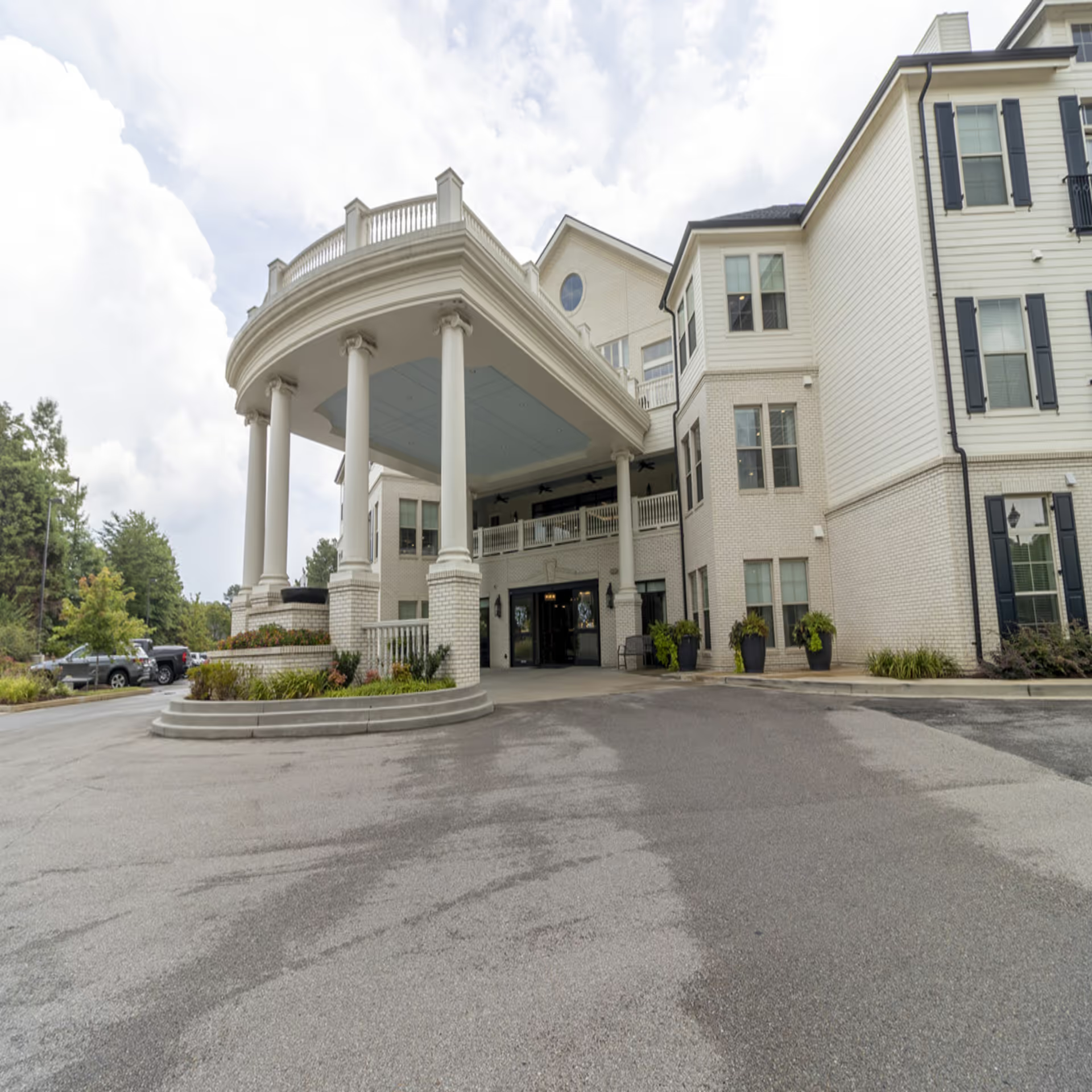
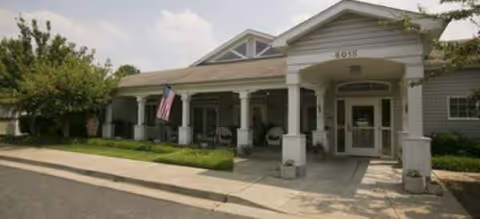
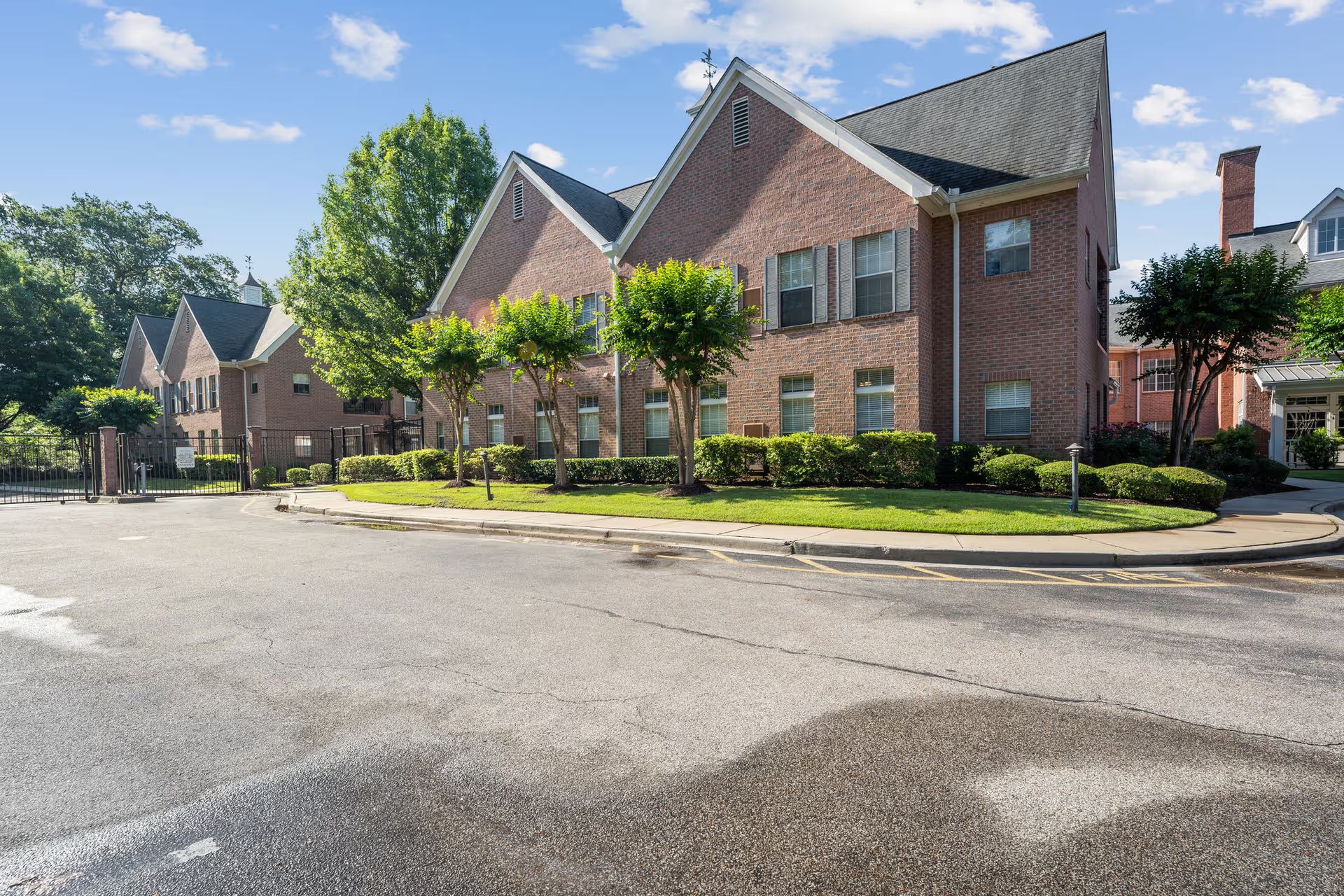
Foxbridge is consistently described as a campus-oriented memory-care and assisted-living community built around a cottage model. Strengths cited repeatedly include a warm, family-like culture among many caregivers, a focus on memory care within small, familiar living units, and a landscaped grounds program (ponds, walking paths, courtyards) that supports supervised outdoor activity. The cottage layout, private rooms with ensuite bathrooms in memory cottages, and programmatic elements such as Montessori-based activities, music, arts, and special events contribute to a homelike environment that many families find comforting. Several reviewers praised the activity leadership, inclusive family meetings, and accommodation of dietary needs.
Care quality descriptions are mixed. Numerous accounts highlight compassionate, attentive day-shift staff, strong activity engagement, and effective transitional support after surgery or hospital stays. At the same time, there are recurring operational concerns: inconsistent staffing levels, variability in staff skill and responsiveness (notably on some night and off shifts), and weaknesses in medication scheduling and administration processes. Related patterns include occasional safety and placement problems when residents require a higher level of clinical support than initially assessed, and examples of family dissatisfaction when clinical needs escalated.
Dining and activities present a split picture. Many families praise the food, generous portions, dietary accommodations, and an active calendar of events, outings, and in-house programming. Others report inconsistent meal quality, missing items, and service continuity challenges tied to the campus’ multi-building model (meals prepared or transported between buildings). Activity offerings are robust in several cottages but reportedly limited or less frequent in certain memory-care units, suggesting uneven program delivery across the campus.
Facility and maintenance feedback is similarly mixed. The grounds, landscaping, and outdoor amenities are frequent positives; reviewers describe charming cottages, private courtyards, and a peaceful setting. Conversely, reviewers also noted aging infrastructure, dated interiors in parts of the campus, ongoing piecemeal renovations, and delays in repairs (sidewalk/door/AC issues, and other maintenance items). The campus layout—multiple separated cottages—supports a small-house feel but can require walking between buildings for meals or services, which may complicate routines for residents with mobility or memory limitations.
Management and administrative patterns warrant attention. Admissions and marketing staff frequently receive positive mentions for being helpful and informative, and families appreciate inclusive care conferences and day-to-day house managers. However, several consistent themes of concern include billing-process opacity, refund disputes, delayed or poor communication from upper administration, and the need for families to follow up proactively to obtain answers. There are also a number of serious, individualized complaints about clinical incidents and billing that led to regulatory or legal scrutiny in a few cases; these are best assessed directly with facility leadership during touring and contract review.
Bottom line: Foxbridge offers a compassionate, cottage-style memory-care environment with notable strengths in activities, outdoor amenities, and a family-like culture. Prospective residents and families should verify current staffing ratios and clinical coverage (including night and clinical nurse availability), clarify placement and level-of-care transition policies, confirm meal-service logistics for the specific cottage under consideration, and review billing and refund policies carefully. An in-person tour focused on the particular cottage, staffing patterns during the hours most relevant to the prospective resident, and a meeting with clinical leadership will help determine whether the operational inconsistencies described align with an individual’s care needs.