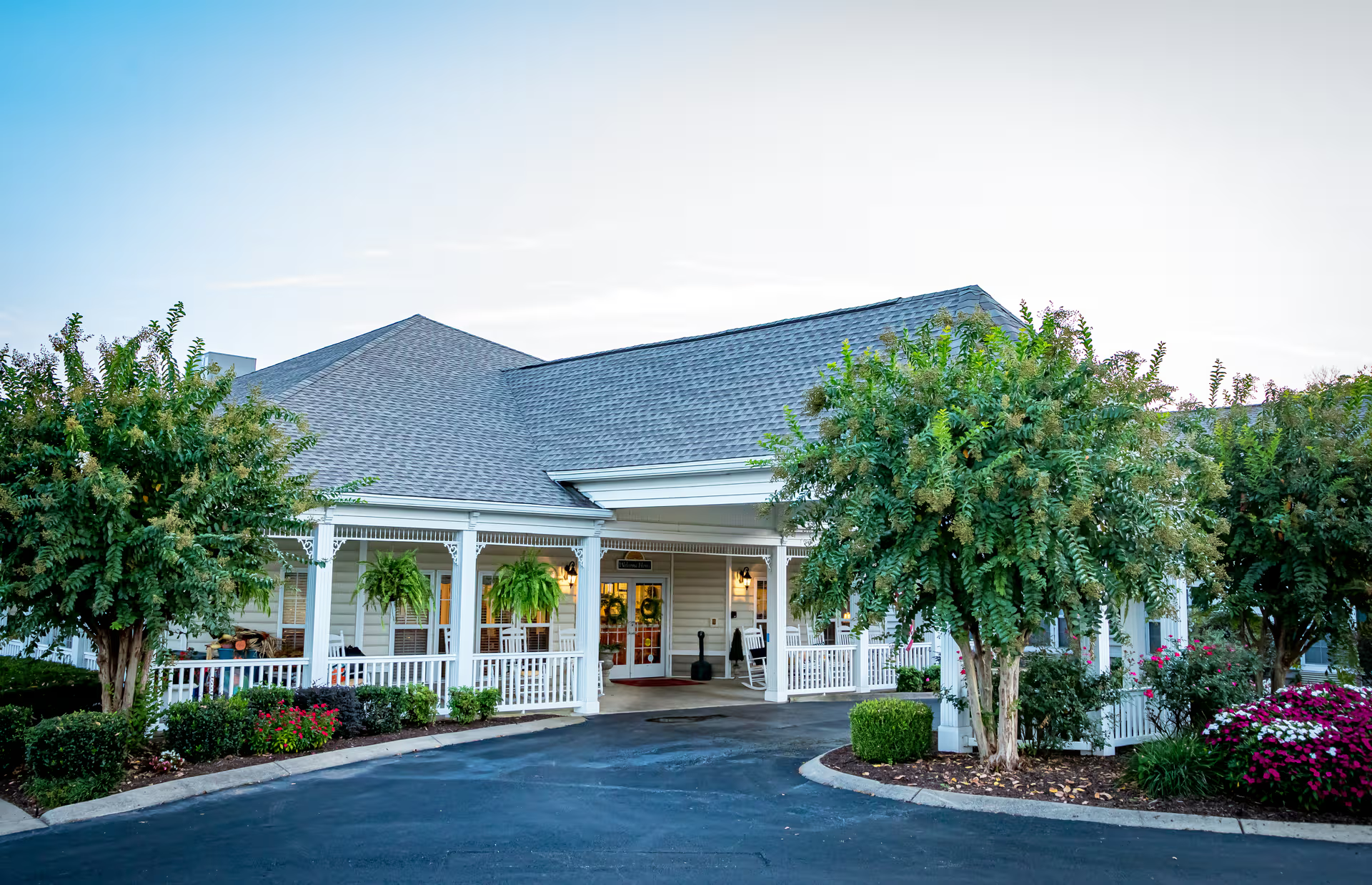
Overall impression: Reviewers paint a facility with many operational strengths centered on direct care and rehabilitation, alongside recurring operational weaknesses in dining and staffing. The nursing, CNA, and therapy teams receive frequent praise for compassion, professionalism, and clinical skill, and the facility is repeatedly described as clean, comfortable, and welcoming. At the same time, dining quality, staffing levels, and occasional concerns about clinical incident handling emerge as patterns prospective families should evaluate during a visit.
Care quality and staff: The strongest and most consistent theme is the quality of hands-on care. Multiple accounts highlight caring, attentive nurses and CNAs, effective physical and occupational therapy that supports rapid recovery, and specialty competencies such as respiratory and tracheostomy care and wound management. Families also note clear communication from staff and case managers, timely medication delivery in many cases, and supportive transitions to hospice when needed. These elements support the facility’s reputation for good short-term rehab outcomes and dignified long-term care for many residents.
Dining and nutrition: Dining is the most frequently cited operational weakness. Reviews describe inconsistent meal quality, menu items not matching served trays, missing condiments or dressings, and an overall perception that some meals are unappetizing or low quality. A number of comments attribute limitations to third-party food-service arrangements and the facility’s rural location, which may constrain options. A subset of reviewers did compliment meals, indicating notable variability between stays or units rather than a uniform experience.
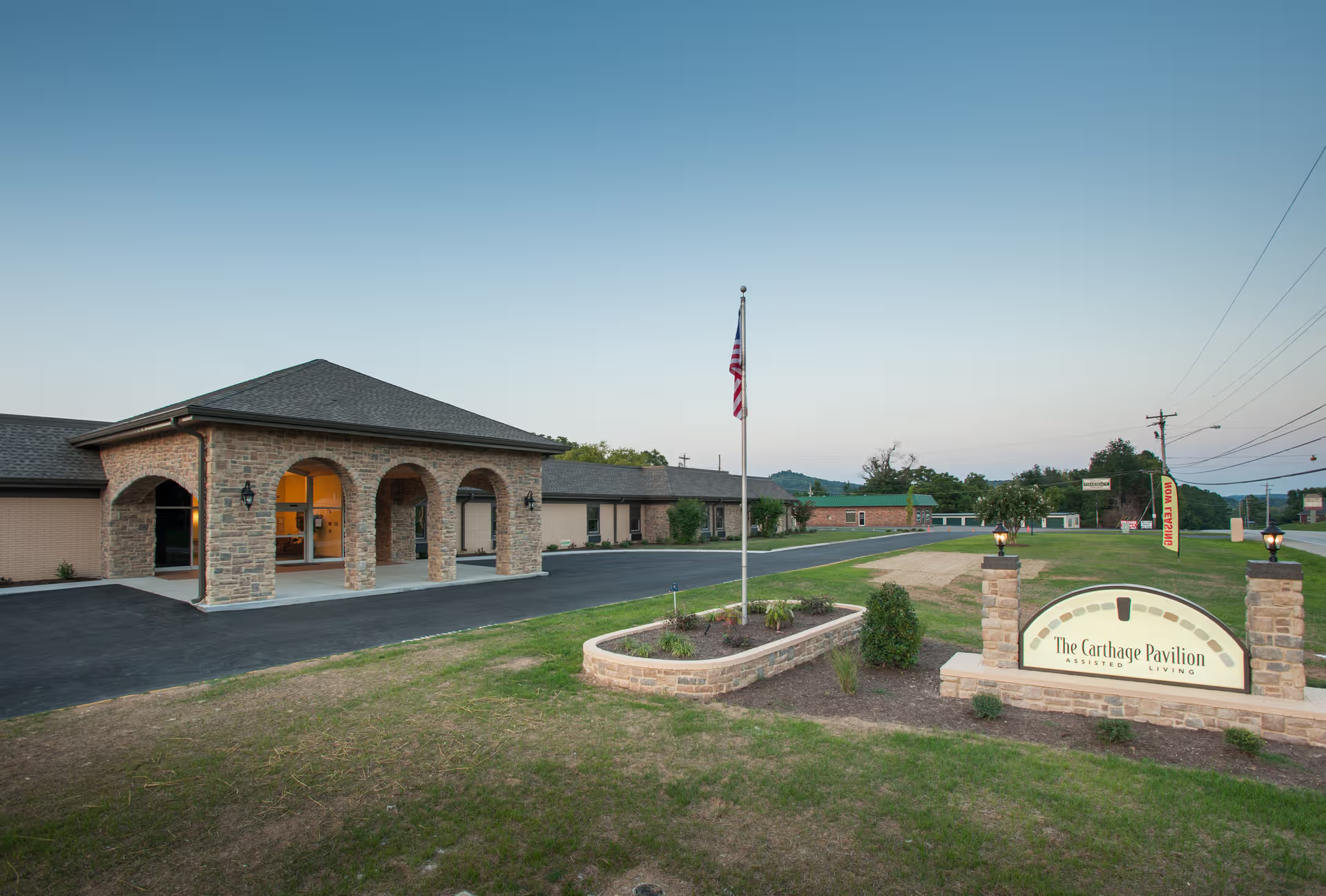
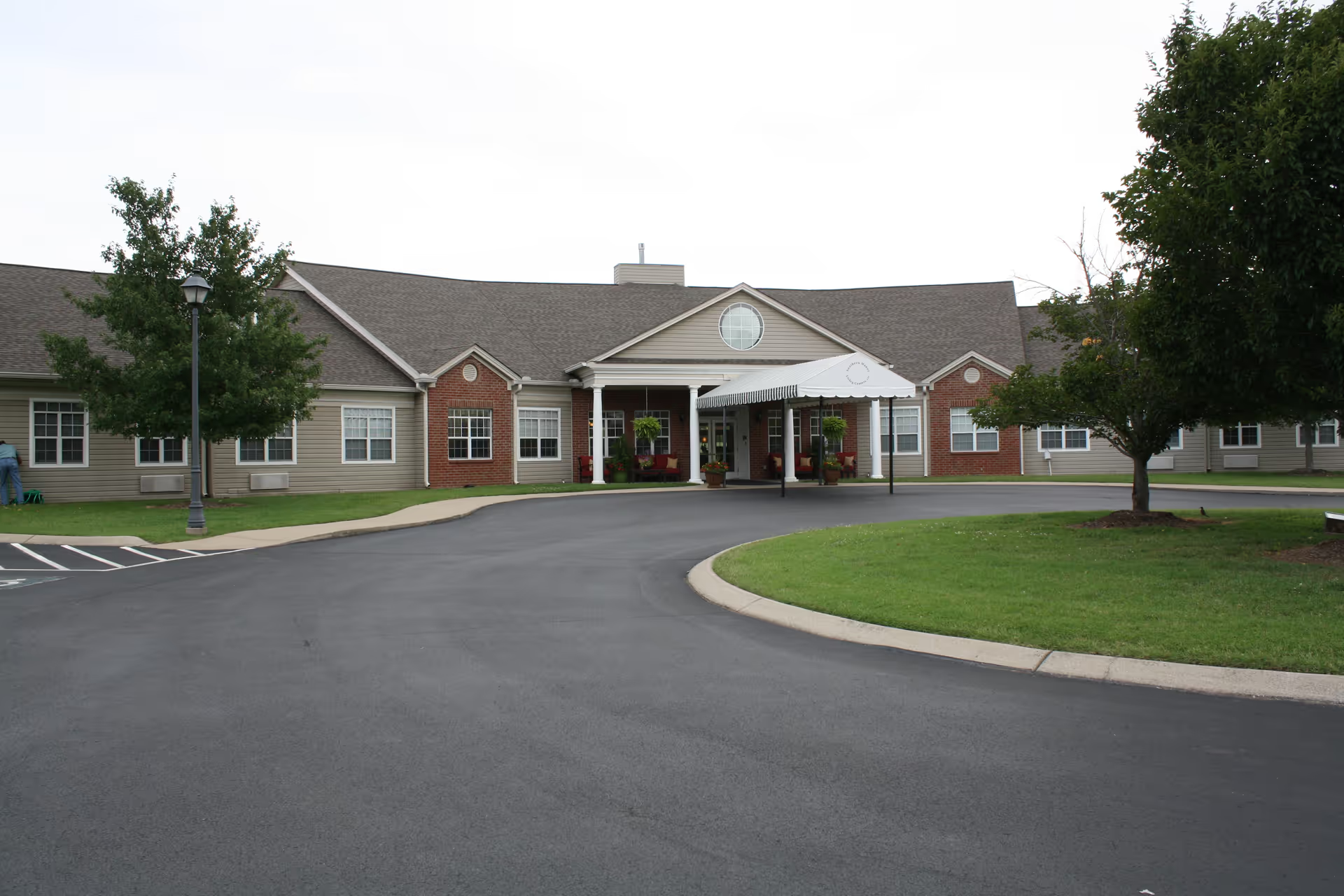
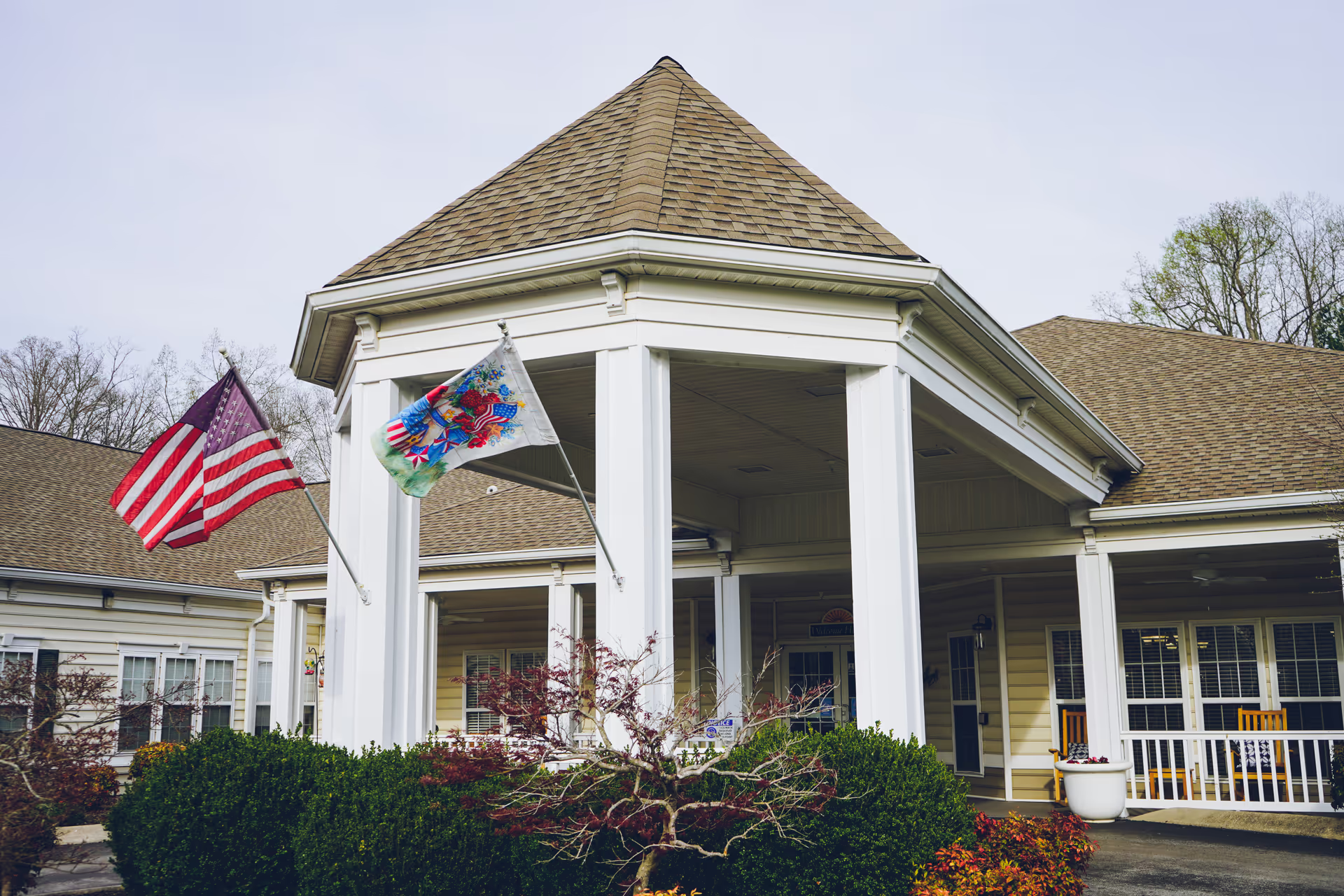
Activities and environment: The facility’s activities program and environment receive largely positive feedback. Reported strengths include engaging programming, seasonal events, outdoor areas and grounds, pet-friendly visitation, and comfortable communal spaces. Several reviewers describe a family-like atmosphere, responsive activities staff, and visible efforts to make the environment home-like. However, there are intermittent comments that some residents are not consistently included in activities, suggesting variability in outreach or staffing during program times.
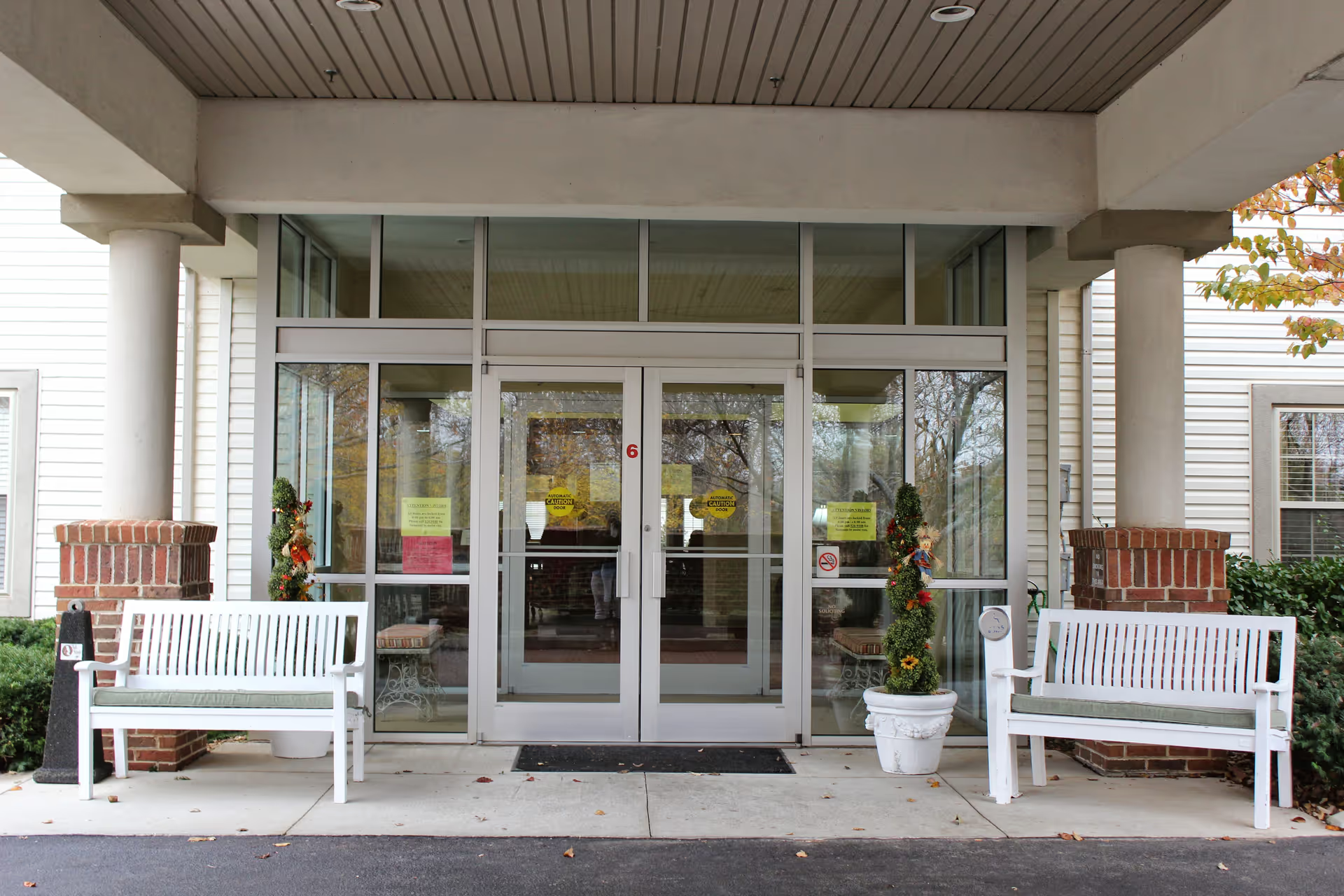
Facilities and operations: The building and grounds are frequently characterized as clean and well maintained. Administrative staff and certain department leaders (including the director of nursing and therapy leadership) are praised for proactive involvement, clear explanations, and assistance with admissions and paperwork. Conversely, other comments point to inconsistent management responsiveness and concerns about staff compensation or scheduling practices, which reviewers link to turnover and workload pressures.
Notable patterns and recommendations: Two operational themes stand out for follow-up by prospective residents and families: dining reliability and staffing/clinical oversight. In addition to variable meal experiences, there are recurring signals about understaffing (especially on night shifts) and at least a few serious clinical concerns referenced in individual accounts; these have been framed here as gaps in medication-management and clinical-incident handling. To make an informed decision, visitors should observe a mealtime, ask about current staffing ratios and turnover, review how medication errors and clinical incidents are tracked and communicated, and discuss the food-service contract and menu cycle. Given the strong therapy and direct-care reports, the facility may be especially well suited for those seeking rehabilitation, provided families confirm current operational practices that address the identified concerns.