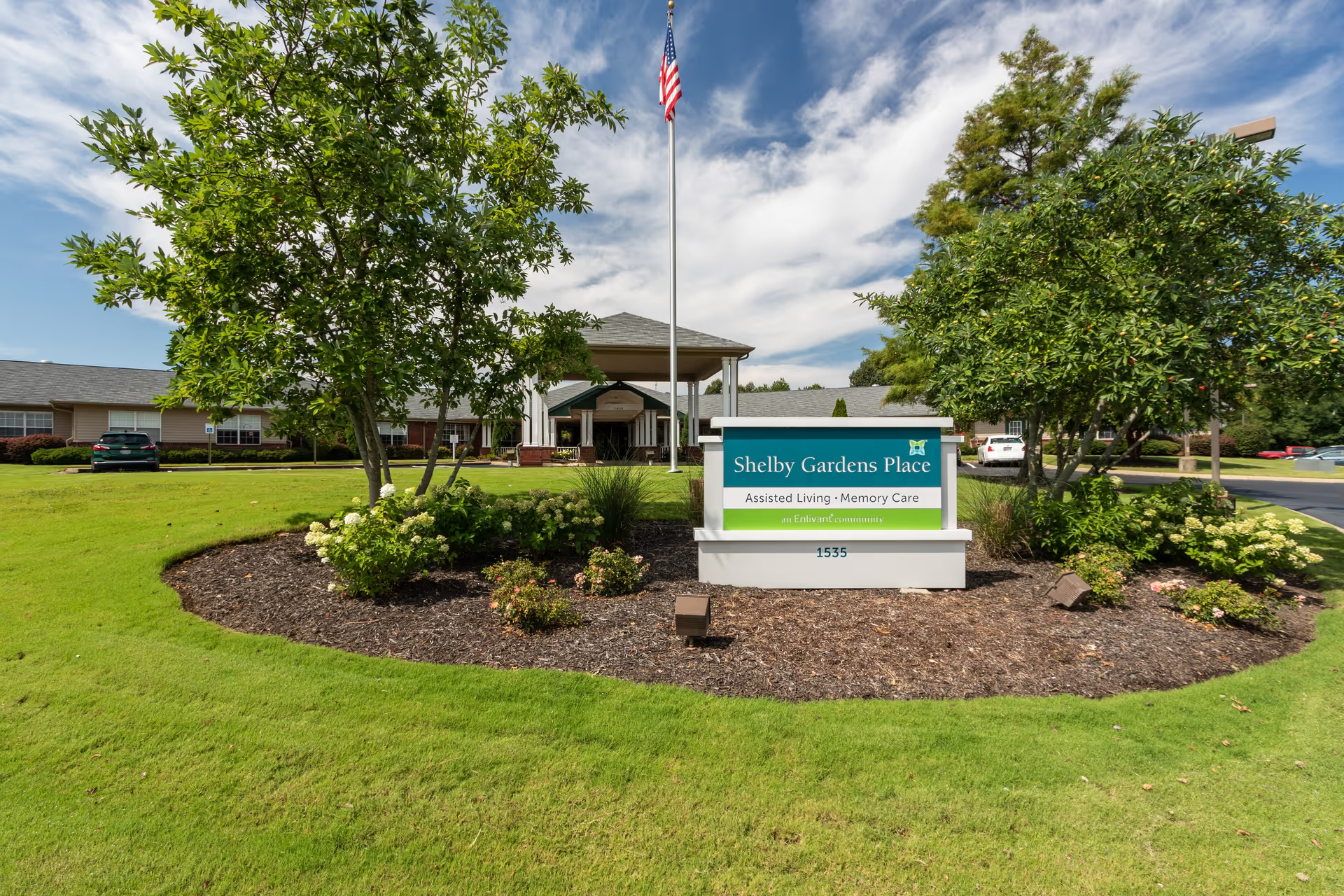
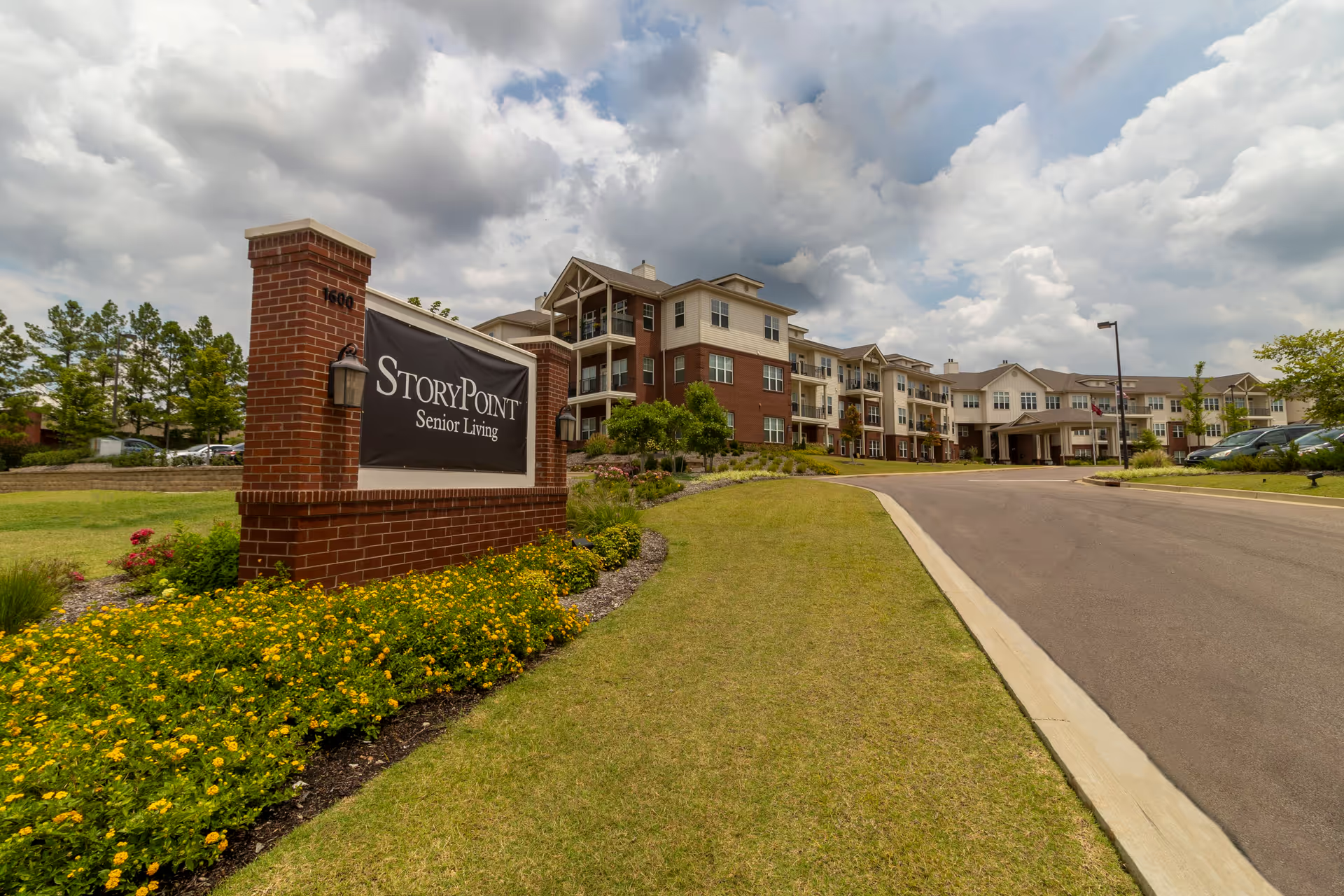
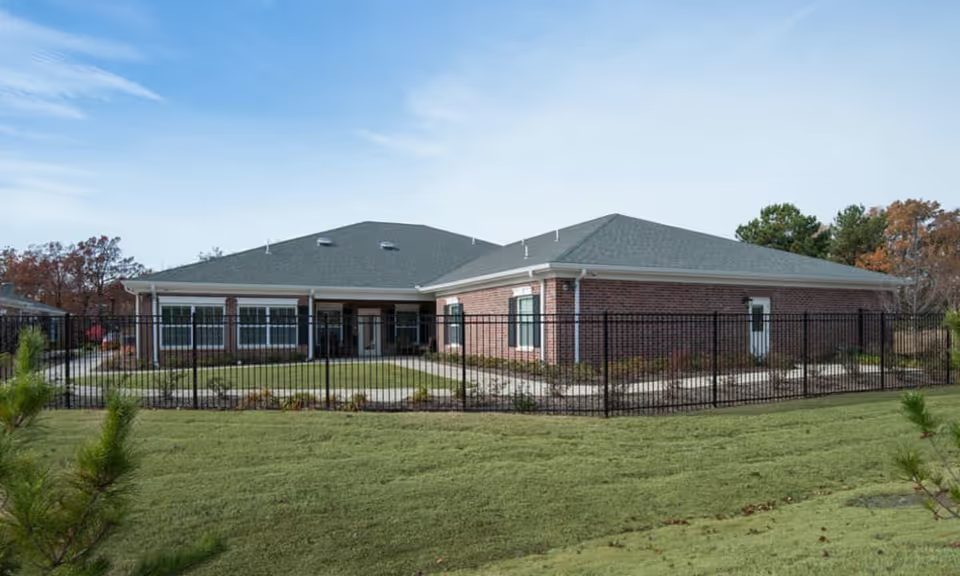
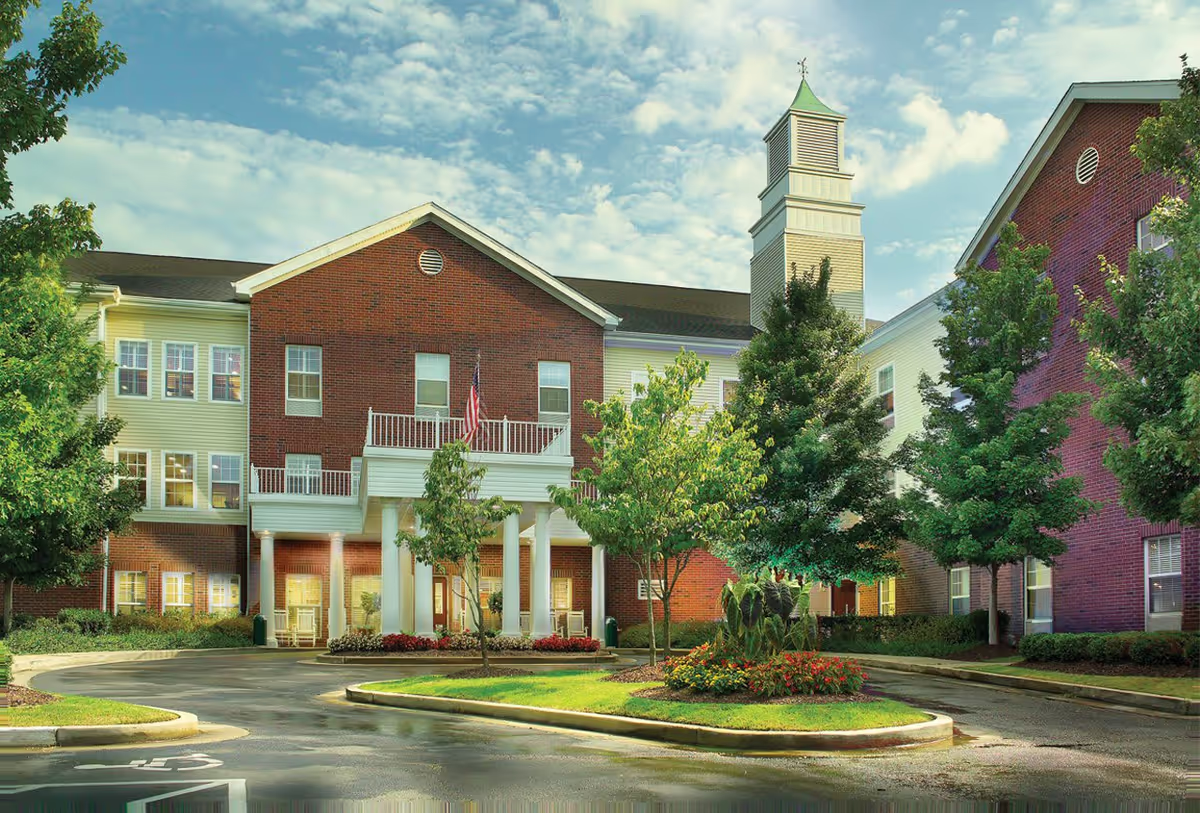
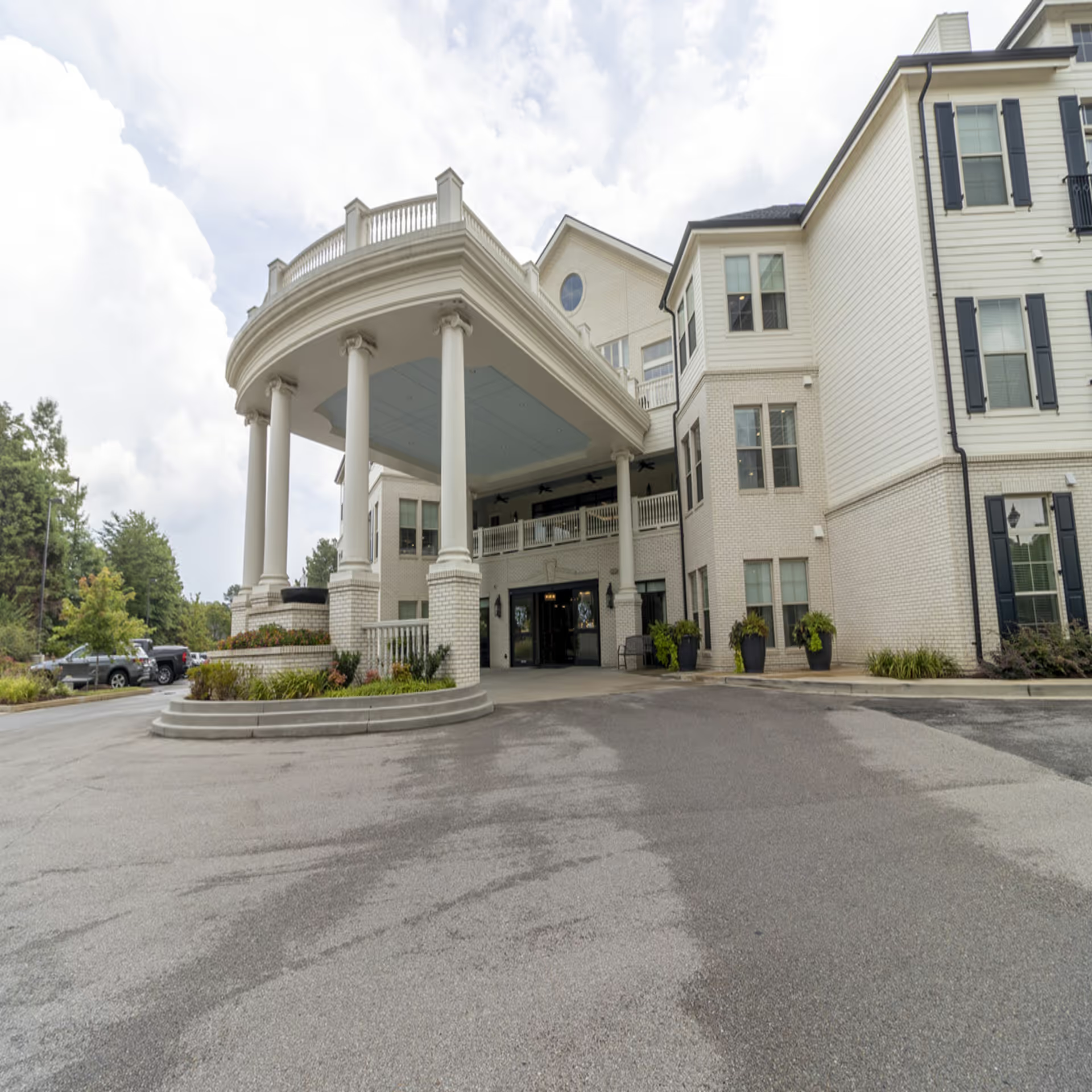
Reviews for the facility are highly polarized, with distinct clusters of positive and negative experiences. On the positive side, the campus, interiors and grounds are frequently described as clean, modern, and well maintained; many families praise the private, apartment-style rooms and landscaped courtyards. The physical-therapy and rehabilitation program, including a well-equipped gym, is a repeatedly cited strength, with multiple reviewers crediting the therapy team for measurable recovery. The activities program, therapy dog, outings and garden areas are also noted as meaningful quality-of-life features. Several reviewers highlighted compassionate individual caregivers, strong social-work engagement, kosher dining options and an efficient admissions process as reasons they would recommend the facility.
Conversely, a substantial set of operational concerns emerges across reviews. Staffing is often characterized as inconsistent: reviewers describe high turnover, chronic understaffing (particularly on night shifts), and uneven competence and conduct among nursing assistants and nurses. These staffing patterns are linked to delays in responding to call lights, long waits for medications, gaps in pain control and blood-pressure management, and variability in the quality and frequency of personal-care tasks. Reviewers also describe variability in clinical-management processes—medication administration, oxygen/tubing oversight, and documentation—creating perceptions of unreliable clinical care.
Dining and food service are another area of mixed performance. While some reviews praise the kosher offerings and on-site bakery, many others describe cold or poorly prepared meals, mismatches with dietary restrictions, and inconsistent delivery. Maintenance and environmental controls draw repeated attention: complaints include in-room temperature problems, delayed or incomplete repairs, mattress and equipment issues, and pest-control concerns. These environmental issues are tied to comfort and safety perceptions for residents.
Family communication and leadership responsiveness are recurring themes. Many families report helpful, communicative case managers and social workers, but an equally large set of comments describe poor communication, dismissive or intimidating interactions from certain administrators or supervisors, and inconsistent care-planning transparency. Safety-process gaps are also described in the context of dementia care, fall prevention, and transitions back from hospitals or emergency care; there are also singular but noteworthy allegations concerning missing personal items and privacy lapses that prospective families should evaluate further.
In short, the facility shows clear institutional strengths—modern, attractive physical plant, robust rehab resources and active programming—but also systemic operational weaknesses that can materially affect resident experience: inconsistent staffing and clinical practice, variable meal and maintenance reliability, and mixed leadership responsiveness. Prospective residents and families should weigh the facility’s strong rehabilitation and amenity offerings against the reported variability in day-to-day nursing, maintenance and communication. When evaluating placement, consider targeted questions about current staffing levels and turnover, dementia-care protocols, medication-safety processes, pest-control and maintenance response times, and documented procedures for safeguarding personal belongings and resident privacy.