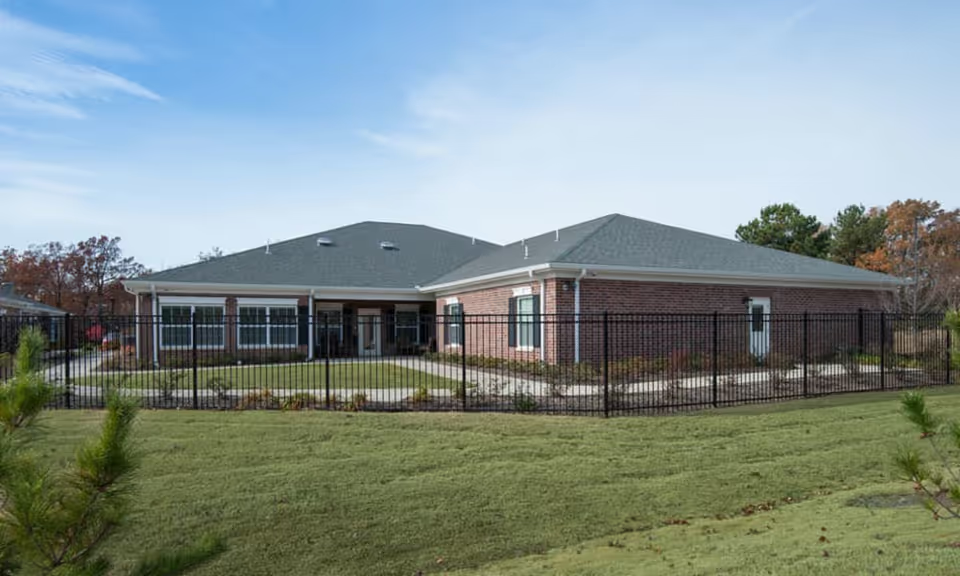
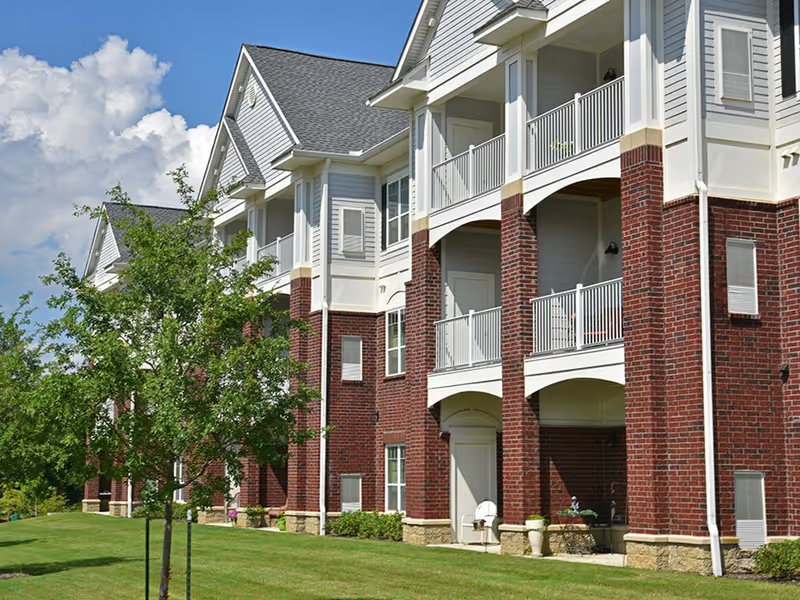
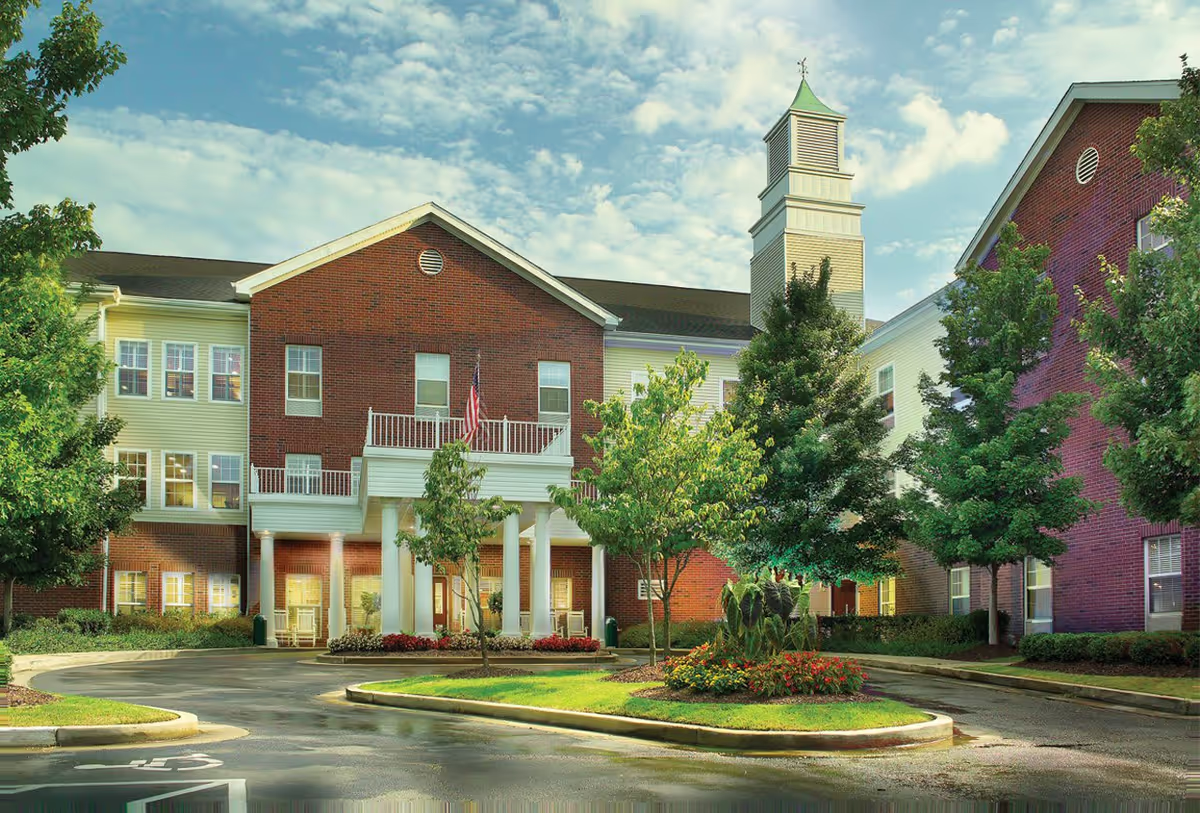
Germantown Plantation presents as a well‑appointed independent‑living community with consistently praised physical accommodations and a broad suite of amenities. Apartments are frequently described as large and well laid out, and common areas—including an indoor swimming pool, hot tub, movie theater, chapel, salon and therapy rooms—are noted as clean and well maintained. Housekeeping and routine maintenance are included, and the campus atmosphere is commonly described as welcoming, social, and conducive to resident engagement.
Dining and programming are clear strengths. Reviews highlight high‑quality, varied meals with multiple menu options and included meal plans for many residents, along with an active calendar of social and recreational offerings (water aerobics, bingo, cards, outings, religious services, and specialty classes). Rehabilitation and wellness services (OT/PT, structured therapy, and a staffed physical‑therapy department) are available on site, and many families appreciate the convenience of on‑site diagnostic services such as blood work and x‑ray.
Staffing and clinical care elicit mixed but instructive patterns. Many accounts emphasize compassionate, approachable caregivers, prompt nurse responses, and knowledgeable administrative and tour staff. At the same time, there are recurring concerns about variable staffing consistency—particularly on weekends—and gaps in ongoing clinical monitoring (for example, hydration and early infection risk). While the community provides on‑site physician visits, reviews indicate physician coverage and follow‑up can be limited relative to some families’ expectations.
Cost structure and service model are important decision factors. The community operates with an a‑la‑carte approach for some personal‑care tasks and ancillary services; reviewers note multiple additional fees (medication handling, laundry, pet fee, shower assistance, initial deposits) that can materially increase monthly cost. Several families found the overall price high relative to the level of assisted‑care support they required, and others characterized the community as better suited to independent or moderately assisted residents than to those needing comprehensive memory‑care or high‑dependency assistance.
Accessibility and privacy considerations are also raised. Some units and bathrooms feature step‑over shower configurations and other transitions that may present challenges for residents with limited mobility; elevator and shower entrance accessibility received isolated concern. A few reviews referenced privacy limitations during care interactions, suggesting that families verify privacy practices during tours and care-planning discussions.
Overall, Germantown Plantation appears well suited to prospective residents seeking spacious independent living, strong social programming, and on‑site wellness and diagnostic services, backed by generally attentive staff and high‑quality dining. Prospective residents and families should weigh the premium cost and a‑la‑carte fee model against their anticipated need for ongoing clinical oversight, memory‑care services, and mobility accommodations. Visiting specific apartment configurations, reviewing the fee schedule in detail, and discussing physician coverage and weekend staffing patterns will help determine fit for residents with higher dependency or cognitive‑impairment needs.