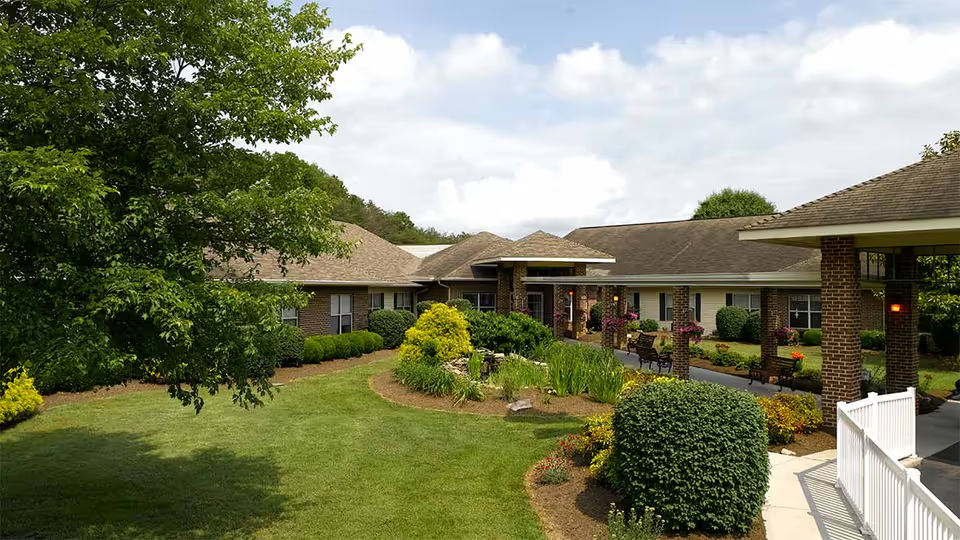
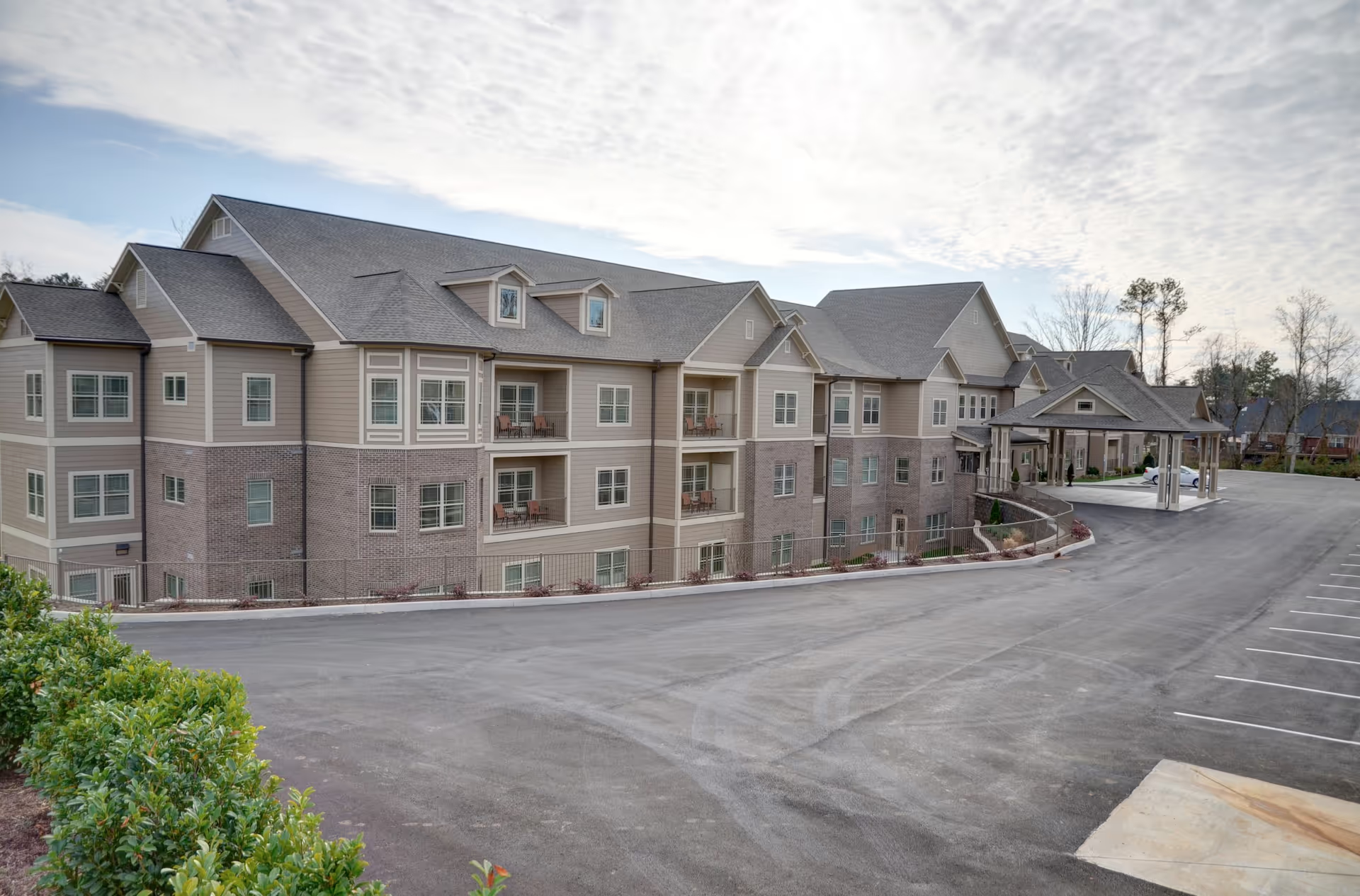
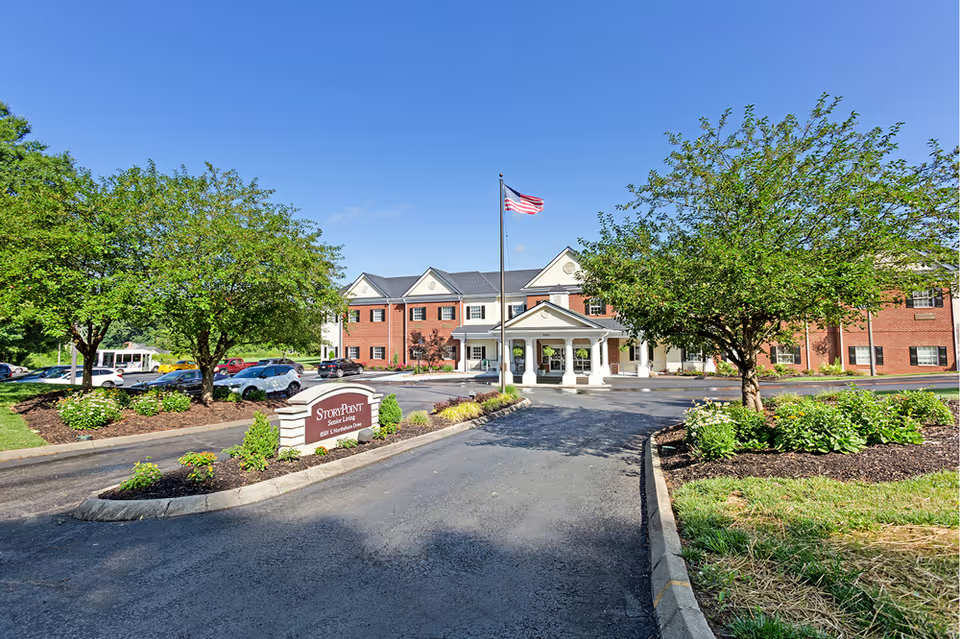
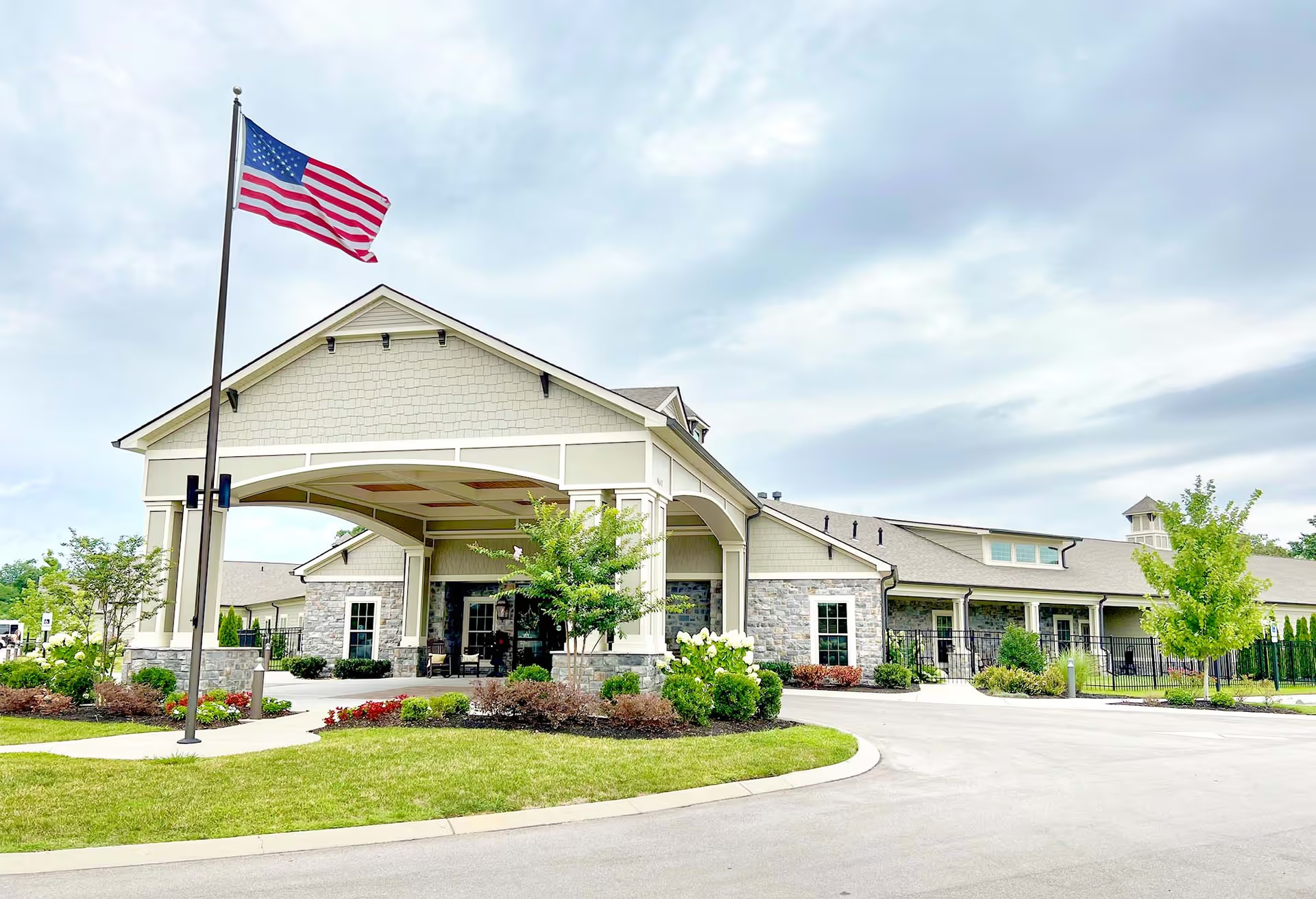
Reviews present a mixed picture of care quality. Several families described compassionate, attentive nursing and caregiving staff who helped with intake, provided reassuring communication during admission, and maintained positive family connections. Admissions and check-in processes are frequently cited as smooth and well-coordinated, and the facility offers private rooms and a short-term/transitional care environment that some families found appropriate for rehabilitation stays. At the same time, a number of accounts describe significant clinical and operational concerns, including medication-administration lapses, pressure-injury prevention and turning inconsistencies, edema management issues, and at least one report of a subsequent hospital readmission following care at the facility. A small subset of reviewers described a serious medical event while under the facility’s care.
Staffing and on-floor operations are a recurring theme. Reviewers commonly describe chronic understaffing and a heavy reliance on agency or temporary staff who may be unfamiliar with individual residents’ routines and needs. This staffing pattern is linked to delayed responses to call lights and other care requests, inconsistent inter-shift communication, and caregiver frustration. Several comments also point to limited on-site medical oversight and a departure in key clinical leadership, which reviewers said contributed to uncertainty about clinical decision-making and escalation pathways.
Dining, sanitation, and facilities practices show uneven performance. Positive impressions of cleanliness and well-maintained areas coexist with reports of kitchen maintenance problems, inconsistent meal-service continuity, and broader sanitation concerns in food-preparation and some common areas. HVAC and ventilation issues are mentioned, and a few families noted problems with laundry billing and other administrative inconsistencies. Infection-control communication and practice were raised as a concern by some reviewers, particularly in the context of communicable-disease risk.
Management impressions are polarized. Admissions and some managerial staff are described as helpful and accommodating, yet other comments indicate concerns about managerial responsiveness, personnel discipline approaches, and the facility’s handling of transfers or discharges. Several reviewers reported difficulty coordinating moves to other facilities or resolving billing and clinical concerns, which suggests gaps in care-transition procedures.
Overall pattern and practical advice: the feedback is mixed, with distinct clusters of positive and negative experiences. Prospective residents and families should plan an on-site visit focused on observable operational indicators: staffing levels during peak care times, how agency staff are integrated and informed about resident needs, response times to call systems, visible cleanliness in dining and care areas, HVAC function, and documentation of medication and wound-care protocols. Ask for recent inspection reports, staffing ratios, the presence and accessibility of on-site medical oversight, infection-control policies, and specific transfer and billing procedures before making a placement decision.