Overall impression Knoxville Landing is presented across reviews as a community with strong person-centered strengths balanced by several operational limitations. The facility receives repeated praise for its caregiving culture: staff are described as compassionate, engaged, and long-tenured, and many families highlight prompt maintenance, proactive communication, and a family-like atmosphere. At the same time, reviewers describe recurring operational patterns — most notably variability in staffing, medication-handling, and dementia-specialized services — that can materially affect the resident experience.
Care quality and clinical operations Clinical care is frequently highlighted as a positive, with 24/7 nursing presence, on-site clinical resources (PA and pharmacy), and attentive caregivers who coordinate with families. Reviewers describe timely medication delivery and rapid response to acute needs in many cases. Conversely, a number of accounts identify gaps in medication-management processes (including medication changes and coordination with outside pharmacy), inconsistent personal-care scheduling (bathing and dressing support), and intake/evaluation variability that may miss baseline health issues or behavioral needs. Memory-care capability emerges as an inconsistent area: while the community provides a secure environment and attentive memory-care staff in some cases, reviewers also note that dementia-specific programming and acceptance criteria are uneven, and that the community may not be suited for residents with more advanced exit-seeking or behavioral needs.
Staff, culture, and management Staff are the most consistently praised feature. Reviews emphasize long tenure, low turnover, direct engagement with residents (knowing names, personal interest), and managers who are often responsive and willing to resolve problems. Several families cite specific staff members and describe staff going beyond their job descriptions to accommodate residents. Counterbalancing that, there are repeated mentions of understaffing or managers performing dual roles during busy periods, which can create delays in care, inconsistent supervision, and occasional missed services. Billing practices and some intake decisions are described as inflexible; reviewers recommend clearer upfront communication about absence policies and evaluation criteria.
Dining and activities Dining is frequently singled out as a strength: restaurant-style menus, varied choices (including an anytime/à la carte option), chef-driven offerings, and many positive comments about food quality. A limited number of reviews raise issues with meal composition (heavy starches, overcooked vegetables) and meal-time preferences (earlier dinner times), suggesting some inconsistency in nutritional balance. Activity programming is robust and diverse — exercise programs, musicians, excursions, and on-site events like birthday celebrations and themed activities — and is a major contributor to social engagement. That said, inconsistent activity postings and communication have occasionally prevented residents from participating as intended.
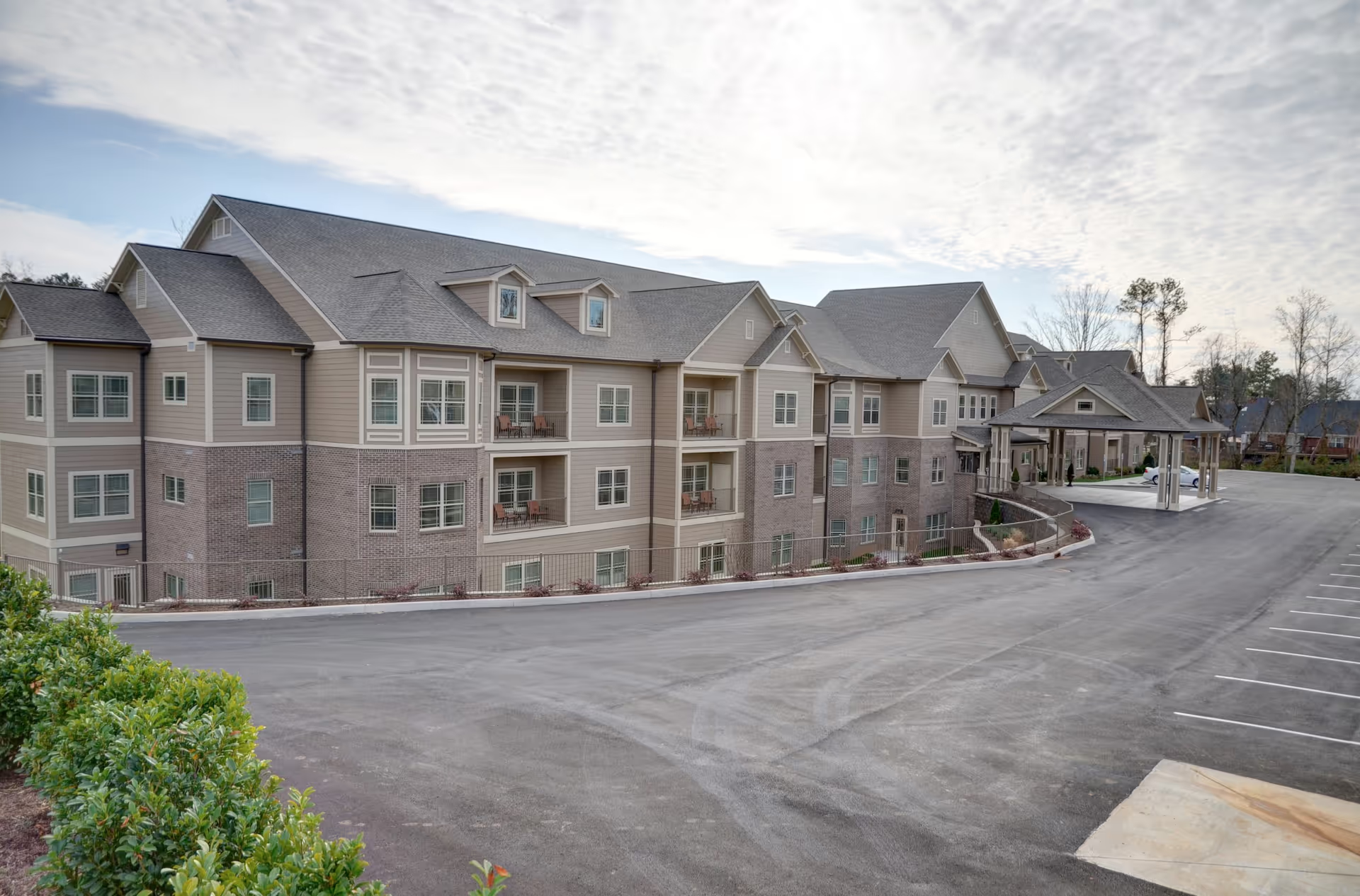
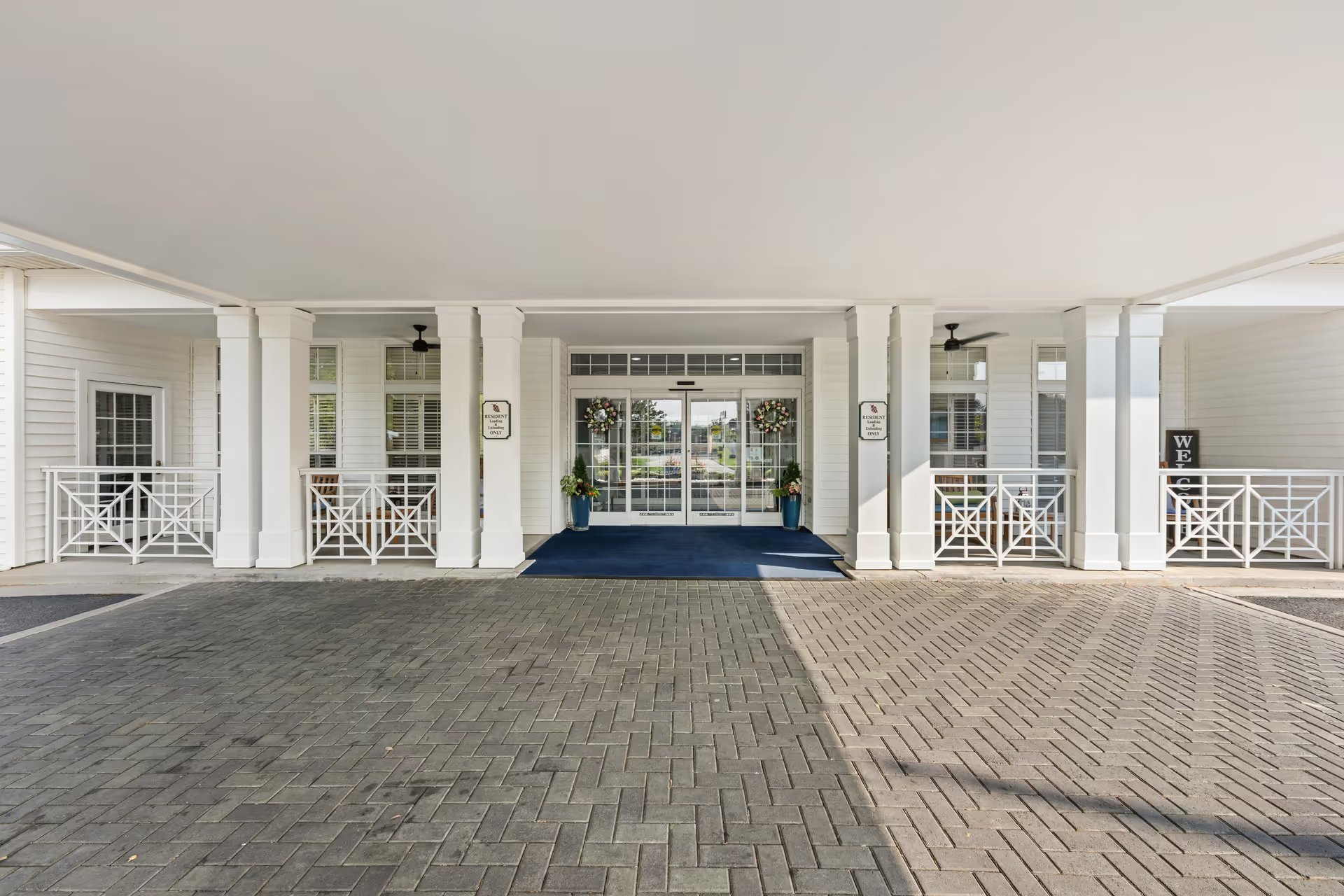
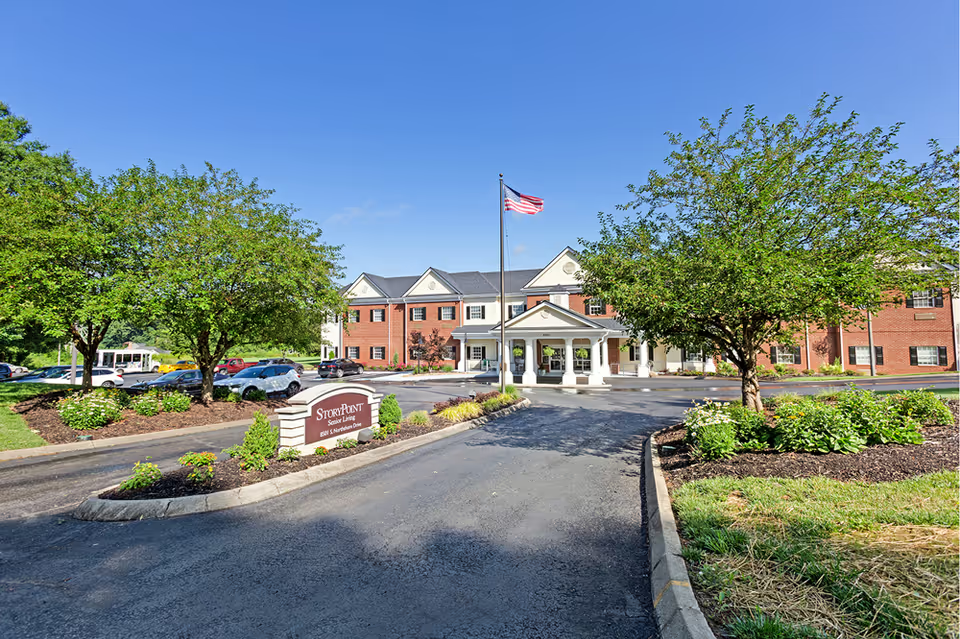
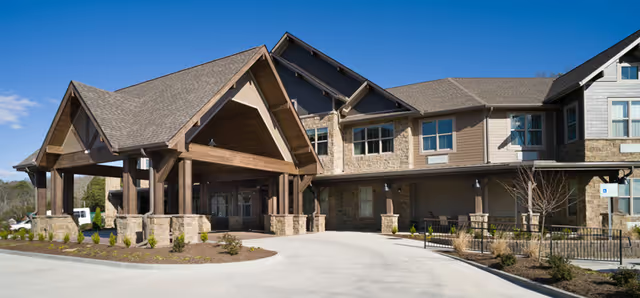
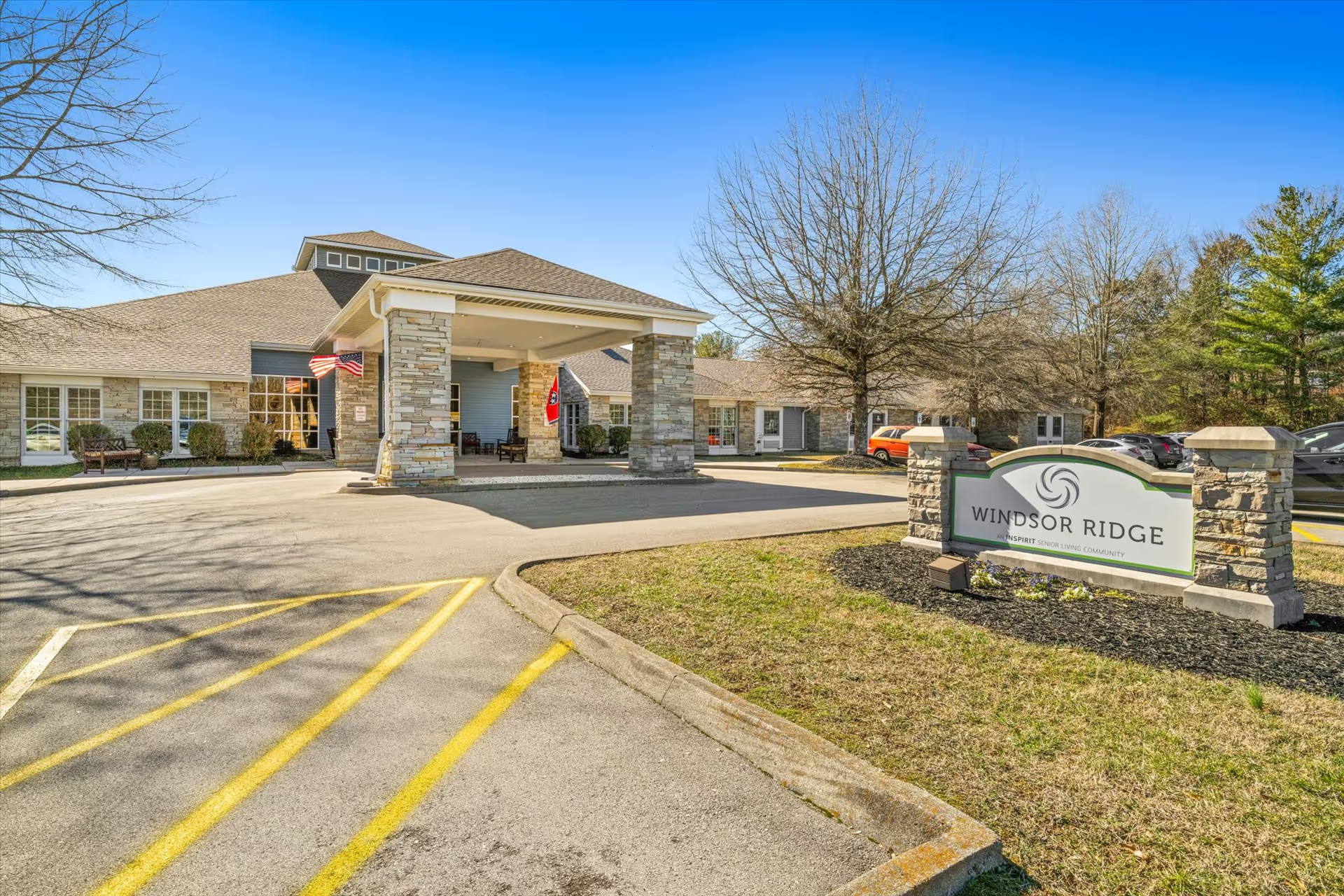
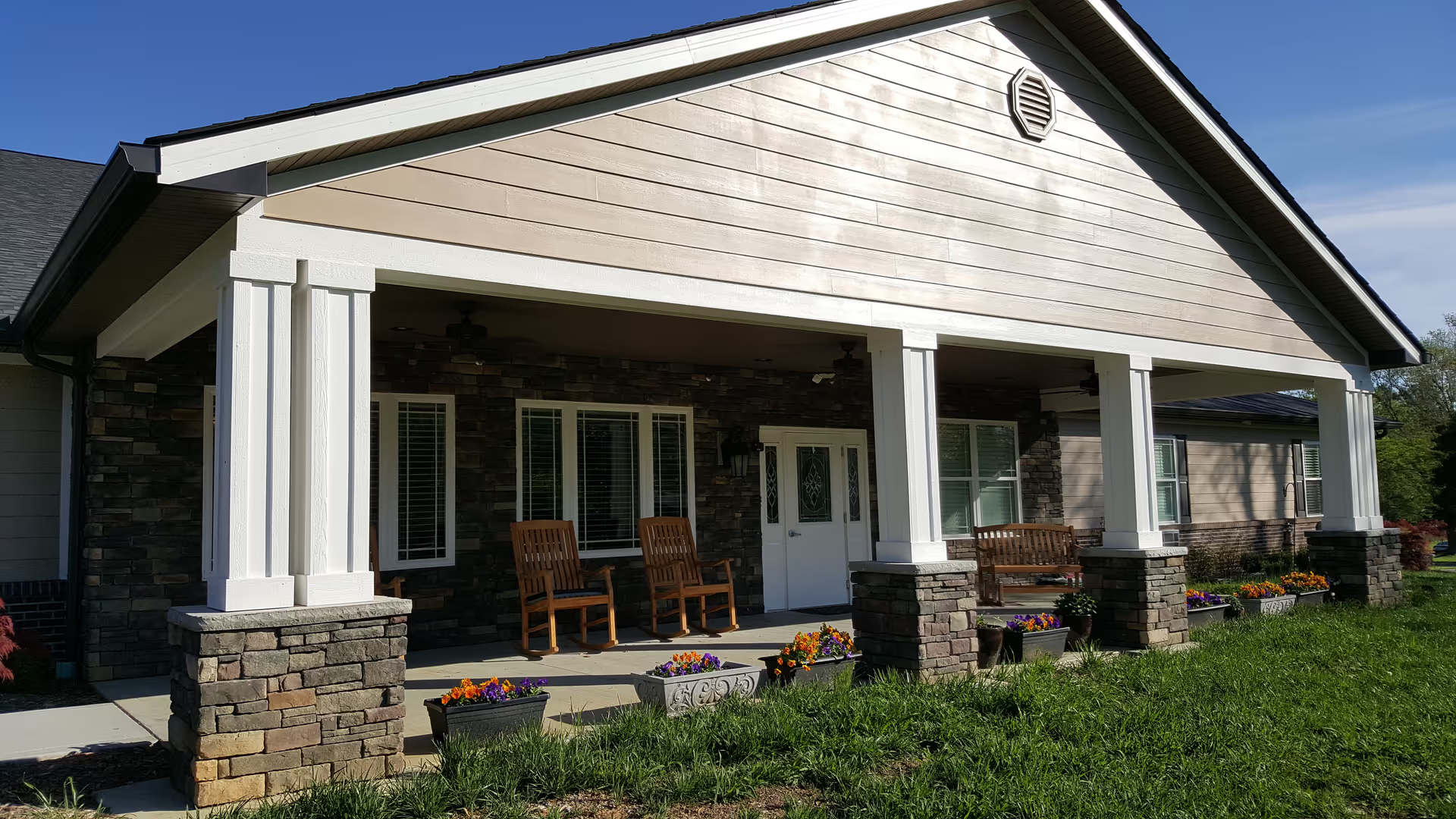
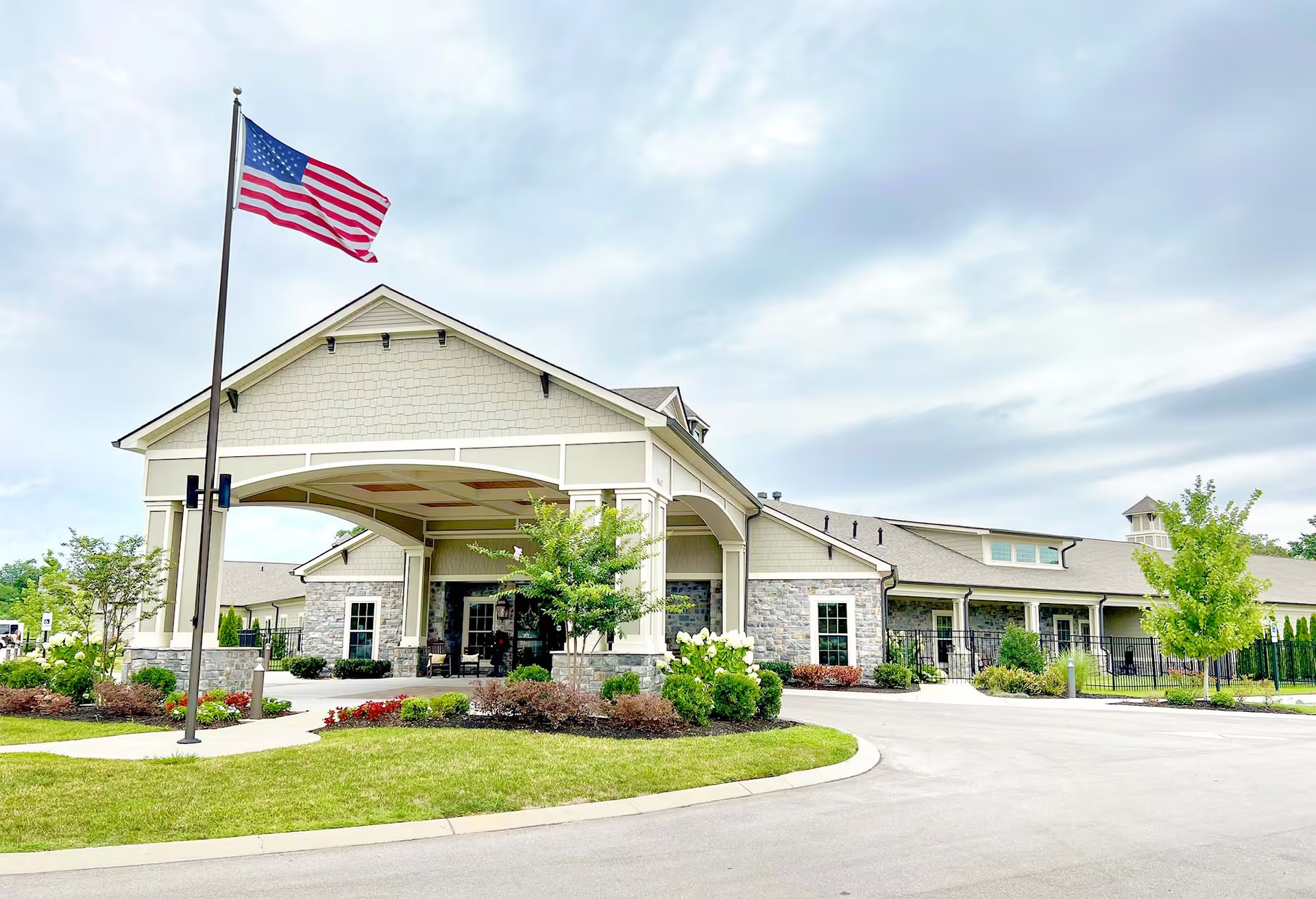
Facilities and amenities The property is described as clean and well-maintained, with appealing grounds, a gazebo, ice-cream area, and other conveniences (beautician, transportation). The single-floor, smaller-community layout is appreciated for supervision and a home-like feel. Several reviewers note the building is older and rooms are smaller or feel crowded compared with newer communities. There are also intermittent sanitation or odor concerns in common areas and some apartment-level maintenance-access challenges that the facility should monitor.
Patterns and decision factors for families Two clear decision drivers emerge: staff quality (a strong reason to choose the community) and operational consistency (a reason for caution). Many reviewers say the staff and social environment make the facility feel like home and improve resident wellbeing. In contrast, concerns about staffing consistency, medication processes, memory-care fit, billing flexibility, and occasional sanitation or pharmacy coordination issues are recurring themes that prospective families should investigate during a tour.
Recommendations for prospective families During a visit, verify the community's dementia-care capabilities against your loved one’s specific behavioral and clinical needs; clarify intake criteria and how the facility handles exit-seeking or acute psychiatric placements. Ask for details on staffing ratios and shift coverage, examples of medication-management protocols, how activities are posted and communicated, and specifics on billing policies for absences or hospital stays. Observe meal service and sample menu options, and inspect room sizes and common areas for fit. Many reviewers emphasize that staff engagement is the standout strength — meeting caregivers and managers in person is likely to be the most informative part of a tour.
In summary, Knoxville Landing is often described as a well-maintained, socially active community with a notably compassionate staff and strong dining and activities. Those positives are tempered by operational inconsistencies around staffing, medication processes, dementia specialization, and certain facility-level maintenance and sanitation issues. Families prioritizing staff continuity and social programming may find this community a good match; families with complex clinical or memory-care needs should seek targeted clarifications during the evaluation process.