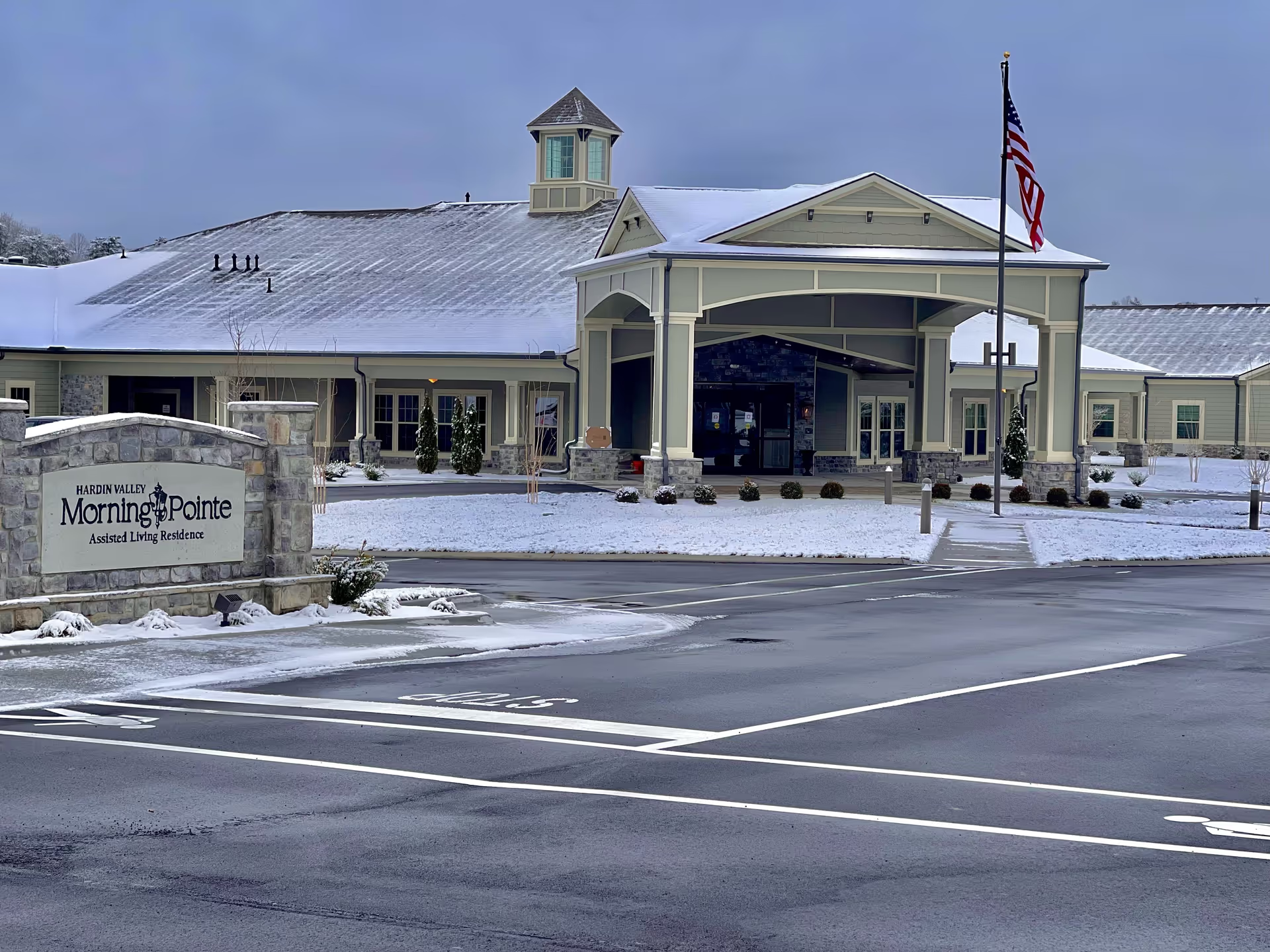
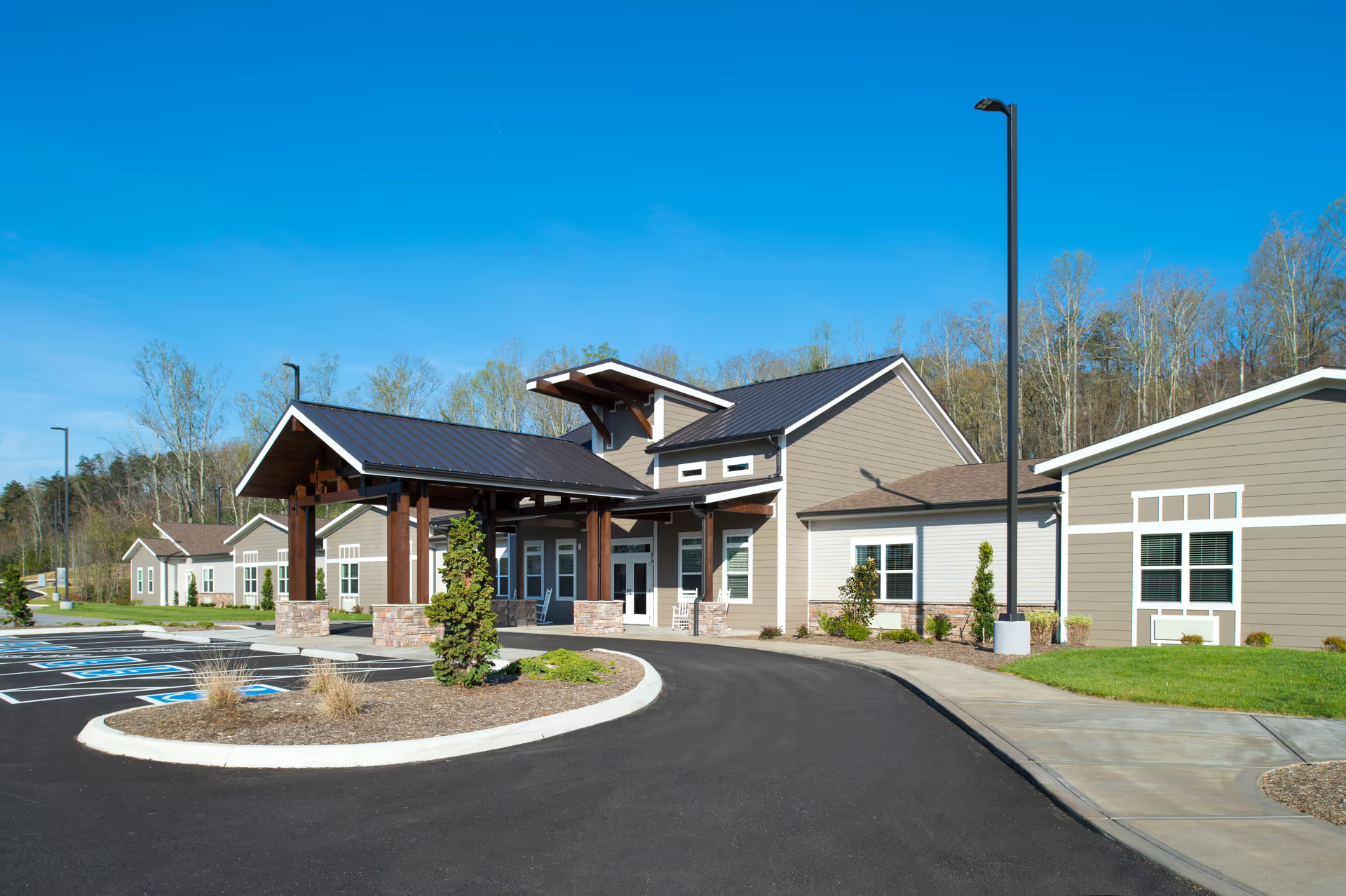
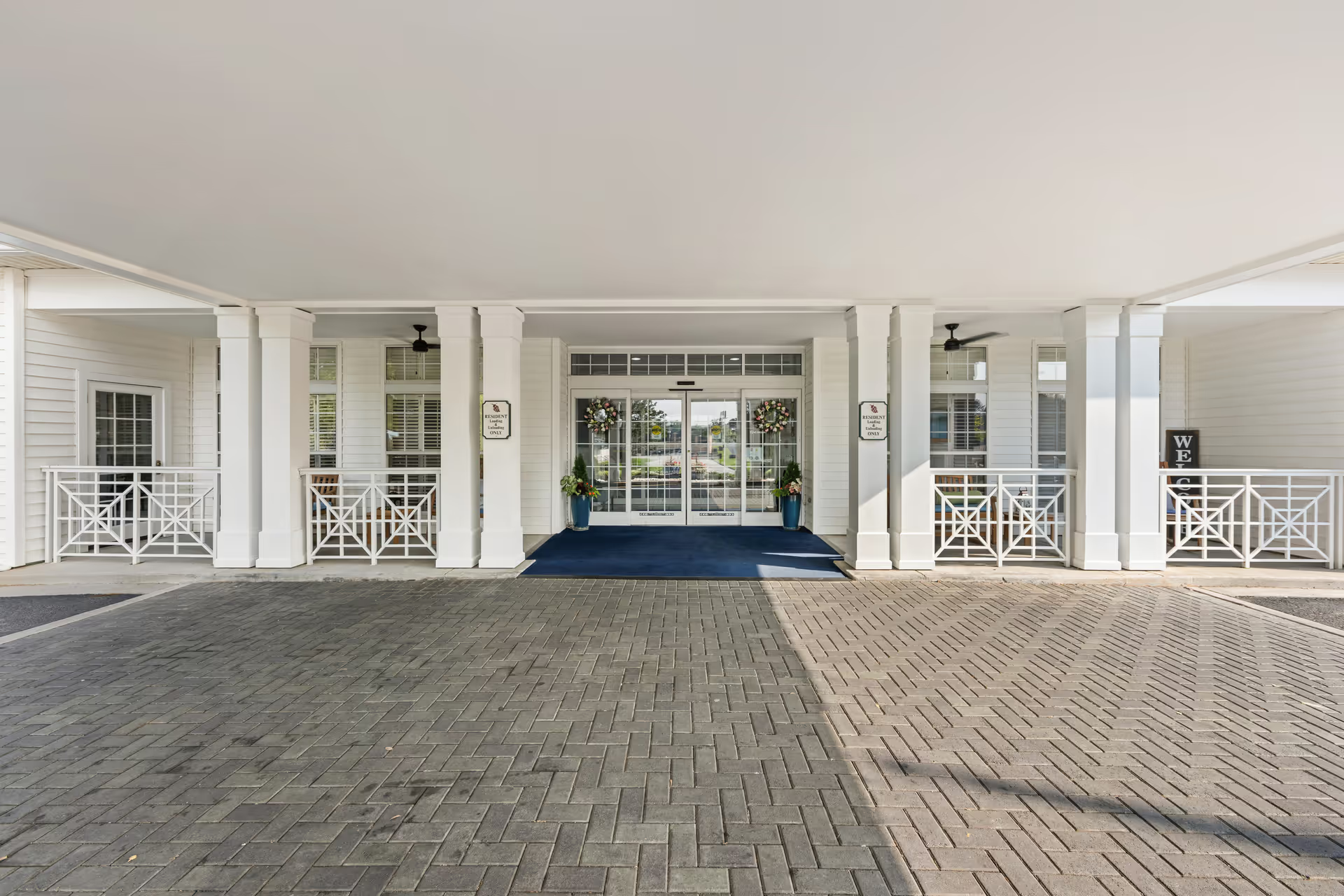
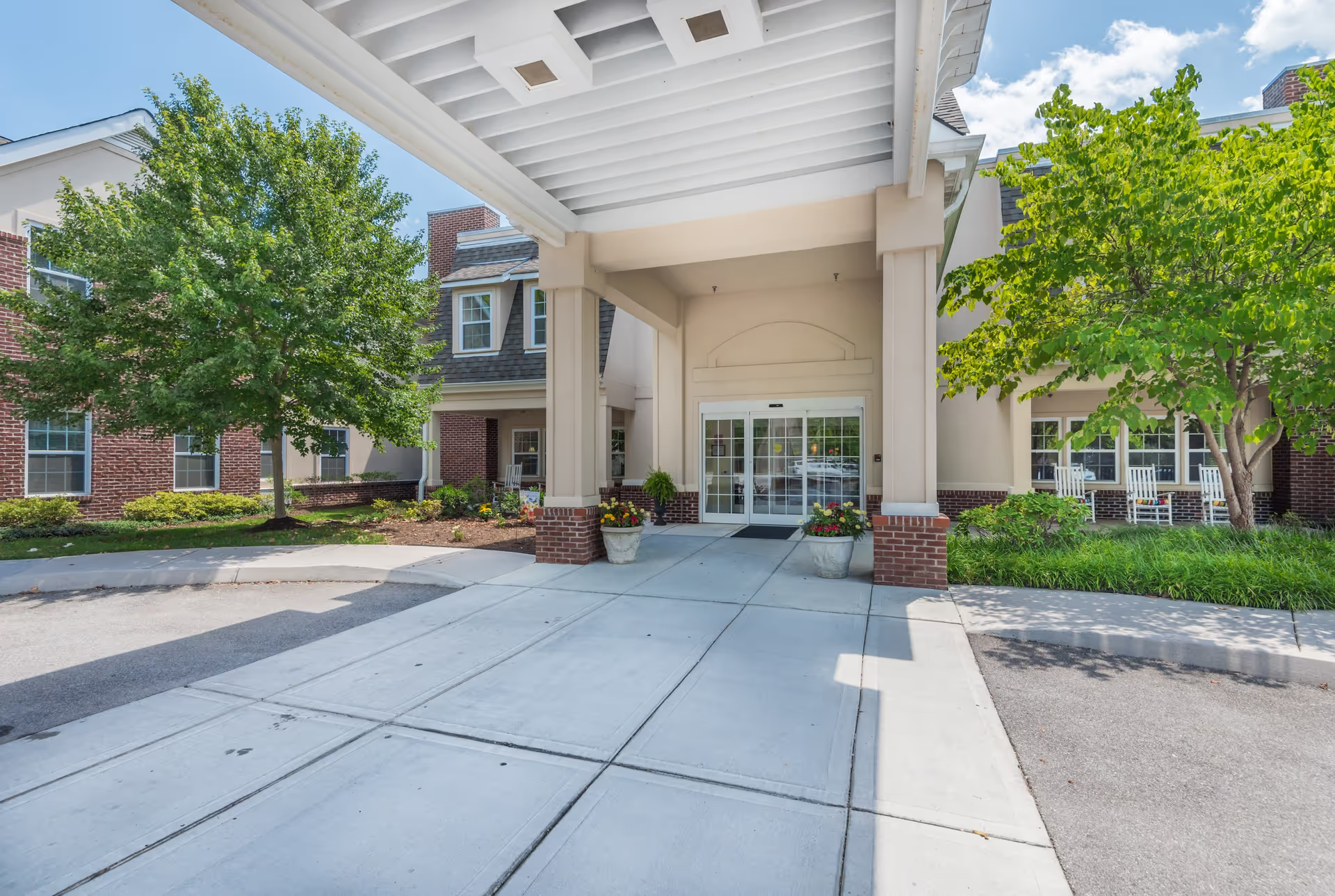
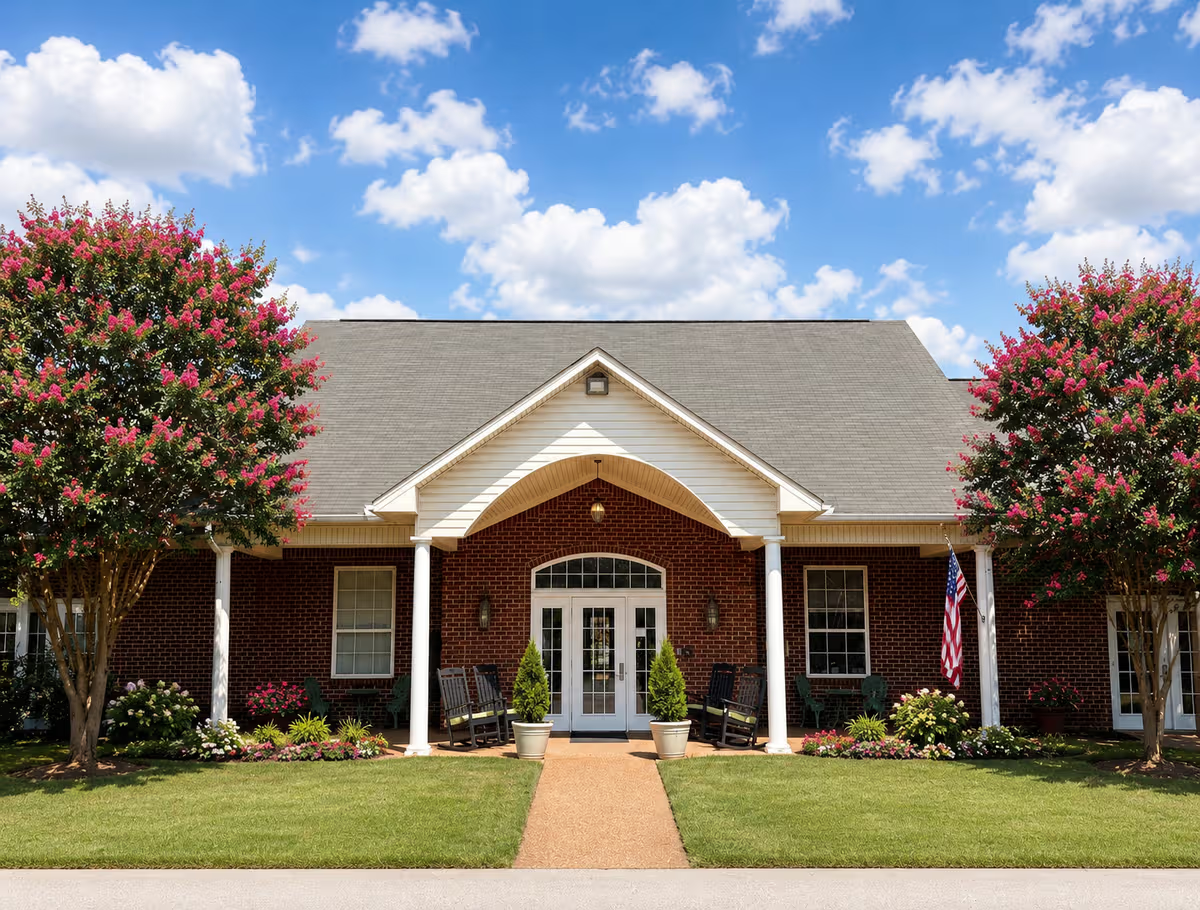
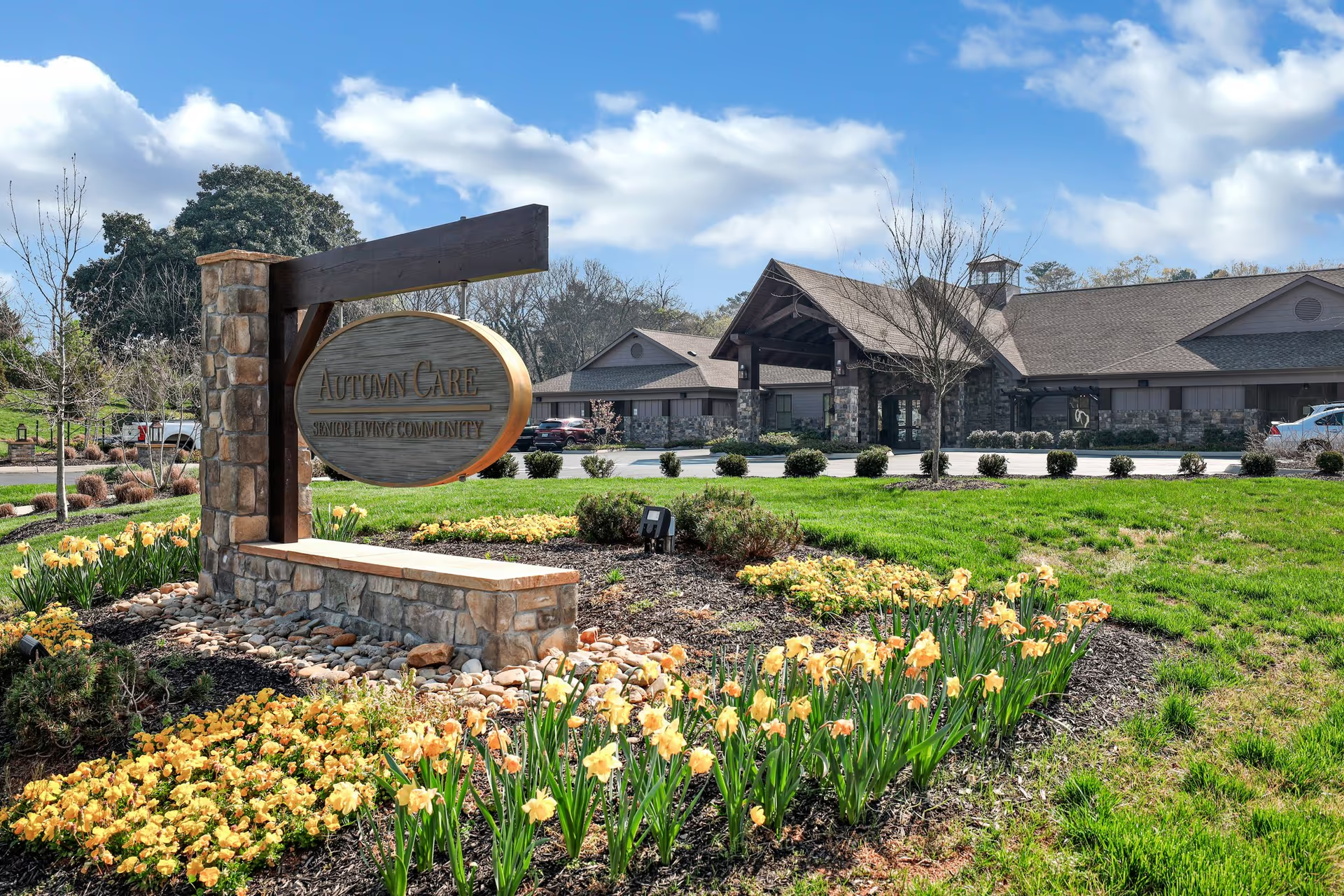
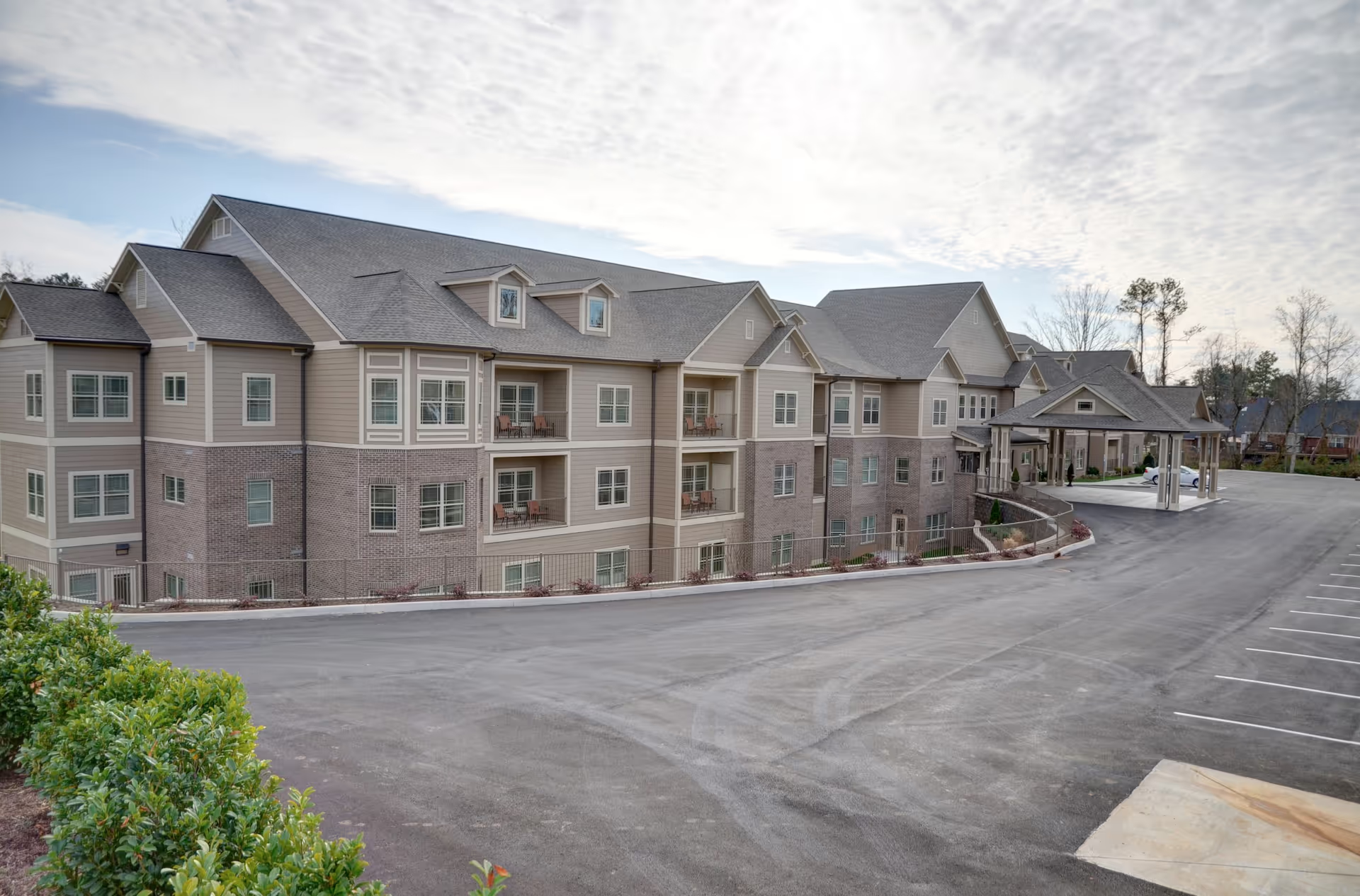
Overall impression: Reviewers describe Ben Atchley Tennessee State Veterans' Homes as a well‑maintained, veteran‑focused facility with consistently strong praise for cleanliness, meals, and a respectful atmosphere. Many accounts emphasize a culture of patriotism and veteran camaraderie, including honor‑guard participation and onsite religious services. The building and grounds are frequently described as spacious and attractive, creating a non‑institutional environment for residents.
Care and clinical services: Clinical strengths include dedicated dementia programming, robust therapy services, and capable wound care. Several reviewers highlighted 24/7 access to clinical staff and specific staff members and leaders by name for exemplary care. At the same time, reviewers describe operational inconsistencies: staffing shortages and high workloads appear to contribute to variable nursing performance across shifts and units, uneven responsiveness to call systems, and periodic gaps in clinical monitoring and escalation. These patterns have been associated with delayed assistance and, in a number of accounts, subsequent hospital transfers. Prospective families should probe current staffing ratios, shift supervision, and clinical escalation protocols during a tour.
Staff and management: The staff are a central strength in many narratives — CNAs, nurses, therapists, and admissions staff are frequently praised as compassionate, professional, and accessible. Several individual employees received positive recognition for going above and beyond. However, reviewers also describe operational friction points around admissions, donation processing, and family communication. There are explicit concerns about unclear or conflicting information regarding VA affiliation and benefit coverage; some families perceived messaging about VA payment responsibilities as misleading. Clarify financial and benefits information directly with facility administration and request it in writing.
Dining, activities, and resident life: Dining is widely regarded as a positive feature, with reviewers noting good, varied meals. Activities programming is also highlighted — live music, ice cream socials, outings (pre‑COVID), and regular events contribute to social engagement. That said, participation and engagement appear uneven: some residents are highly involved while others experience limited interaction, which may reflect staffing limitations or unit programming differences. Ask about current activity schedules, average attendance, and how the facility supports participation for residents with higher care needs.
Facilities and logistics: The physical plant and landscaping receive favorable comments; rooms are described as spacious and the facility as clean and odor‑controlled. A few operational aspects may affect resident experience: availability is limited at times (waiting lists were noted), some rooms are dual‑occupancy which may affect privacy, and donation or personal‑item intake processes have been described as cumbersome. Cost is considered competitive regionally but not inexpensive; several reviewers raised perceived value concerns given the variable operational issues.
Notable patterns and guidance: The overall pattern is strongly positive around culture, environment, and many individual caregivers, paired with recurring operational issues tied to staffing, responsiveness, and clarity of financial/benefit information. For families considering this facility, recommended due diligence includes: confirming current staffing levels and supervision practices, testing response times during a visit, obtaining written explanations of pricing and VA‑benefit eligibility, touring specific units to assess activity engagement, and asking about policies for shared rooms and donation/admissions procedures. These steps will help reconcile the facility's many documented strengths with the operational variability described by reviewers.