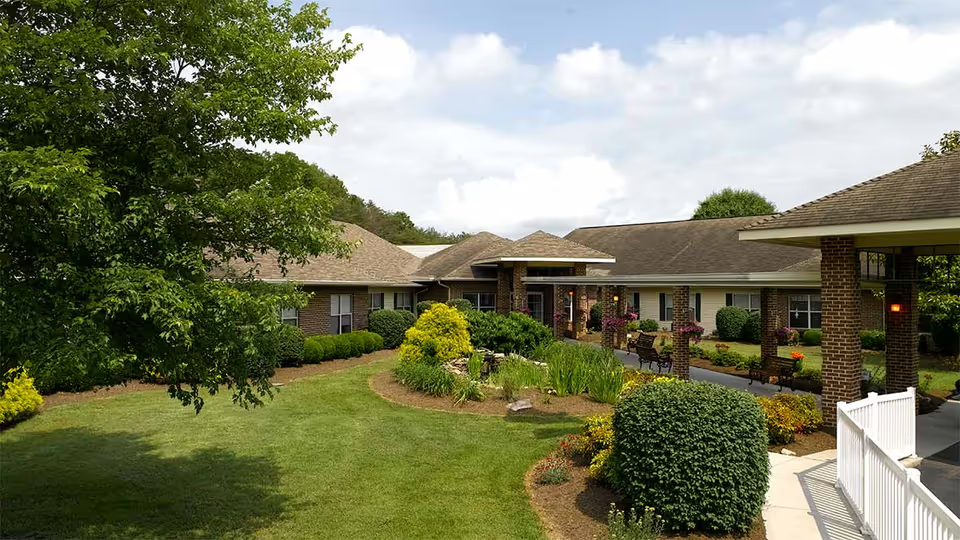
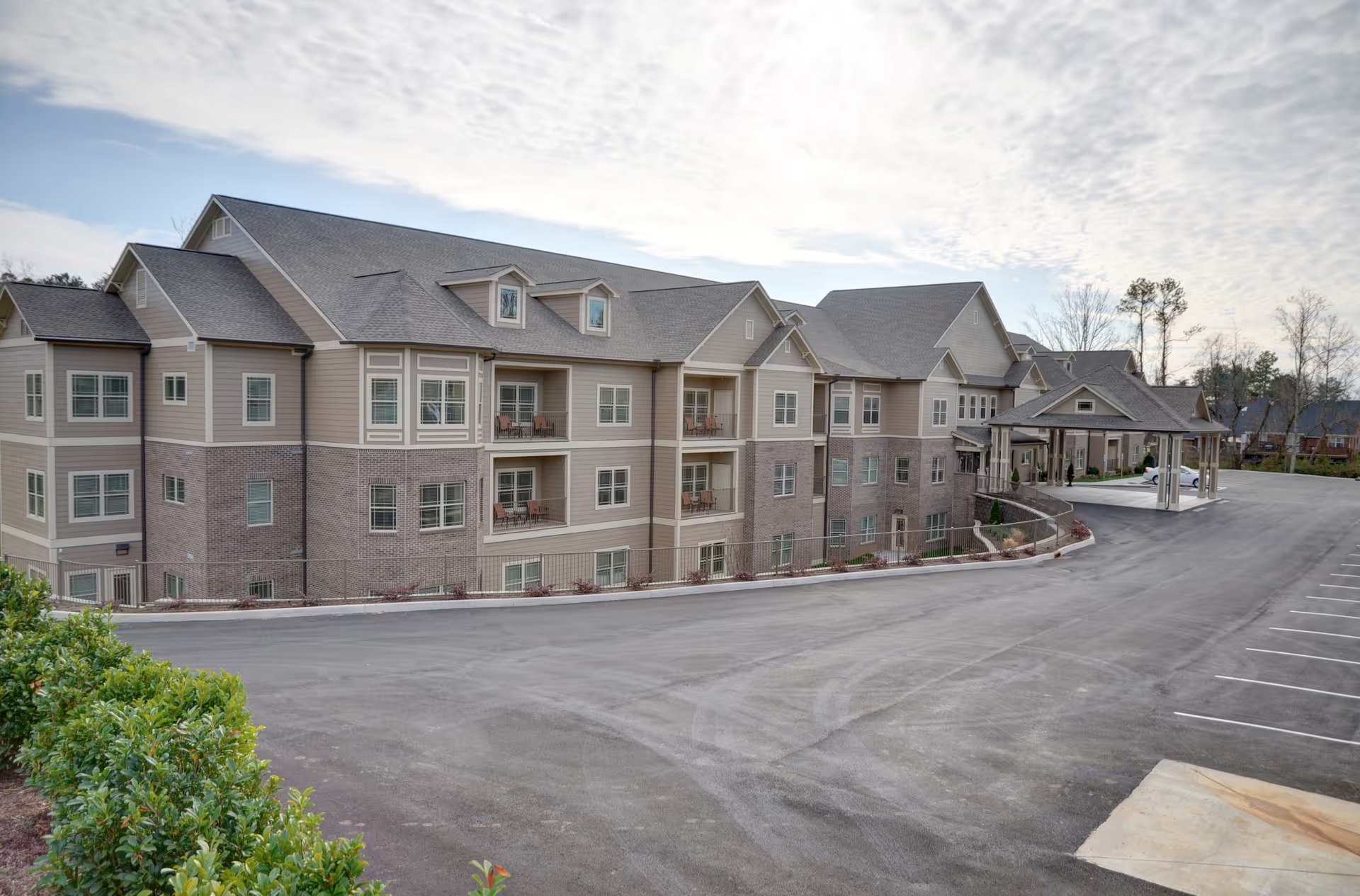
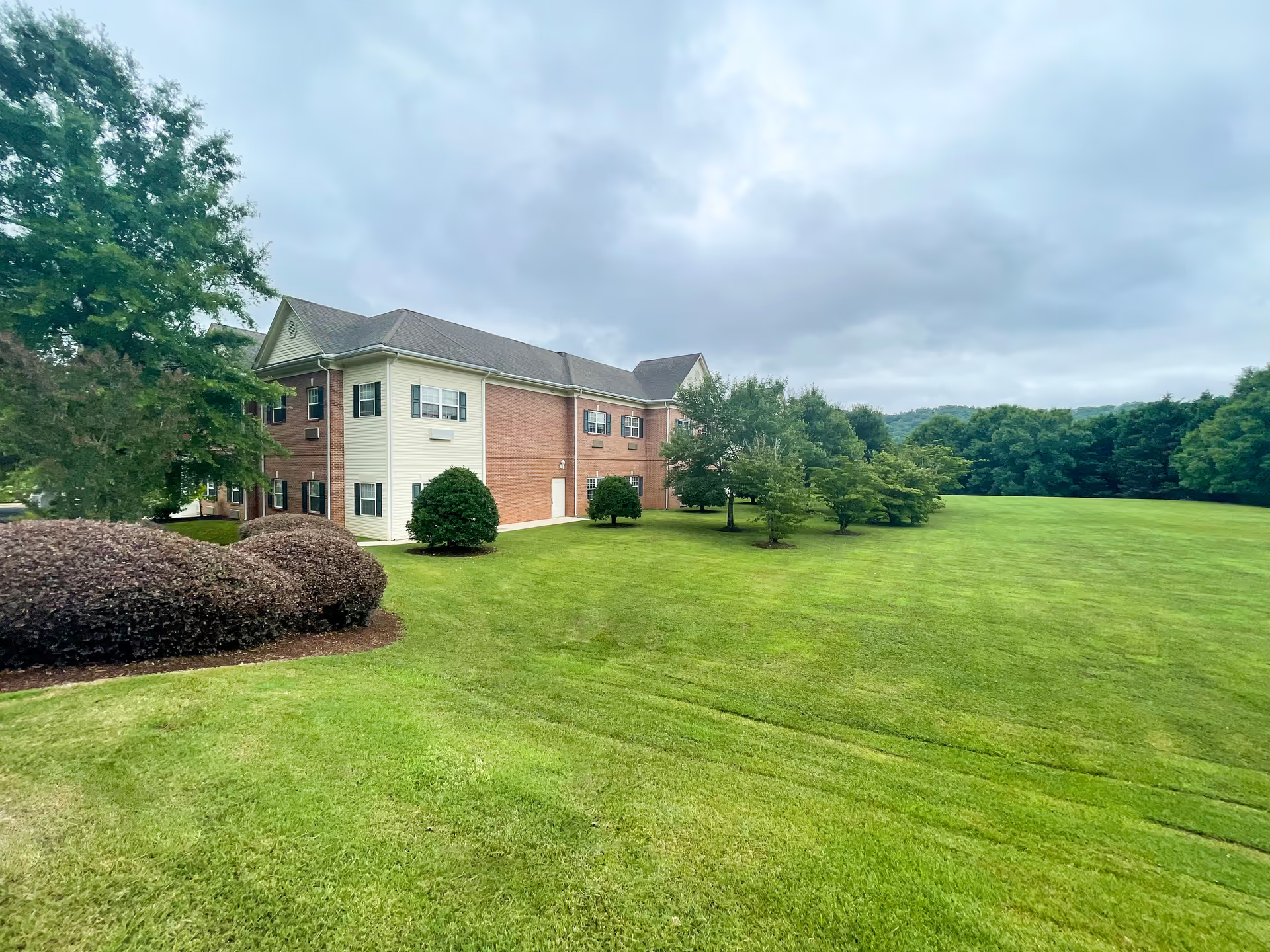
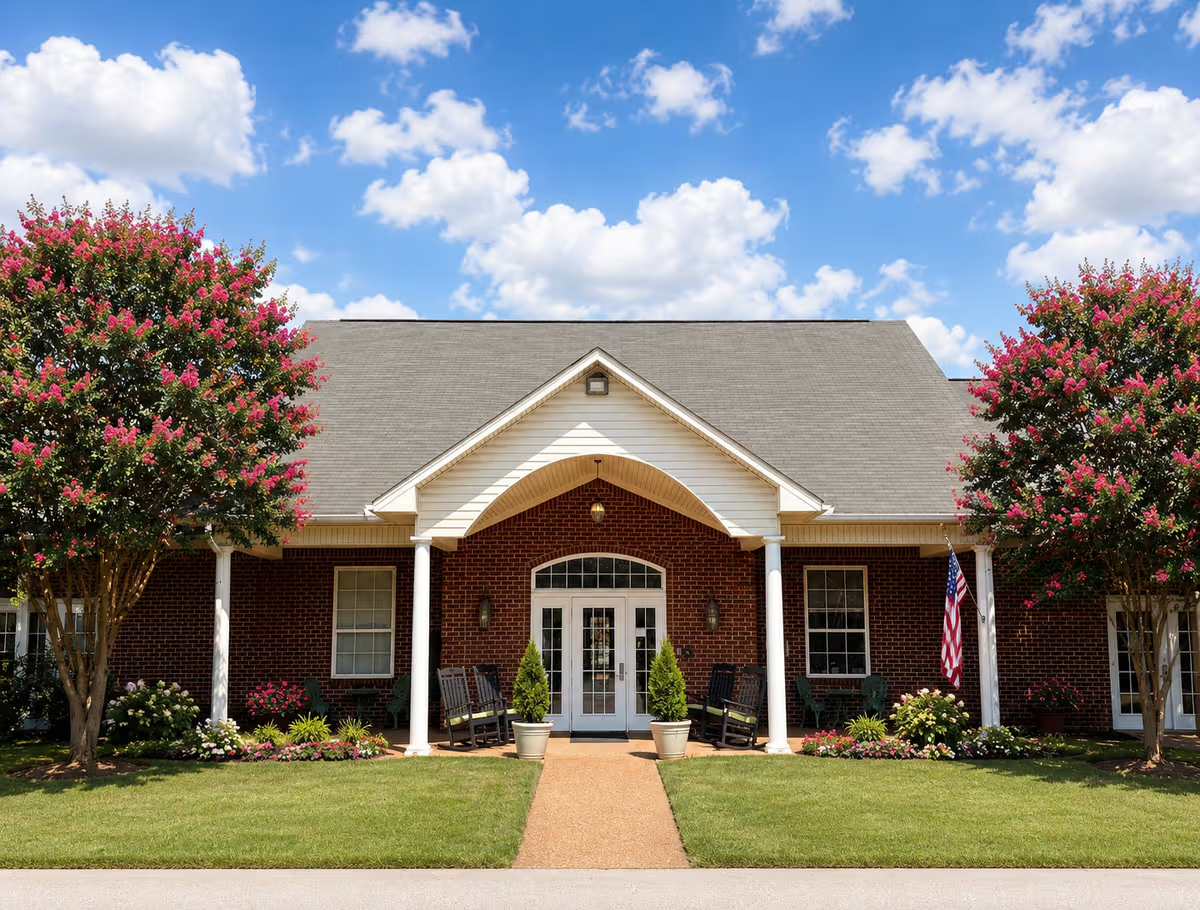
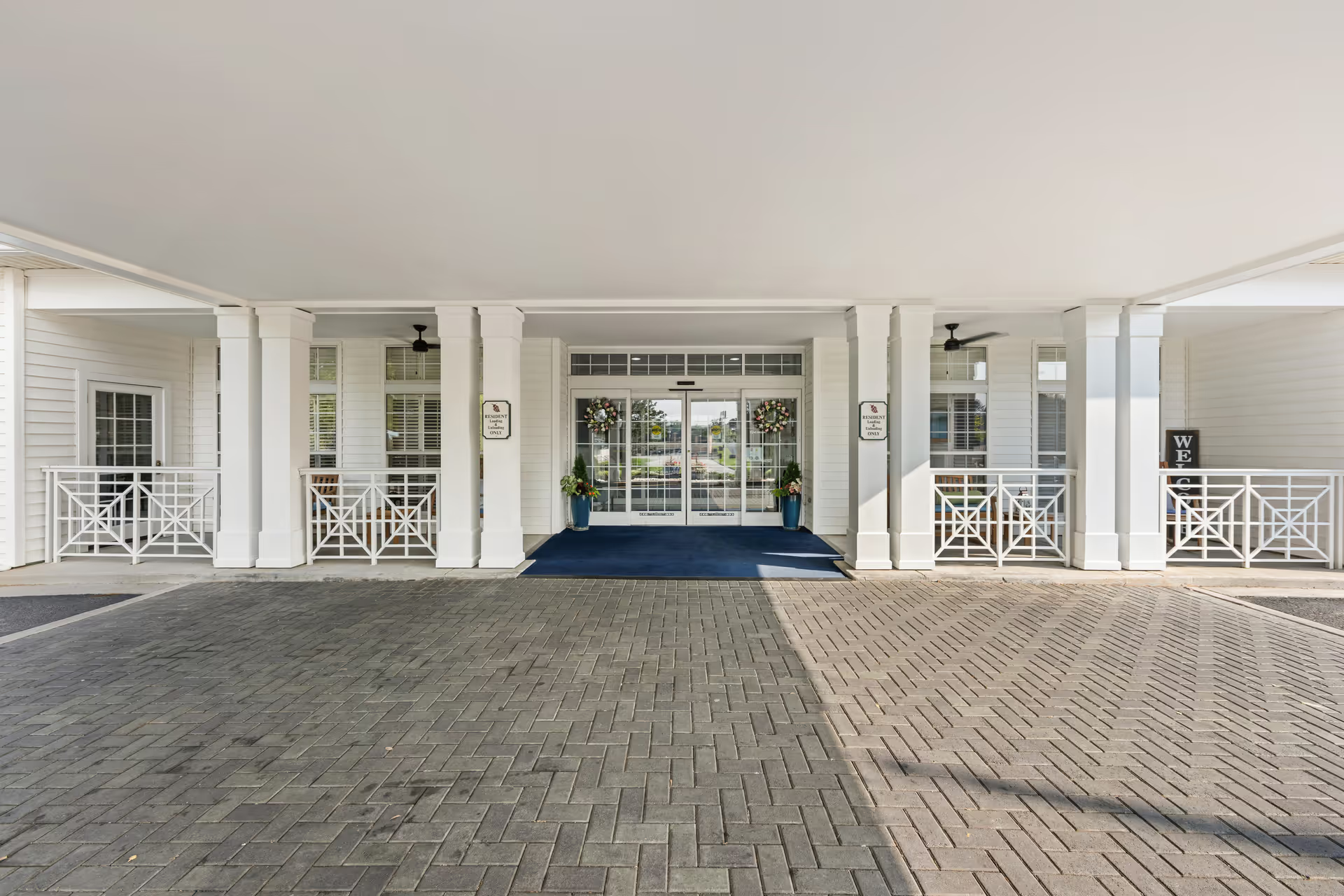
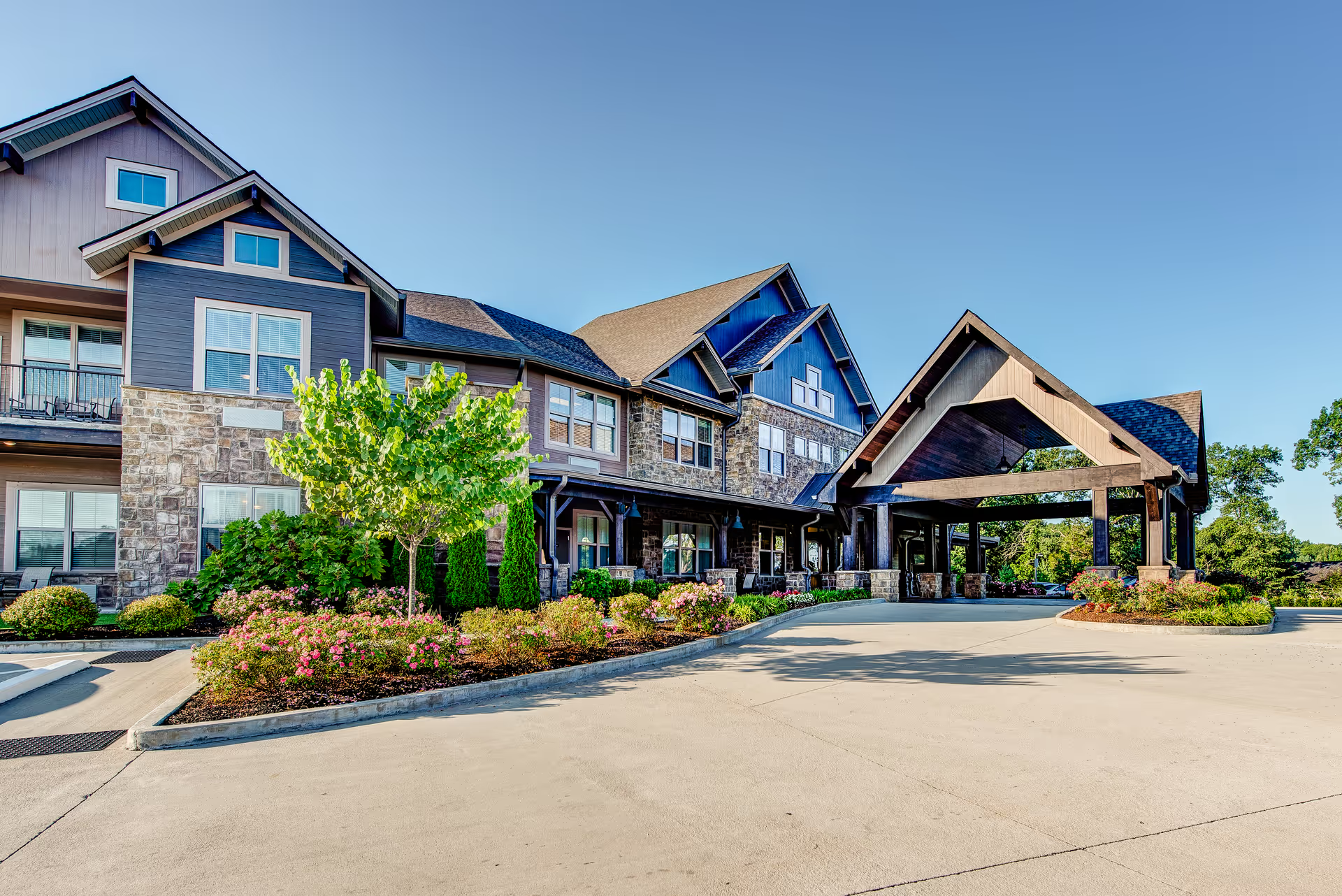
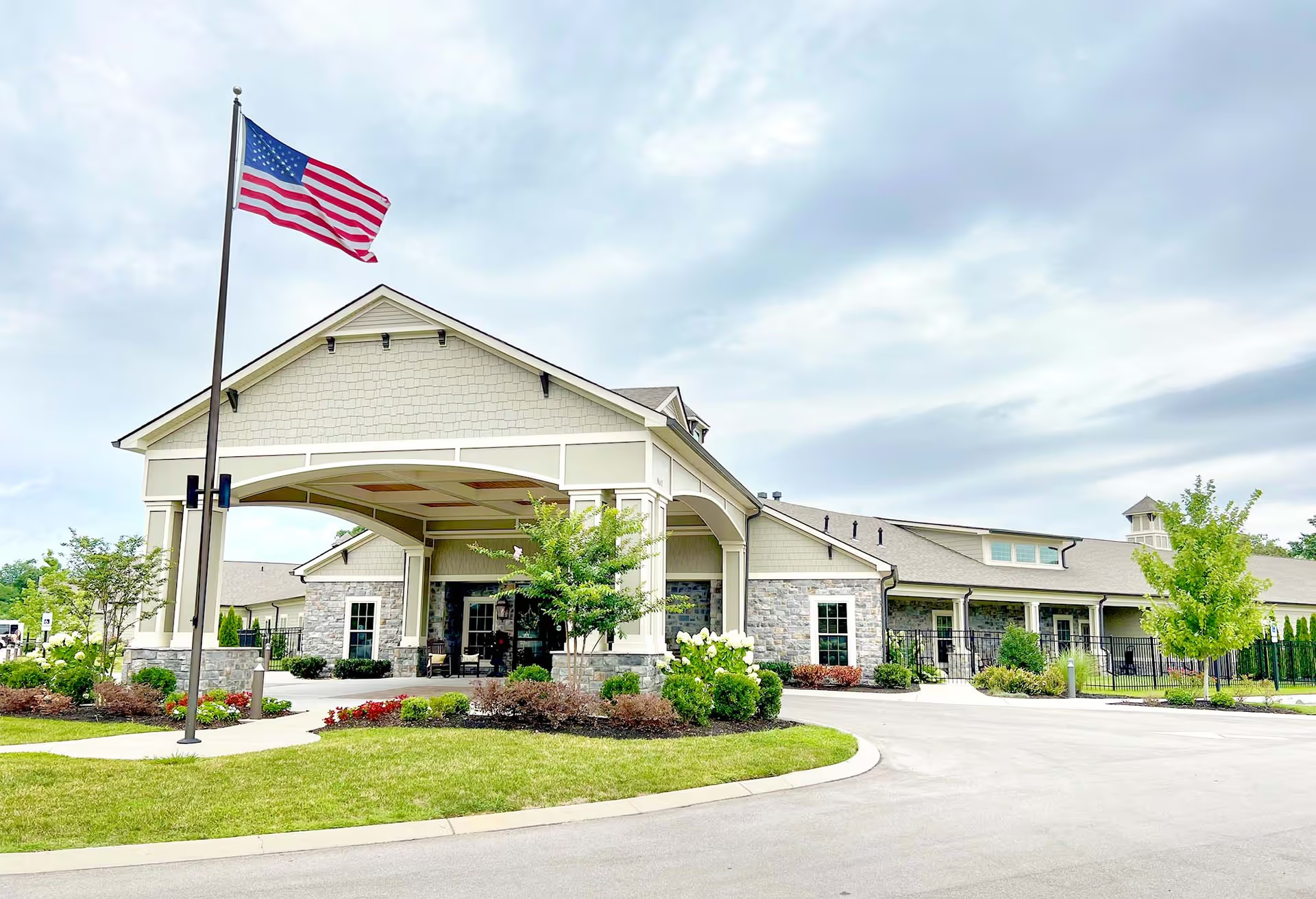
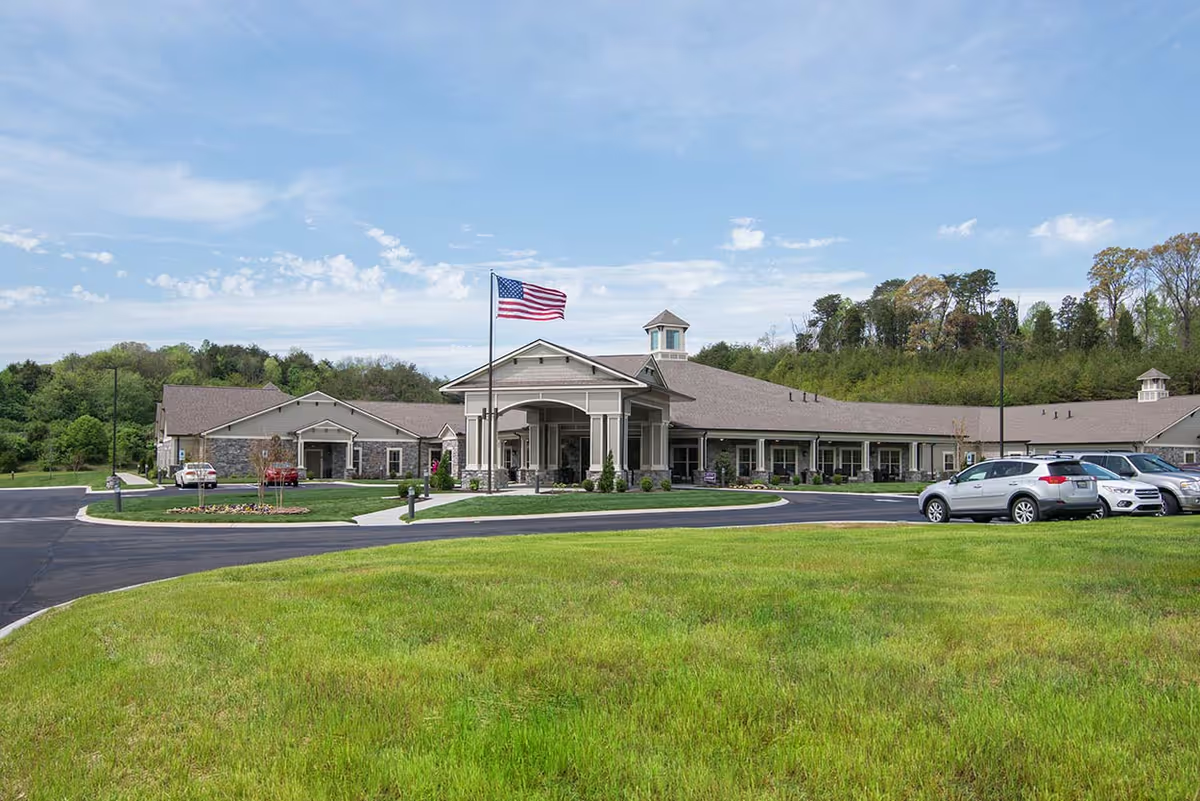
Deane Hill Place presents a mixed but consistent pattern: the facility’s design and frontline teams are often praised, while operational and management-level issues recur. Many families highlight the campus-style cottages, outdoor courtyards, large bright apartments, and accessible in-room safety features as clear strengths. The community offers multiple levels of care, a dedicated single-level memory-care unit with secure entry, and on-site amenities such as salons, libraries, and regular live-music and outing programs. Several reviews describe nursing and therapy staff as experienced and compassionate, and hospice and end-of-life support are noted to be handled with dignity in a number of cases.
At the same time, a sizable set of concerns centers on staffing consistency and operational reliability. Reviewers describe uneven staffing levels (including nights and weekends), reliance on agency or float staff, and high turnover; these patterns are associated with delays in attending to resident needs, variability in medication administration, and uneven clinical follow-through. Multiple accounts also describe weaknesses in the pendant/alarm response system and other emergency-response practices that suggest gaps in transfer-safety and incident-management workflows.
Dining and activity logistics are another recurrent theme. The campus layout—several small buildings with separate dining rooms—creates logistical challenges: meals prepared in one building are transported to others, and some residents experience cold or delayed service and inconsistent menu quality. Activity programming is broad and includes meaningful, resident-focused options for many residents (gardening, music, outings), yet reviewers commonly note that offerings are less well adapted to residents with higher care needs or limited mobility.
Management, communication, and financial transparency emerge as mixed areas. Positive front-line interactions are frequently contrasted with criticisms of administrative responsiveness: families report delayed or unclear communication about clinical incidents, billing disputes, undisclosed community or entrance fees, and slow refund processes. Maintenance and housekeeping performance is described unevenly — many reviews praise groundskeeping and responsiveness to maintenance requests, while others cite sanitation and pest-control inconsistencies or cleanliness lapses.
Overall, Deane Hill Place shows strengths in person-centered frontline caregiving, campus aesthetics, and available amenities, but prospective residents and families should be aware of operational risks that can affect day-to-day reliability: staffing consistency, meal-service logistics, clinical follow-through, and administrative transparency. Experiences appear to vary considerably between cottages and over time, producing a wide range of family reports from highly satisfied to seriously concerned. When evaluating the community, it is prudent to ask targeted questions about staffing ratios (including nights/weekends), alarm response procedures, meal service logistics for a particular cottage, documentation of fees, and the facility’s process for communicating and resolving clinical incidents.