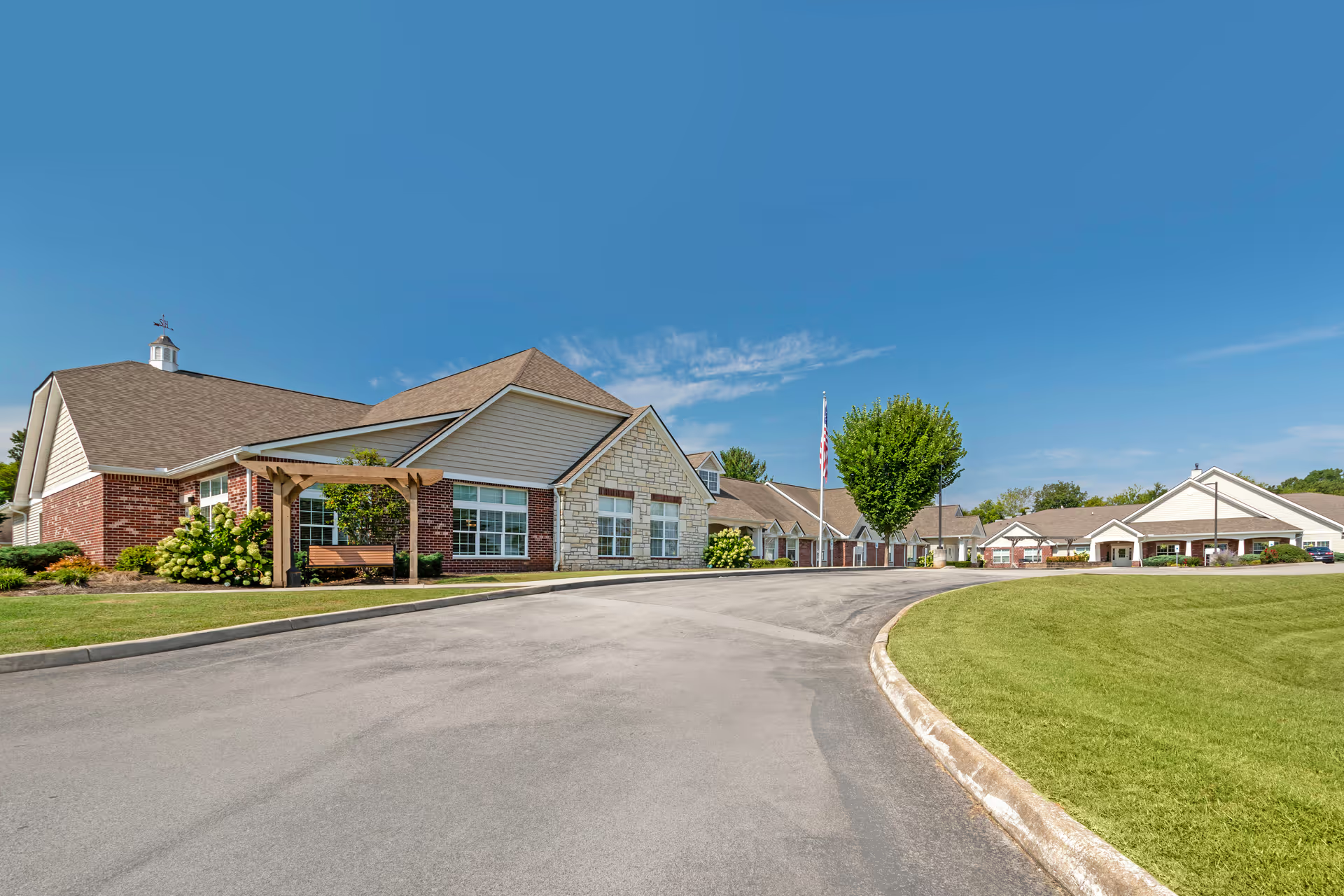
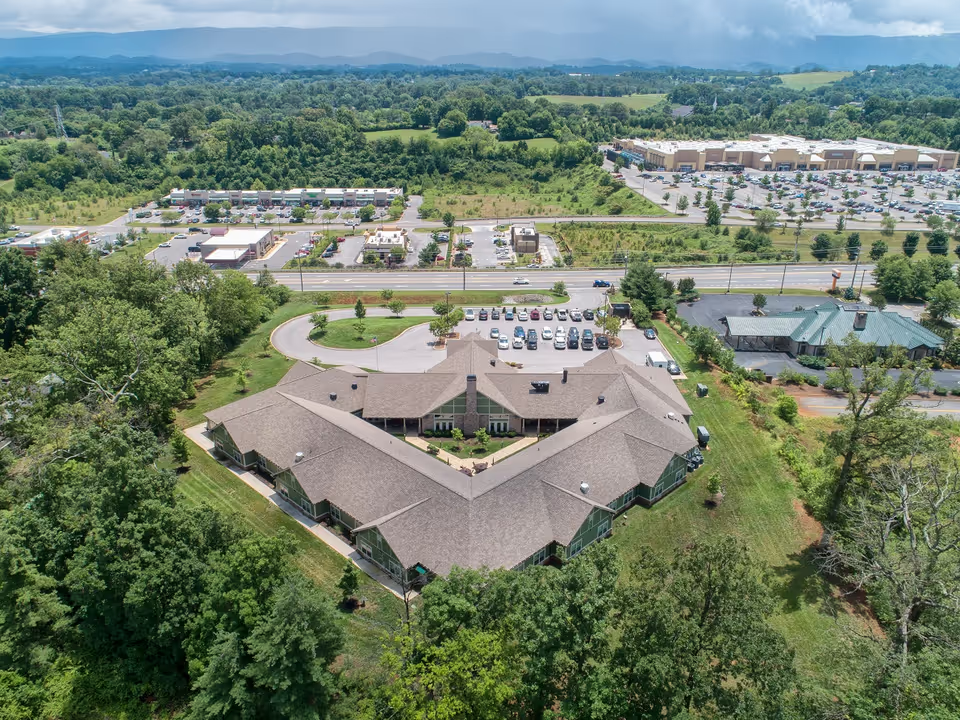
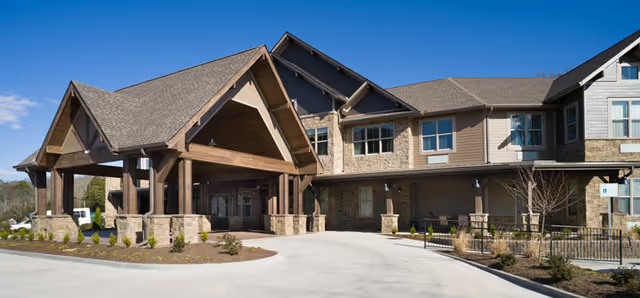
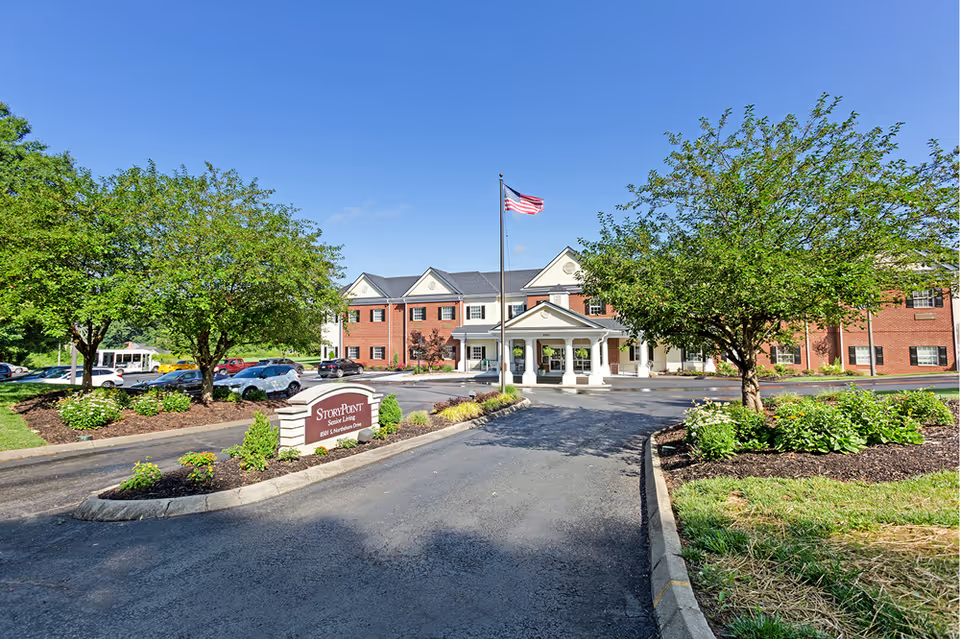
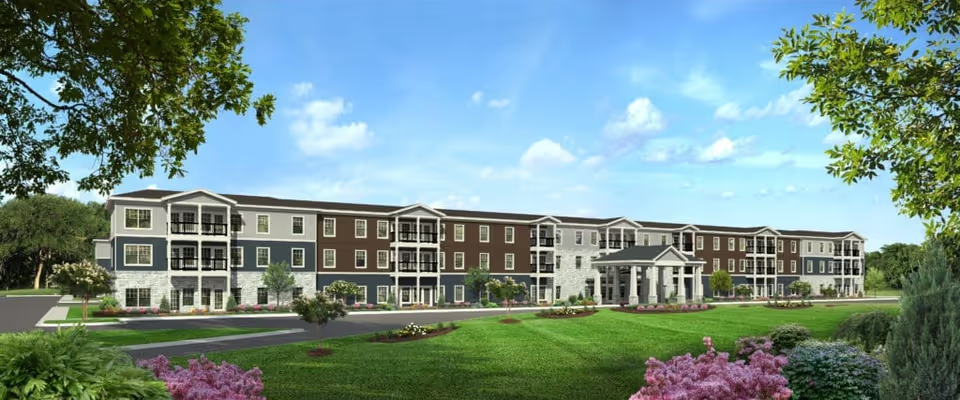
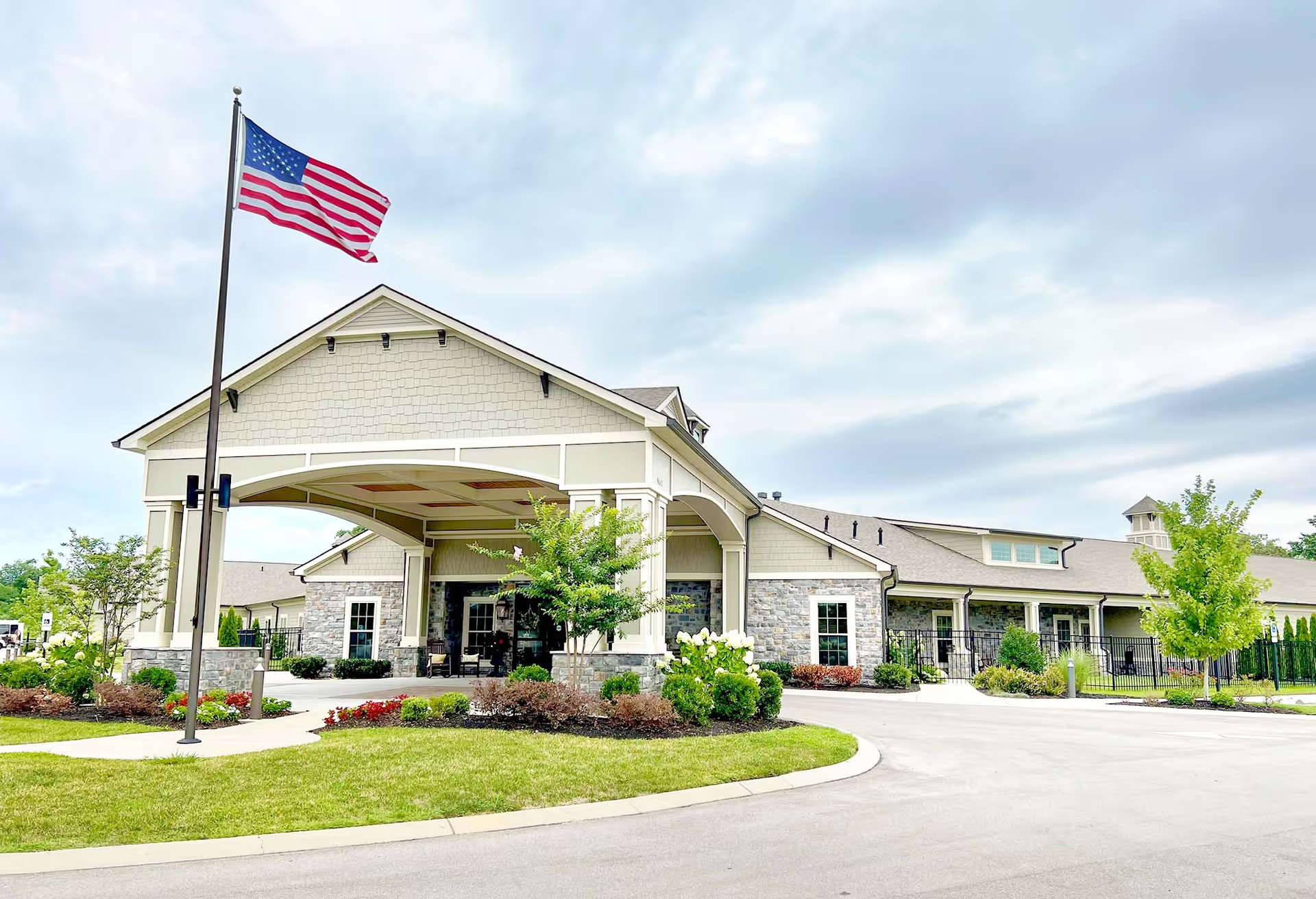
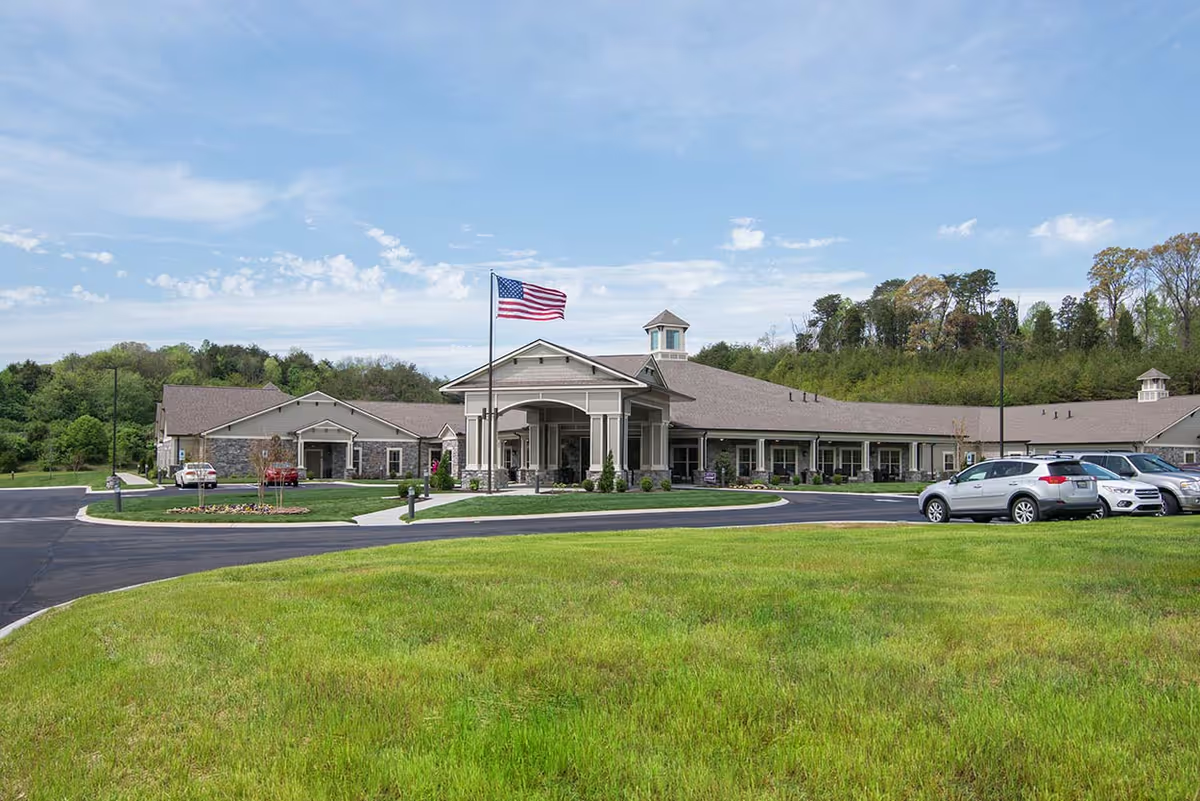
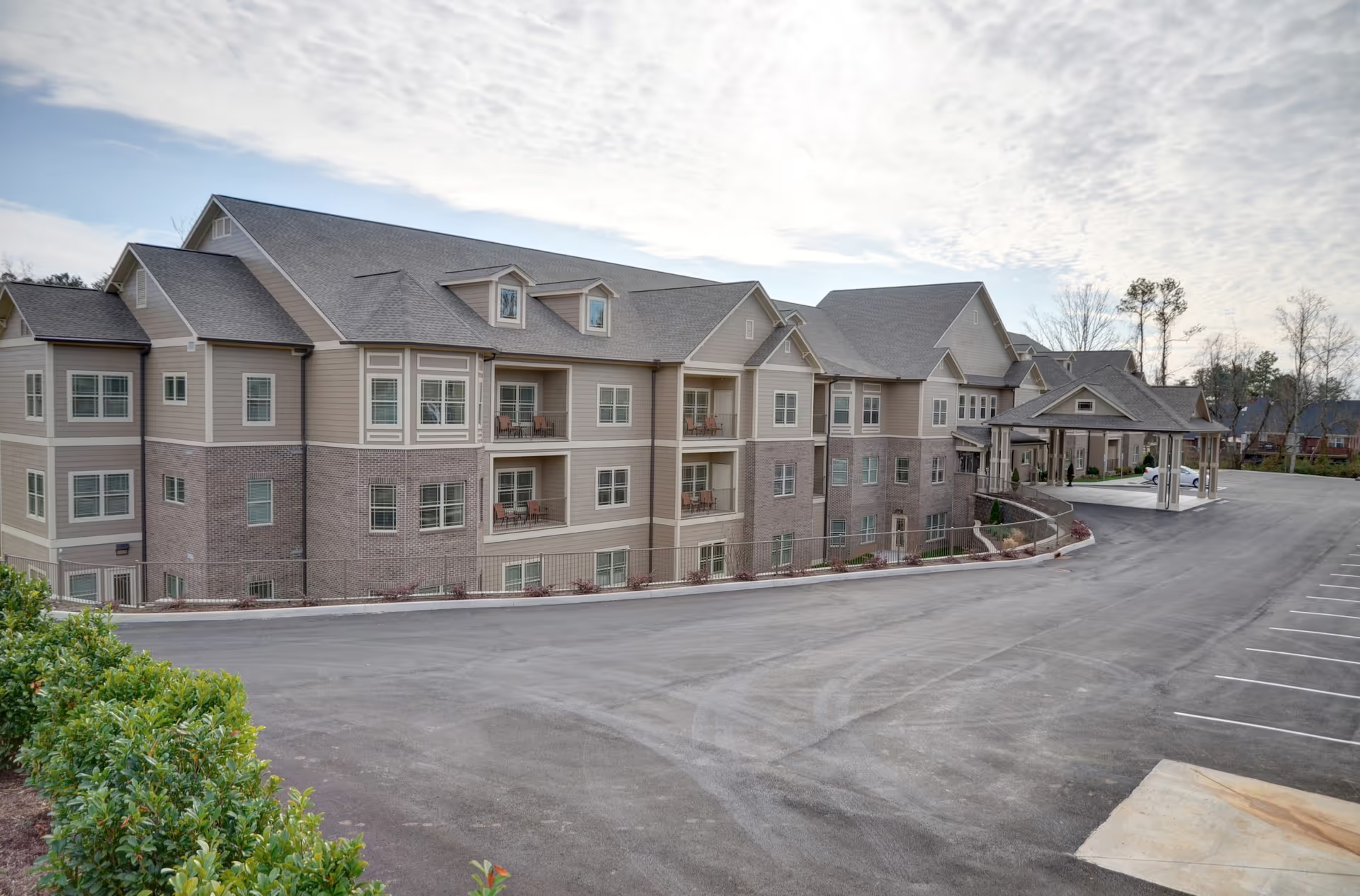
Asbury Place Maryville elicits a strongly mixed set of impressions. Many reviews praise the day-to-day caregiving staff, therapy team, social workers, and front-line employees for kindness, personalized attention and successful rehabilitation outcomes. Residents and families frequently note a broad continuum of services (independent living through skilled nursing), an active activities program (crafts, games, worship services, outings), on-campus transportation, and a campus that is generally modern, bright and comfortable with scenic views and well-laid-out resident rooms.
At the same time, a consistent pattern in the feedback points to operational variability. Staffing levels and turnover are described as a recurring issue that appears to affect care consistency and response times; when staffing is thin, families report delays in assistance, missed scheduled bathing or repositioning, and inconsistent help with meals. Several accounts describe skin-integrity and wound-care concerns, and there are multiple references to problems with timely clinical communication and coordination between nurses, administration and outside physicians.
Dining and housekeeping receive mixed reviews. Some families commend the food and dining experience, while others describe declines in meal quality and limitations on dining access after vendor or management changes. Cleanliness and pest-control issues are raised in specific units or rooms, and laundry handling and personal-property management are a recurring operational concern for some families. Administrative functions also present variability: reviewers cite billing errors, delayed invoices, opaque fees and occasional escalation to collections, as well as uneven follow-up on resident requests and work orders.
Management and leadership appear to influence experience markedly. Positive accounts credit specific staff and social-work support for strong case management and family communication; negative accounts cite poor administrative follow-through, inconsistent policy enforcement, and communication breakdowns—particularly during periods of high census or pandemic-related restrictions. Rehab and therapy services are often singled out as strengths, but a few families described dissatisfaction with specific transitions or with insurance/contracting limitations.
For prospective residents and families, the reviews suggest focused due diligence: ask about current staffing levels and turnover, skin and wound care protocols, call-response times, laundry and property handling procedures, dining vendor contracts and sample menus, billing practices and fee disclosures, dementia-security measures, and how the facility coordinates with outside physicians and hospice. On-site visits during different shifts, conversations with the nurse manager or social worker, and references from current families can help assess whether the facility’s operational performance aligns with an individual resident’s needs.