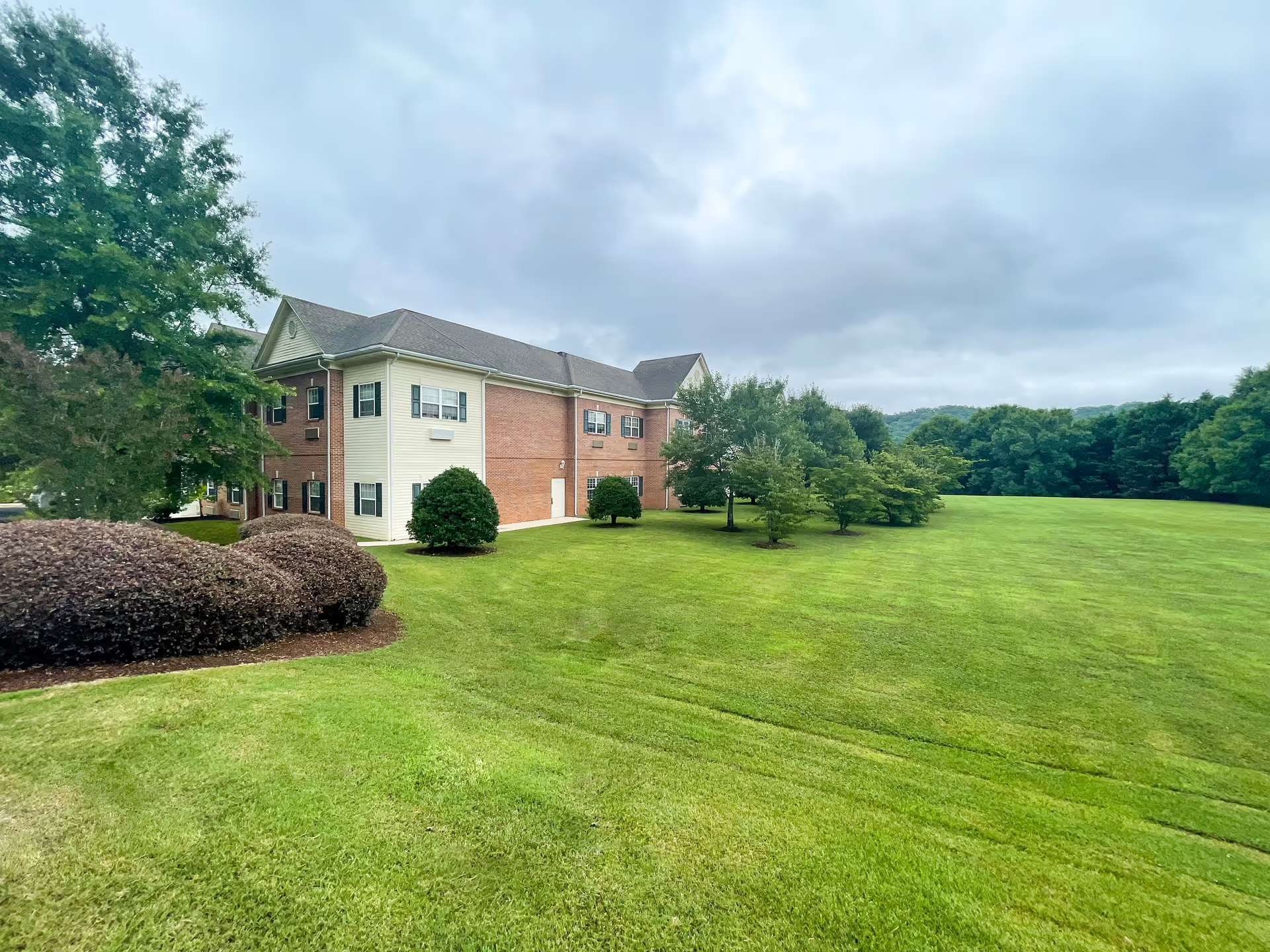
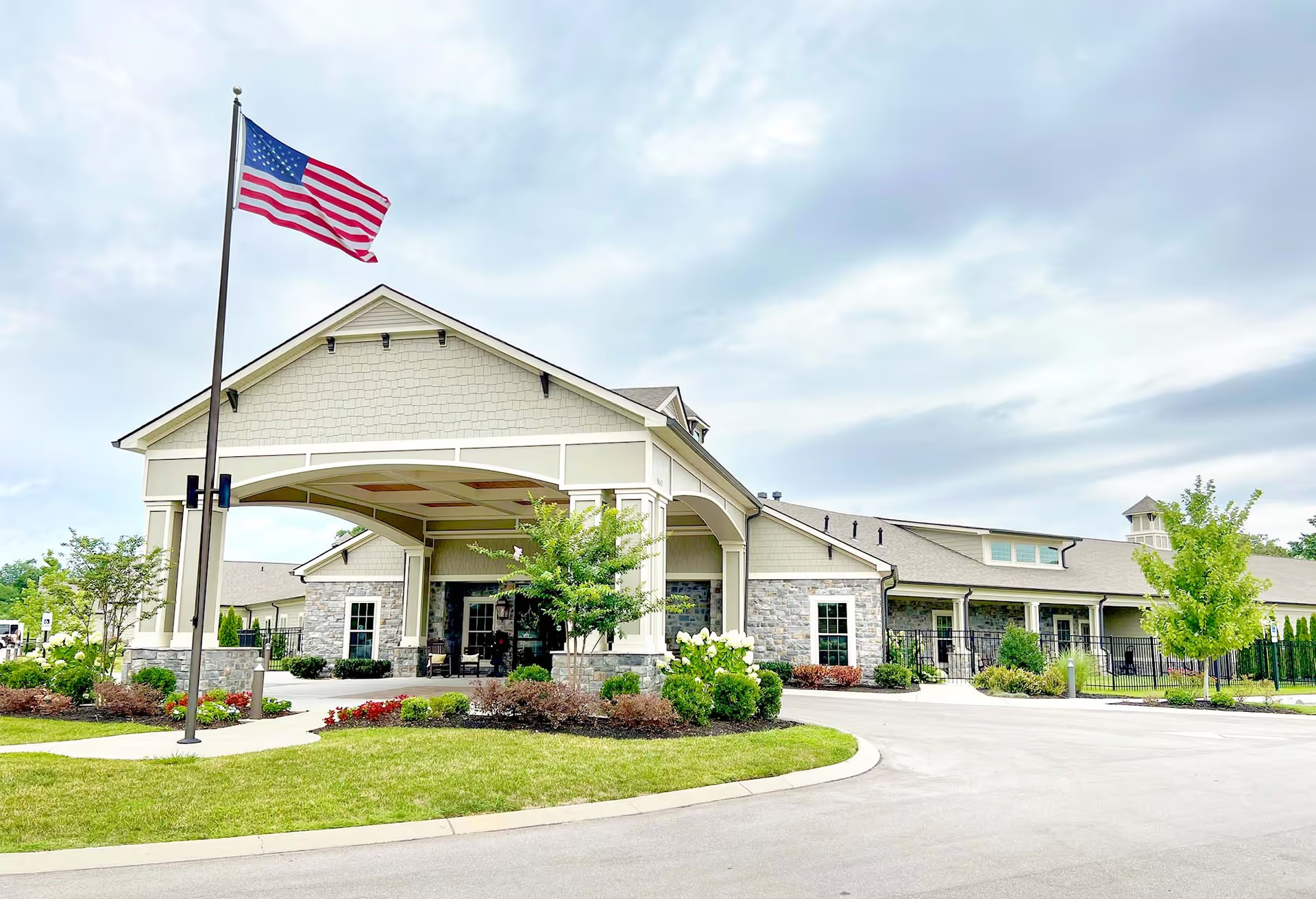
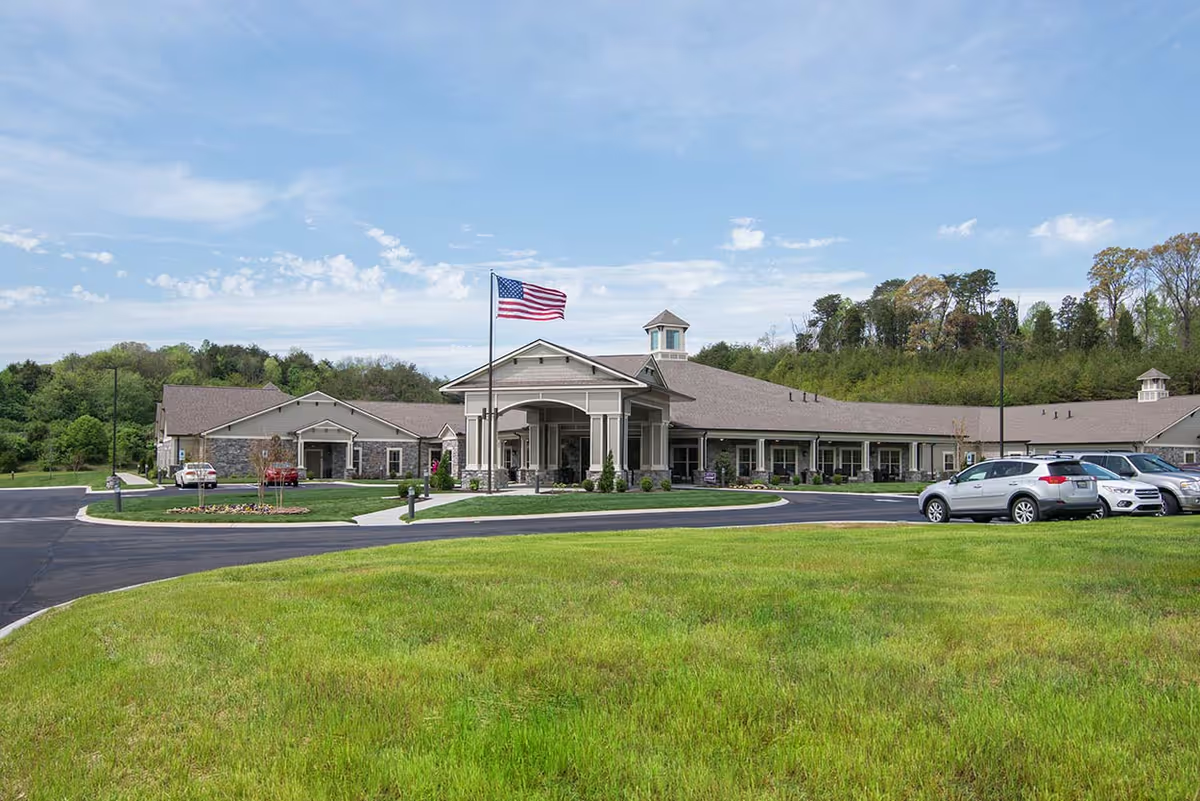
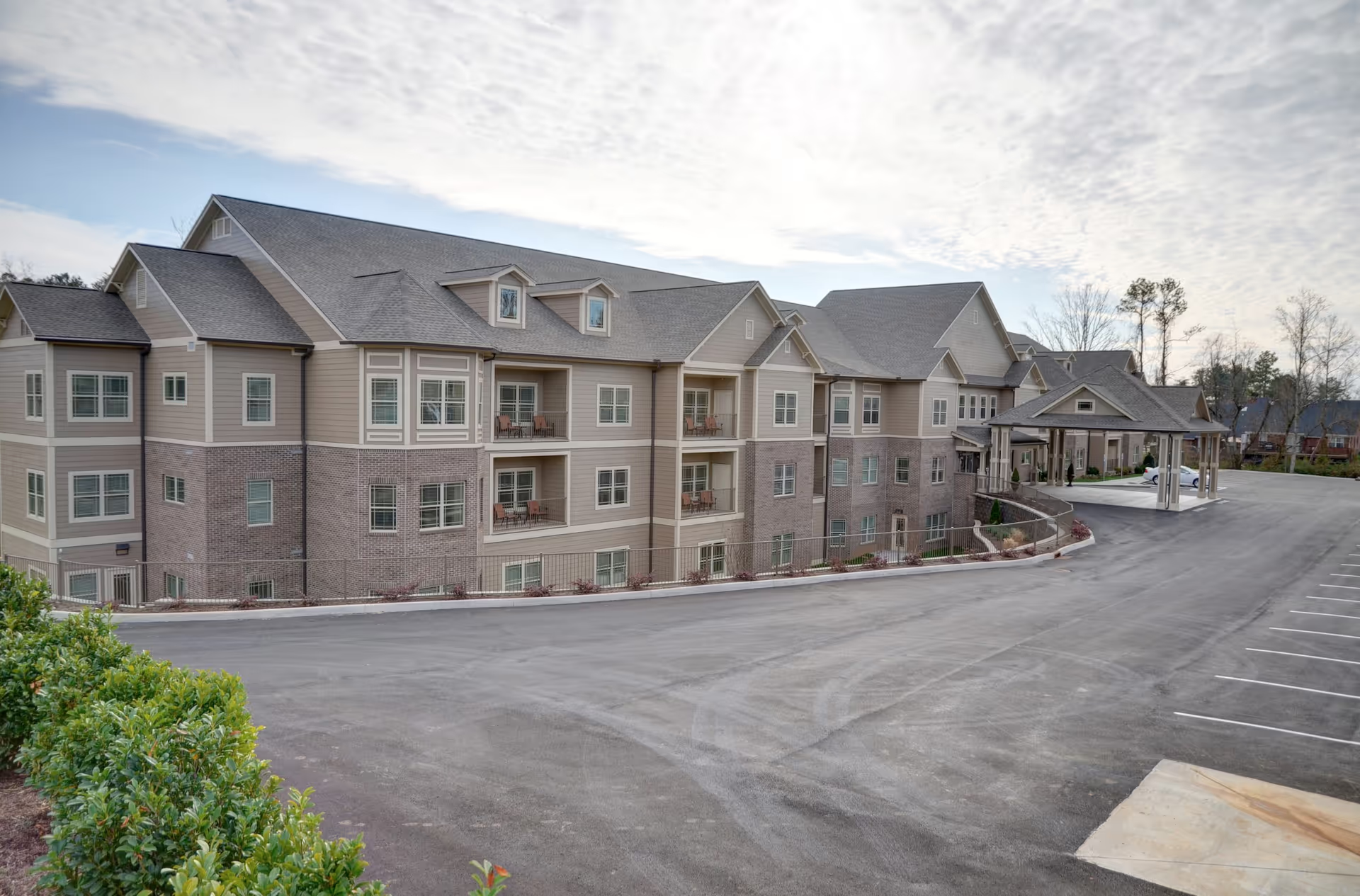
Overall impression Brookdale Browns Creek elicits mixed but patterned feedback. Many families and residents praise the community's meals, the helpfulness of numerous staff members, and the look and upkeep of the main building and remodeled common areas. At the same time, several reviewers raised operational concerns that point to uneven performance between different parts of the campus, particularly between the main assisted-living areas and the memory-care wing.
Care and staff Staff are frequently described as caring, compassionate, and responsive; multiple accounts highlight individual caregivers, directors, and teams who provide reassuring, family-like support and smooth move-in experiences. However, a recurring theme is inconsistency in care and training. Reviewers indicate periods of understaffing and high resident-to-staff ratios that can lead to delays in assistance and limited staff–resident interaction. In the memory-care unit this appears amplified, with comments about limited supervision and insufficient memory-focused programming that can contribute to resident agitation.
Dining Dining is one of the facility's stronger aspects: reviewers commonly praise the variety, presentation, and enjoyment of meals, as well as a pleasant dining room environment. A minority of comments note occasional variability in meal quality, but overall food service and dining amenities are frequently cited as positives.
Activities The community offers a broad set of activities — bingo, music, exercise, arts and crafts, outings, and field trips are mentioned often — and some residents report a busy, social schedule. At the same time, there are consistent notes that daytime engagement can be insufficient for some residents and that activity programming may not fully meet the needs of those in memory care. Activity space and programming quality appear to vary by unit.
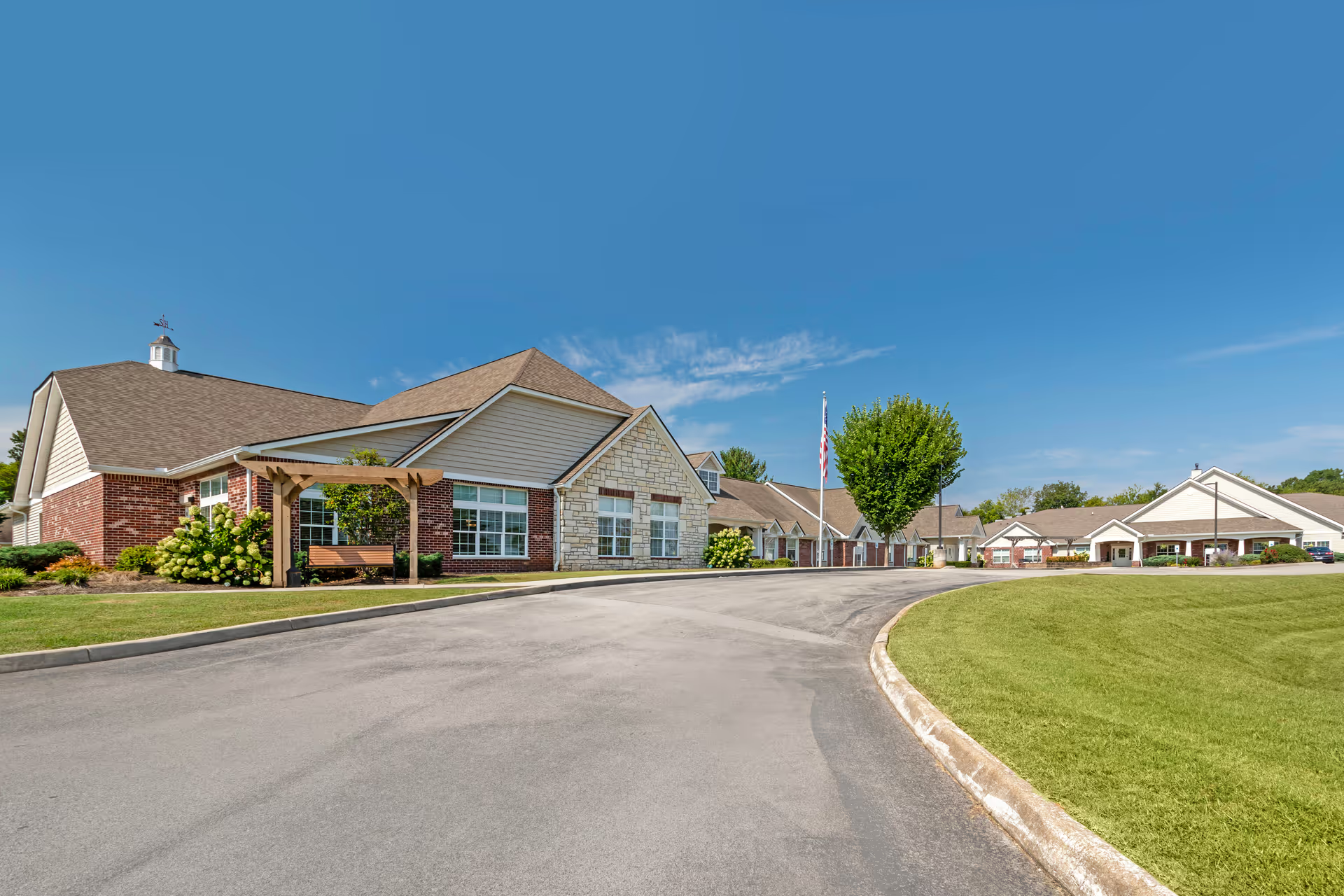
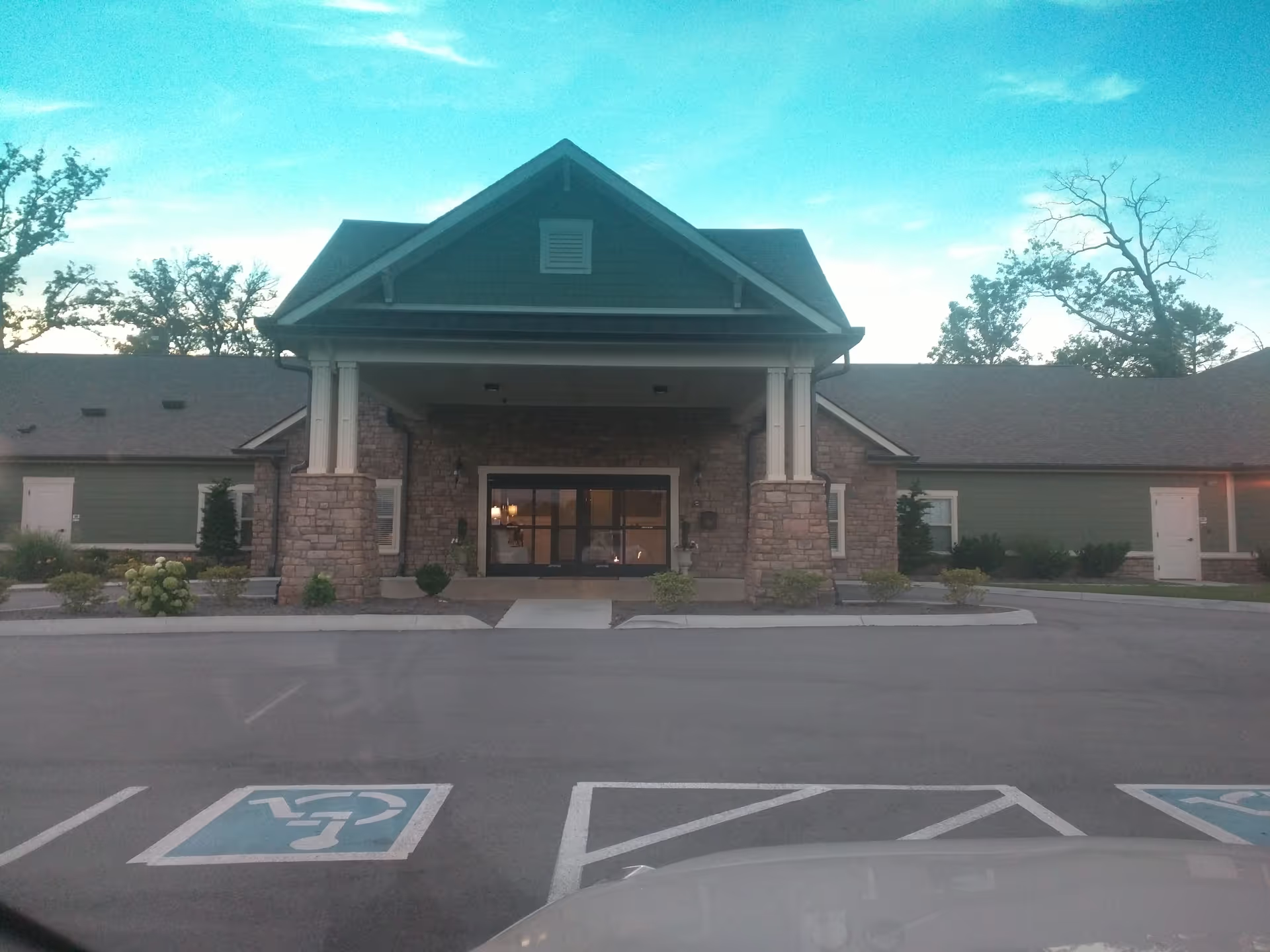
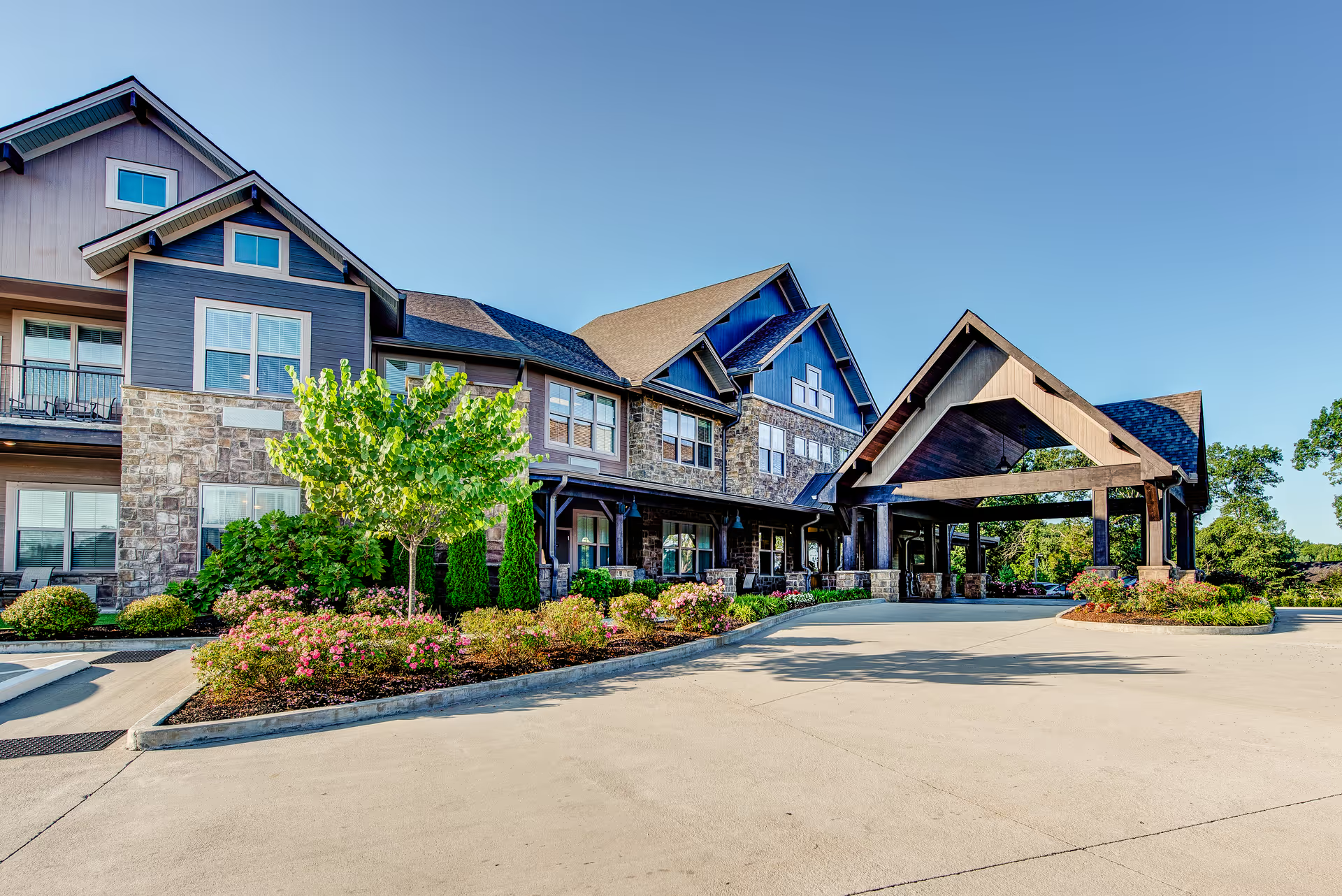
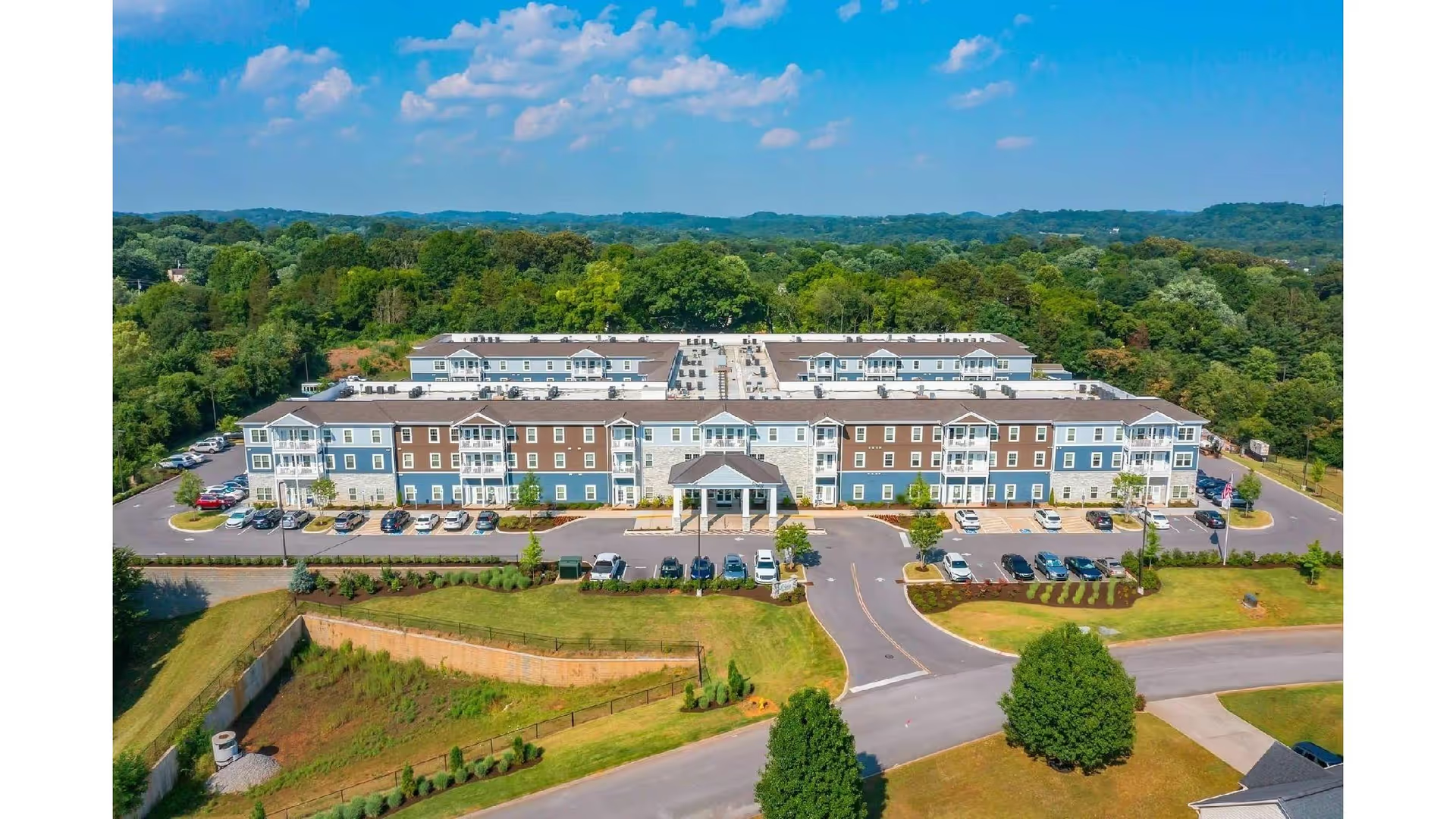
Facilities and maintenance Physical facilities receive mostly favorable remarks: clean public areas, renovated common spaces, courtyards, fitness rooms, and some larger studio layouts. Several reviewers contrast the well-maintained main areas with areas of neglect in the memory unit; this unevenness includes cleanliness and odor concerns in specific parts of the campus. Some apartments are described as small or slightly outdated, depending on the building and room type.
Management, billing, and operations Operational concerns cluster around management communication and billing. Reviewers describe instances of unclear fee structures, extra charges (for example, daily medication fees), and occasional billing errors. While some families praise specific managers and good administrative support, others feel administrative focus is more on charges than on family communication or individualized care. Medication-administration and other clinical processes are generally available, but a few comments point to inconsistencies that families should clarify during a tour.
Notable patterns and guidance for families The dominant patterns are clear: strong points in dining, many compassionate staff members, pleasant common areas, and a range of activities; offset by operational and care-delivery inconsistencies, especially in memory care and during periods of perceived understaffing. Prospective families should tour both the assisted-living and memory-care areas, ask about current staffing ratios and training for dementia care, review the contract for all fees and medication charges, and observe activity programming and cleanliness in the specific unit under consideration. Doing so will help determine whether the community's strengths align with an individual resident's needs and expectations.