Overview The reviews present a mixed but coherent picture: many families praise the staff, dining, and sense of community, while others raise operational concerns tied primarily to facility upkeep, staffing consistency, and service continuity. Strengths are concentrated in the interpersonal and programmatic areas—caregivers, nurses, an active administrator, and a well-regarded activities coordinator are repeatedly described as compassionate and attentive. Operational weaknesses are most often related to the physical plant, housekeeping processes, and variability in clinical coverage and activity delivery.
Care and staff Care quality is a central positive theme. Multiple accounts describe caring, attentive staff who provide personalized attention and maintain frequent communication with families, and several comments single out nursing staff and the administrator (named in reviews) as particularly engaged. At the same time, other comments indicate unevenness in clinical coverage (nursing presence limited to part of the week) and concerns about staff training and consistency. The pattern is therefore one of strong interpersonal commitment from many employees, coupled with variability in formal clinical staffing schedules and staff skill mix.
Dining and domestic services Dining receives generally favorable remarks for home-cooked, resident-suited meals that families and residents appreciate. However, there are also operational concerns about meal-service continuity and presentation—examples include limited menu choice, inconsistencies in tableware and meal setup, and occasional sanitation or cleanliness issues in dining areas. Housekeeping feedback is mixed: some describe clean, well-decorated common spaces, while others cite inconsistent laundry and clothing management, mismatched linens, and table-surface cleanliness problems. These indicate variability in routine domestic-care processes across the facility.
Activities and programming Programmatically, the facility has a strong endorsement for its activities director and an engaging activities program that residents look forward to. Conversely, other reviewers describe limited or unavailable activities, scheduling problems, or residents not being included. This suggests that while the activities function can be a notable strength, participation and regularity are not uniformly reliable for all residents.
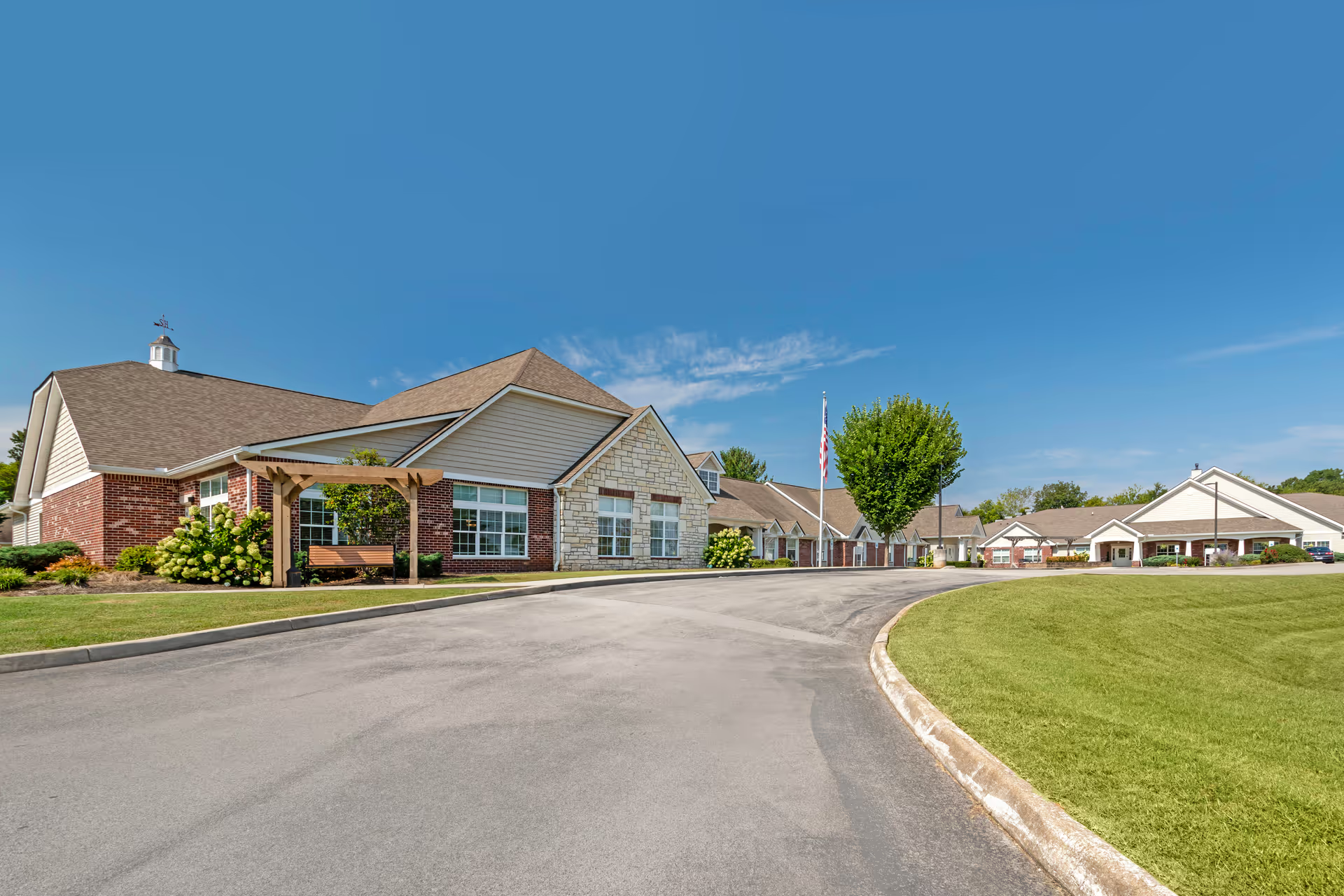
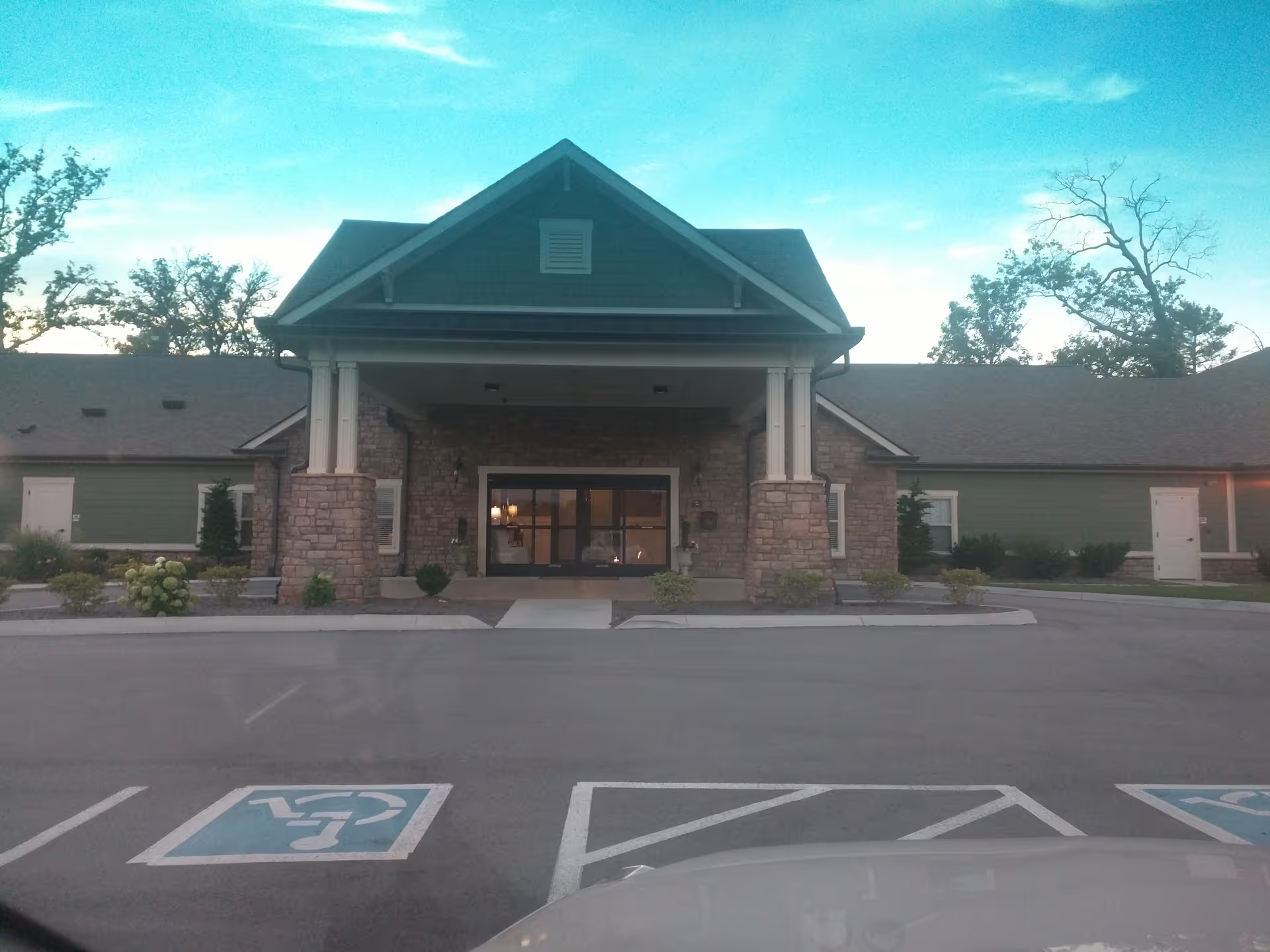
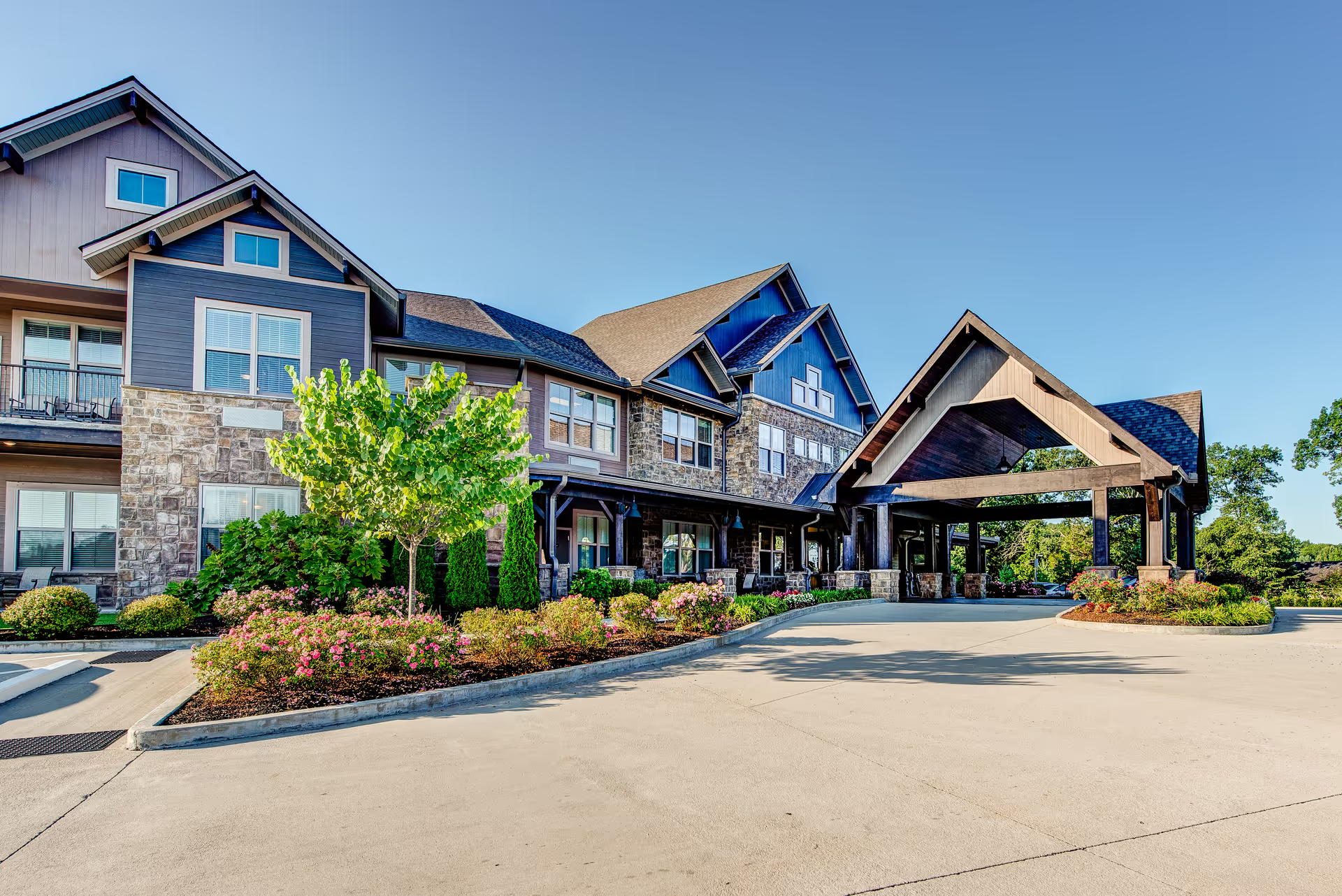
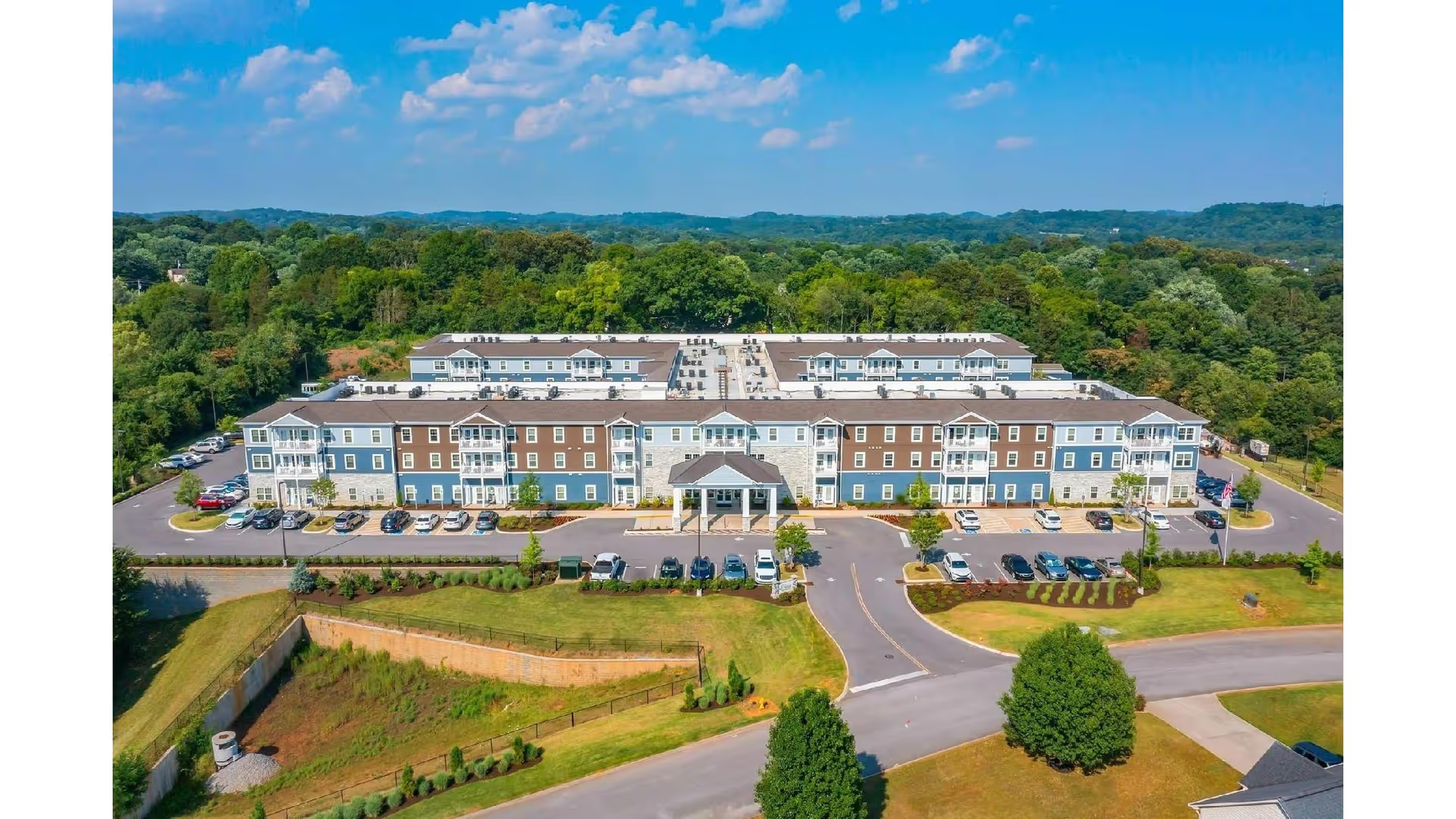
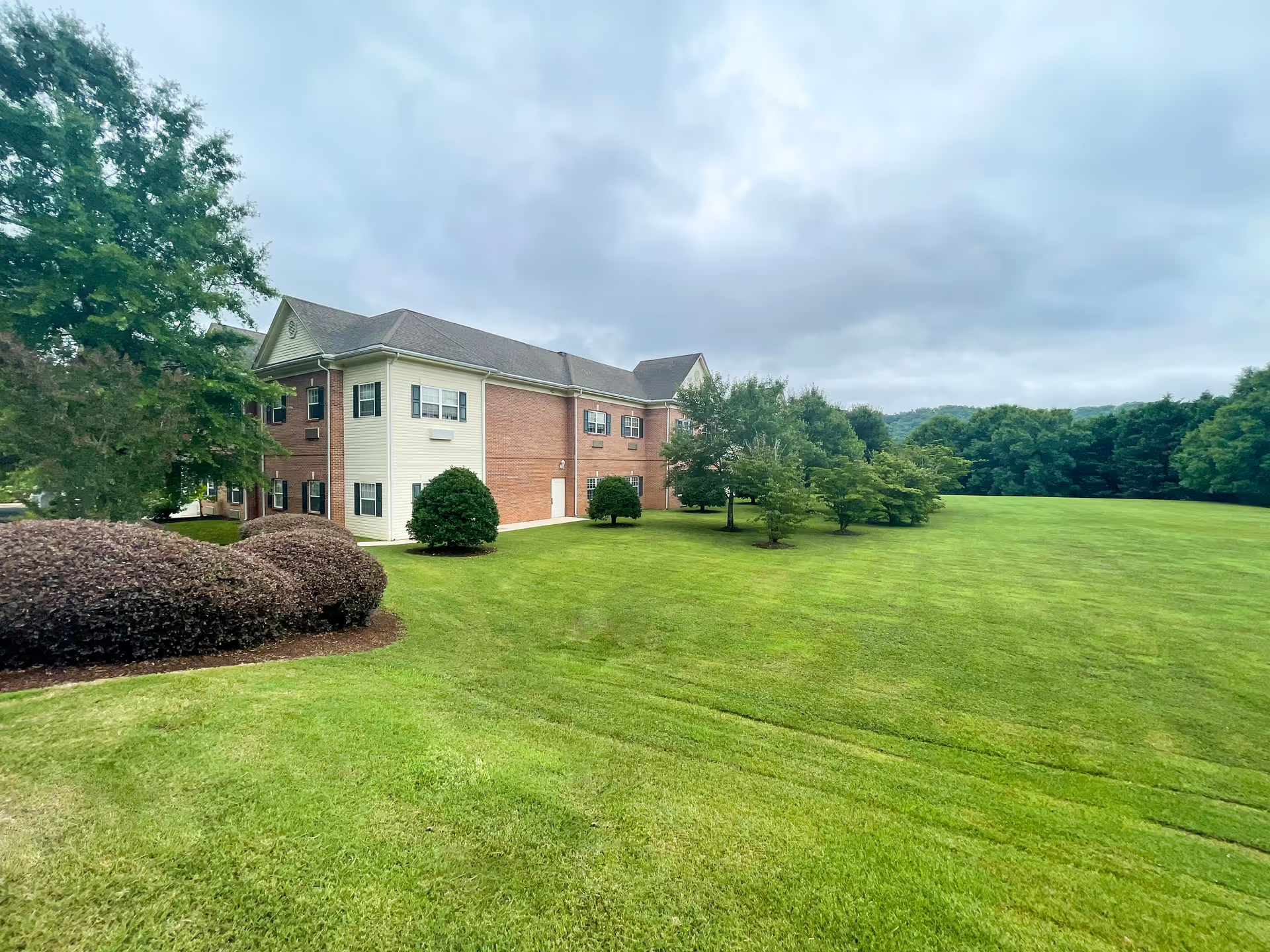
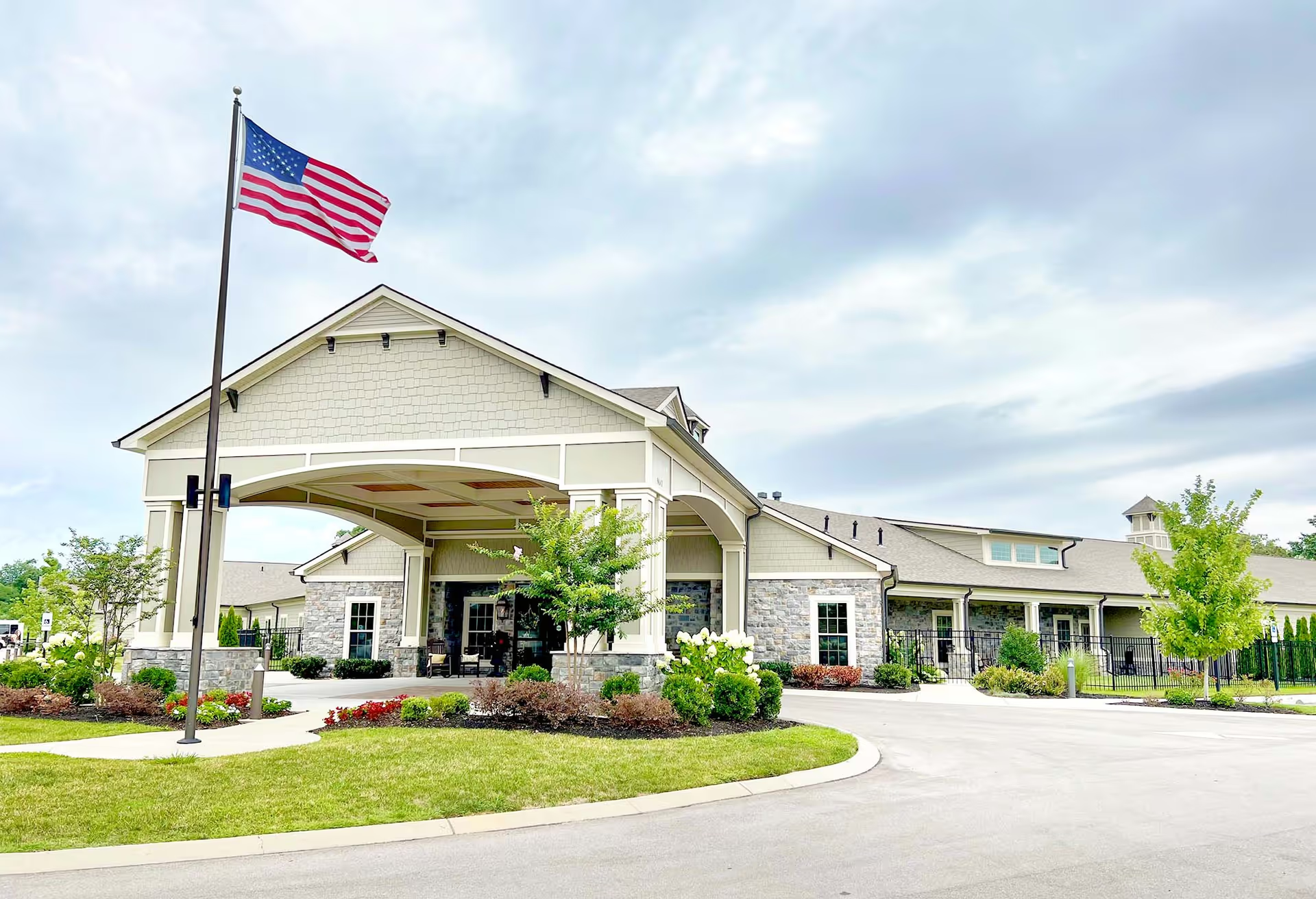
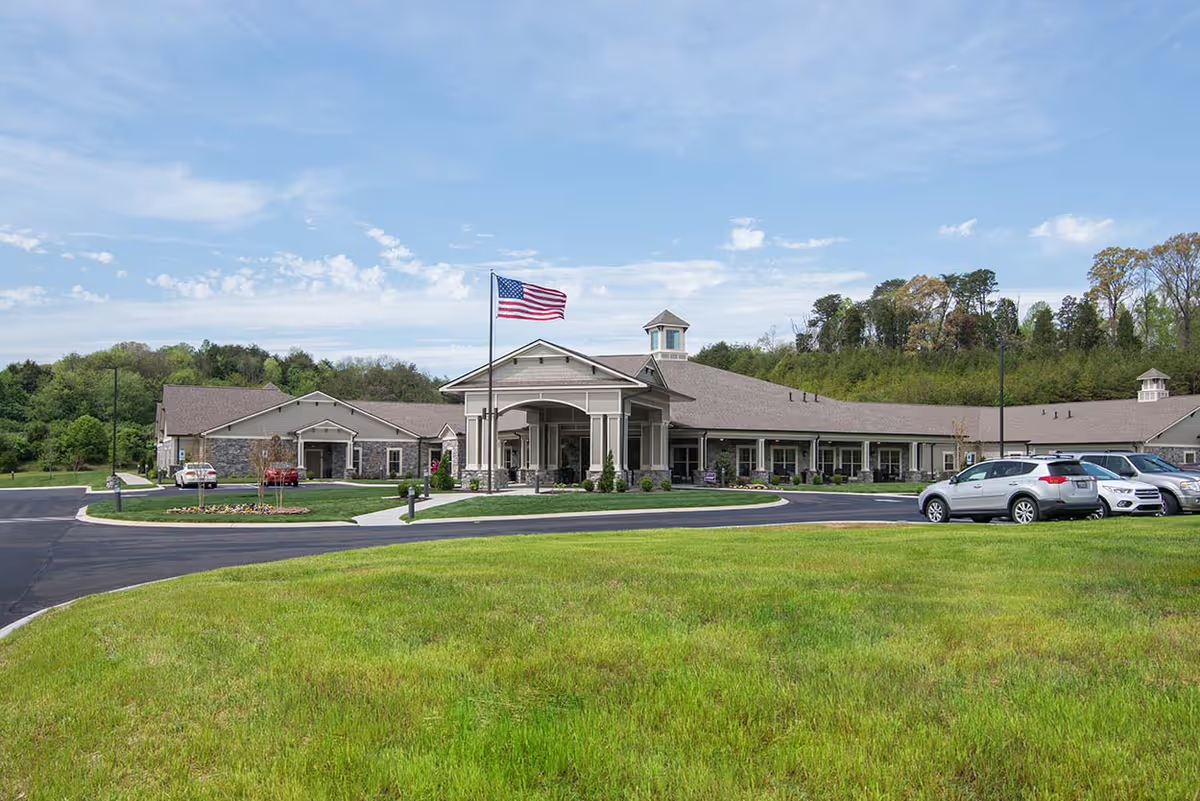
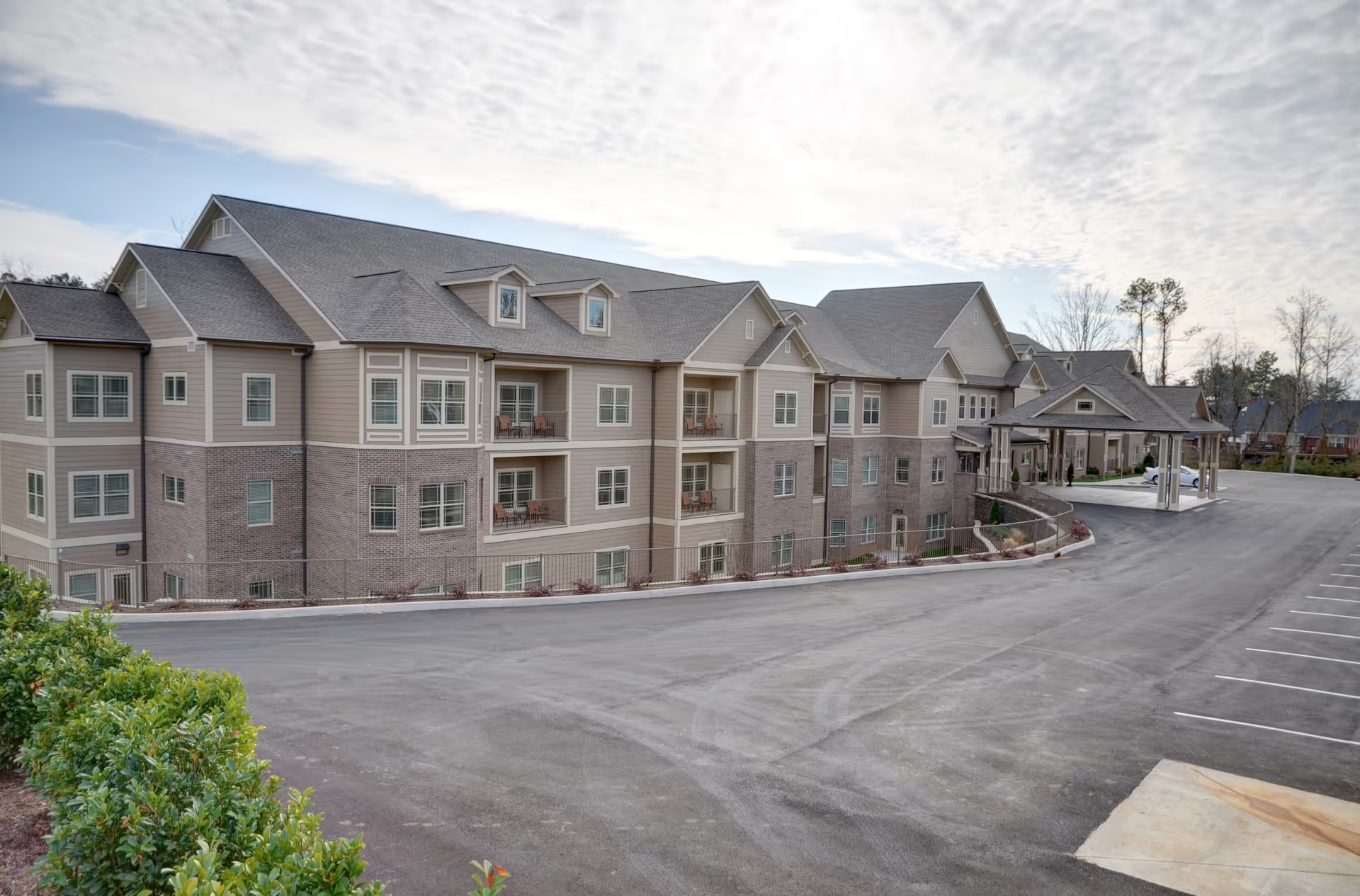
Facilities and accessibility Physical-plant observations vary markedly. Positive comments note clean, decorated common areas and a home-like atmosphere. Negative observations point to an older, under-maintained building with evidence of deferred maintenance (roofing, fencing, outdoor equipment), interior comfort issues (heat, darkness), clutter, and limited private room space. Some reviewers also highlighted steep walks and parking/entry challenges that may affect accessibility for residents and visitors.
Management and notable patterns Management and certain staff leaders receive positive recognition for visibility and responsiveness, which contributes to family confidence and perceived value. At the same time, reviewers describe an operational pattern of unevenness: strong interpersonal care and programs coexisting with inconsistent housekeeping, maintenance, and clinical staffing. Occupancy is noted as high at times, which may limit new move-ins.
Conclusions and practical implications Prospective residents and families should weigh the facility’s strong caregiving culture, active activities program, and preferred dining against concerns about building condition, consistency of housekeeping/laundry, and clinical coverage. A focused tour that verifies current maintenance plans, staffing schedules (nurse coverage and staff training), laundry procedures, activity calendars, and room configurations would help determine whether the facility’s strengths align with specific care and comfort needs.