Overall impression is mixed: reviewers consistently praise direct-care staff and therapy services while raising important operational and administrative concerns. Strengths center on the day-to-day caregiving, rehabilitation, social programming, dining, and the physical campus; weaknesses are concentrated in management responsiveness, contract and billing processes, and some elements of personal-care service consistency.
Care quality and clinical services: Many descriptions emphasize caring, patient, and skilled front-line caregivers and rehabilitation staff; physical therapy receives specific commendation for competence and rapport. At the same time, there are accounts indicating gaps in nursing responsiveness and follow-up that affected timely attention to residents' personal-care needs. These suggest variability in clinical responsiveness that prospective families should evaluate during visits and intake discussions.
Staff and communication: Staff are frequently described as friendly, polite, and professional, and the community benefits from an engaged activity department and customer-service team. However, several comments highlight communication breakdowns — unanswered calls and inconsistent administrative follow-through — which degrade families' confidence. Leadership receives positive mention in some instances, yet reviewers also point to inconsistent management responsiveness, creating a mixed picture of operational oversight.
Dining and activities: The dining facility and meal quality receive favorable remarks, and the activity program is characterized as vibrant and engaging. These are clear strengths for residents seeking social engagement and structured programming.
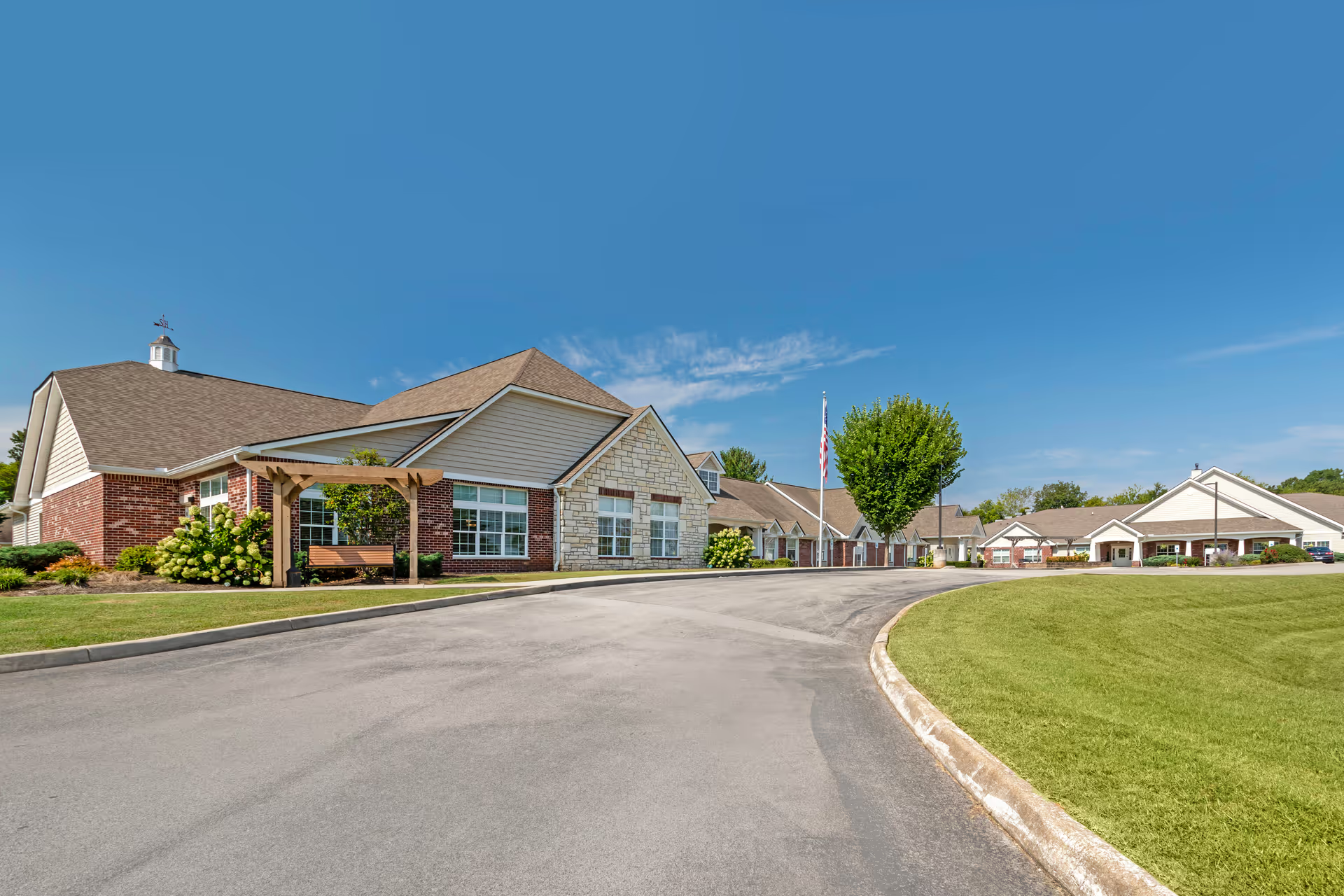
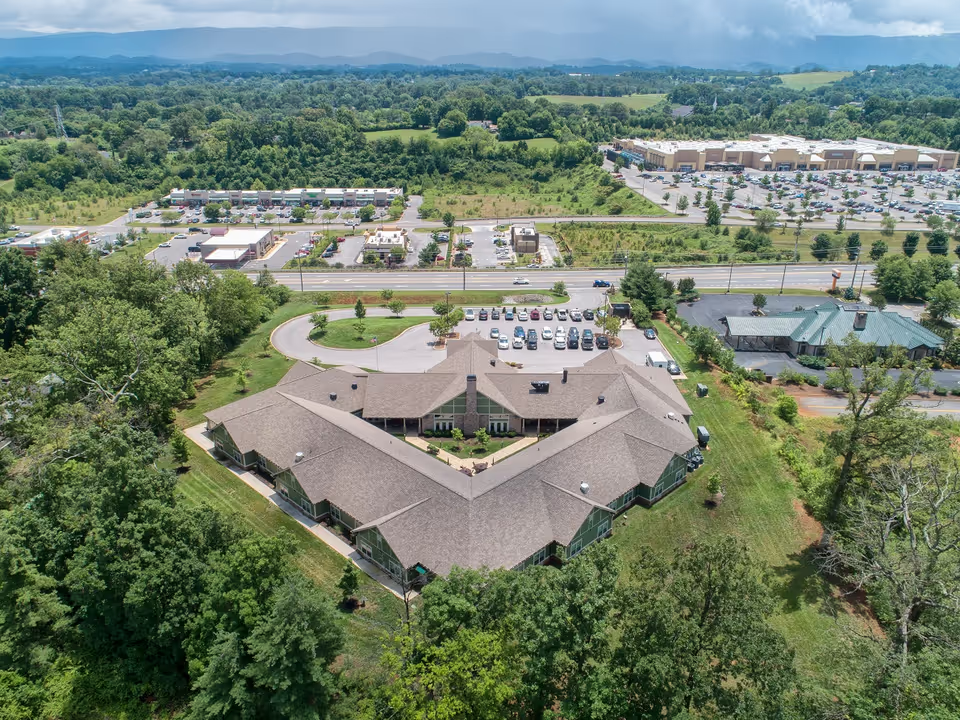
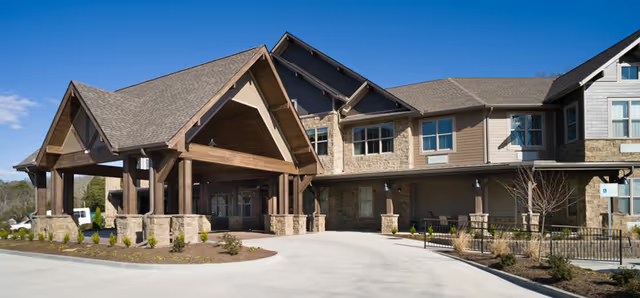
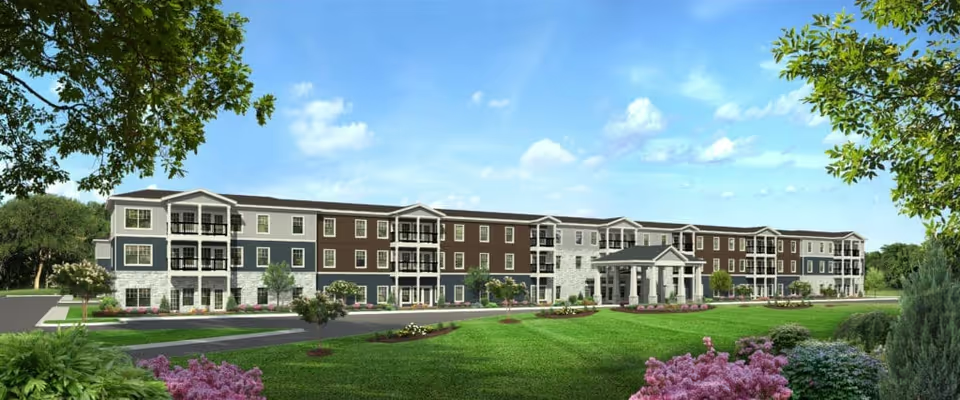
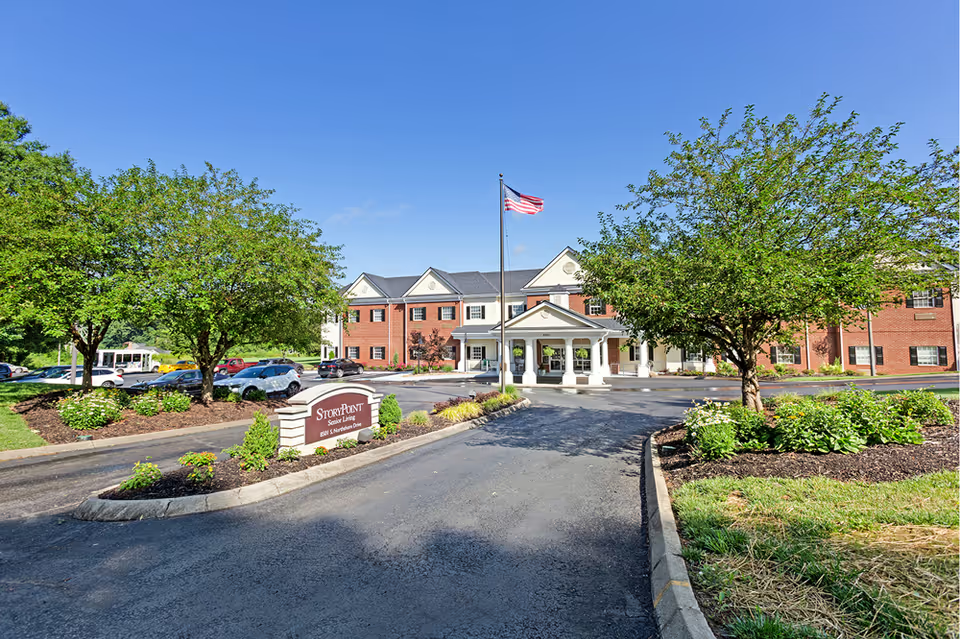
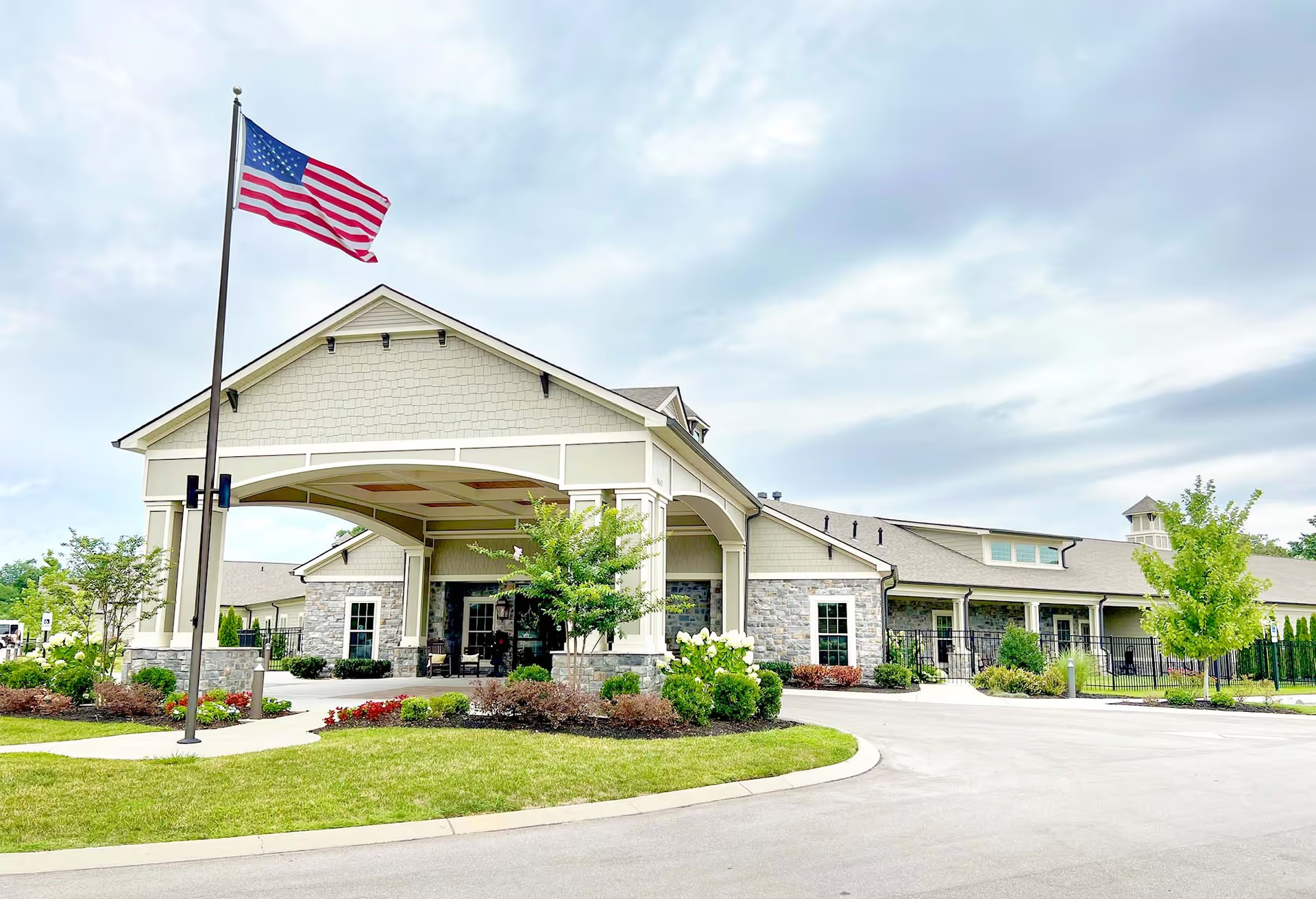
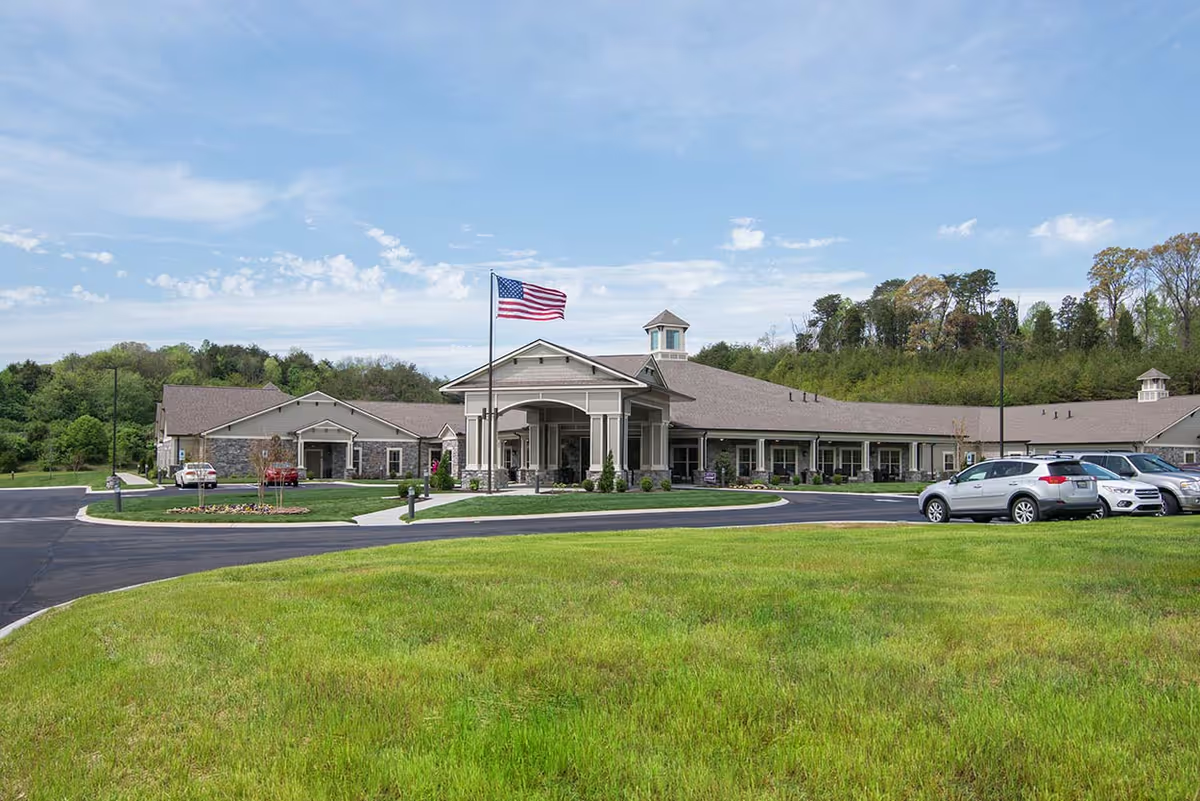
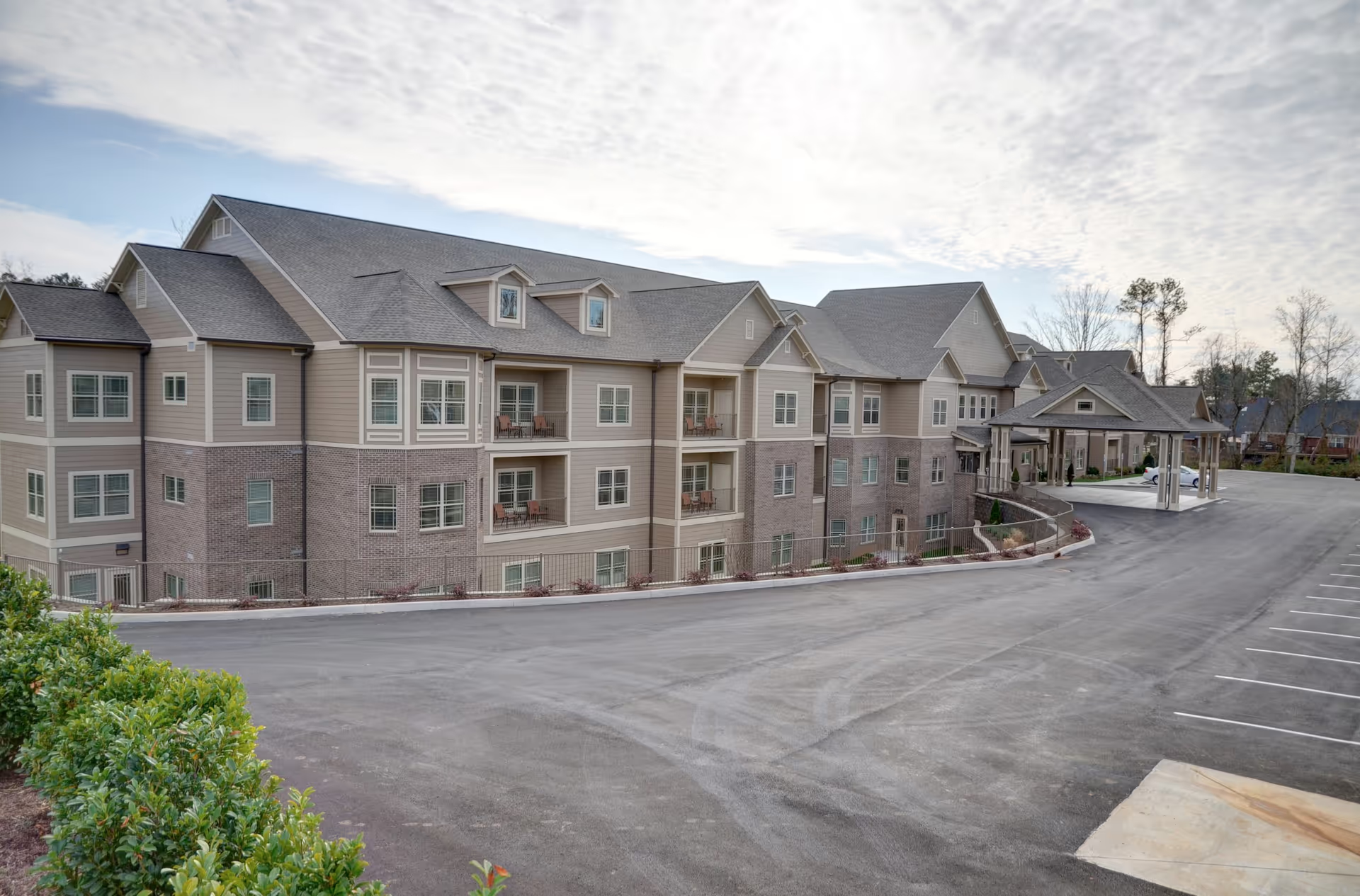
Facilities and housing: The campus environment is a strong asset — attractive brick buildings, waterfront features, villas and single-family home options, and an age-in-place design appeal to those seeking a retirement-friendly layout and comprehensive on-site amenities. Location and housing variety are noted as convenient and well suited to independent and assisted living needs.
Management, contracts, and finances: A recurring pattern concerns contractual clarity and financial processes. Reviewers raised issues about deposit and refund handling, monies tied to contracts, and slow dispute resolution. There are also concerns about the relative cost of memory-care services. These items point to the need for careful contract review, clear documentation of refund policies, and explicit questions about memory-care pricing and escalation procedures before signing.
Recommendations for prospective families: Verify nursing-staffing levels and response protocols during a visit, observe laundry and housekeeping processes, and ask for written policies on incontinence care and personal-care service standards. Request a detailed copy of any contract, including deposit/refund terms and dispute-resolution mechanisms, and obtain written pricing for memory care. Finally, speak with current residents and families about day-to-day communication and how management addresses operational issues to form a balanced view of both strengths and areas requiring due diligence.