Overall impression: Reviews for McMinnville Boarding Home are mixed, with clear positives around facility upkeep and meal presentation alongside operational and management concerns. Cleanliness and the sensory quality of meals are frequently described as strengths, and several families highlighted individual staff members who provided attentive care. At the same time, there are recurring themes of uneven staff performance, limited programming, and questions about management oversight that prospective families should evaluate.
Care quality and staff: Care is described as adequate for residents with lower-acuity needs, and some individual caregivers received strong praise. However, reviewers describe inconsistent staff quality and responsiveness across shifts. This inconsistency may translate into variable day-to-day experiences; families should inquire about staffing patterns, staff turnover, and how the facility handles shift-to-shift continuity. One review included allegations of narcotics theft, which points to potential weaknesses in medication security and inventory controls that merit direct discussion with management and review of pharmacy/medication policies.
Dining: Multiple reviewers noted that meals smelled and looked appealing, suggesting attention to meal presentation and basic food service standards. Prospective residents should still ask about menu variety, dietary accommodations, and meal-service timing to ensure nutritional needs and preferences will be met.
Activities and social programming: A commonly cited limitation is the scarcity of on-site activities. Reviewers described few organized programs, which may limit social engagement for residents who expect regular recreational or therapeutic programming. Families should request a current activities schedule and ask how the facility individualizes social engagement for different ability levels.
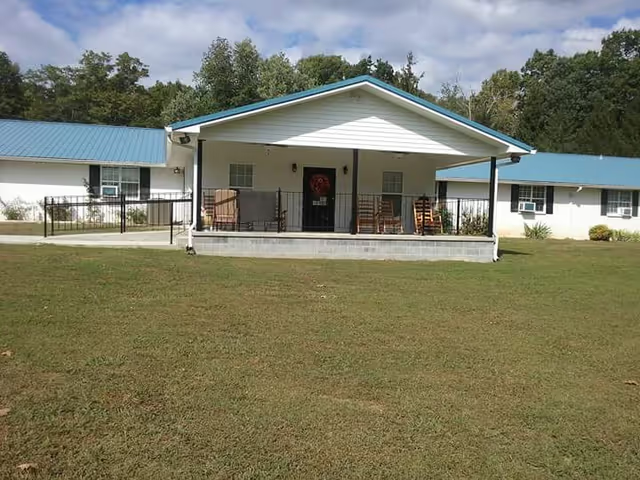
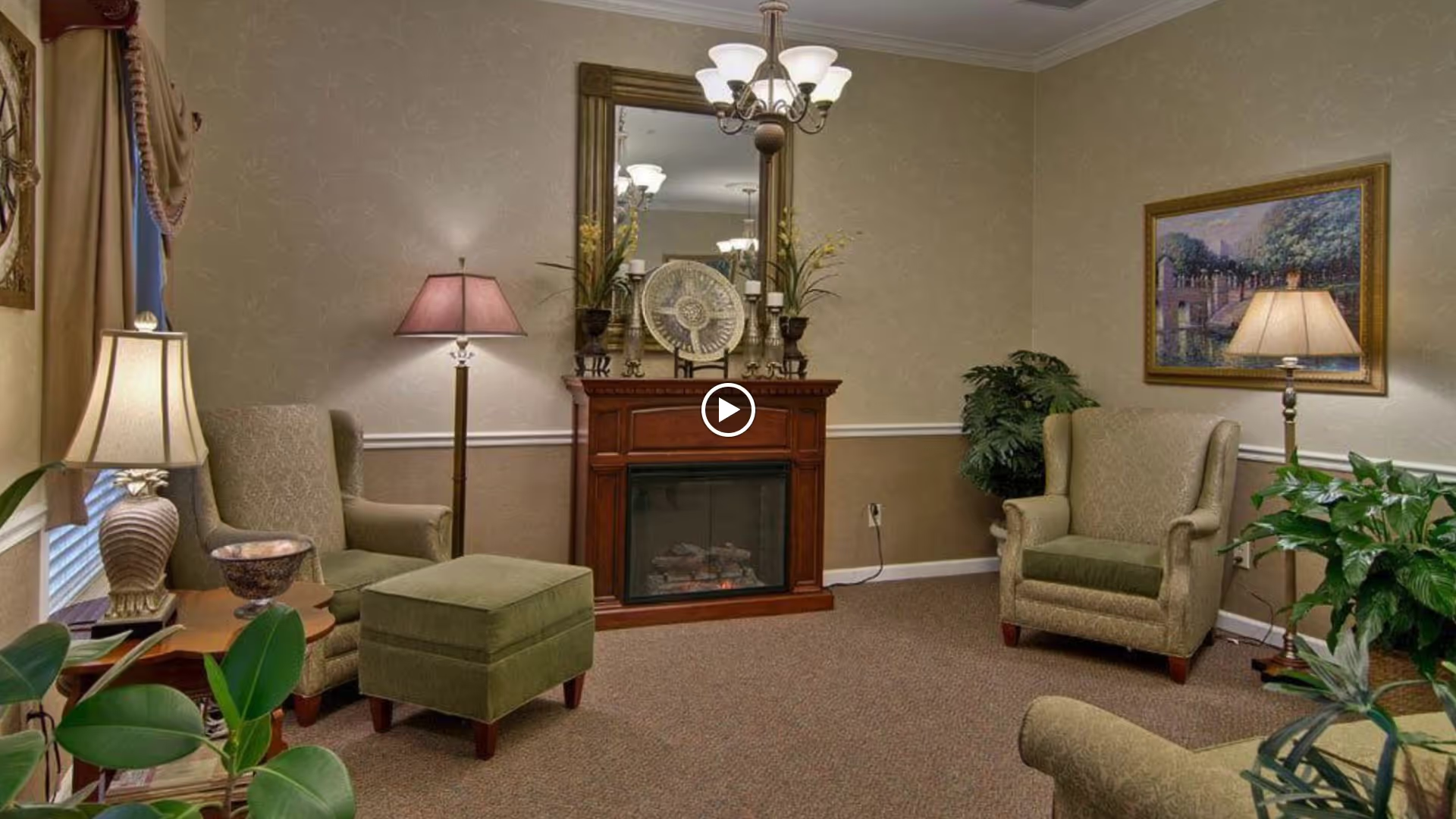
Facilities and living arrangements: The building and common areas are often described as clean and well-maintained. Rooming is largely compact two-person arrangements; this can facilitate caregiver access but reduces resident privacy. If private rooms or greater personal space are a priority, seek clarification on availability and any waitlist processes.
Management and communication: Several reviews point to gaps in communication and managerial oversight, including how concerns are handled and how families are kept informed. There are also expressed concerns about discriminatory behavior or cultural insensitivity in some encounters. These issues suggest that prospective families should ask about the facility’s policies on complaint resolution, staff training in cultural competency, and how incidents are documented and remediated.
Notable patterns and recommendations: The reviews portray a facility that may be a good fit for certain residents — particularly those with lower-acuity needs who value cleanliness and straightforward meal service — but one where operational variability and limited programming are meaningful considerations. Before deciding, families should tour the facility, meet direct-care staff, review staffing schedules and turnover metrics, request medication-security procedures, examine the activities calendar, and ask about policies addressing discrimination and family communication. These targeted questions will help determine whether the facility’s strengths align with a prospective resident’s priorities and risks.