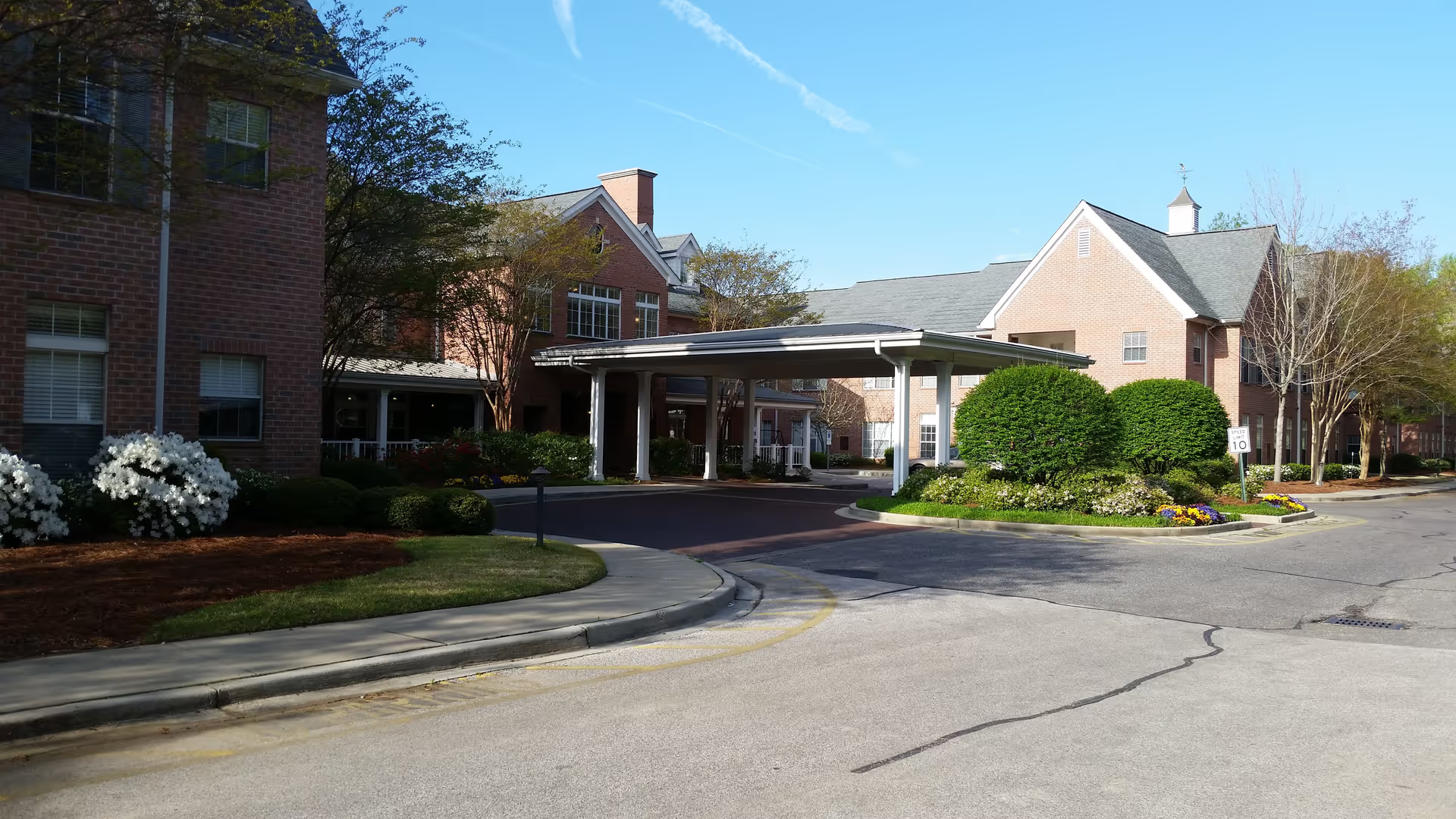
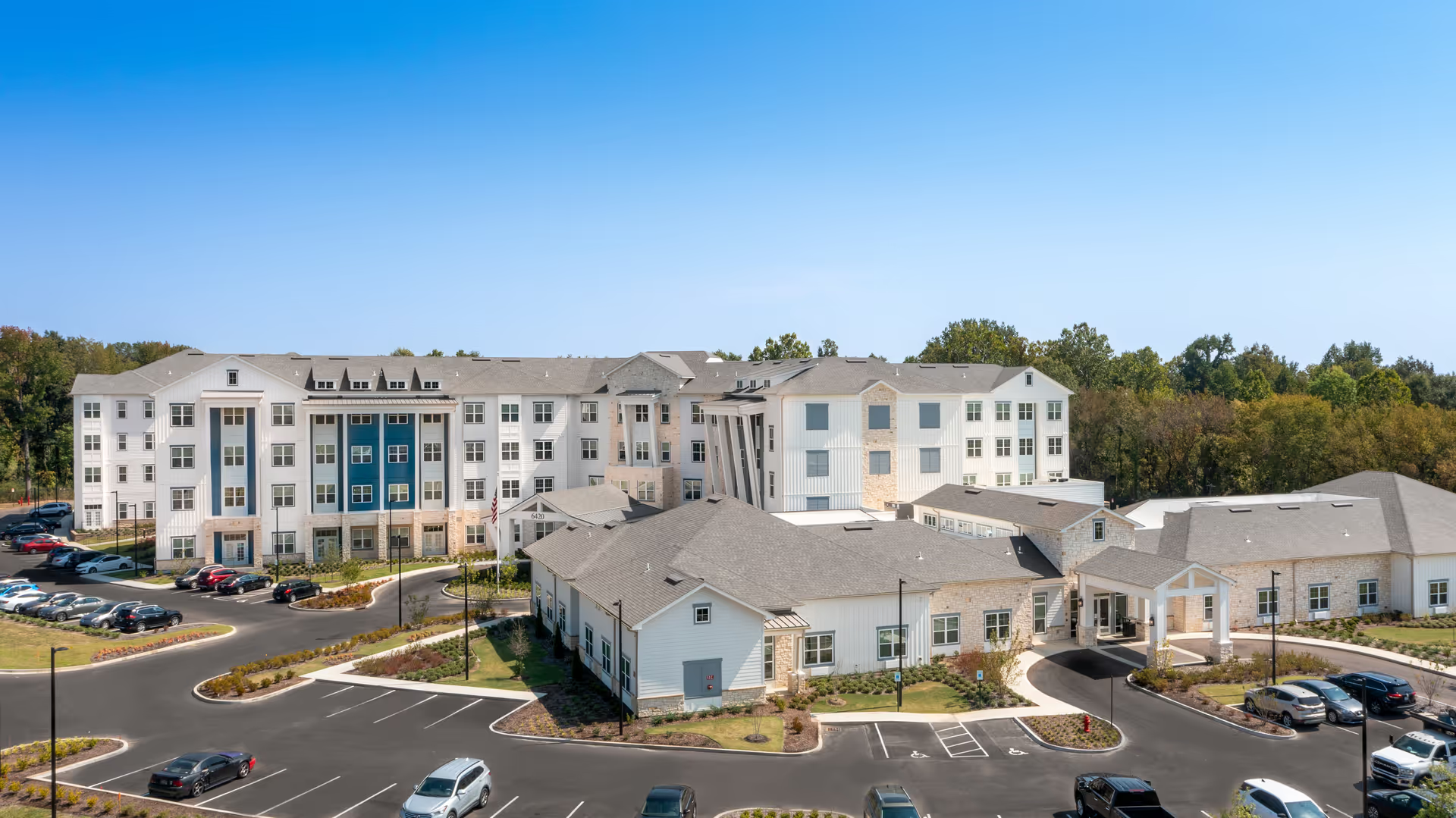
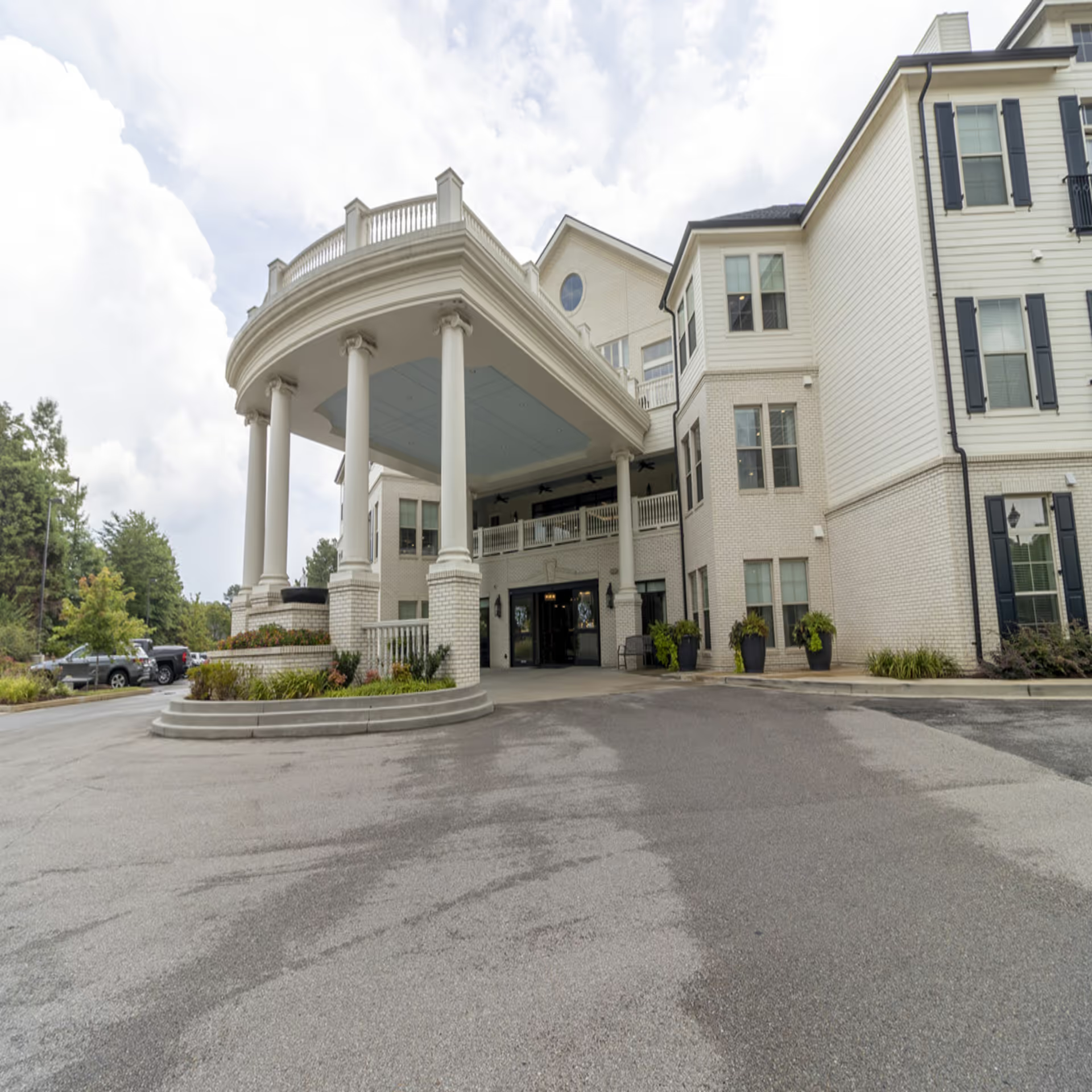
The reviews paint a mixed picture of Allenbrooke Nursing & Rehab Center, with distinct strengths alongside operational and consistency concerns. Positive comments center on individualized caregiving relationships, an engaged therapy department, and a strong CNA training program. Several families and trainees described staff who knew residents by name, unit managers who provided attentive oversight, therapists who encouraged participation, and instructors who offered hands-on, job-linked training. These accounts suggest the facility can deliver effective rehabilitative programming and coherent educational pathways for nursing assistants.
Care quality appears uneven across reports. Many reviewers praised dedicated staff members and proactive nursing leadership, noting timely check-ins and clinical thoroughness in some cases. However, other reviews describe delays in attending to resident needs, missed medical appointments, and inconsistencies in medication administration. These patterns point to gaps in clinical follow-up and medication-management processes rather than a single type of incident. There are also multiple mentions of safety- and incident-response shortcomings, which appear as delayed responses to emergent issues or variable handling of conflicts on the unit.
Dining and activities receive mixed feedback. Several reviewers enjoyed hot, well-prepared meals and frequent activity programming (bingo, game nights, mobility-focused events), while others found meal quality inconsistent and desired menu improvements. Activity offerings and therapy classes are often highlighted as strengths, particularly for residents focused on rehabilitation and mobility gains. Facility amenities show variation: common areas were described as clean and pleasantly scented by some, but other reviewers raised sanitation and odor-control concerns in parts of the building. Private rooms were frequently described as small, and there were reports of unreliable Wi‑Fi connectivity.
Management and staffing present notable patterns. Reviewers referenced recent management change and high staff turnover, which correlate with reports of inconsistent professionalism at the front desk and among caregiving staff. There are serious operational concerns noted across reviews, including allegations of theft and personal-property mishandling; these are significant and warrant direct inquiry by prospective families. Cost and perceived value were also raised as an issue by some reviewers.
Overall, experiences at Allenbrooke appear polarized: many families and trainees report compassionate care, effective therapy, and strong CNA instruction, while others describe operational weaknesses that affect safety, communication, and consistency of care. Prospective residents and families should consider an on-site tour, ask for current staffing ratios and turnover data, review recent inspection reports, and request specifics about medication management, incident-response protocols, property-security measures, and recent changes in leadership to gauge whether the facility’s strengths align with their priorities.