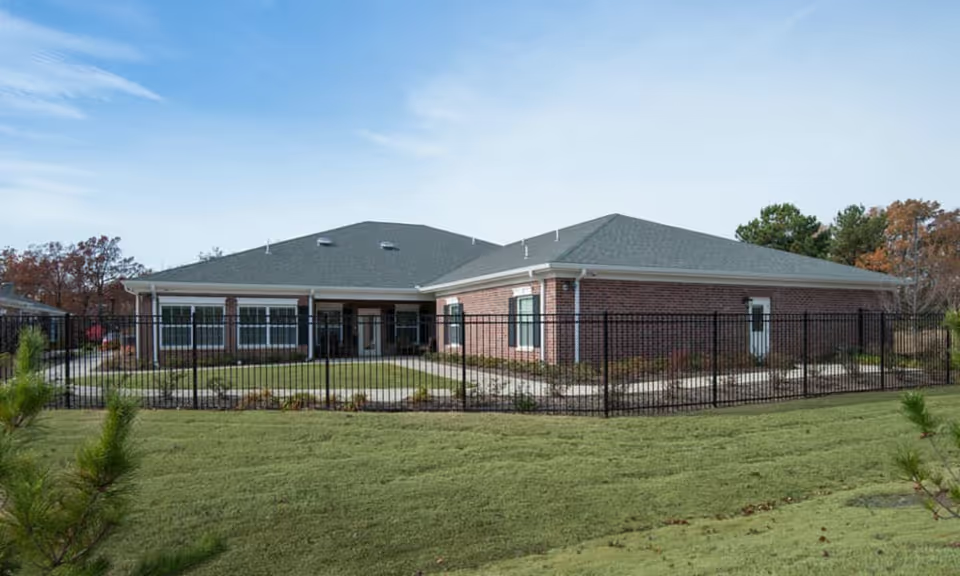
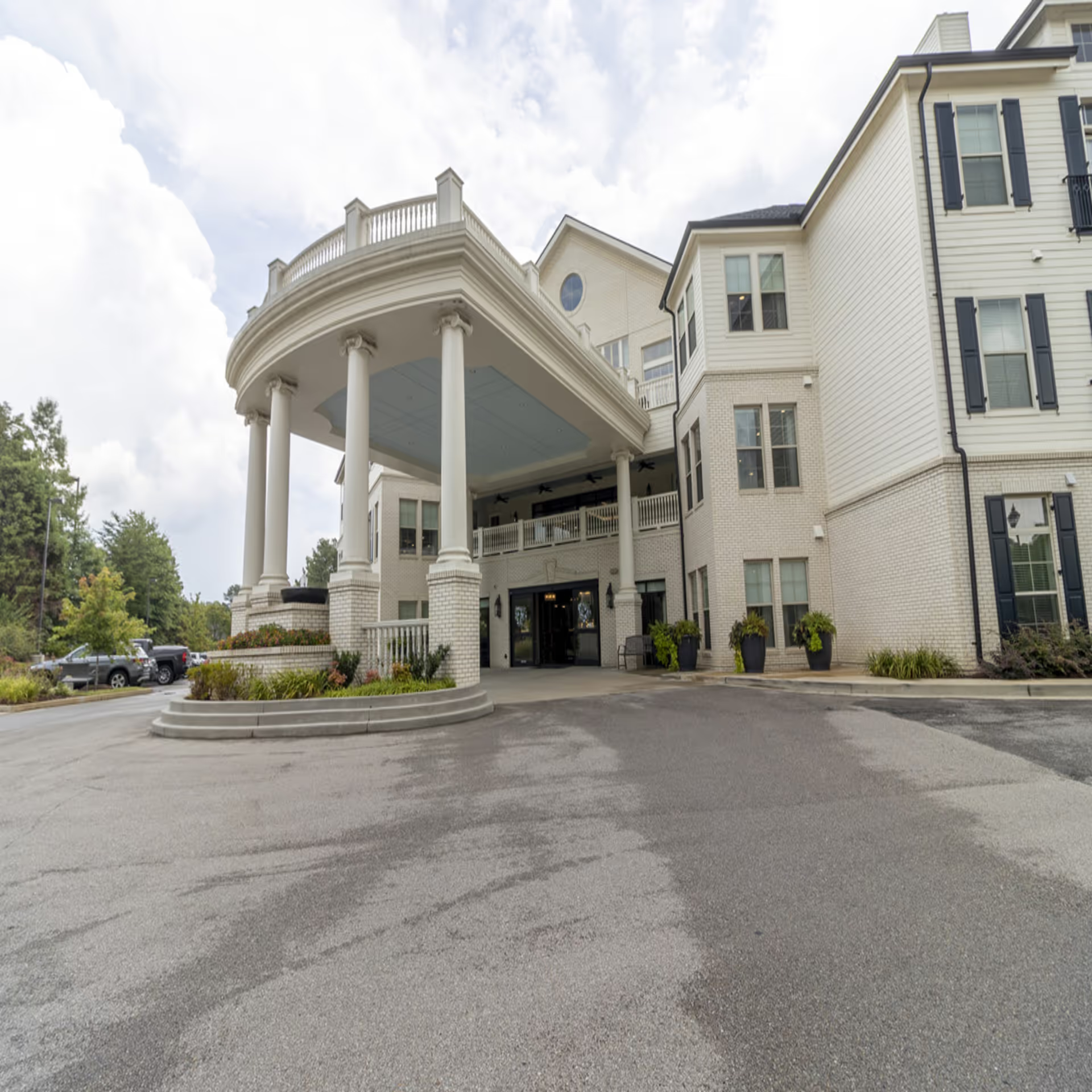
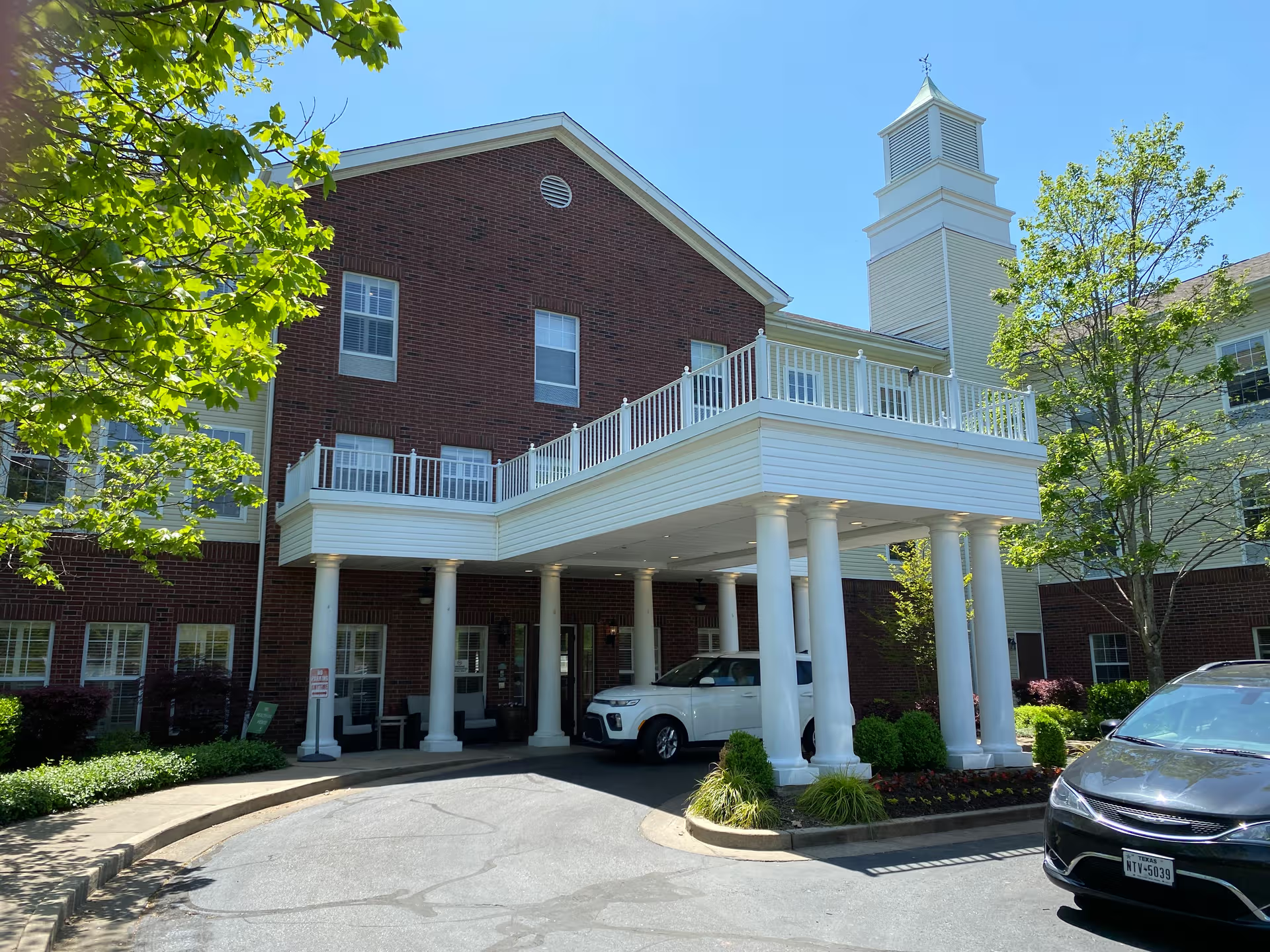
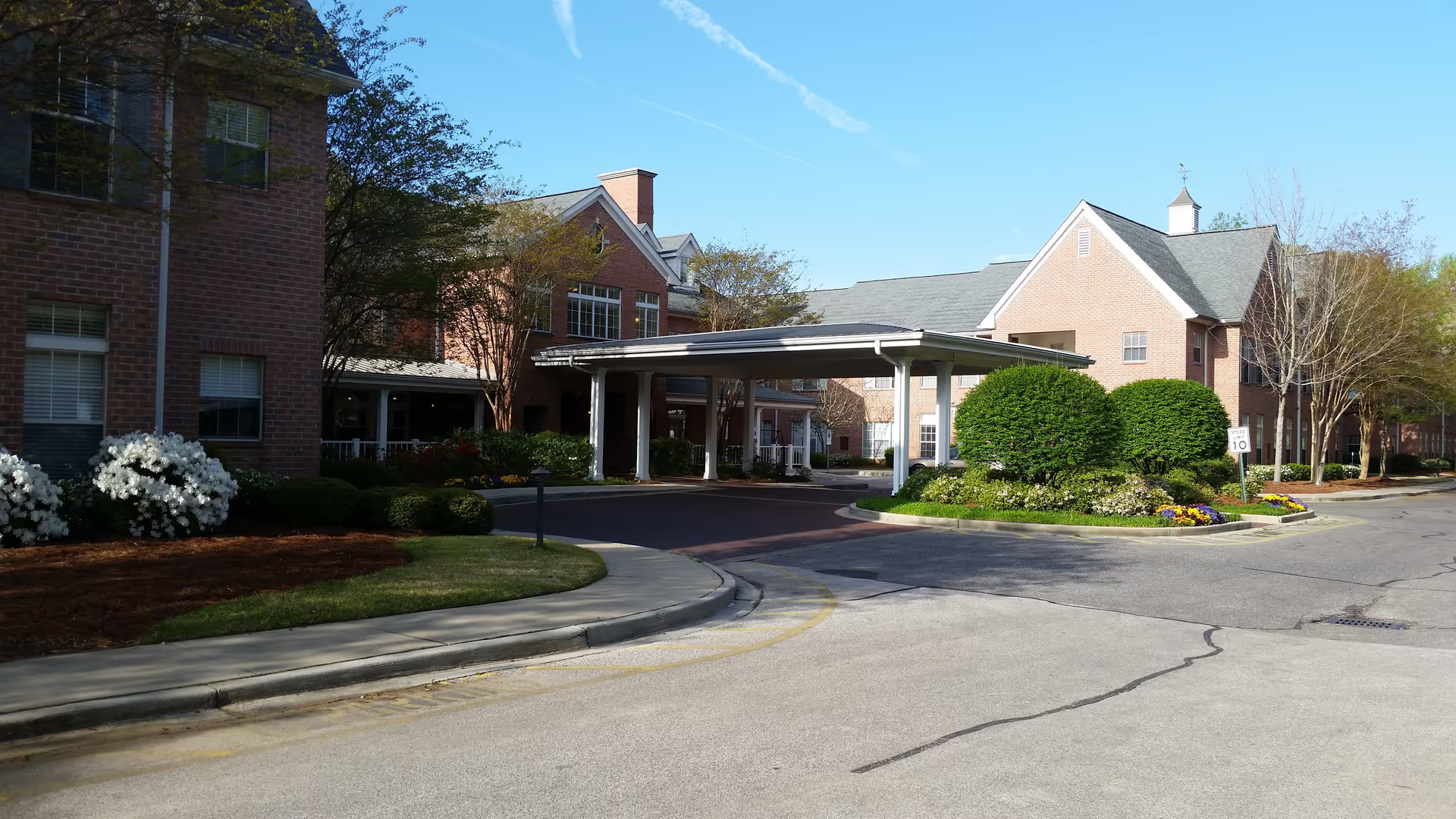
Reviews of Kirby Pines LifeCare Community describe a campus with substantial strengths alongside persistent operational concerns. The property is repeatedly praised for its attractive, well‑maintained grounds — including a lake, walking trails, garden plots, and multiple outdoor gathering spaces — and for extensive on‑site amenities such as a performance theater, pool, woodworking shop, salon, library, and fitness facilities. Dining is frequently highlighted as a particular strength, with multiple accounts of restaurant‑style meals, special event dining, and a talented kitchen staff. The community offers a true continuum of care with on‑site medical services, a 24/7 clinic, skilled nursing, memory care, and strong rehabilitation services, which many families cited as important to their decision to move in.
Staffing and direct care receive mixed but often positive remarks. Numerous reviewers described caregiving staff as compassionate, attentive, and community‑oriented; long‑term residents and families reported a warm, social atmosphere and staff who go above and beyond. At the same time, there are recurring operational concerns linked to staffing: high turnover, reports of inconsistent agency staff conduct, and indications of low morale or a challenging workplace culture. These workforce issues are associated with intermittent problems in clinical responsiveness, night‑shift supervision, and follow‑through on resident requests.
Food and activities are clear selling points, but reviewers also noted variability. While many praised gourmet meals and themed events (including standout holiday dinners), others described declines in meal consistency after vendor or chef changes, with occasional complaints about meal temperature and portioning. The activities program is broad — offering exercise classes, performances, arts, and social outings — though engagement and accessibility can vary by neighborhood within the large campus; some residents found programs highly engaging while others said activities staff were less proactive in certain areas.
Facility‑level operations show strengths and weaknesses. Public spaces and newer apartments are generally described as clean and well‑decorated, yet some units and wings were described as outdated or uneven in condition. Maintenance responsiveness and repair timelines were flagged repeatedly as areas needing improvement, and there are several mentions of persistent HVAC and climate‑control problems that affect dining and common areas and have sometimes been addressed with temporary room units rather than long‑term repairs. Navigation and signage on the expansive campus can be confusing for new residents and visitors.
Management and contract issues were another consistent theme. Several reviews raised concerns about administrative responsiveness, communication, and clarity around contracts and entrance‑fee refunds; a few referenced contractual disputes or the need for legal action. Taken together, these items suggest families should seek clear explanations of financial terms, refund policies, staffing ratios, emergency response protocols, and planned capital improvements when evaluating the community.
In summary, Kirby Pines offers an amenity‑rich, attractive campus with strong dining, rehab services, and a socially active community supported by many dedicated caregivers. Prospective residents and families should balance those strengths against operational patterns that have surfaced in multiple reviews: variable clinical responsiveness, maintenance and HVAC shortfalls, staff turnover and culture issues, inconsistent meal service continuity, and questions about contract transparency. Those considering the community would be well served by focused, written questions about staffing and supervision, contract/refund procedures, recent or planned HVAC repairs, and examples of how management addresses resident safety and maintenance requests.