Reviewer feedback for The Avaline at River Oaks is markedly polarized: many families and visitors describe a warm, attentive front‑line culture and a well‑kept, active community, while other accounts raise operational and clinical concerns that merit careful consideration.
Care and clinical oversight: Positive comments frequently highlight compassionate aides, proactive nurses who contact physicians, and appropriate hospice coordination. At the same time, several critiques point to inconsistent clinical leadership (including extended vacancies in nursing leadership), gaps in medication administration handoffs, deficiencies in documentation, and hydration‑management protocols that have produced adverse outcomes for some residents. Families should verify current nursing leadership, staffing ratios, and written clinical policies during a tour.
Staff and day‑to‑day routines: Many reviews praise long‑tenured employees, personalized attention, and staff who form rapport with residents. Contrasting accounts describe staffing shortages on resident floors, frequent staff turnover in particular roles, inconsistent bathing and dressing schedules, and occasional concerns about staff conduct or responsiveness. The use of rotating or “contact” nurses is noted as a potential source of reduced continuity of care.
Dining and activities: The community offers a broad activities calendar, outings, and seasonal programming that several families found engaging; a memory‑care director who knows residents by name is also highlighted. Meal quality is described variably — some families praise the food while others find meal preparation or service inconsistent. The presence of breakfast areas on each floor and active programming are clear strengths, but prospective residents should observe a meal and an activities session to assess fit.
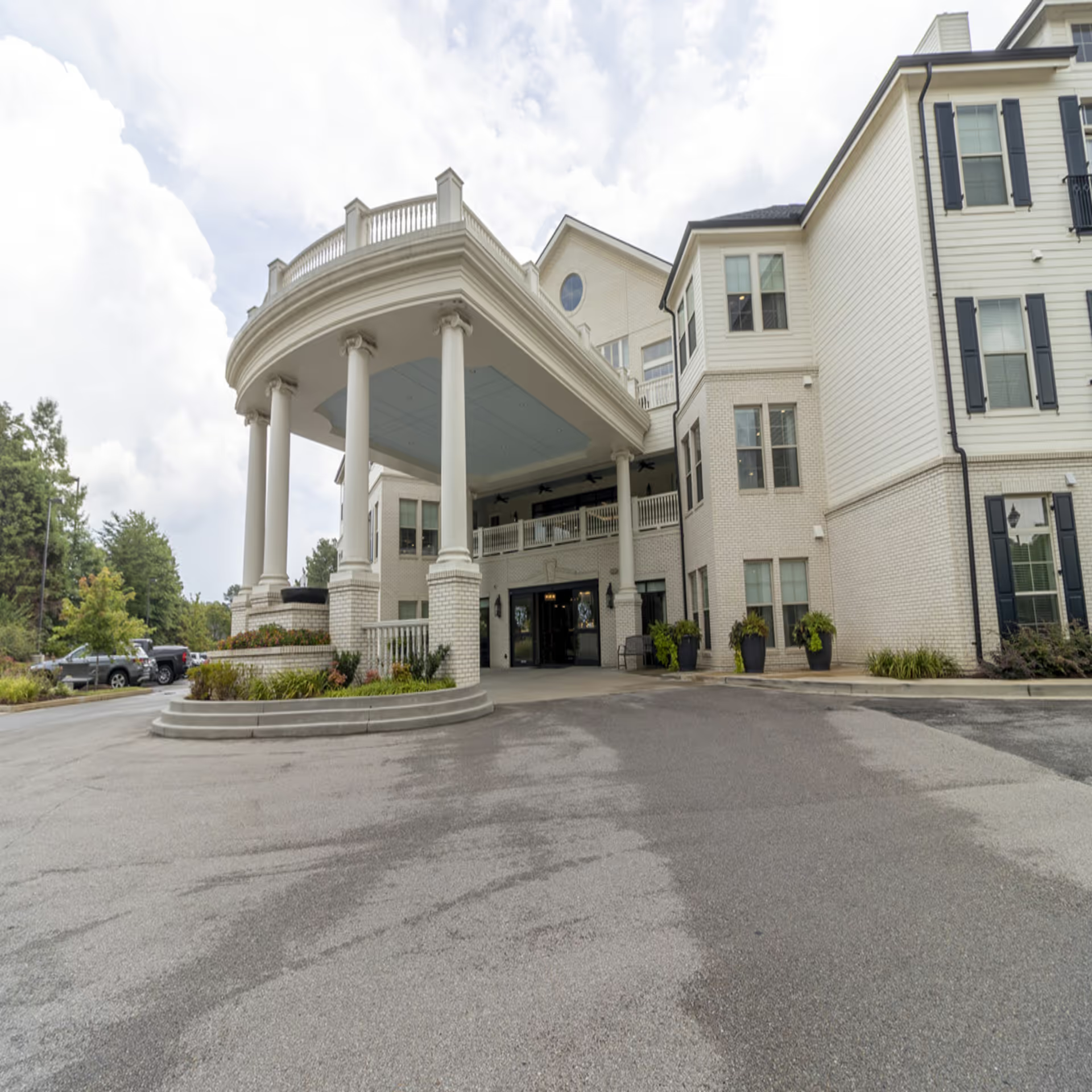
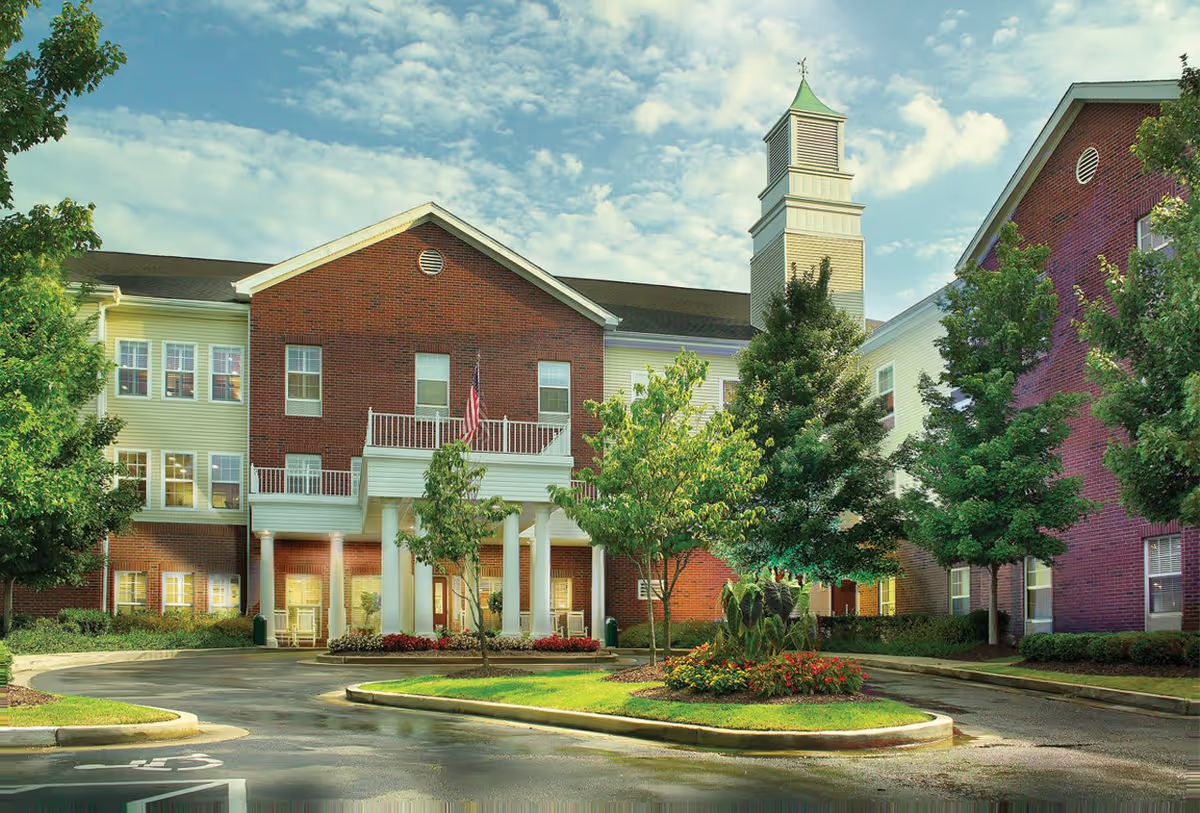
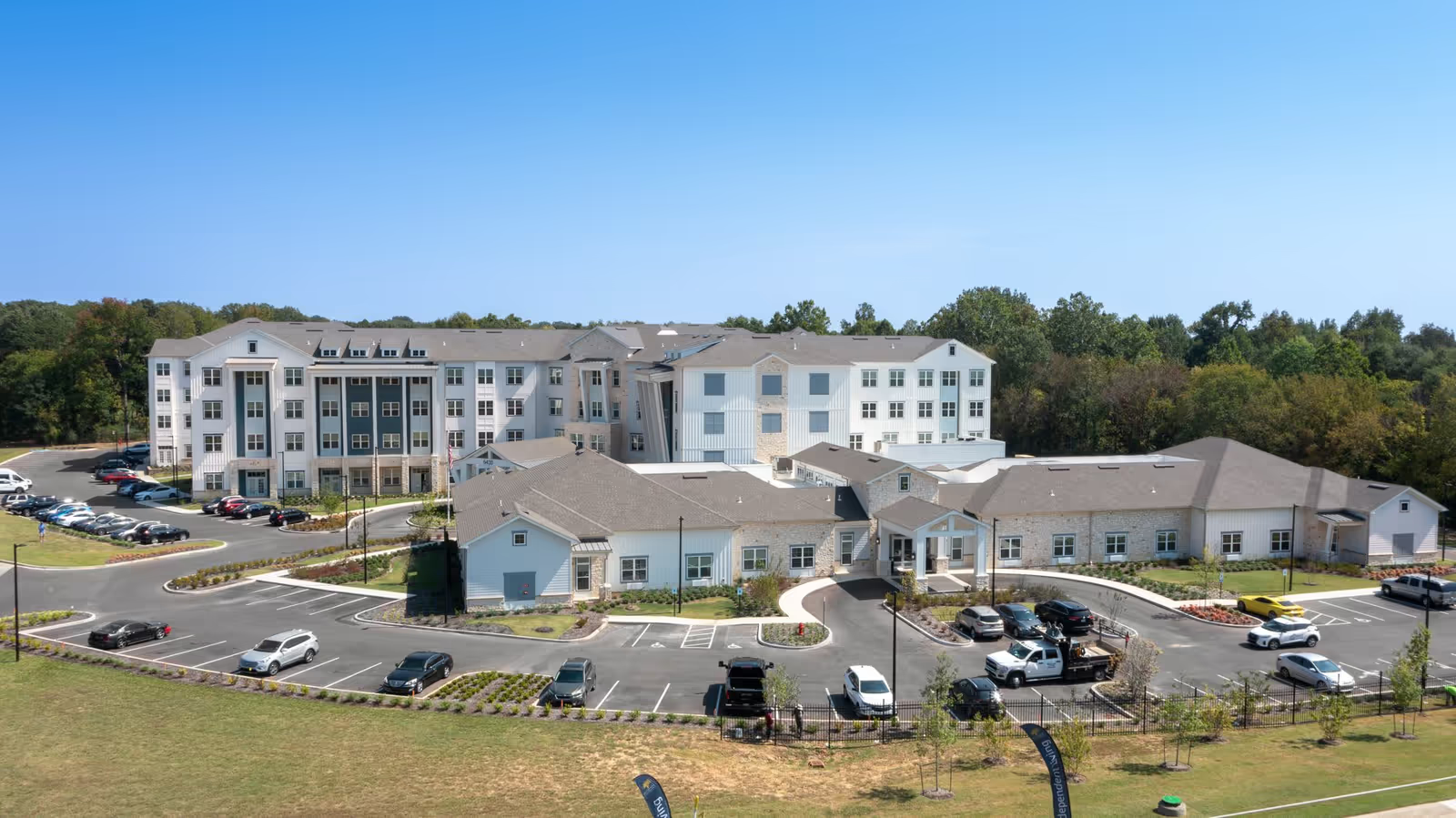
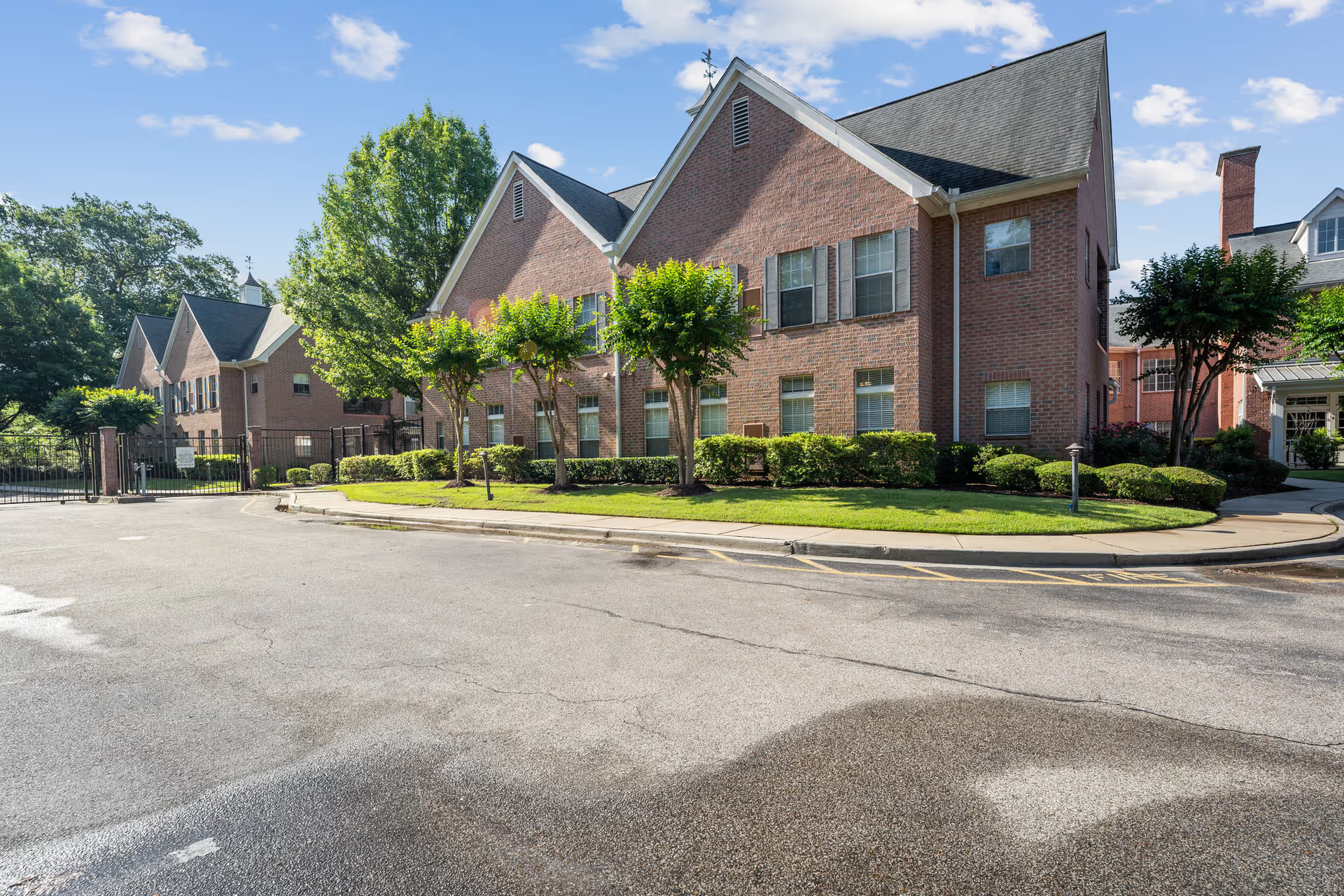
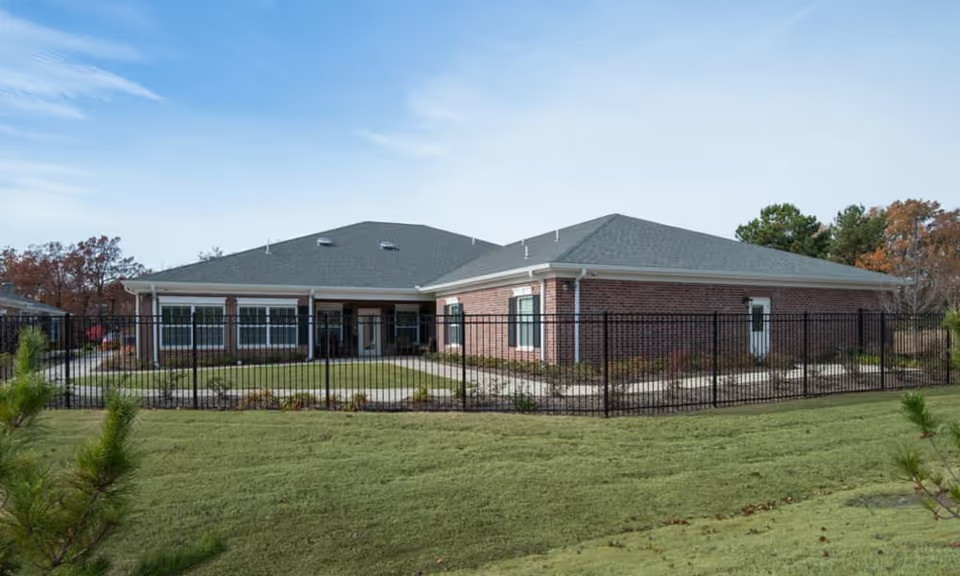
Facilities and operations: Many reviewers describe a clean, remodeled facility with pleasant common areas, courtyard access, and thoughtful communal spaces. However, other parts of the campus — notably an older wing described as dark and cramped — are identified as in need of lighting, décor, and layout improvements. Operational issues identified include laundry errors, personal‑item management lapses, and record‑keeping deficiencies. There is also feedback about safety‑procedure gaps, including a cited sign‑in concern and noted regulatory attention (probation and fines) in some accounts.
Management and communication: Several reviewers praised helpful administrators, an accommodating business office, and strong leadership that facilitated smooth moves and orientation. Conversely, other reviewers reported limited responsiveness from management, uneven communication with families, and dissatisfaction with how clinical concerns were escalated. These contrasting impressions suggest variability in management performance over time or across departments.
Notable patterns and recommendations: The dominant theme is variability — strong, compassionate direct care and attractive amenities coexist with operational weaknesses in clinical oversight, staffing consistency, and documentation. Prospective residents and families would benefit from targeted questions during tours: current Director of Nursing status and credentials, staffing levels and use of agency/contact nurses, specific meal and hydration protocols, examples of record‑keeping and medication‑administration audits, recent corrective actions following regulatory citations, and the opportunity to observe dining and memory‑care programming in person. Verifying up‑to‑date policies and talking with current residents or families can help clarify whether the facility’s strengths align with an individual’s care needs.