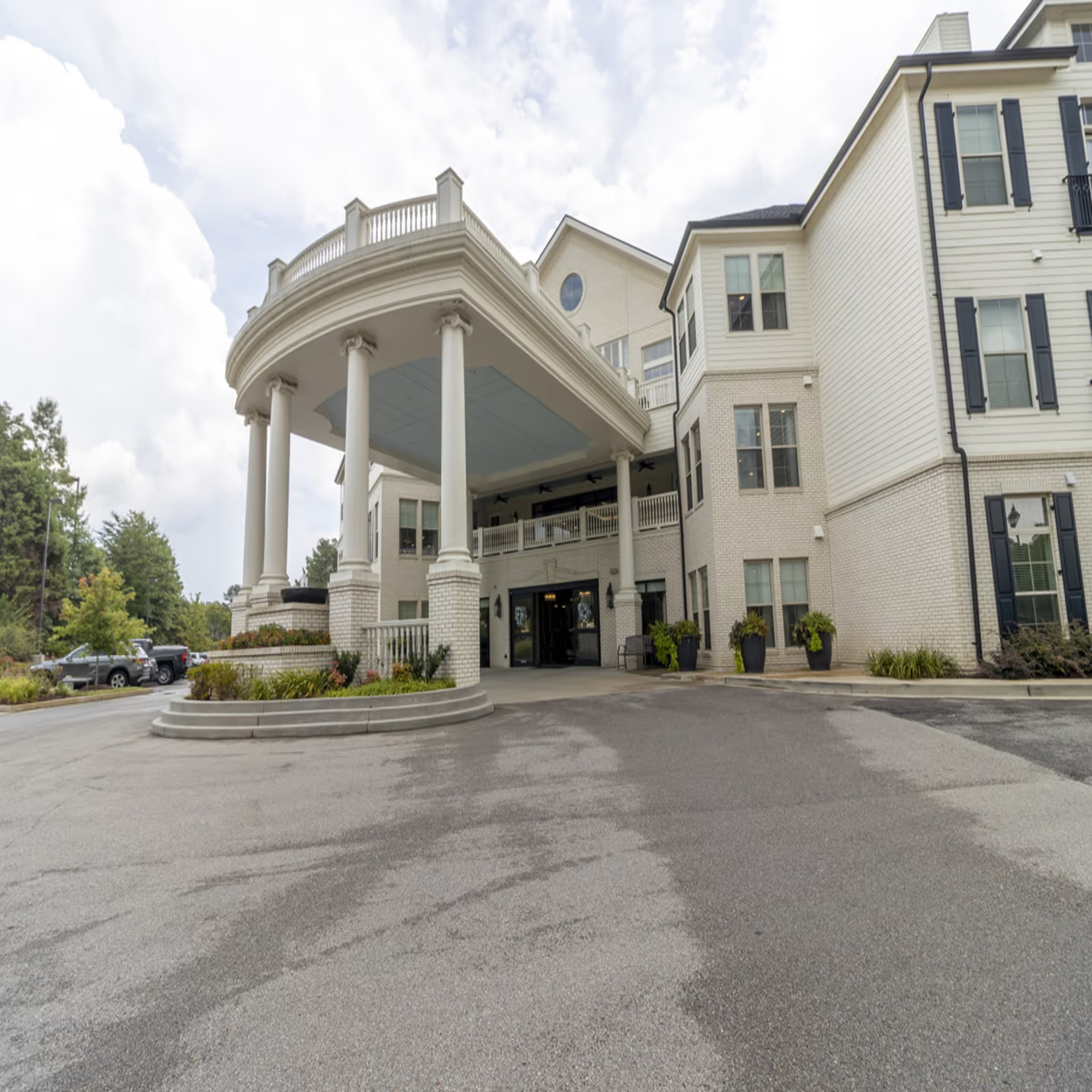
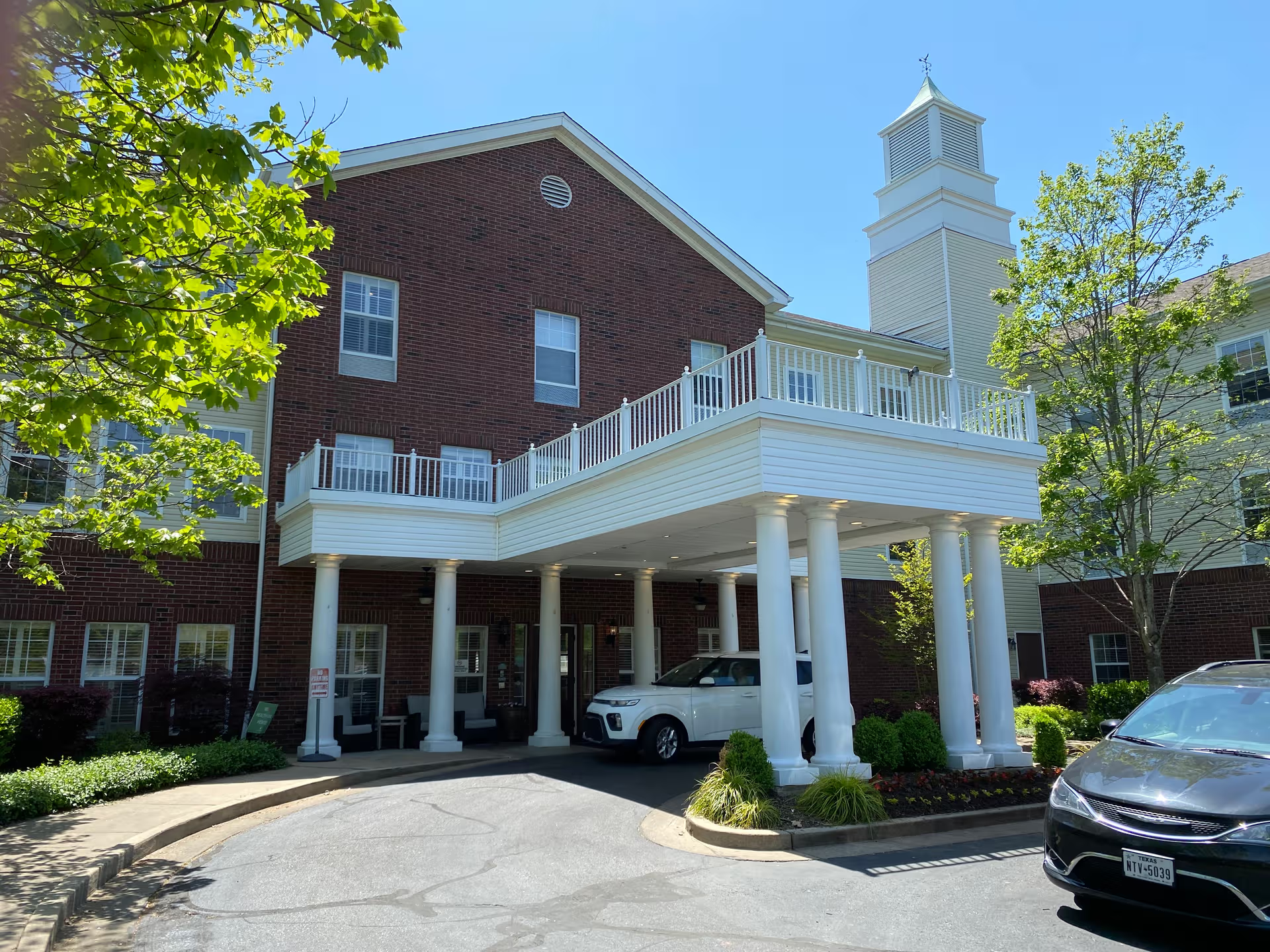
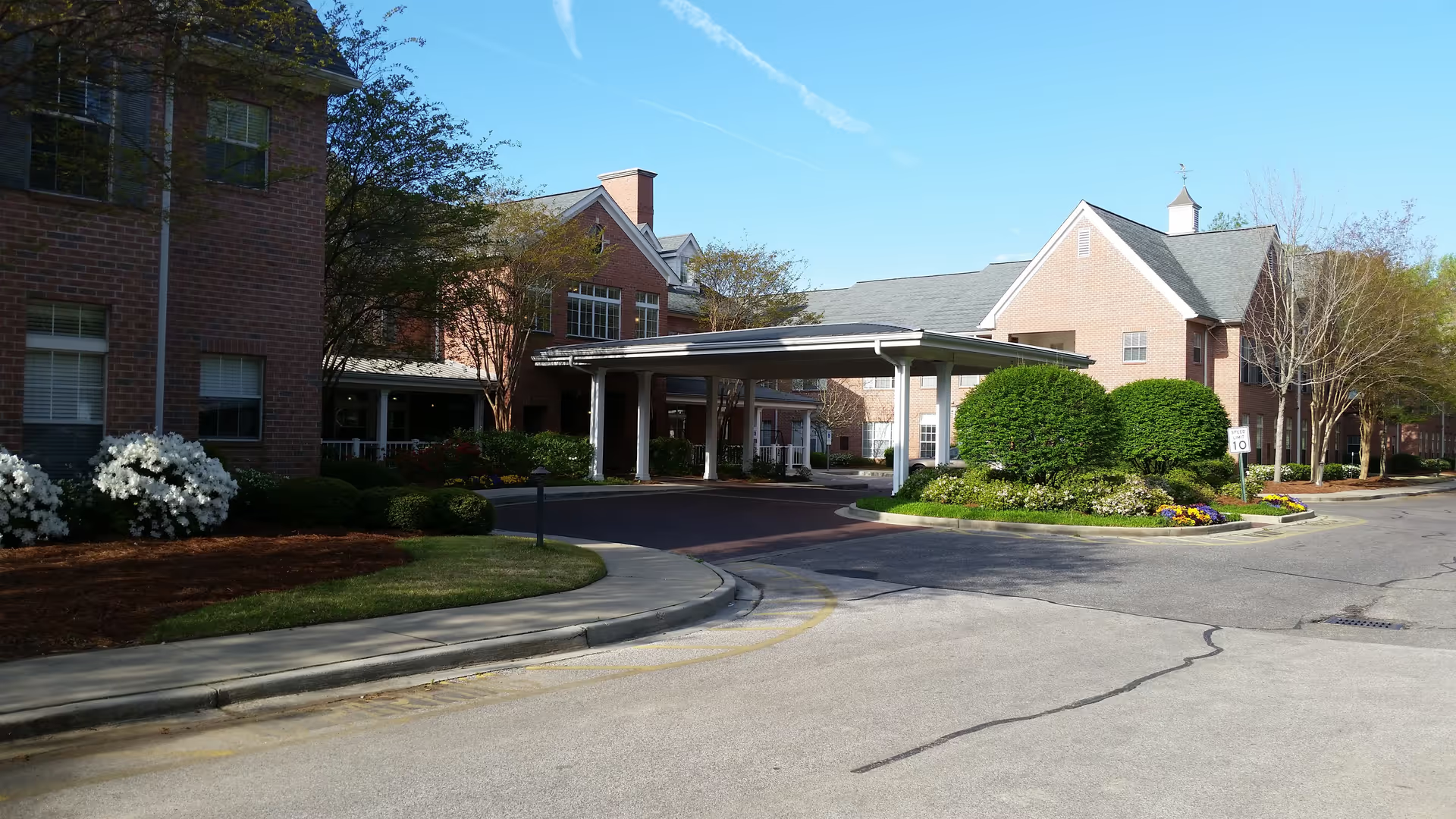
The Waters of Memphis elicits strongly mixed impressions. Many reviews praise the facility’s rehabilitative strengths: the physical and occupational therapy programs and the on-site, state-of-the-art rehab center are frequently described as excellent, with measurable recovery outcomes. Dining and amenities are also a commonly cited strength — several families highlight restaurant-style meals, an inviting dining environment, and recreational features such as a salon, courtyard, chapel and an ice cream parlor. The building and rooms are often described as spacious and well-maintained, and the facility holds Joint Commission accreditation, which reviewers cite as a positive indicator of standards.
Staffing perceptions vary considerably. Numerous reviewers singled out individual CNAs, nurses, therapists and some administrators for compassionate, hard-working care and effective case coordination; several families reported positive, family-like interactions and timely notifications from admissions or social-work staff. At the same time, other reviewers described inconsistent staff conduct, unresponsiveness on certain shifts, and a high turnover that appears to correlate with variable day-to-day experiences. This variability extends to clinical practices: while therapy services receive consistent commendation, there are recurring concerns about medication delays, missed or late pain management, and uneven follow-up after clinical incidents.
Operational weaknesses are a recurring theme. Reviewers describe staffing shortages and workload pressures that contribute to slow responses to call lights, missed hygiene or bathing events, and inconsistent incontinence care. Communication gaps were reported between facility staff, families, and outside clinicians — examples include unclear discharge coordination, incomplete handoffs to home-health teams, and inconsistent sharing of clinical updates. Maintenance and housekeeping issues are not universal, but several comments point to delayed repairs and intermittent sanitation or odor concerns in common areas. A subset of reviews raises financial and property concerns, including billing discrepancies and alleged theft; such claims are serious and were not universal but do contribute to family anxiety about oversight.
Management impressions are mixed. Some reviewers praise transparent, proactive leadership, weekly update calls, and prompt issue resolution under certain administrators. Others describe absent or apathetic leadership at times, with slow escalation and inconsistent enforcement of care standards. Infection-control outcomes and pandemic-related visitation policies were another area of mixed feedback: some reviewers felt pandemic measures were handled safely, while others reported infection events and variable outcomes.
Overall, The Waters of Memphis appears to offer high-quality rehabilitation and appealing amenities within a well-appointed facility, supported by many dedicated clinicians and caregivers. However, there are recurrent, facility-level operational concerns — chiefly inconsistent staffing, medication and clinical follow-up processes, communication lapses, and occasional sanitation and maintenance issues — that produce highly variable family experiences. Prospective residents and their families should weigh the strong rehabilitative and amenity offerings against the potential for variation in daily nursing and support services, and consider active care monitoring and clear communication plans on admission to help ensure consistent care.