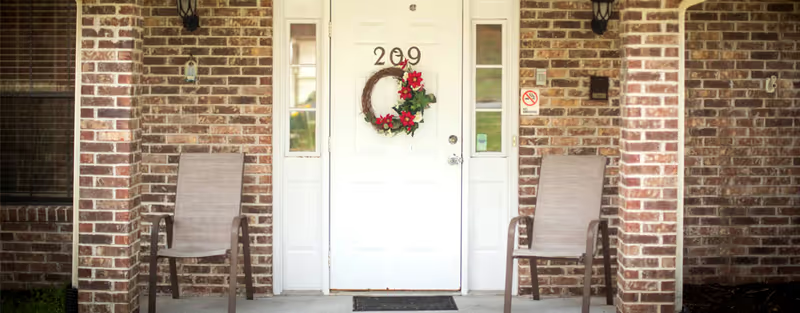
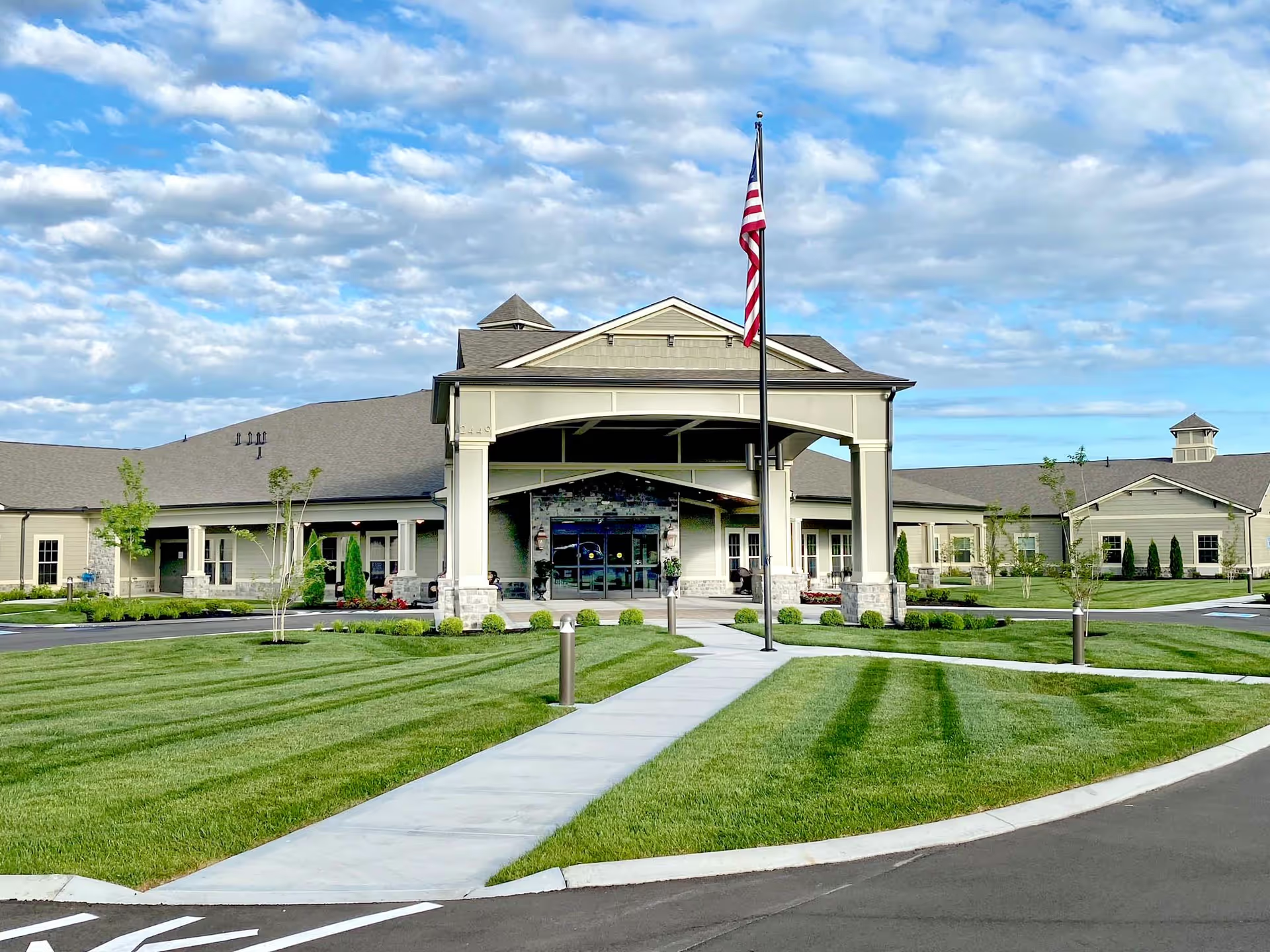
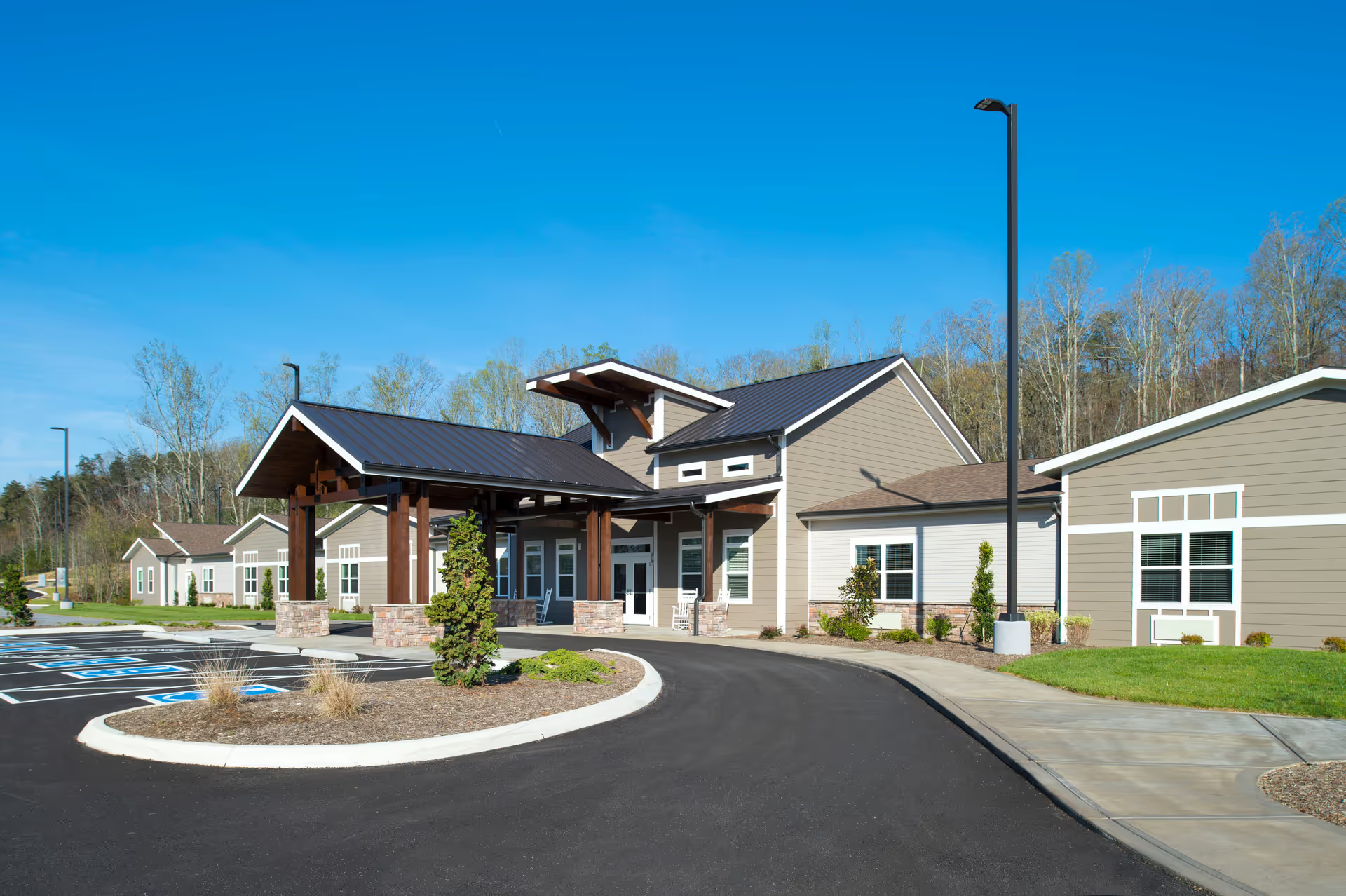
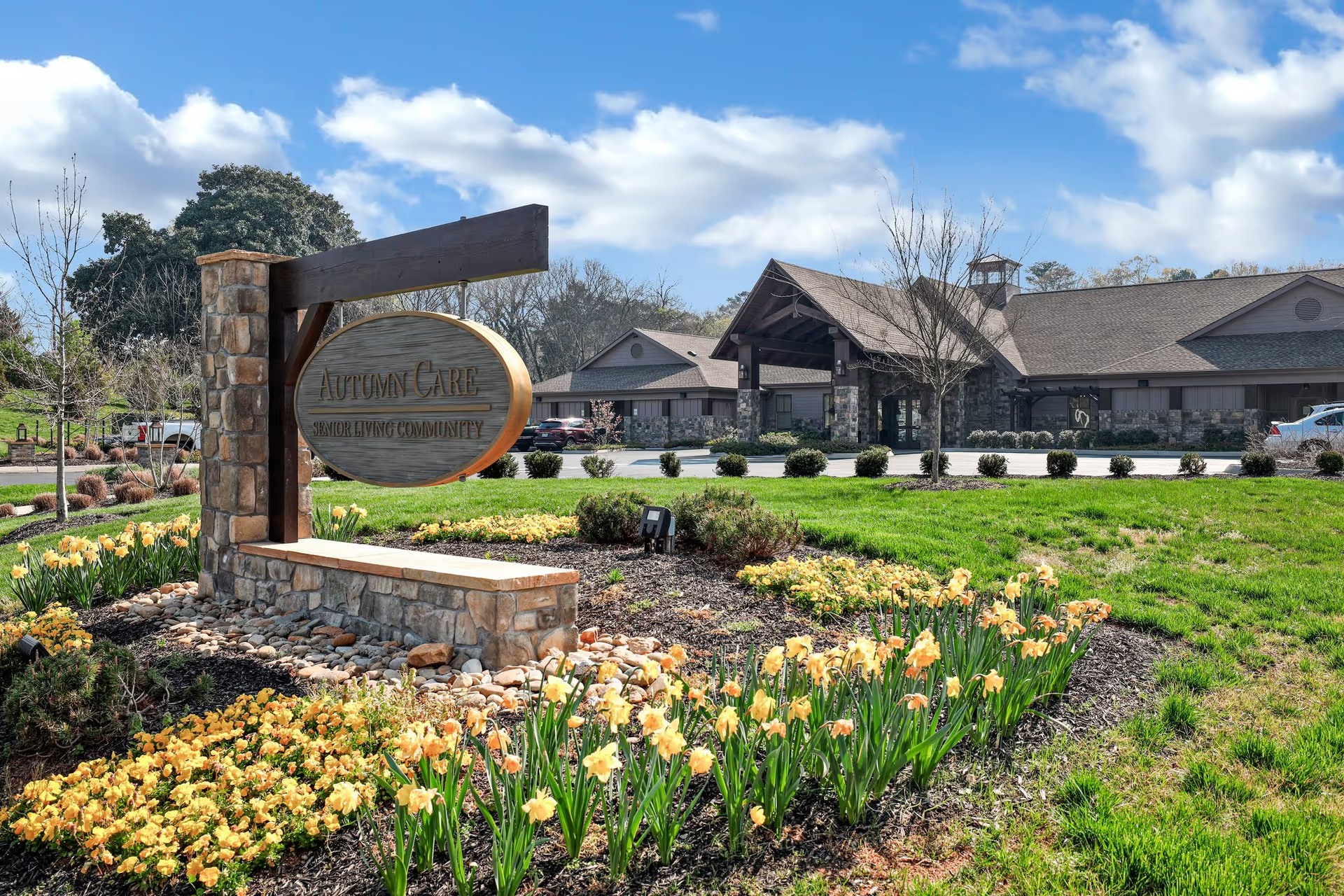
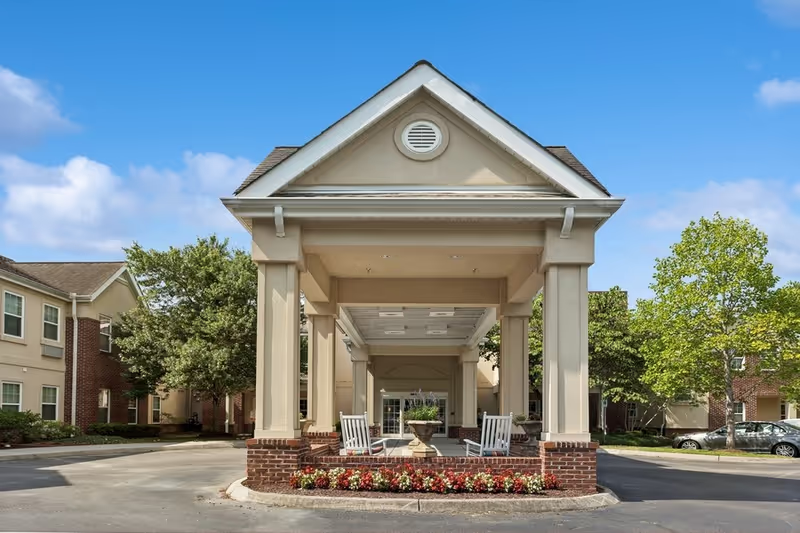
Canterfield of Oak Ridge presents a mixed profile in these reviews. Many comments emphasize a welcoming, well-appointed campus with substantial amenities — one-bedroom apartment layouts, elevators, a theater, salon services, gardens, and multiple communal spaces. The community offers a robust activities program (bingo, crafts, dances, exercise classes) and transportation for outings and appointments. Several reviewers highlighted caring, engaged staff members and specific strengths such as 24/7 nursing availability, coordination with hospice, and improvements to the dining program under a new food manager.
Care quality descriptions are varied. Positive accounts describe attentive, compassionate caregiving and staff who treat residents like family. However, a notable pattern of clinical and operational concerns appears alongside those positives. Key care-related issues include inconsistent medication administration and refill tracking, delayed clinical follow-up for changes in resident condition, and uneven attention to personal-care needs such as nail and skin care. A state health commission inquiry was referenced in connection with medication-management concerns; additionally, some reviewers described troubling experiences around hospital transitions and end-of-life situations, framed as concerns following a resident's death and discharge/readmission coordination gaps.
Dining and activities are frequently praised for variety and social engagement; formal dining and home-style meal options are strengths cited by many residents and families. At the same time, reviewers described variability in meal availability and continuity (for example, reduced snack or Grab-and-Go options at times), and some families expressed dissatisfaction with nutrition or meal consistency. The activities department, by contrast, is widely regarded as energetic and successful at keeping residents engaged.
Facility condition and housekeeping present a mixed picture. The building and apartments are often described as upscale, clean, and comfortable, with locations and amenities that support independent and assisted living. Yet reviewers also raised sanitation and environmental-maintenance concerns in specific areas — inconsistent housekeeping schedules, spot-cleaning and carpet maintenance gaps, and intermittent sanitation or incontinence-care delays. These issues appear to cluster with periods of staffing strain or operational turnover.
Management, staffing stability, and communication emerge as central themes. Several reviewers praised individual managers and described compassionate leadership, but others noted high turnover in leadership and front-office staff, defensive communication styles from some administrators, and perceived reductions in service after leadership changes or rent adjustments. These organizational shifts were associated with lower morale among staff and inconsistent communication with families, including delays or omissions in reporting clinical changes.
What this pattern suggests for prospective residents and families: the community offers many desirable amenities, an active social program, and dedicated staff members who provide meaningful engagement. At the same time, there are recurring operational concerns around medication management, clinical follow-up, housekeeping consistency, memory-care staffing structure, and communication/continuity during management transitions. Families considering Canterfield of Oak Ridge should request up-to-date information about clinical protocols (medication administration, nurse availability, hospital-readmission policies), staffing ratios and turnover, housekeeping schedules, memory-care staffing and meal practices, and the facility's most recent state inspection or investigation outcomes. A focused tour and direct questions about those operational areas will help clarify whether current practices align with a prospective resident's needs.