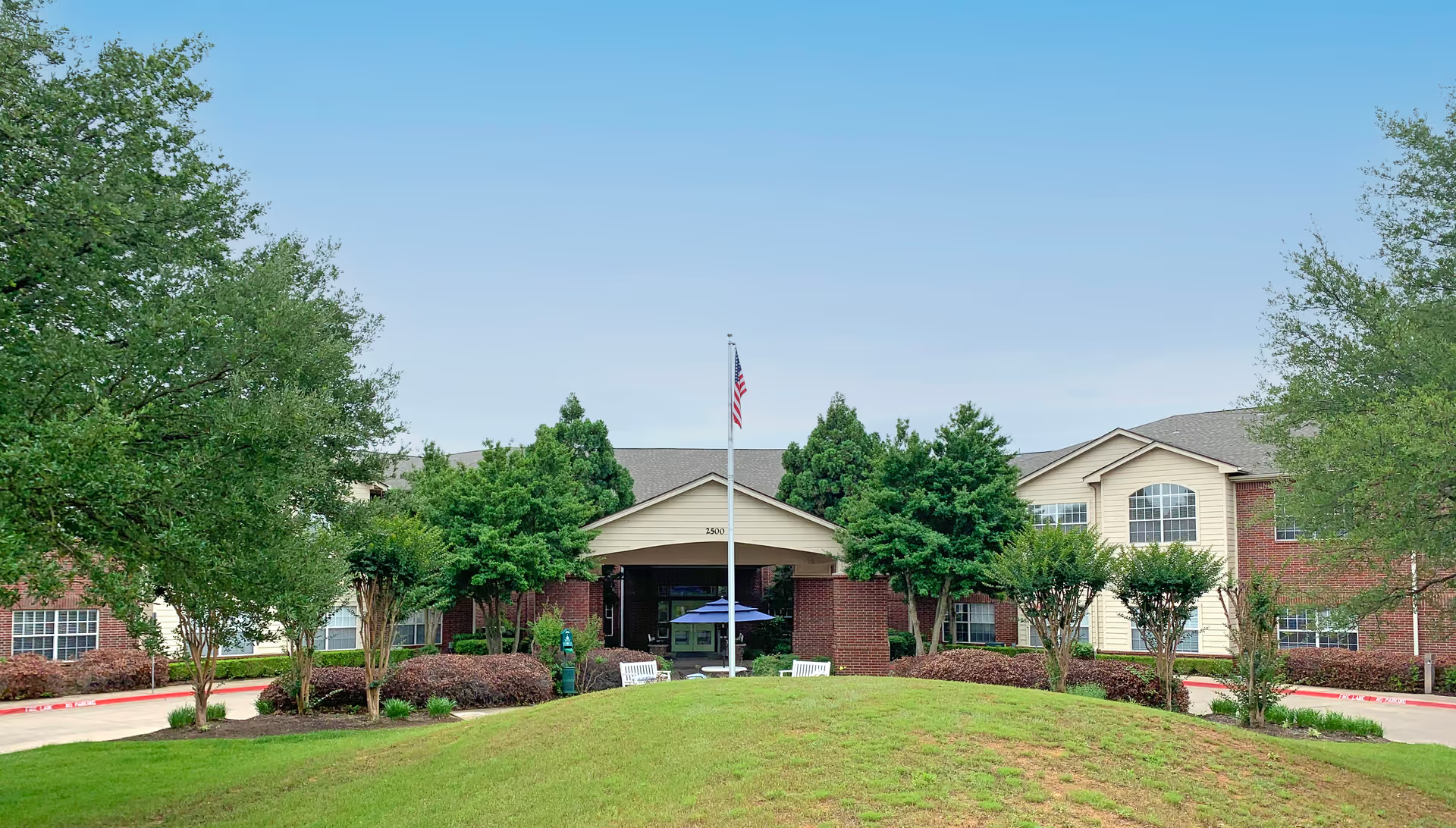
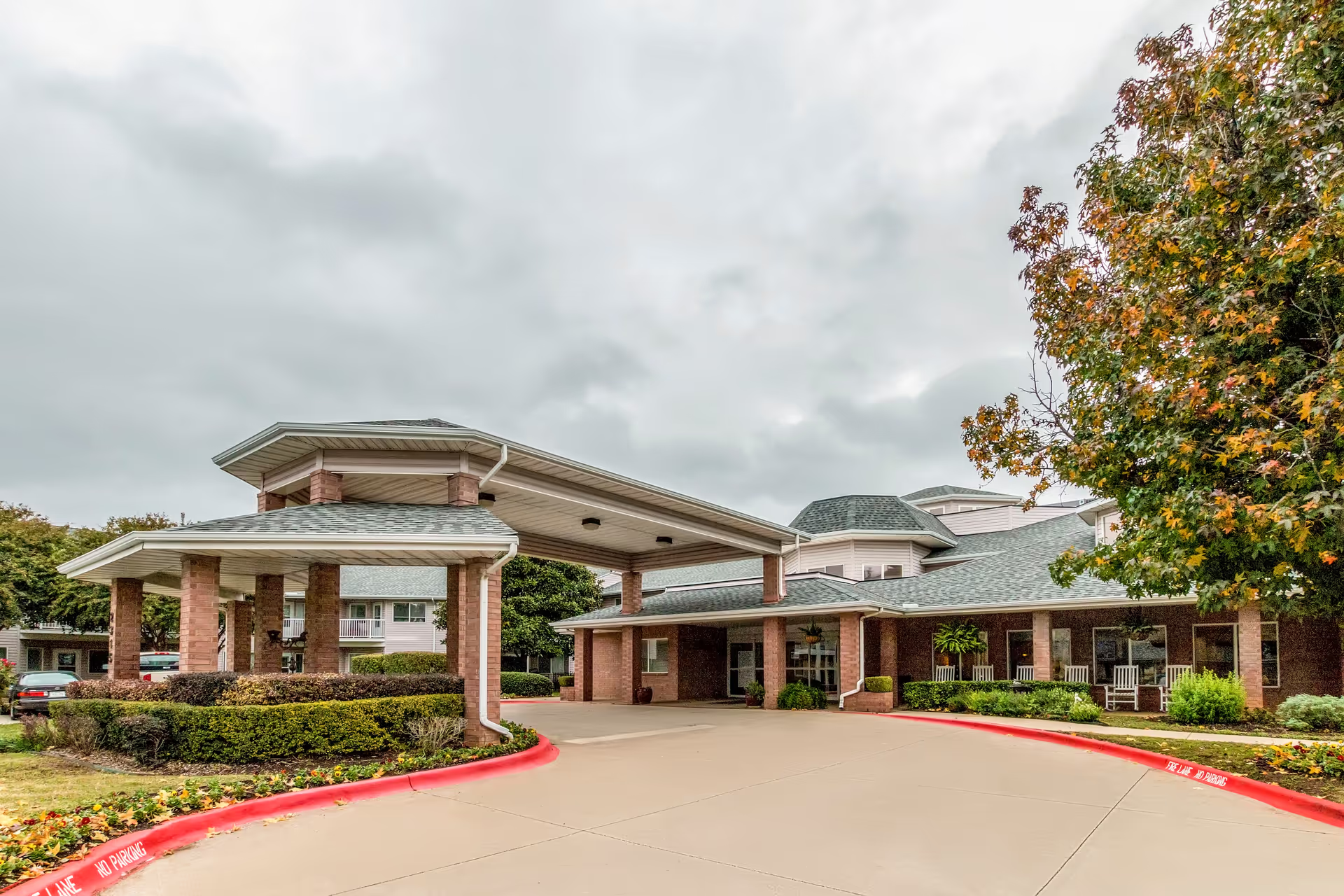
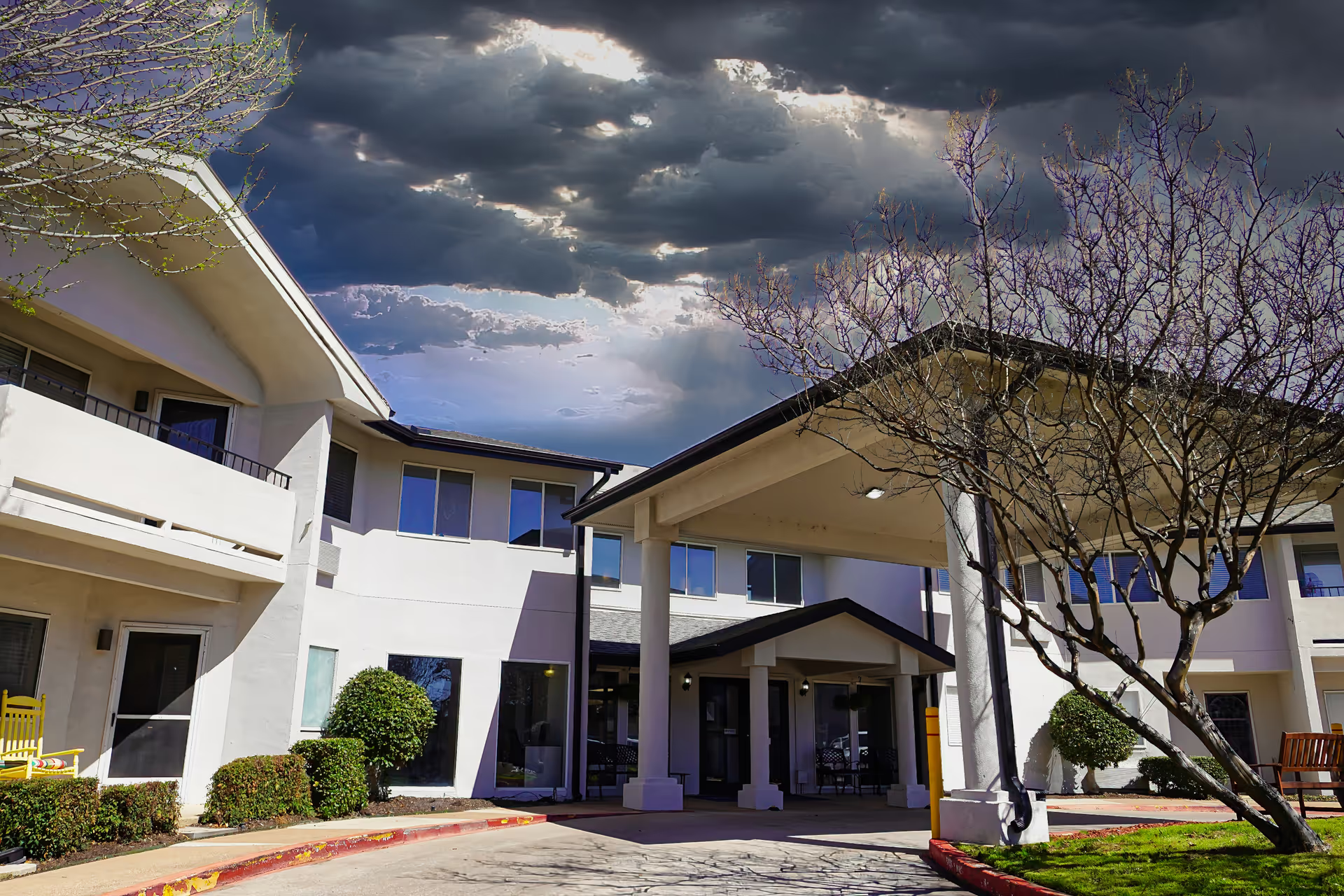
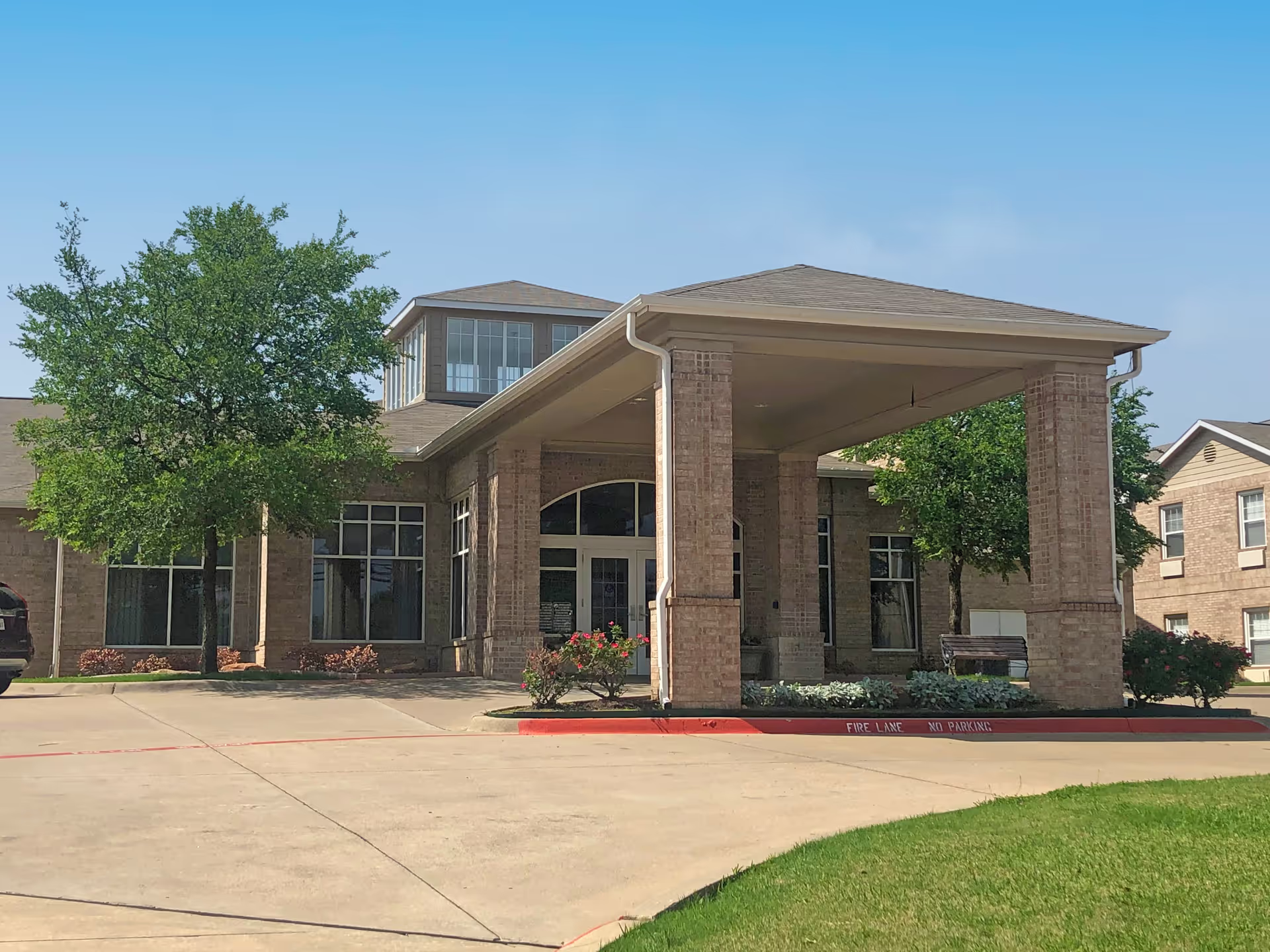
Green Oaks Nursing and Rehabilitation elicits a broadly mixed set of experiences. Positive accounts frequently highlight individualized rehabilitation outcomes, an active life-enrichment program, and many staff members who are described as caring, patient, and engaged. The therapy department (physical and occupational therapy) and the activities director receive consistent praise for measurable clinical gains and resident engagement. Admissions and marketing personnel are repeatedly described as welcoming and organized, and several families note recent interior updates that contribute to a more home-like atmosphere.
At the same time, a substantial portion of feedback indicates operational inconsistency in direct care and clinical oversight. Common themes include staffing instability, delayed responses to call buttons, and irregular adherence to scheduled personal care tasks such as bathing and toileting assistance. Multiple accounts point to medication-administration and documentation shortcomings, including transcription errors and delayed or missed doses; these issues, when combined with delayed clinical escalation or hospital transfer in some cases, have raised safety concerns for families.
Dining and dietary management are another area of variability. Some families describe balanced, enjoyable meals and flexibility for special diets, while others report cold food, menu mismatches, and insufficient allergy or anticoagulation-sensitive meal planning. Cleanliness and sanitation are similarly inconsistent: reviewers praise well-kept common areas and attentive housekeeping in some units, yet others describe odor concerns, pest-control issues, and intermittent lapses in room- and bathroom-level cleanliness.
Communications and administration show marked variability. Several accounts commend hands-on administrators, responsive social workers, and improvements after leadership changes. Conversely, others describe difficulty reaching staff, long phone hold times, limited leadership presence on nights and weekends, and slow or inadequate responses to family-raised concerns. Weekend and night coverage appears to be a particular operational stressor, with families noting degraded responsiveness and fewer available clinical staff during those periods.
Notable patterns include clear departmental contrasts: therapy and activities are often strengths, while nursing coverage, medication safety, and meal service are frequent sources of concern. There are also isolated, more serious claims — including allegations of missing personal items and significant clinical errors — that underscore the importance of verifying current practices directly with the facility. Families who describe better outcomes tend to report active communication from management, stable staffing, and consistent adherence to care plans.
For prospective residents and family members, the picture at Green Oaks suggests meaningful potential benefits (effective rehab, engaging programming, and compassionate staff) but also operational risks tied to staffing, medication processes, dining, and weekend/night coverage. When evaluating the facility in person, consider observing meal service, asking for current staffing ratios and turnover information, reviewing medication-safety protocols, inquiring about infection-control practices, and confirming discharge and belongings-handling procedures. These targeted checks can help assess whether recent management changes and staffing improvements have translated into more consistent, reliable care.