Care quality: Reviews describe a highly mixed picture of clinical care. Many families and residents praised the therapy team and rehabilitation outcomes, noting improved mobility and successful short-term rehab stays. At the same time, there are repeated concerns about delays in attending to residents, inconsistent adherence to personal-care schedules (bathing, linen changes), and questions about medication-timing reliability. Several reviewers raised serious-incident concerns, including issues following a resident's death and other safety-related events; these appear alongside accounts of effective, recovery-focused care.
Staff: Staff performance is highly polarized. A substantial number of comments highlight compassionate, patient, and skilled CNAs, nurses, therapists, and front-desk personnel who create a family-like atmosphere and go above and beyond for residents. Conversely, other accounts describe staff unresponsiveness, dismissive or condescending communication, and variable conduct across shifts. Staffing levels and coverage—particularly on second shift and weekends—are frequently cited as underlying contributors to inconsistent care.
Dining: Dining impressions range from positive to inconsistent. Several reviewers praised hot meals, clean linens, and prompt meal service; others cited cold dinners or insufficient dietary accommodations for conditions such as diabetes. Overall, meal quality and service reliability appear variable by day/shift.
Activities: Activity programming is another area of variability. Many residents enjoy bingo, arts and crafts, and a full activity calendar that supports social interaction. Other reviewers reported minimal or infrequent activity offerings. This suggests programming is present but inconsistently delivered or unevenly staffed.
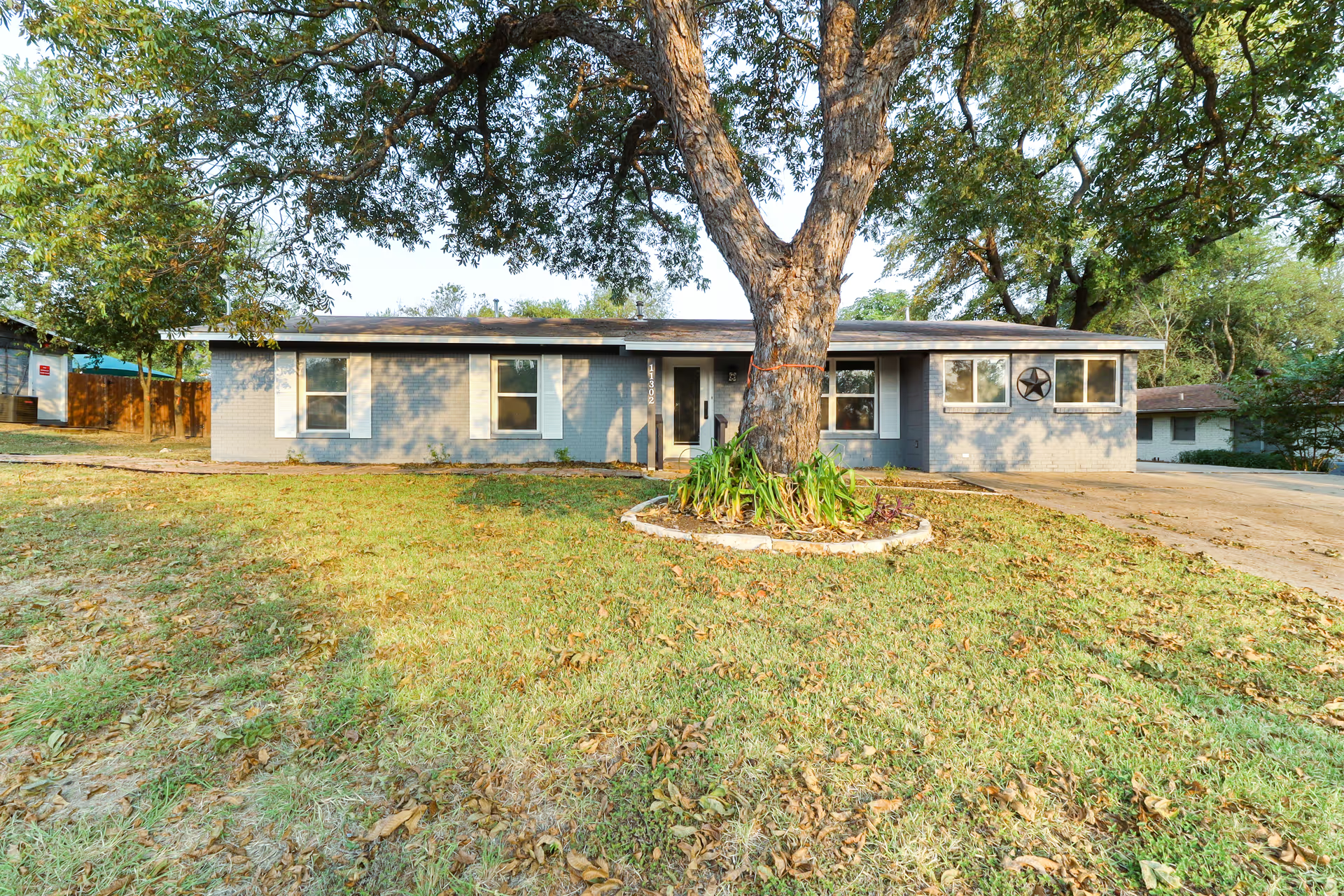
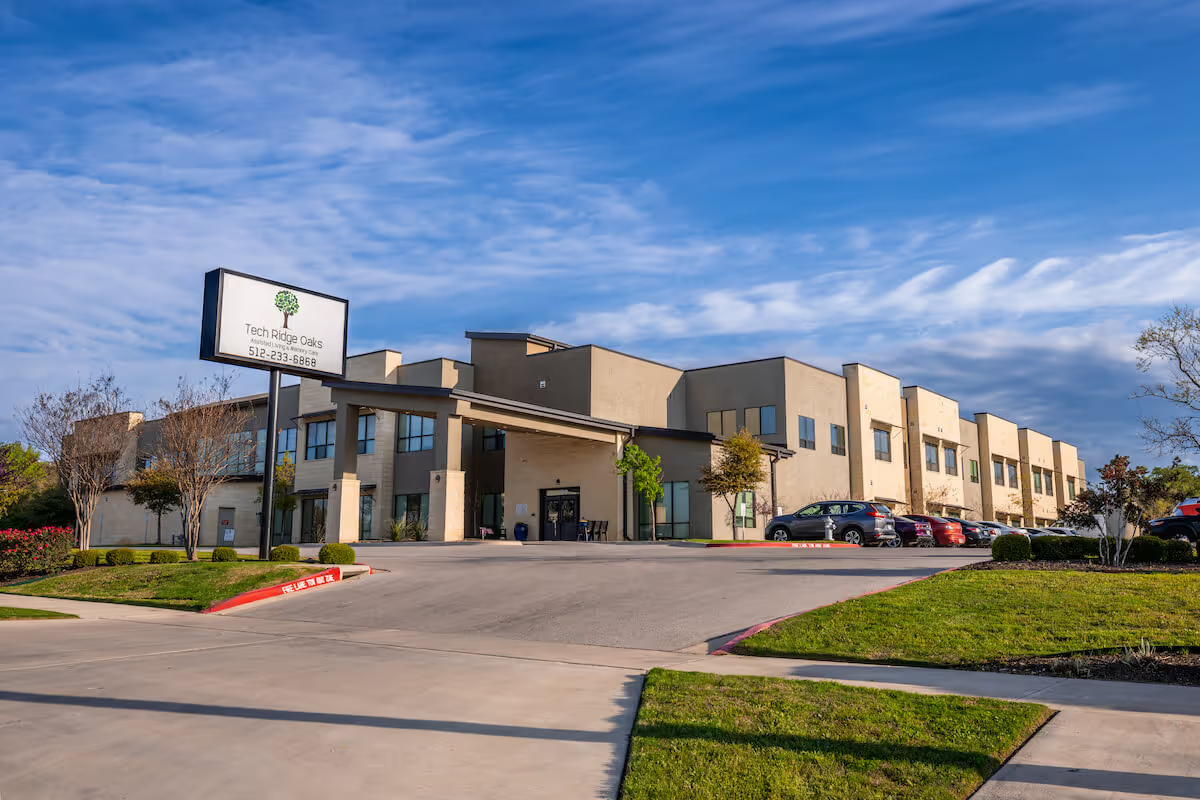
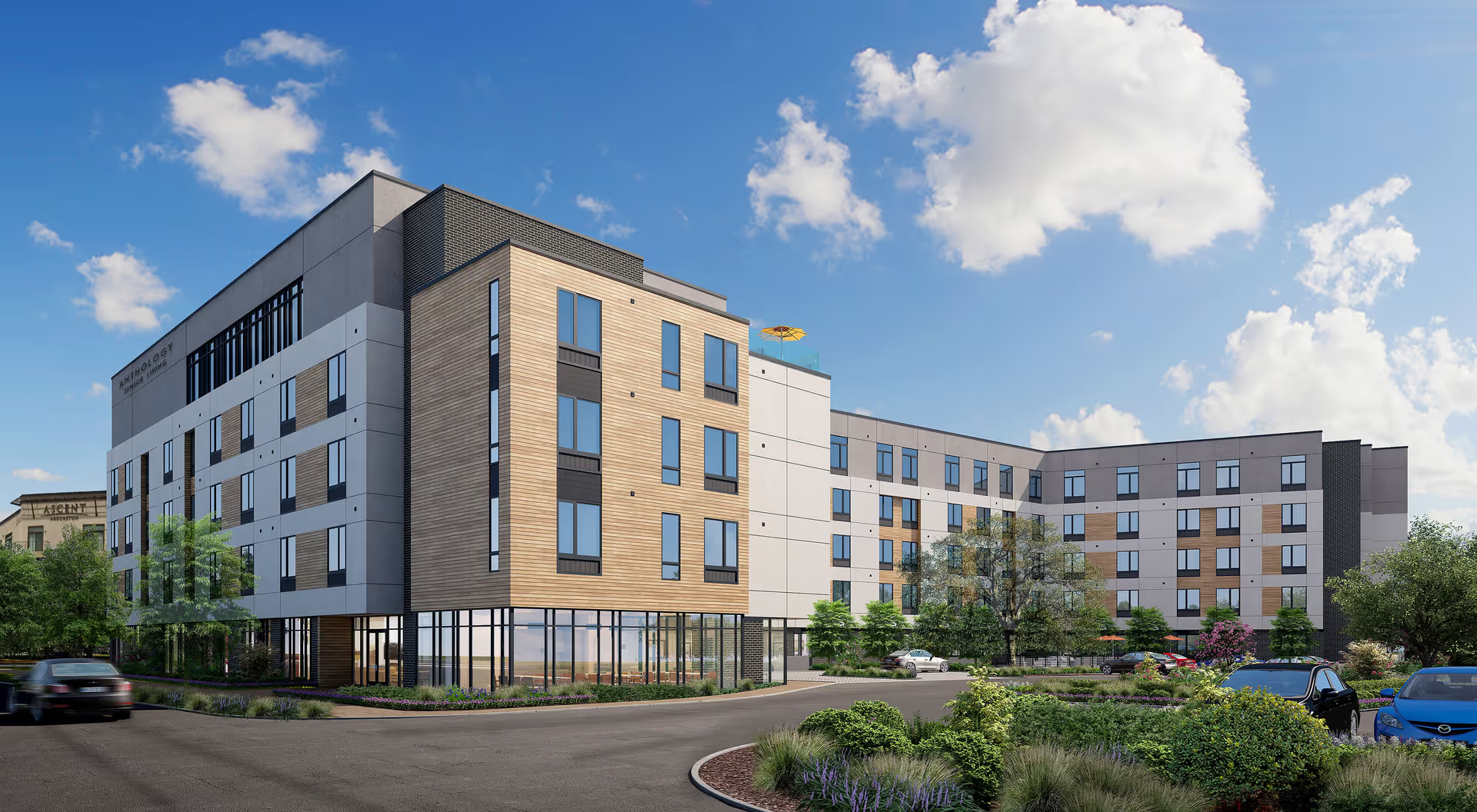
Facilities and environment: Facility descriptions vary from clean, bright, and well-maintained common areas and spacious rooms to sanitation concerns and inconsistent room maintenance. Specific operational gaps included delayed linen changes, clutter or stored belongings in rooms, missing safety equipment (e.g., bed rails), and occasional outdoor-entry maintenance and security issues. These differences indicate uneven housekeeping and environmental maintenance practices across units and shifts.
Management and operations: Several reviews note recent leadership changes and new initiatives (including assistance with Medicare/private rooms and Medicaid planning), with some families crediting new administrators and admissions staff for tangible improvements. However, recurring themes include weak communication from administration, phone and follow-up failures, and disputed billing practices. These operational shortcomings—coupled with variable leadership performance—contribute to the facility's inconsistent reputation.
Notable patterns: The dominant pattern is variability: strong pockets of compassionate, effective care and rehabilitation coexist with operational weaknesses that affect safety, cleanliness, communication, and billing. Staffing consistency and managerial follow-through are common root causes cited for many negative experiences. Prospective families should weigh documented therapy strengths and compassionate staff against the facility-level risks around staffing, communication, and environmental maintenance. Where possible, ask the facility for recent staffing ratios, examples of quality-improvement initiatives under new leadership, written policies on medication administration and therapy scheduling, and documentation of housekeeping and safety audits before making placement decisions.