Overall, reviewers portray Gracy Woods II Nursing Center as a facility with clear strengths in direct caregiving and rehabilitation, paired with operational weaknesses tied to staffing, facilities, and management. The facility receives frequent praise for its clinical therapy teams, with physical and occupational therapy consistently described as effective at preparing residents for discharge or home return. Many families highlight individual nurses, CNAs, and aides as compassionate, attentive, and communicative; the admissions staff is repeatedly described as helpful and proactive. Hospice and skilled-nursing capabilities are present and integrated into the care continuum.
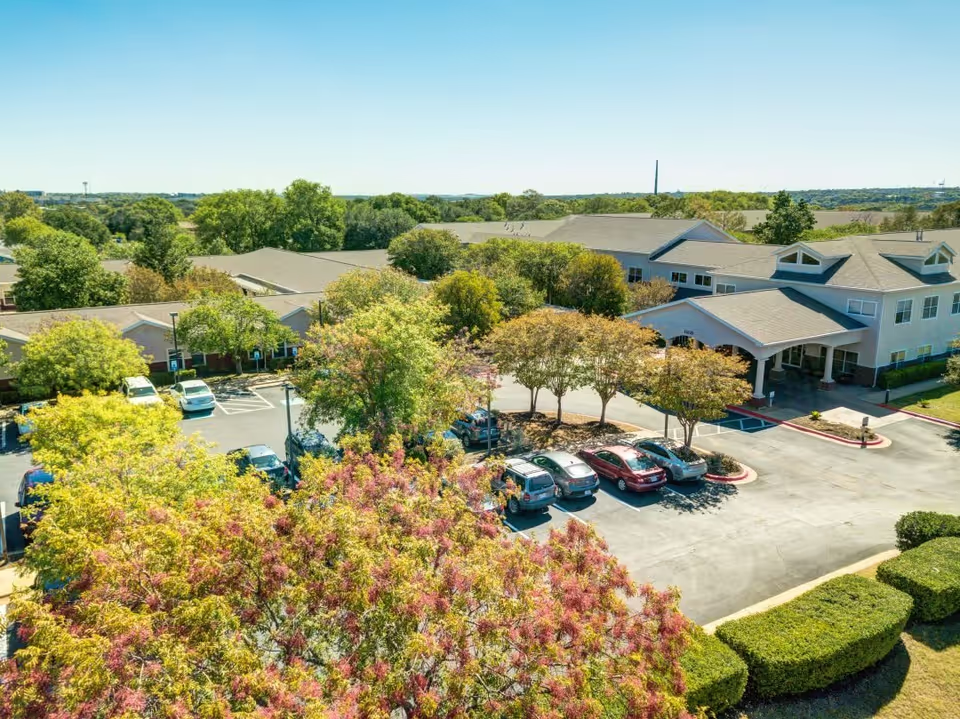
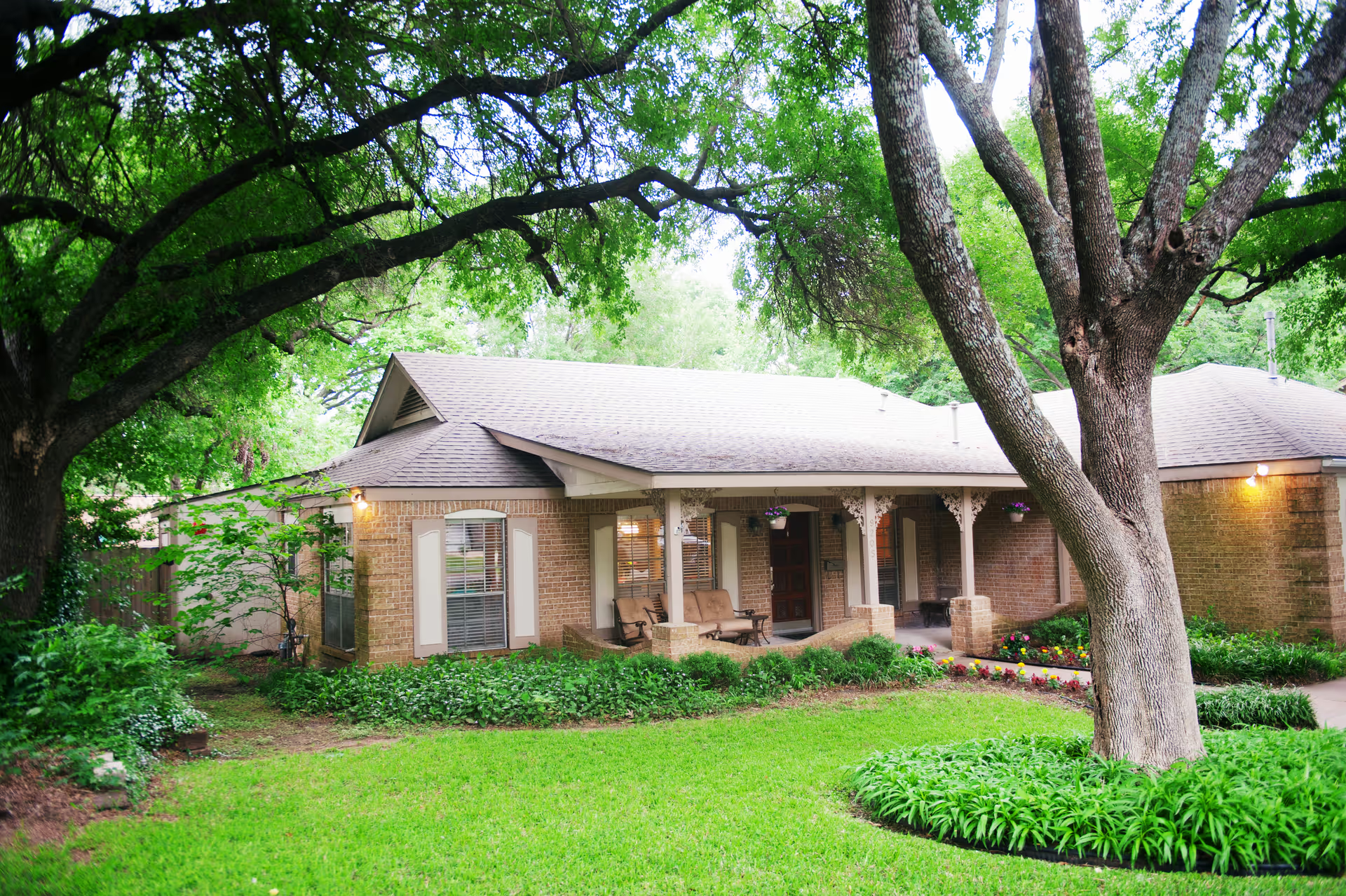
The activities program is another strong element. Multiple accounts emphasize a creative, full schedule of activities run by an engaged Activities Director, meaningful one-on-one engagement opportunities, and organized outings and transportation that contribute to residents' social engagement and family peace of mind. Public areas and resident rooms are often characterized as clean and orderly, and the facility retains a home-like, cozy atmosphere with accessible grounds that families appreciate.
However, recurring operational concerns temper those positives. Staffing levels and turnover are a prominent pattern: reviewers cite stretched staff, aides overwhelmed by workload, and departures tied to compensation and management changes. That understaffing is linked to variable responsiveness to assistance requests and to concerns about consistency of clinical practices, including medication oversight and wound-related care. A small number of accounts raise serious post-incident concerns, including questions about clinical response and outcomes; these accounts warrant consideration and follow-up by prospective families.
The physical plant and supplies also show variability. While there have been some upgrades, the building and furnishings are described as dated in places, with uneven maintenance and equipment issues (for example, bed and rail functionality and rusted fixtures). Dining is described as inconsistent: the activities and social aspects of mealtime can be positive, but food quality and menu variety are perceived as constrained by a limited kitchen budget, and the dining room environment can be noisy and overstimulating for some residents.
Communication and management present a mixed picture. Many families report timely, clear clinical updates and responsive administrative contacts, particularly during admissions and care-coordination meetings. At the same time, several reviewers describe management instability following ownership changes, cost-containment measures affecting supply quality, and leadership behaviors that have impacted staff morale. Additional operational concerns cited include language barriers affecting communication with some staff, sanitation and odor issues in specific areas or linens, and lapses in property-accountability that have led to missing personal items.
In sum, Gracy Woods II appears to offer strong rehabilitation services, compassionate direct caregivers, and an active lifestyle program, making it a viable option for families prioritizing therapy and social engagement. Prospective residents and their families should, however, assess current staffing levels, maintenance and equipment status, dining arrangements, and management stability during a tour and in conversations with leadership to ensure the facility’s operational practices match their expectations and care needs.