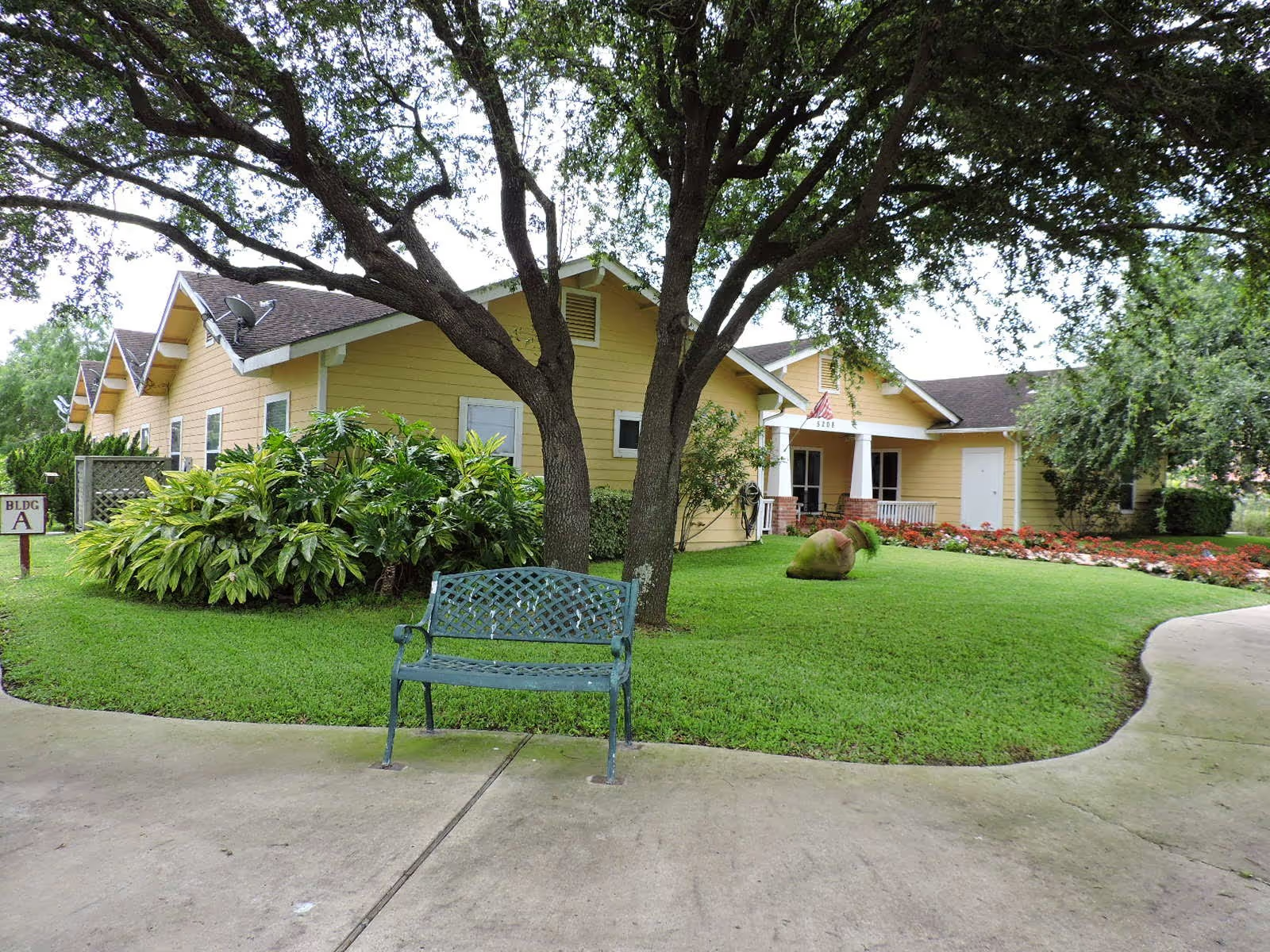
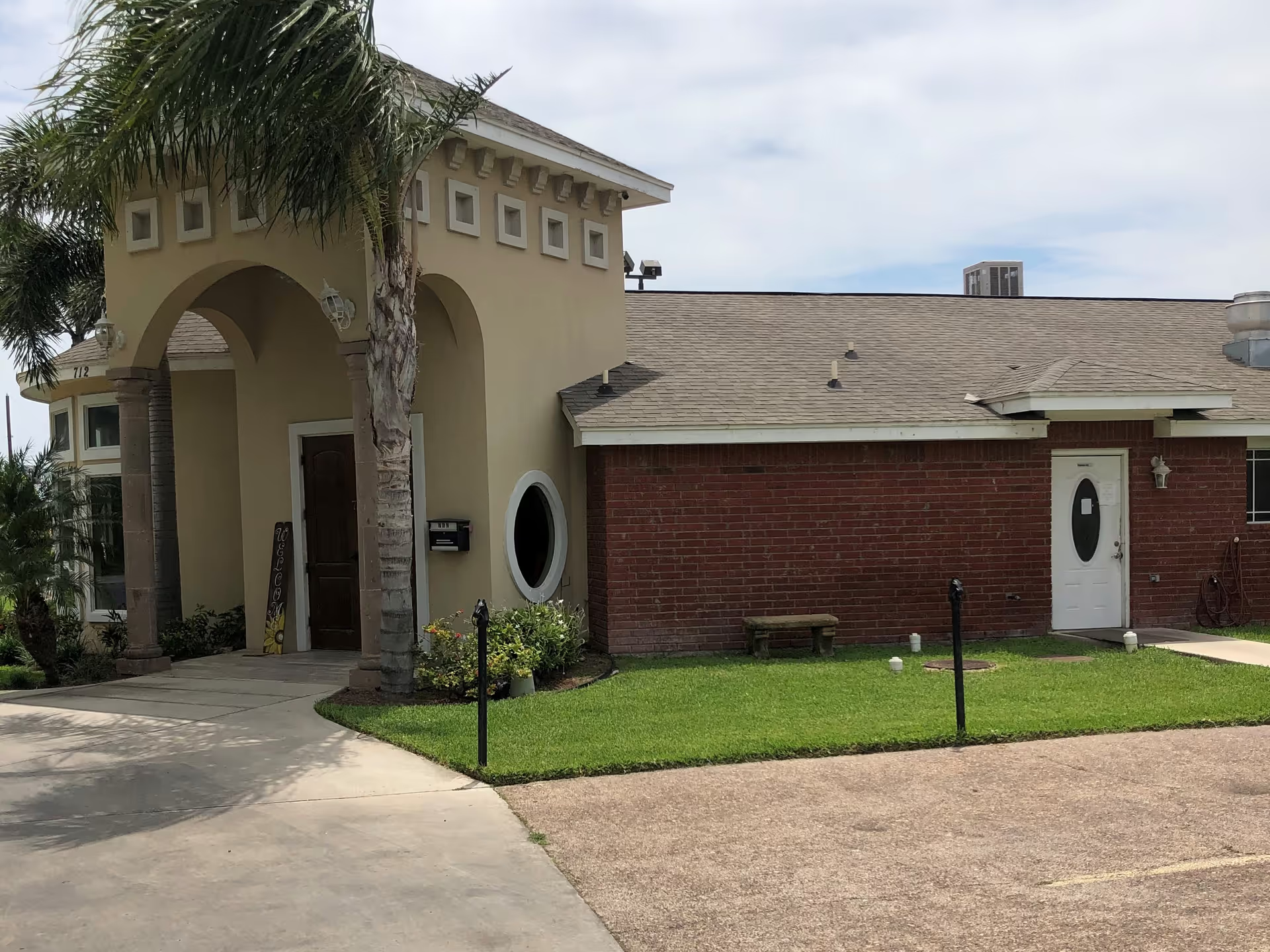
The reviews present a polarized but actionable view of Brownsville Nursing and Rehabilitation Center. Many families and residents praise frontline caregiving: CNAs and nurses receive frequent positive mention for compassionate, attentive bedside care, and specific clinical areas—wound care and therapy (PT/OT)—are commonly cited as strengths. The facility’s physical environment is regularly described as clean, well-maintained, and welcoming, with an active therapy gym and an engaged activities program that residents find meaningful. Social work, case management, admissions, and some administrators are noted as helpful and effective in coordinating discharges and addressing family questions.
At the same time, a consistent set of operational concerns emerges. Staffing levels and consistency are the most common themes: reviewers describe thin staffing at night or on weekends, delayed responses to call bells, and slow attention to pain and other time-sensitive needs. Several comments point to gaps in medication administration, incomplete clinical follow-up, and limited physician availability or after-hours coverage. These clinical-oversight issues are frequently linked in reviews to delays in therapy, slow diagnostics, and transfers to higher-acuity care.
Dining, activities, and daily living are mixed. The activities program, recreation staff, and some dietary staff receive praise for engaging programming and accommodating meal plans; however, other accounts indicate inconsistent meal temperature, repetitive menus, and occasional meal-service lapses. Housekeeping and sanitation are generally described as strong in many areas, but there are isolated sanitation and odor concerns and variable daily room maintenance reported across units. Noise and sleep disruption at night — including staff conversations in halls and roommates/room assignments — were noted as affecting resident rest in some cases.
Communication and management patterns are an important distinguishing factor in reviews. Several families describe clear, transparent communication from social work and certain administrators, which provided reassurance and smooth transitions. Conversely, other families report lapses in family notification, unclear documentation, inconsistent responses from administration, and concerns about property handling and transportation logistics (for example, missed or delayed return rides from dialysis). There are also a small number of serious allegations about staff conduct and one reference to an administrative directive inconsistent with regulatory reporting; these are isolated in the dataset but significant and warrant direct inquiry by prospective families.
Taken together, the pattern suggests that Brownsville Nursing and Rehabilitation Center offers strong rehabilitative services, wound care, and an overall clean, activity-rich environment when staffing and managerial coordination are functioning as intended. The principal risks to plan for are inconsistent staffing coverage, variable clinical oversight and medication processes, and occasional communication and property/transportation coordination failures. Prospective residents and families should ask targeted questions during a tour or intake: current staffing ratios by shift, physician coverage and on-call processes, medication-administration checks, call-button functionality, property-loss tracking, meal-service schedules, and examples of recent quality-improvement initiatives. Those who prioritize robust therapy, wound care, and an engaged activity schedule may find the facility’s strengths align well with their needs, while those for whom continuous clinical oversight and night/weekend staffing are critical should verify current operational metrics before placement.