Overall impression Ebony Lake Nursing and Rehabilitation Center elicits strongly polarized impressions. A substantial volume of family comments praise the facility for compassionate, hands-on care, especially specific nurses and care aides who are described as patient advocates. The center is frequently credited with successful short-term rehabilitation transitions, effective therapy programs, and attentive wound and palliative care that produced measurable clinical improvements for some residents. At the same time, a number of families raised serious operational concerns about cleanliness, responsiveness, and clinical controls that merit attention during any placement decision.
Care and staff Care quality is frequently described as a core strength. Reviewers consistently praise nurses, CNAs, therapists, and dietary staff for being attentive, compassionate, and willing to go beyond baseline duties (for example, facilitating hospital transfers, helping families, and providing individualized treatment). Physical and occupational therapy, as well as wound-care and palliative services, are repeatedly highlighted as effective in improving mobility and symptoms. Multiple families singled out individual staff members and administrative coordinators for facilitating admissions and providing emotional support, which suggests strong person-level commitment. However, reviewers also describe variability by shift and by individual staff member: while many experiences were positive, others reported delayed responses and concerns about staff conduct. This indicates a pattern of uneven performance rather than uniformly consistent care.
Dining, activities, and therapy Dining and dietary management receive many favorable mentions: several reviewers described the food as enjoyable and praised the Dietary Manager for dedication. That said, there are also accounts of inconsistent portioning and mealtime monitoring that left some families concerned about resident intake. Activity programming is an identified strength; organized events such as Bingo and staff-hosted social activities are noted as promoting engagement and resident enjoyment. Therapy services (PT/OT) are described as proactive and important contributors to short-term recovery and overall mobility maintenance.
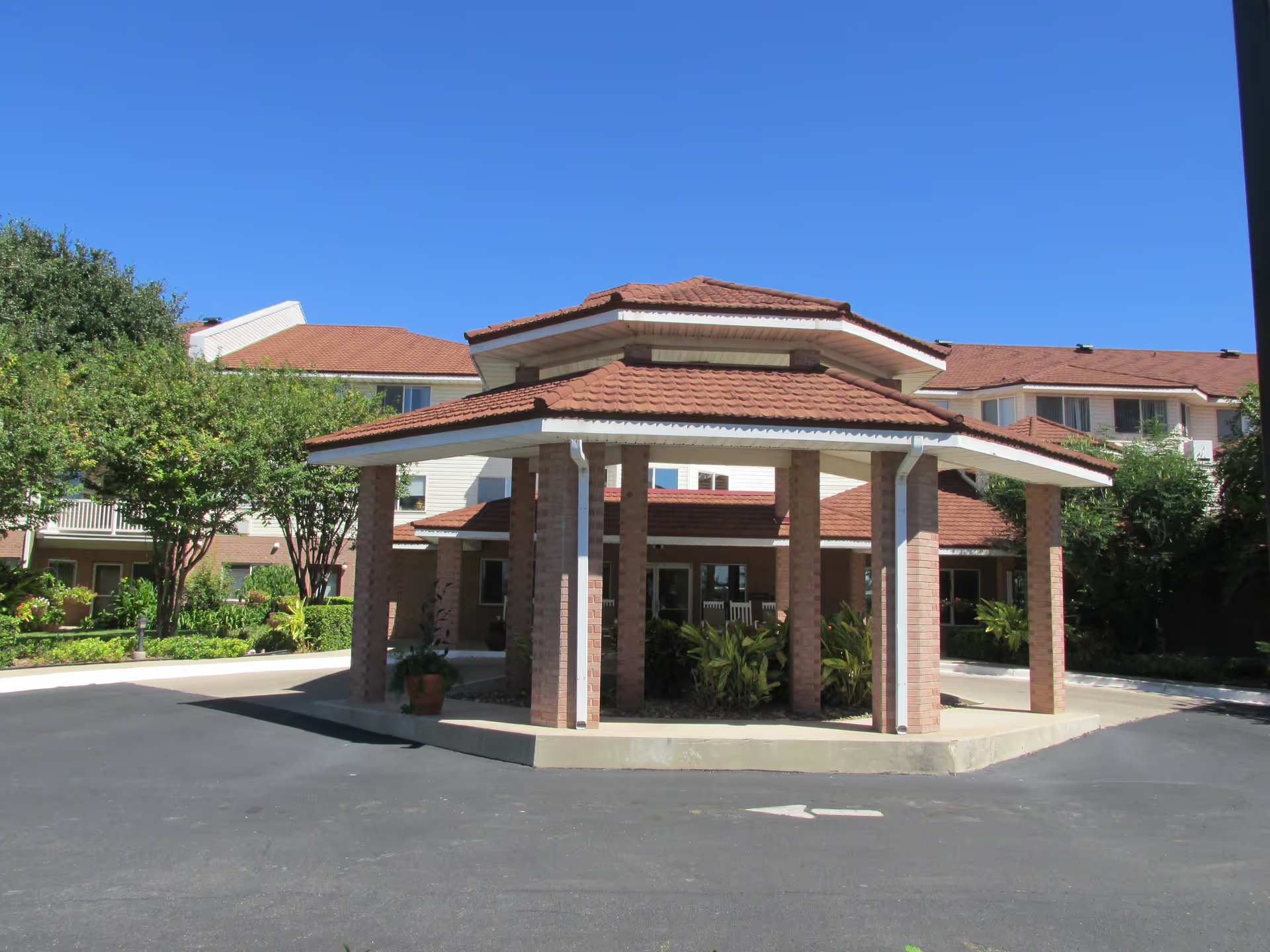
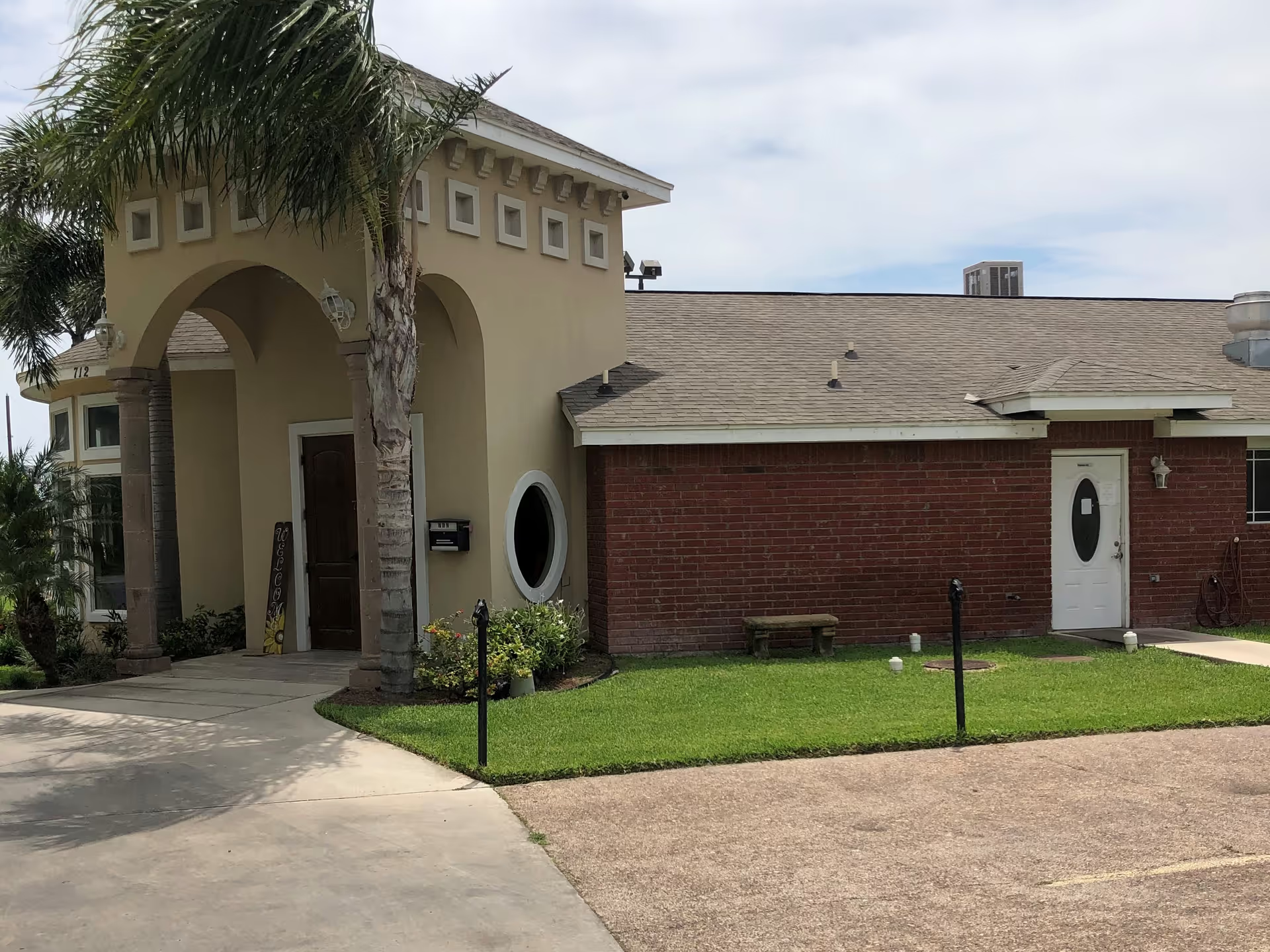
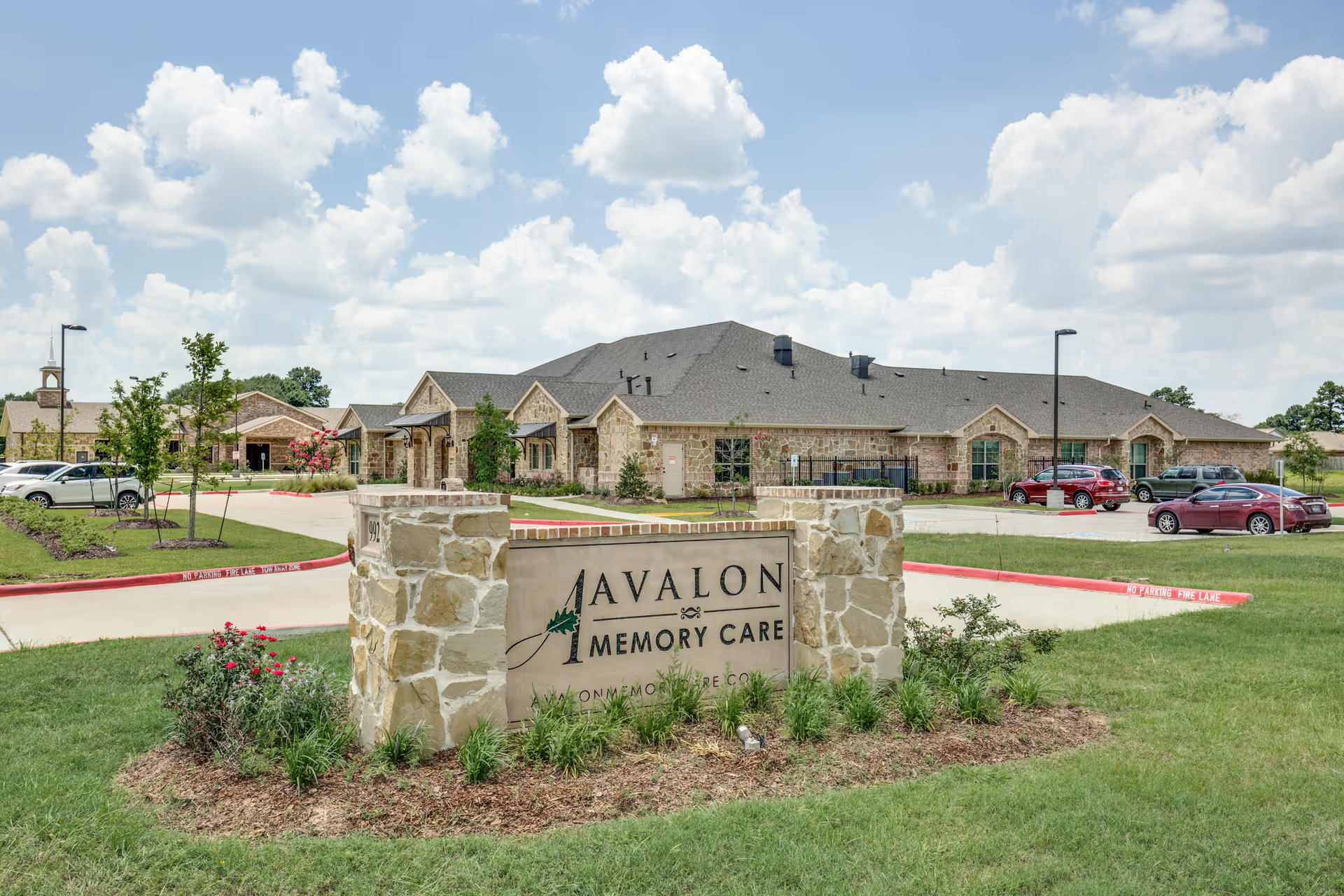
Facilities and operations The facility is often described as inviting and well-kept, with a pleasant campus setting and convenient parking. Conversely, multiple accounts indicate sanitation and odor-control issues in particular areas, inconsistent housekeeping and laundry practices, and occasional concerns about property accountability (for example, items going missing). Safety-related operational weaknesses surfaced as a theme: some families reported inconsistencies in safety equipment like bed rails, and there are reports suggestive of delayed emergency-call responses. Communication gaps—both due to language barriers with some staff and variable professionalism—also appear to affect family confidence. Together these operational items point to areas where management oversight and quality-control processes could be strengthened.
Management and notable patterns Administrative responsiveness is a recurrent positive—admissions staff and coordinators are frequently praised for expediting paperwork and supporting hospital-to-facility transfers. Despite that, the presence of both highly positive and strongly negative accounts suggests variability in management enforcement of standards across shifts and units. Key operational risk areas that emerge from the reviews are call-button responsiveness, medication administration controls, housekeeping/laundry reliability, and safety-equipment consistency. Several families named specific employees as exemplary, which indicates that individual staff members significantly influence the resident and family experience.
What prospective families should consider Prospective residents and families should weigh the facility’s strengths in rehabilitation, therapy, and individualized nursing attention against the reported variability in staffing, cleanliness, and operational controls. During a tour or intake conversation, consider asking about current staffing ratios by shift, call-button response times, medication-safety protocols, sanitation audits, laundry procedures, and language support. Also ask management how they monitor and correct variability in care across shifts. These targeted questions can help determine whether the aspects that matter most to your loved one are reliably in place at the time of placement.