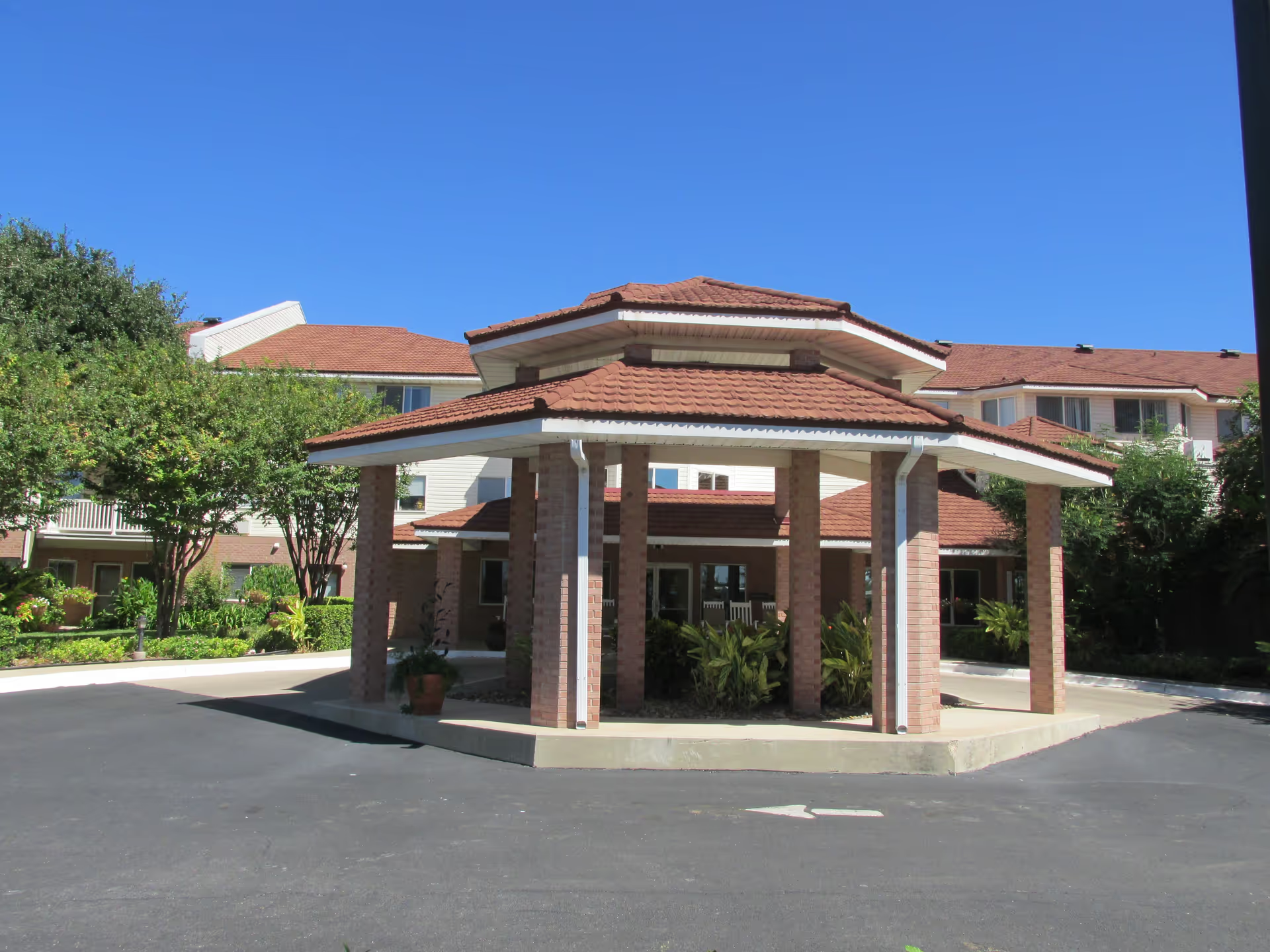
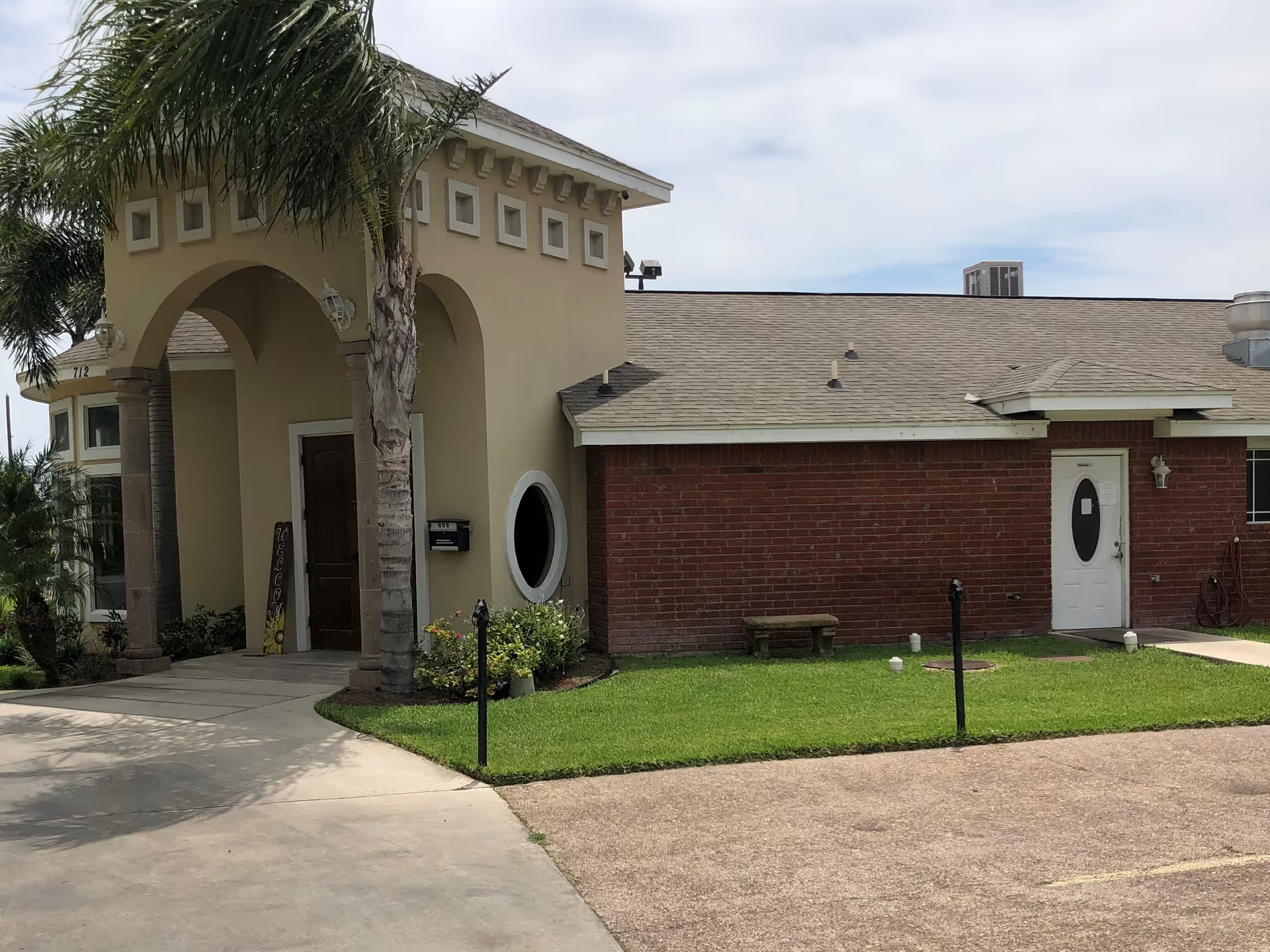
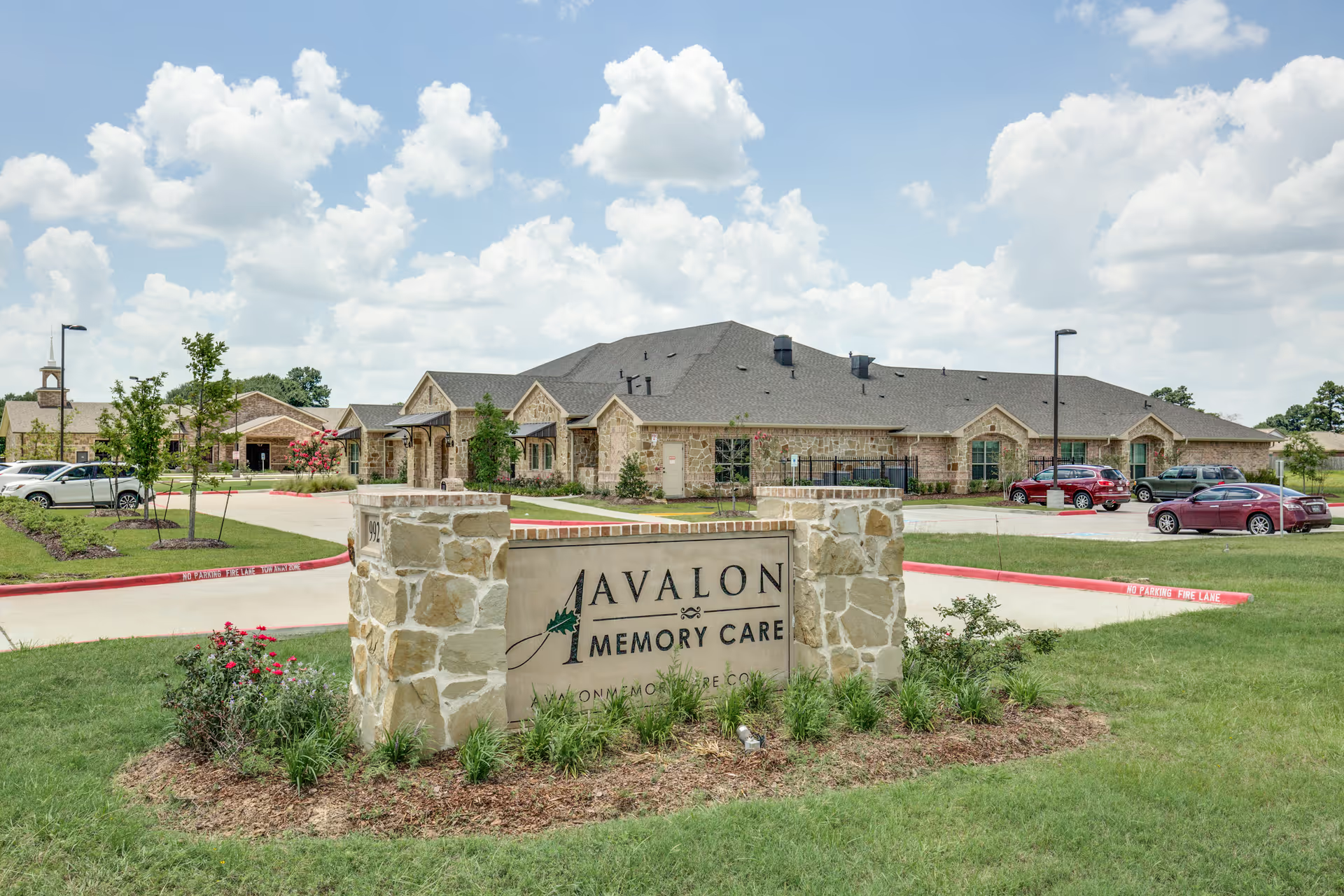
Overall impression: Fox Hollow Post Acute elicits a broadly positive impression for families seeking post-acute rehabilitation and short-term skilled nursing. Many accounts emphasize strong clinical leadership, compassionate bedside staff, and an effective therapy program that supports measurable functional gains and safe discharges home. The building and public spaces are frequently described as clean, newly updated, and tastefully appointed, and the facility offers a full schedule of activities, daily meals, and family-oriented communication practices.
Care quality and staff: The facility's strengths center on nursing leadership and frontline caregivers. Numerous reviewers praise CNAs, RNs, and therapists for being attentive, respectful, and personally engaged with residents. Therapy services (physical, occupational, and speech) are repeatedly described as motivated, flexible, and influential in recovery. At the same time, a persistent theme is variability: staffing shortages and uneven staff training contribute to slower response times, occasional missed personal-care tasks, and inconsistent adherence to scheduled clinical treatments. There are also several accounts of delayed recognition or escalation of acute clinical changes; at least one review detailed a serious event involving late lab-result review and hospital transfer, indicating potential gaps in escalation protocols that prospective families should inquire about.
Dining, activities, and amenities: Dining receives generally favorable comments — meals are characterized as hot, varied, and nutritious. Activity programming is a clear positive, with seven-day schedules, social and cognitive activities, and opportunities for family involvement. Common areas, quiet meditation spaces, and facility cleanliness are commonly mentioned as strengths, and many reviewers describe a welcoming, home-like atmosphere.
Management, communication, and operations: Management and certain administrative leaders receive praise for visible involvement and improvement efforts, and multiple family members highlight strong family communication and personal attention from specific administrators. Conversely, administrative operations show inconsistency: front-desk responsiveness, follow-up on family inquiries, transport coordination, and paperwork/scheduling processes are recurring operational pain points. These issues compound when staffing is thin, producing uneven experiences between residents. Reviewers also cite instances of lapses in medication and wound-care scheduling, which point to process weaknesses rather than uniformly poor clinical intent.
Notable patterns and guidance: The dominant pattern is one of solid clinical capabilities and supportive staff, tempered by operational variability tied to staffing, training, and administrative systems. Prospective residents and families should consider verifying current staffing levels and ratios, asking about escalation protocols for acute changes, reviewing medication- and wound-care scheduling procedures, and clarifying how the facility manages paperwork, transportation, and front-desk communication. Also ask about infection-control practices and how the facility communicates about sanitation or potential contagion concerns. Overall, Fox Hollow appears well suited for rehabilitation and short-term post-acute care when staffing and administrative processes are functioning; however, experiences may vary, and due diligence on operational controls is recommended prior to placement.