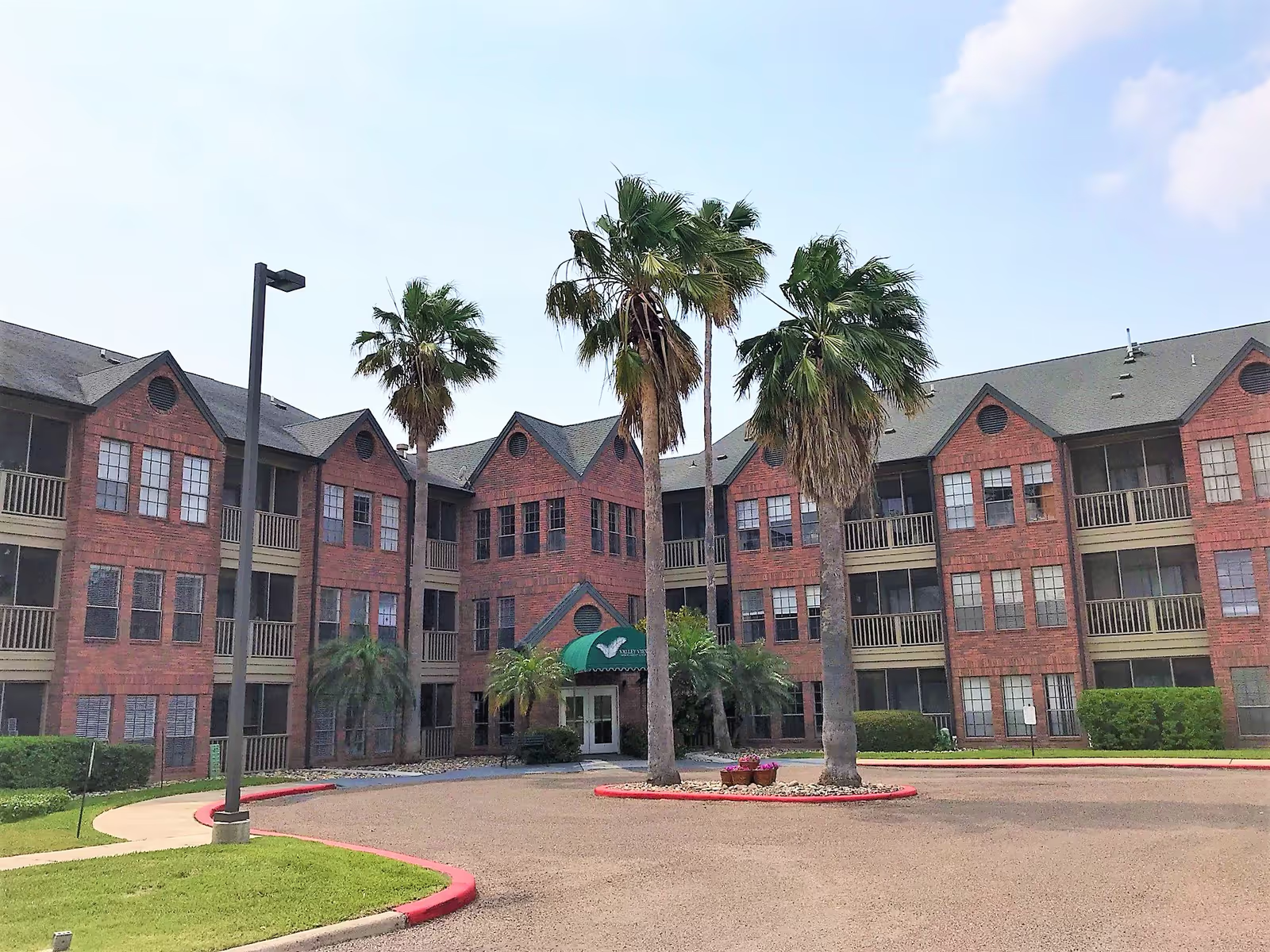
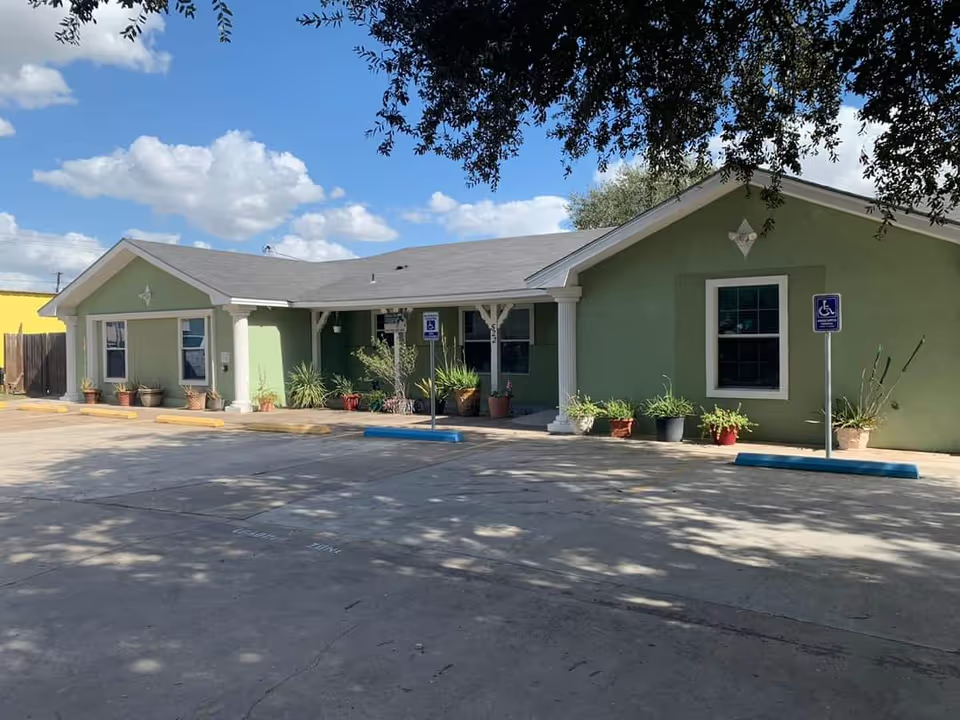
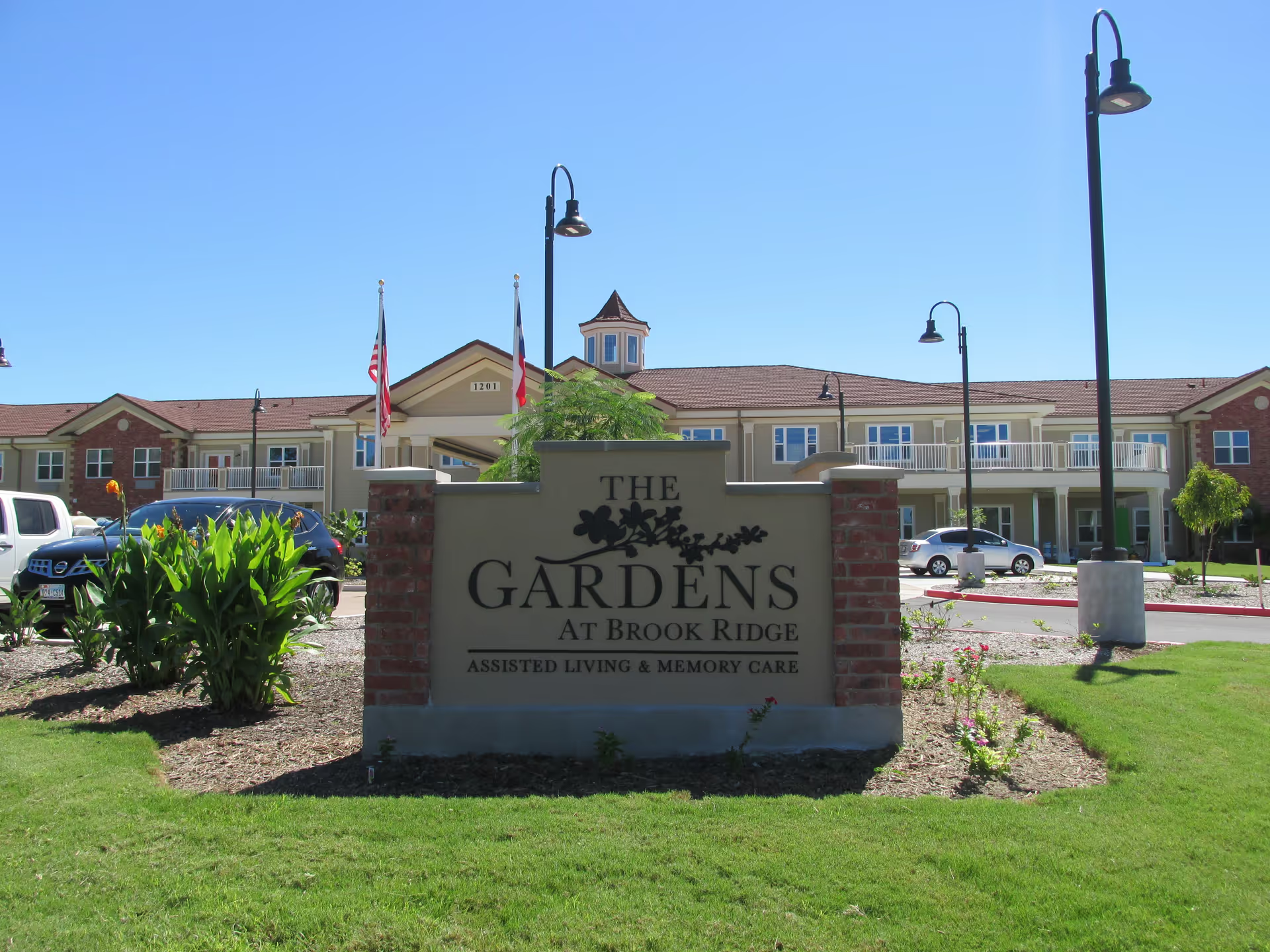
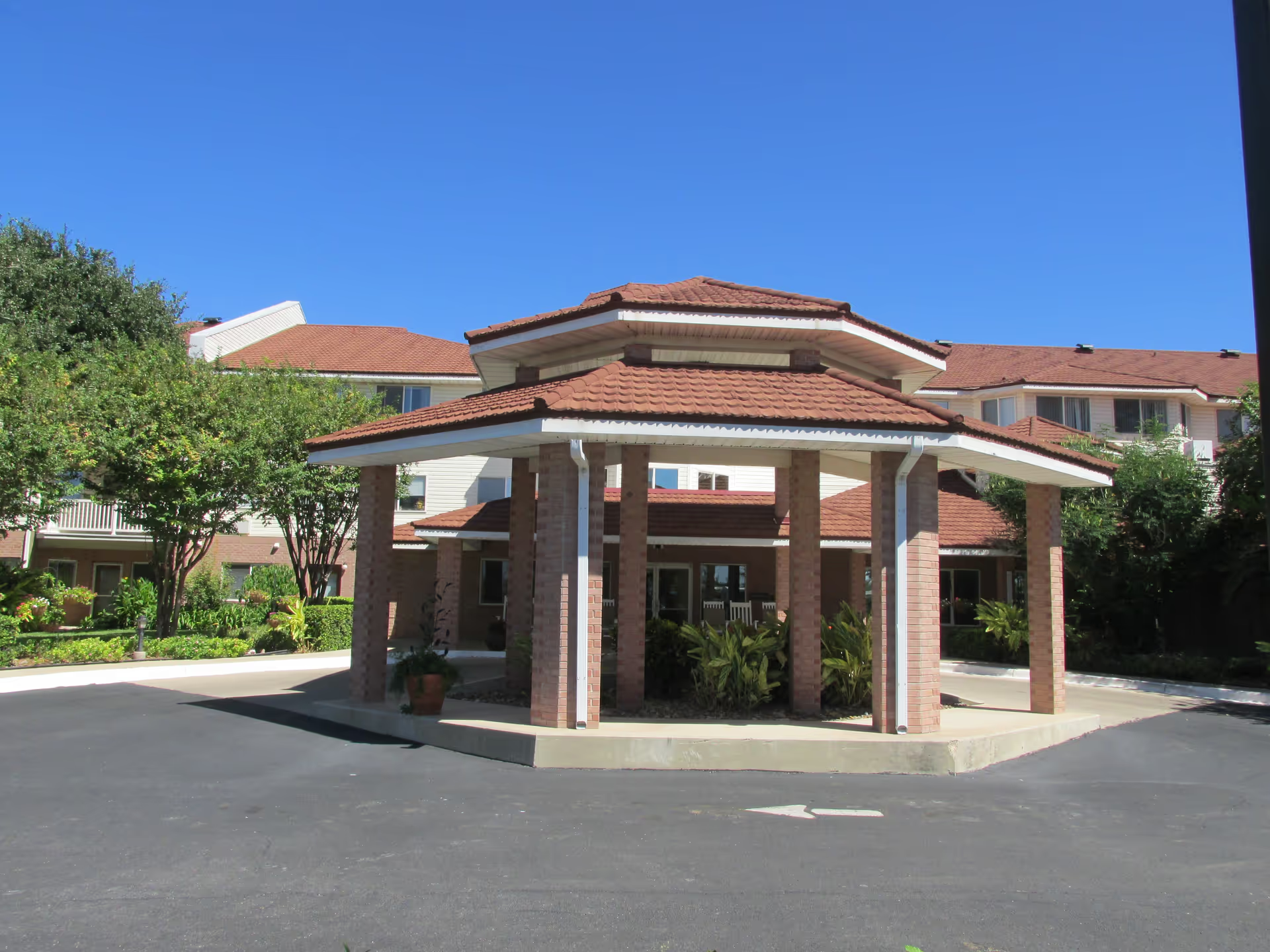
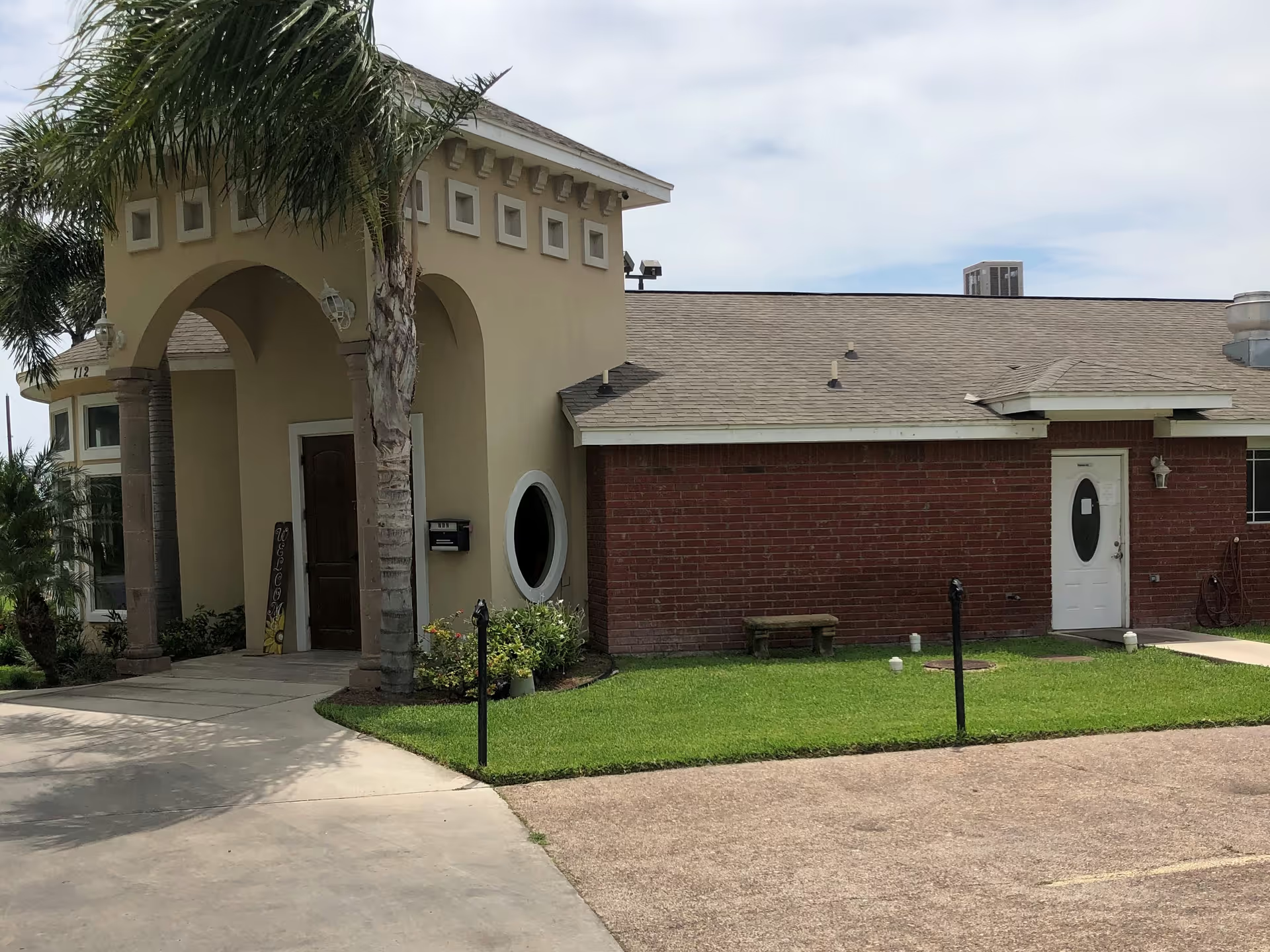
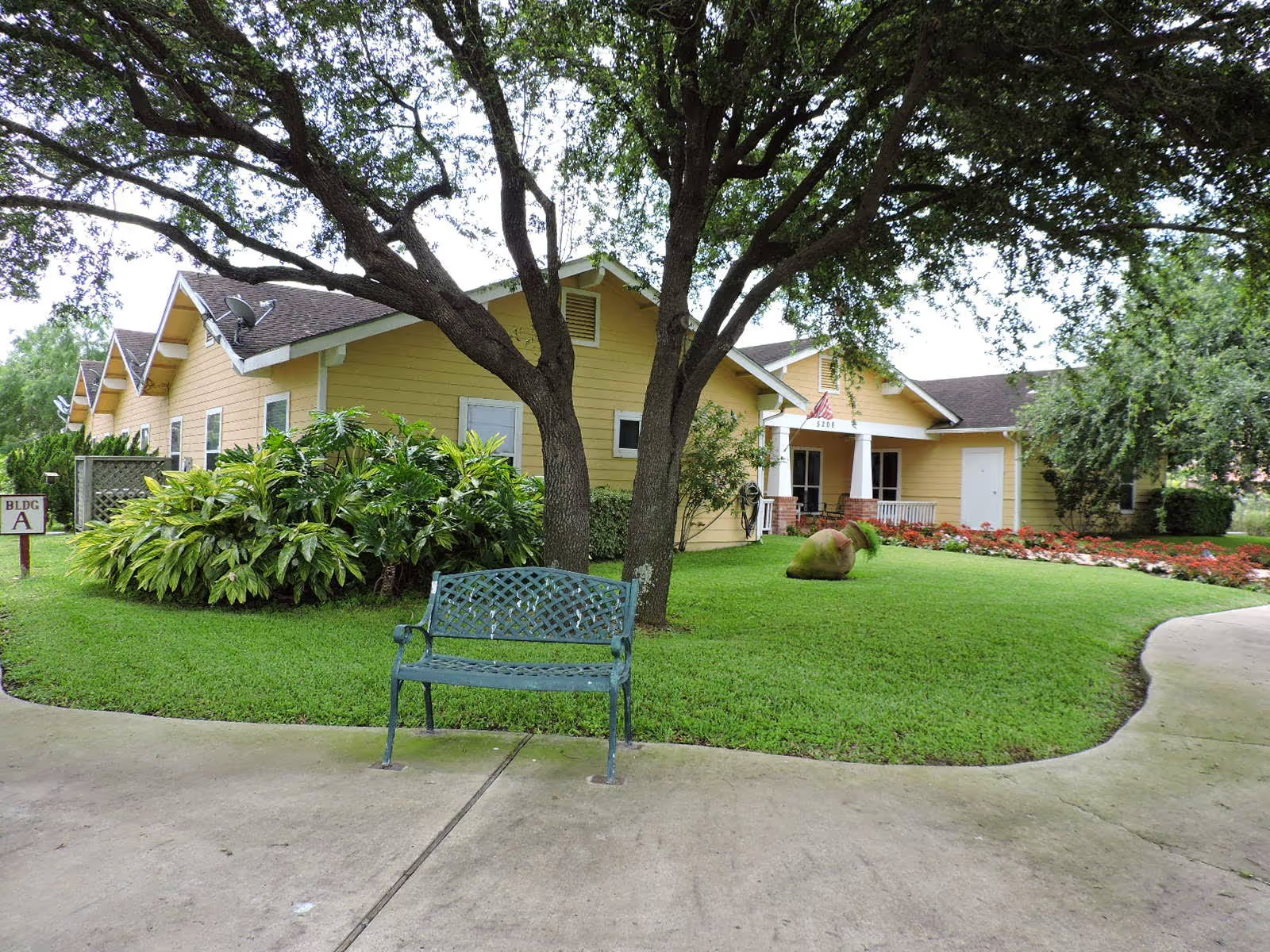
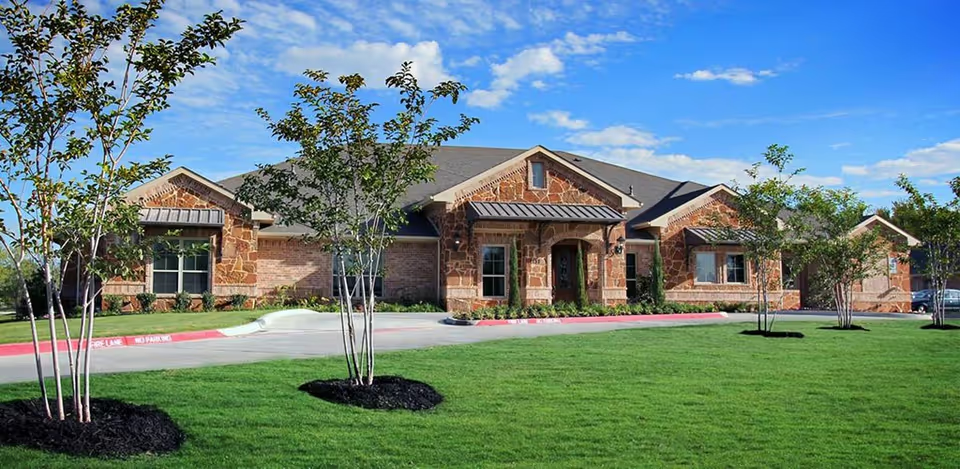
Overall impression: Reviews describe a facility with clear strengths in interpersonal care, infection control, and physical accommodations, alongside operational weaknesses in communication, coordination, and some aspects of resident safety. Many families and visitors highlight courteous front-desk and event staff, compassionate nursing and rehabilitation teams, and clean, well-maintained rooms — including spacious two-room suites and recently updated bathrooms. Infection-control procedures (screening, mask and vaccine verification) were noted as thorough. Dining and housekeeping receive generally positive remarks, with several comments about attentive dining service and appealing meals.
Care quality and staff: Clinical staff are frequently described as caring, competent, and respectful; rehabilitation therapists and nurses are singled out as supportive and professional. At the same time, reviewers describe variability in staff engagement and adherence to procedures. Several accounts point to difficulty reaching charge nurses and to infrequent clinical updates to families. This pattern suggests reliable bedside care in many instances but inconsistent follow-through on family communication and some clinical coordination tasks.
Dining and activities: The dining service is generally praised for meal quality and attentive service, although one comment mentioned dining-room crowding. Activity programming is present and organized (monthly activity listings and social opportunities were noted), and reviewers described benefits such as reconnecting with friends and forming new social ties. Prospective families may wish to ask about capacity in dining areas and how activities are scheduled for residents with different mobility or cognitive needs.
Facilities and housekeeping: Physical environments are repeatedly described as clean and updated, with polished furniture and effective housekeeping routines. Some reviewers, however, noted parts of the building that would benefit from renovation and raised concerns about hallway noise that can disturb resident rest. Room transfers were sometimes handled without adequate notice, which points to inconsistent administrative coordination even when the physical spaces are maintained.
Management and operations: Recurring operational concerns center on communication and coordination. Examples include unexpected room reassignments, missing or delayed laundry and personal items, unclear communication about clinical diagnoses, and difficulty contacting clinical leads. There are also reports of delayed responses to room alarms and to incontinence-care needs; combined with mentions of prior falls, these point to opportunities for stronger protocols around timely alarm response, incontinence-care timeliness, and fall-prevention with clear post-event family communication.
Notable patterns and recommendations: The facility demonstrates clear strengths in staff kindness, rehabilitation support, infection-control practices, and cleanliness. Counterbalancing those strengths are facility-level process gaps in alarm responsiveness, laundry tracking, transfer notification, and family communication. Families touring the facility should consider asking for specifics about alarm-response protocols, fall-prevention measures, laundry and personal-item tracking procedures, how room transfers are managed and communicated, and who will serve as the primary clinical point of contact. Verifying these operational details in writing may help set expectations and identify whether the facility’s strengths align with a prospective resident’s care priorities.