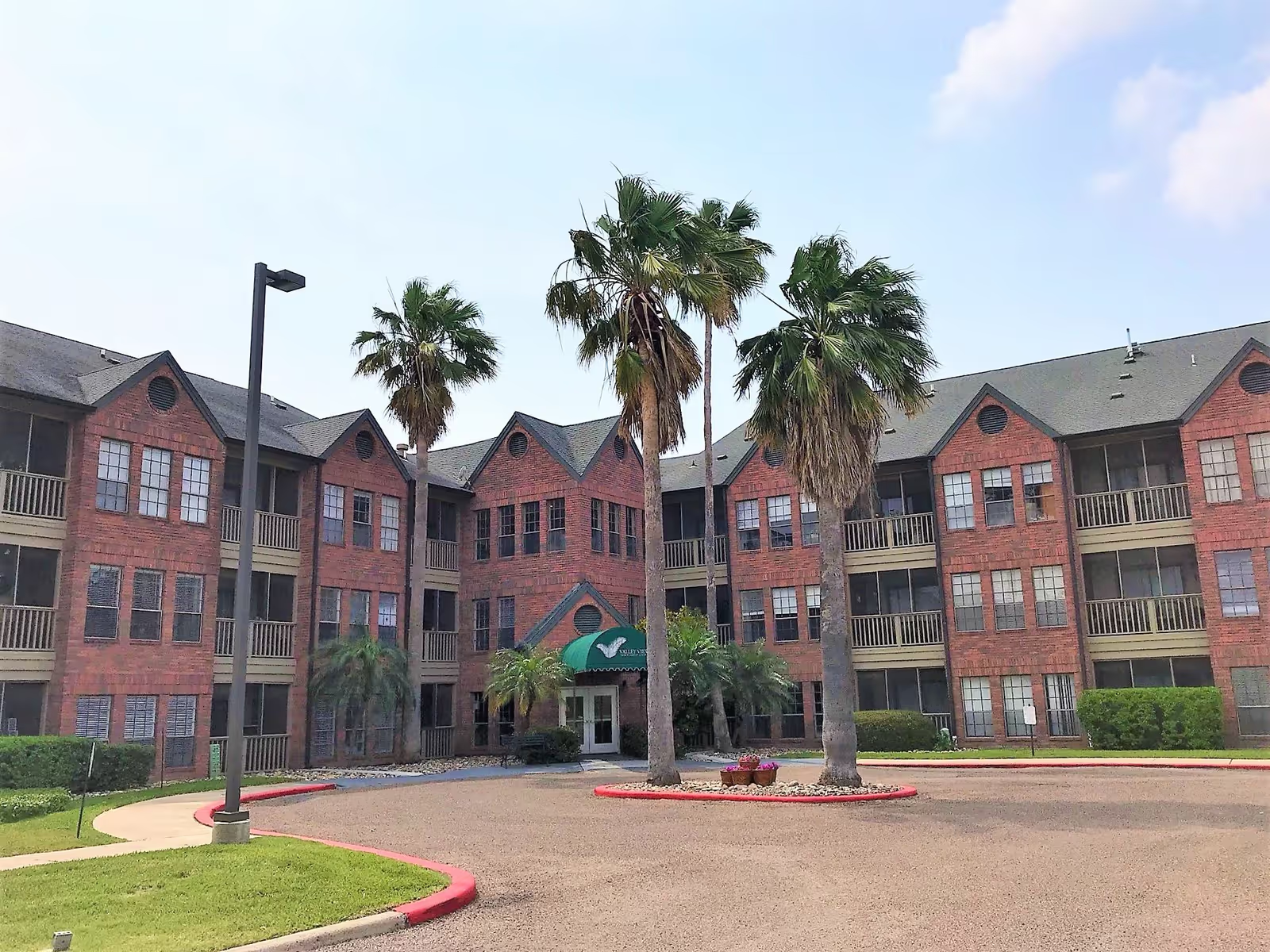
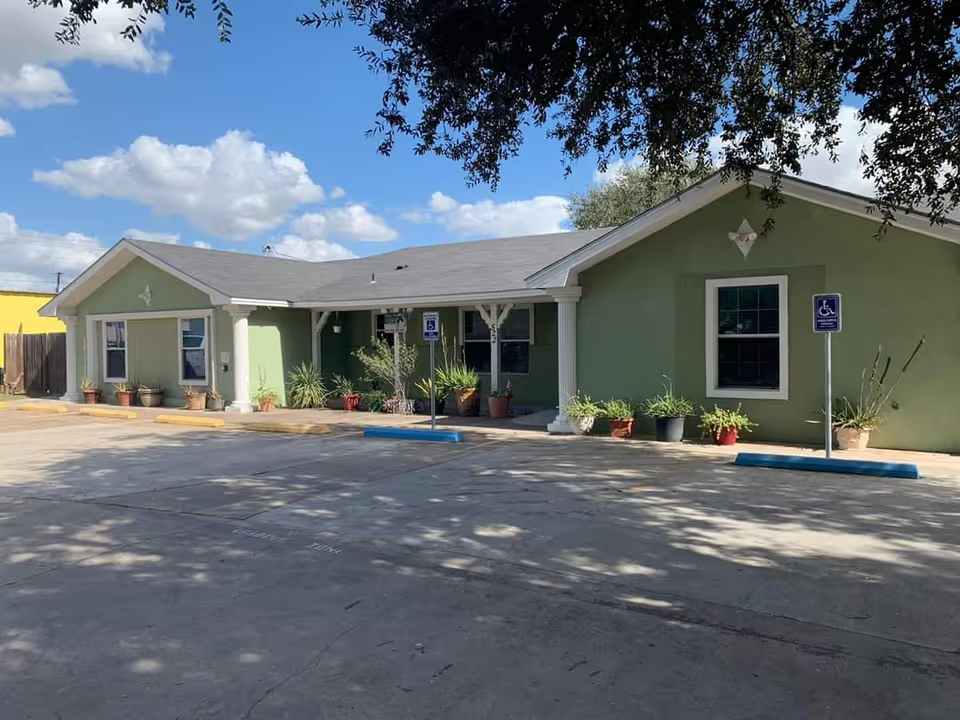
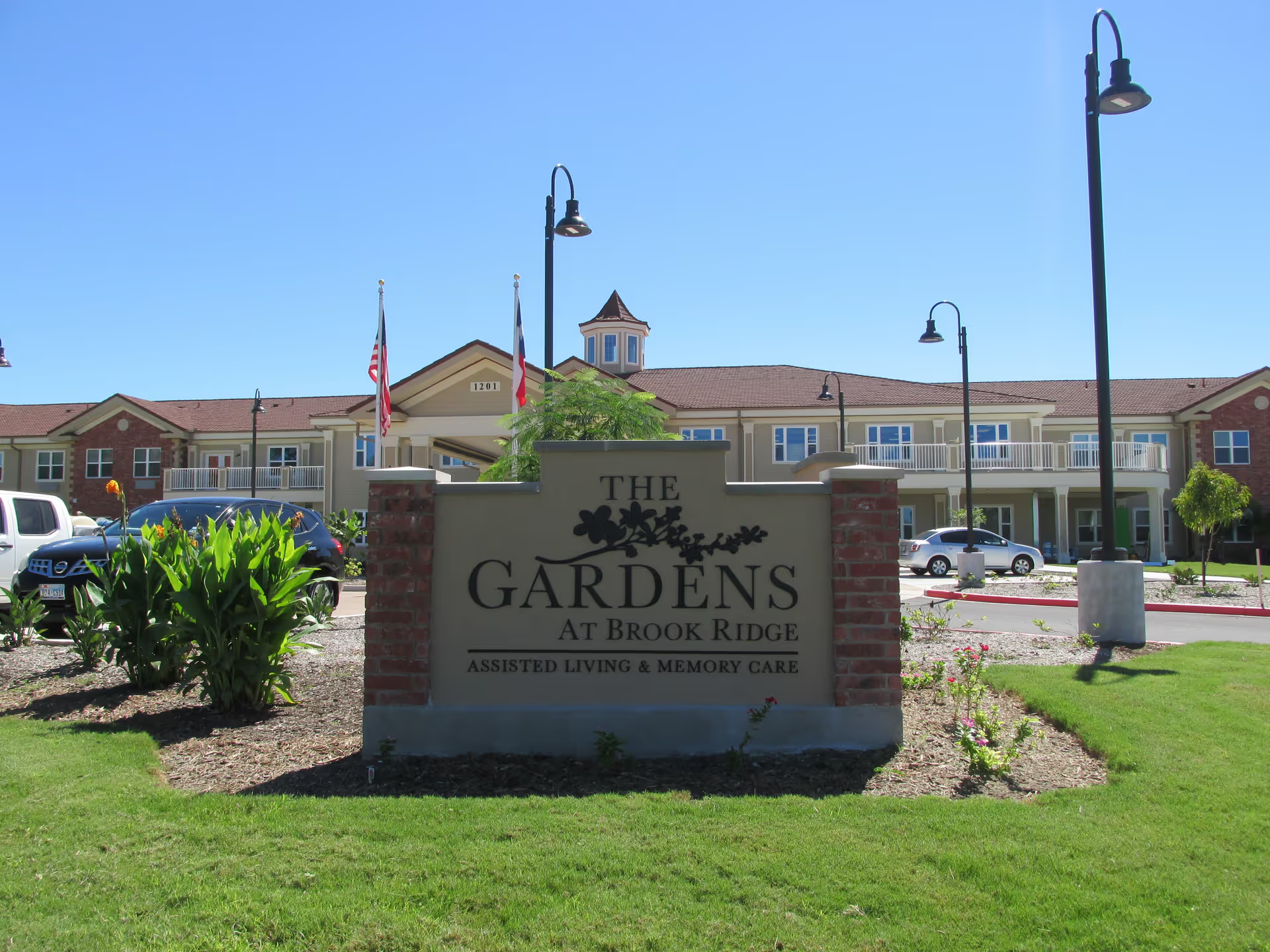
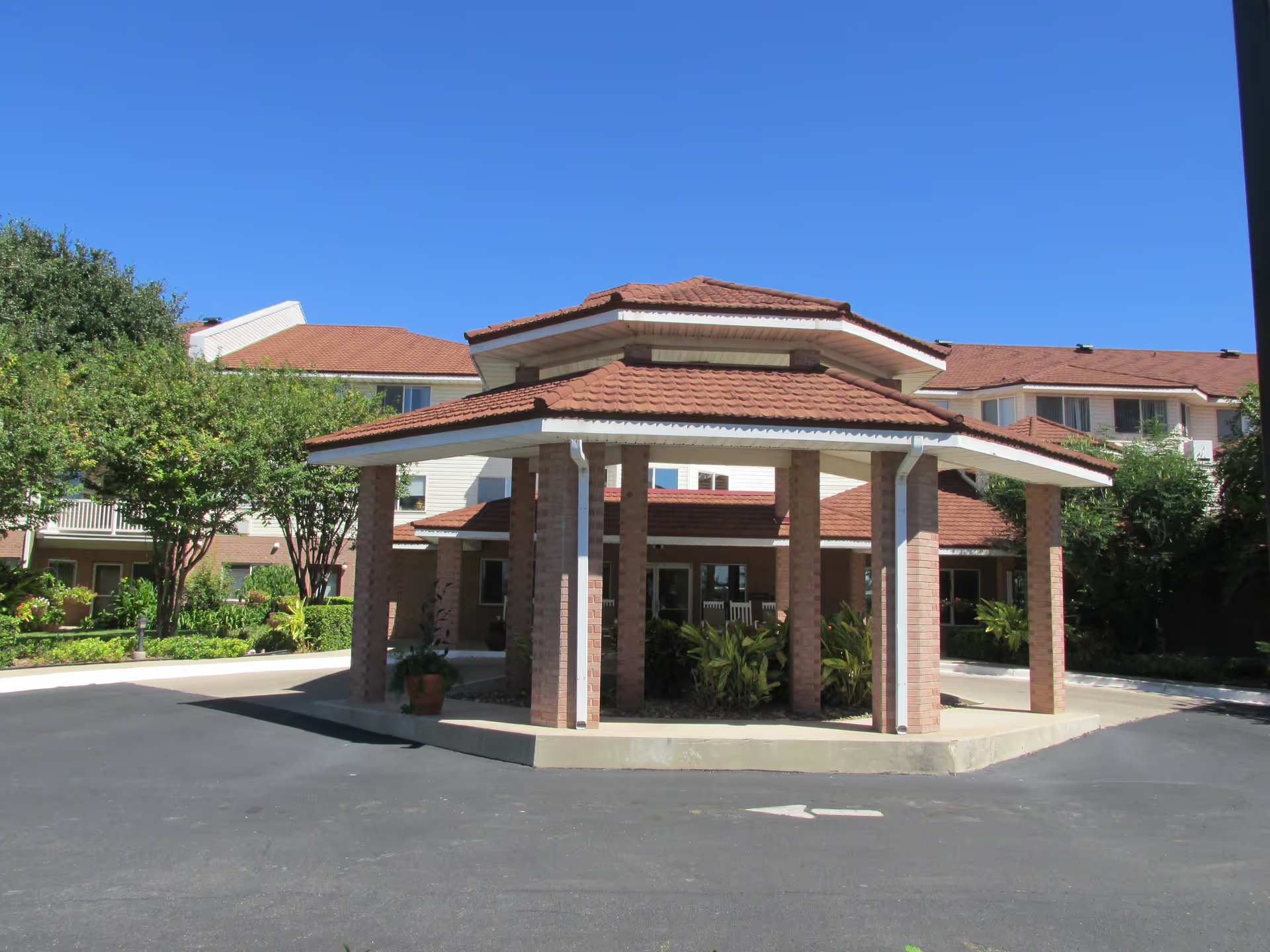
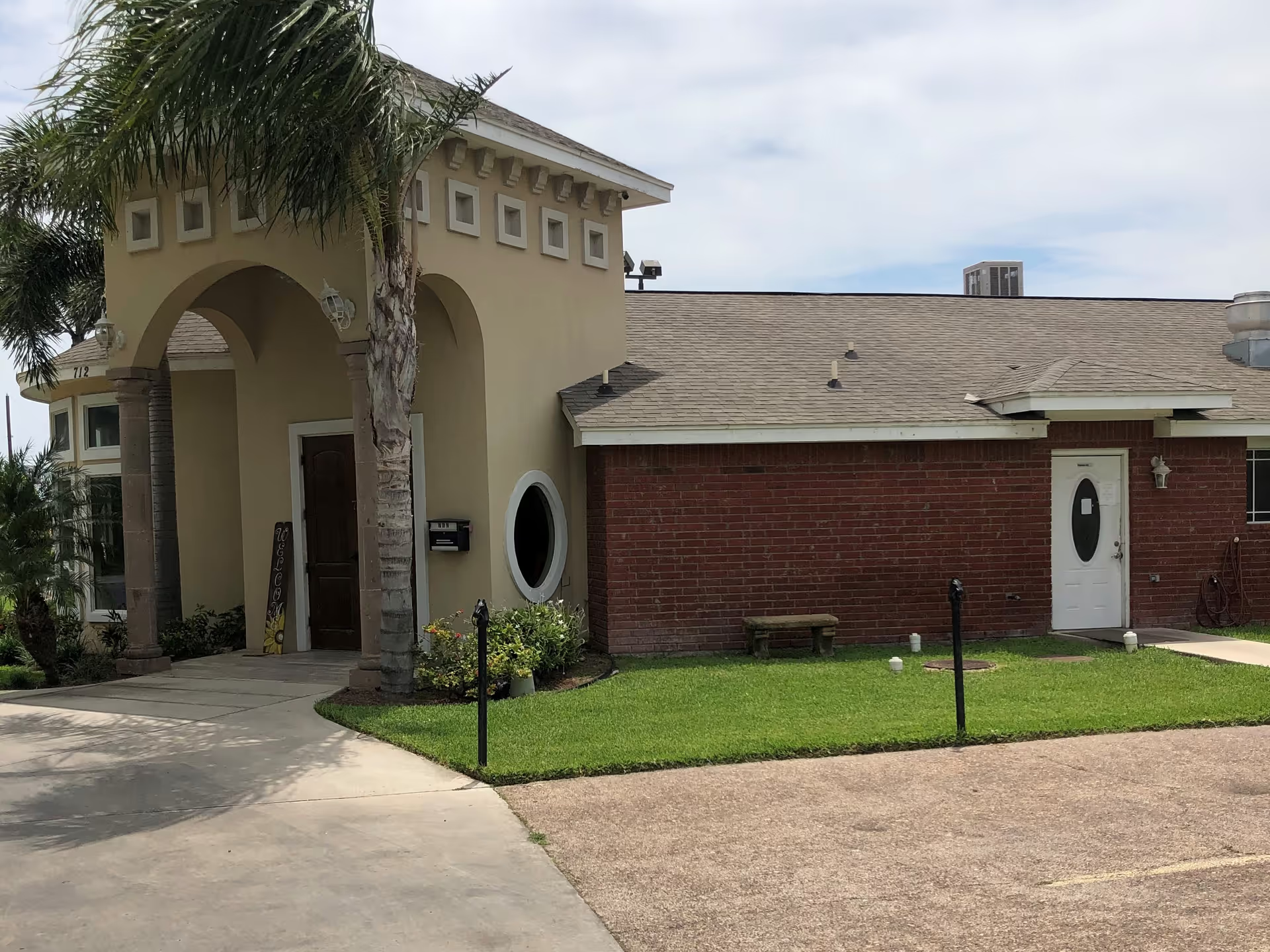
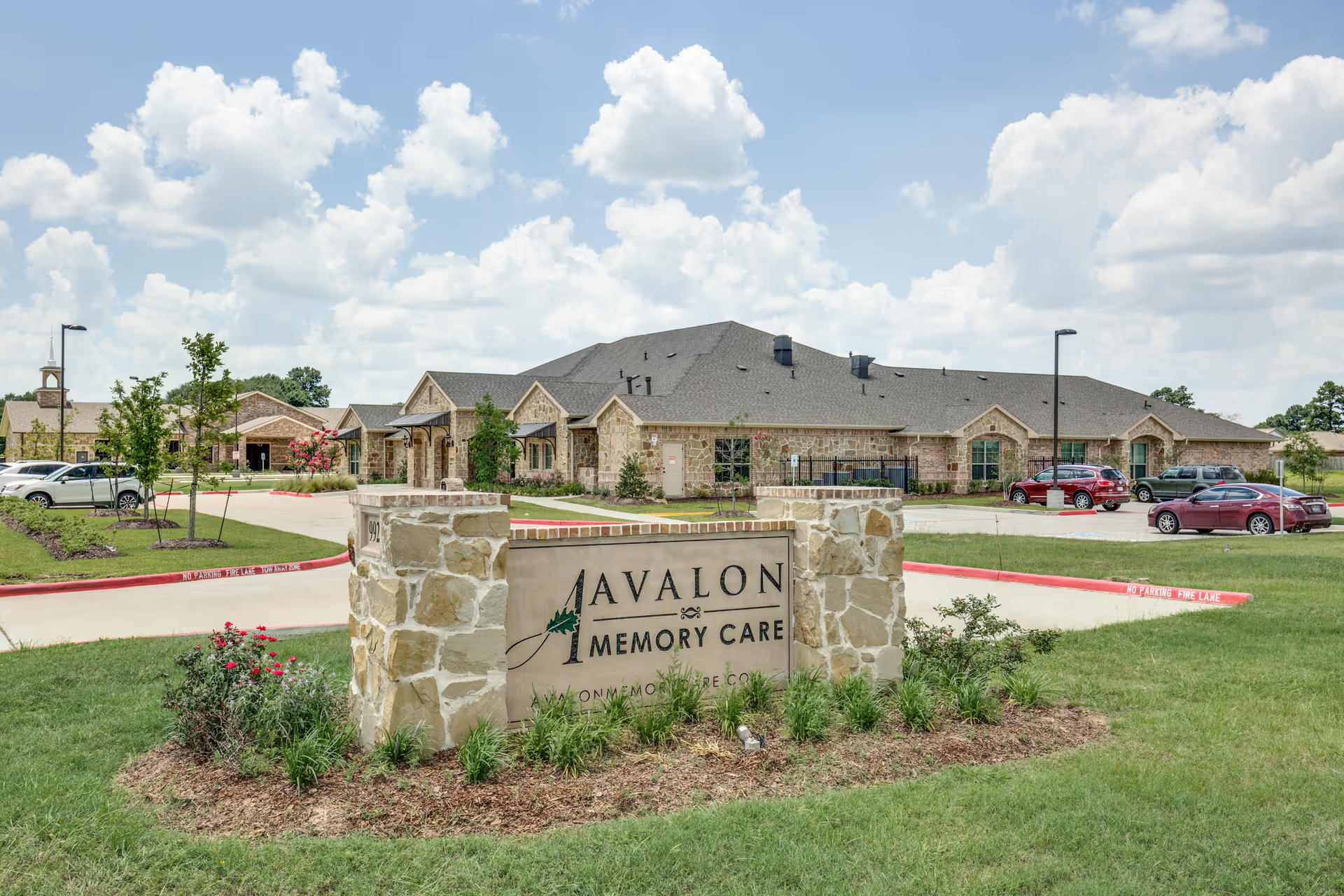
The reviews present a mixed picture of care at this facility, with many families praising individual caregivers and therapy services while others describe significant operational shortcomings. Positive accounts emphasize compassionate nursing staff and attentive CNAs, a helpful intake and front-desk experience, and a rehabilitation program that in some cases provides frequent, high-quality therapy sessions. Several reviewers also noted strong teamwork among clinical disciplines, responsive respiratory and wound-care clinicians, and kitchen staff willing to provide personalized meal assistance. Physical attributes cited as strengths include a clean, bright interior and large outdoor patios that contribute to a relaxed atmosphere and meaningful activity programming.
Counterbalancing those strengths are repeated operational concerns that affect care consistency. Reviewers describe inconsistencies in staff professionalism and conduct, delays and errors in medication administration, and lapses in basic care tasks such as hygiene and continence support. Communication gaps between nursing, physicians, and families — including unclear documentation and delayed notification of clinical changes — were raised multiple times. Staffing variability and reliance on overtime appear to contribute to these issues, and several accounts point to missed meals, delayed nurse response times, and irregular safety checks that suggest opportunities to strengthen staffing models and shift coverage.
Several reviews raise facility-level management and process issues. These include weaknesses in transfer, admission, and discharge coordination, questions about leadership accountability and follow-through, and allegations of favoritism in personnel decisions. Sanitation and pest-control concerns were mentioned alongside uneven housekeeping in some areas, indicating a need for more consistent environmental controls. There are also serious individual concerns in some accounts — for example, reviews that reference a resident's health decline and a subsequent regulatory complaint — which highlight the importance of transparent incident investigation and family communication.
For prospective residents and families, the pattern suggests that experiences may vary depending on unit, shift, and individual staff. When evaluating the facility, it may be useful to ask about current staffing ratios, medication-administration protocols, hand‑hygiene and incontinence-care procedures, pest-control practices, and written transfer/discharge policies. Observe staff–resident interactions during a visit, inquire about therapy frequency and documentation practices, and request examples of recent quality-improvement actions taken by the administration. The facility also shows areas of positive practice and engaged staff, so clarifying which units or teams provide the strongest continuity of care can inform placement decisions.