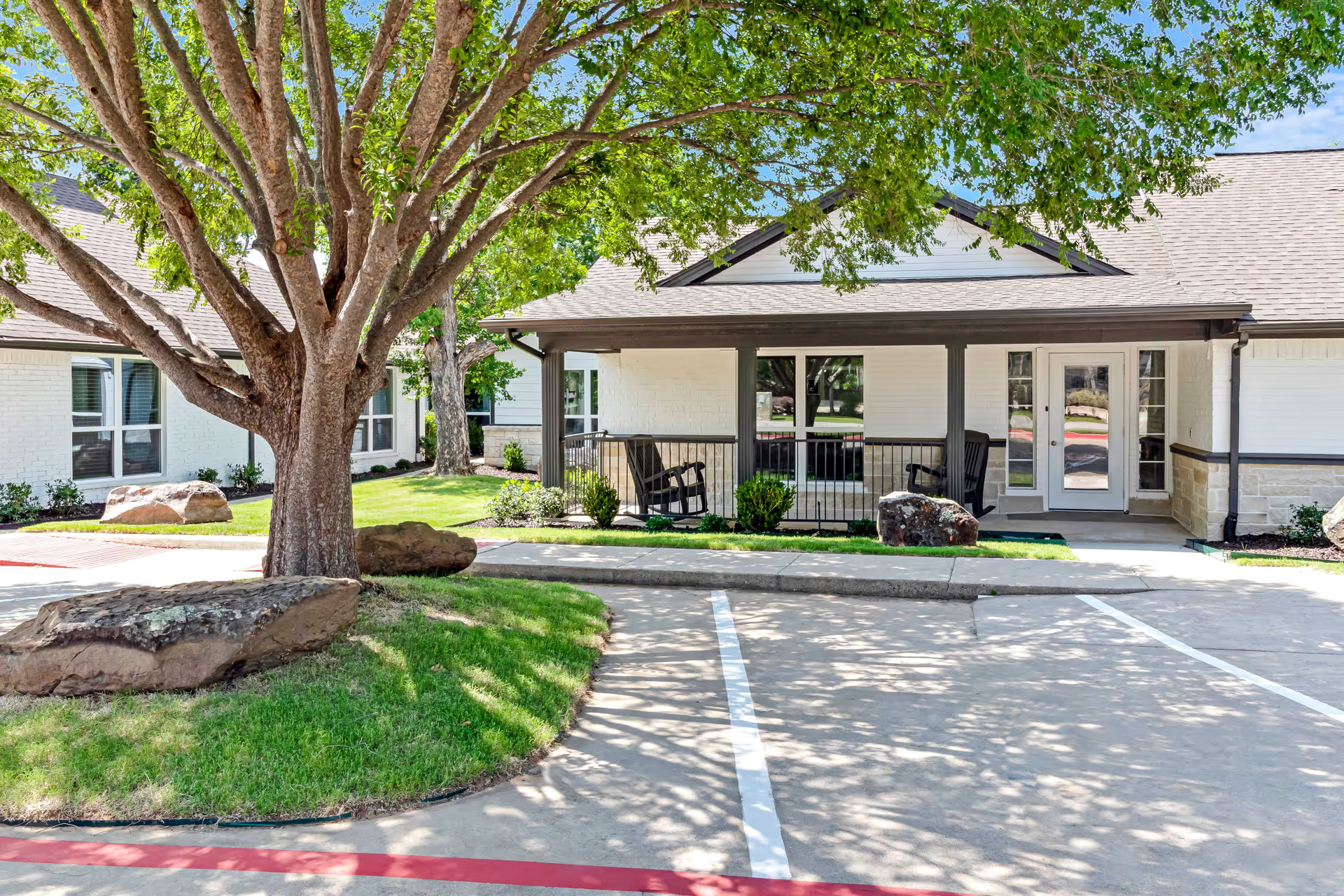
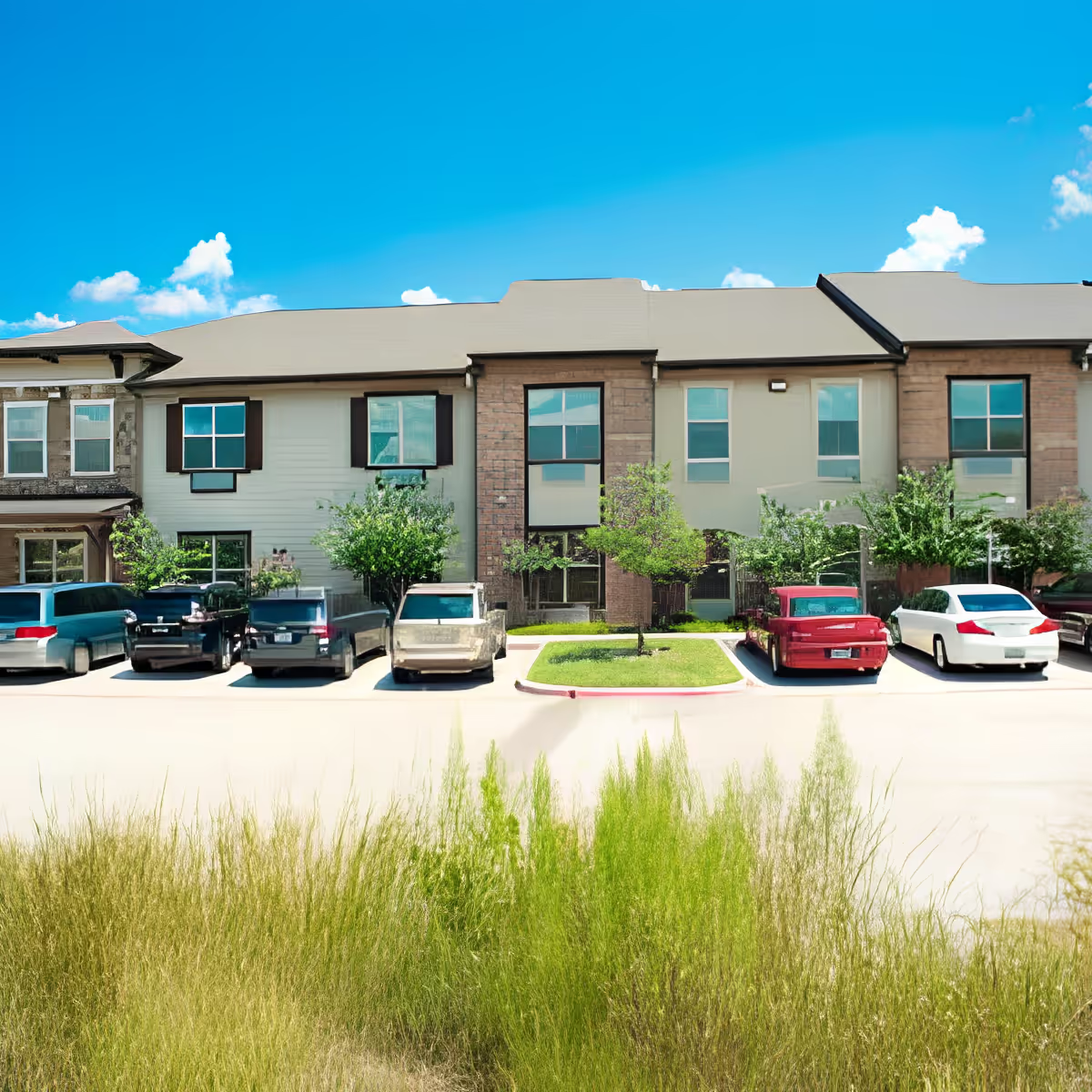
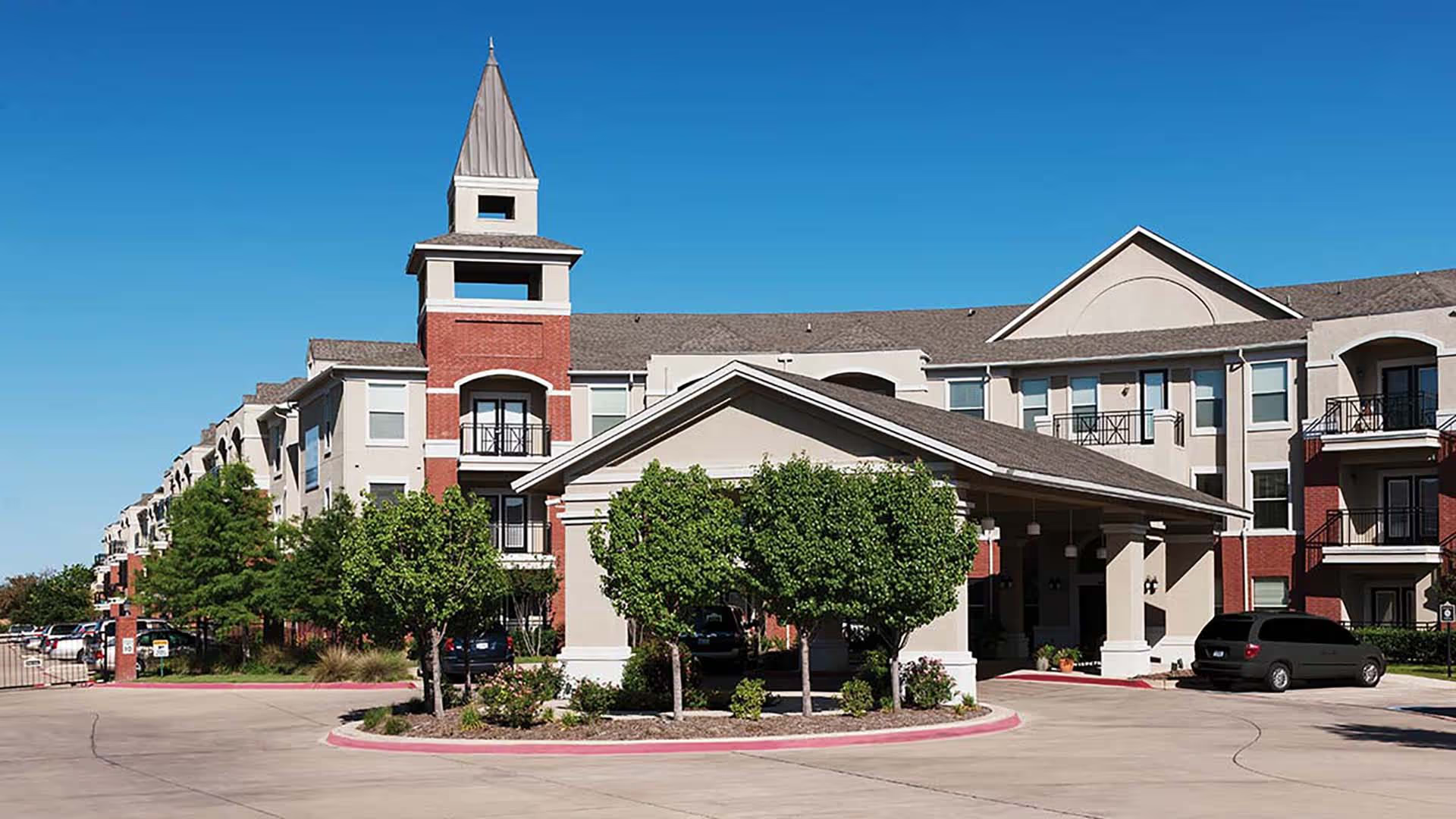
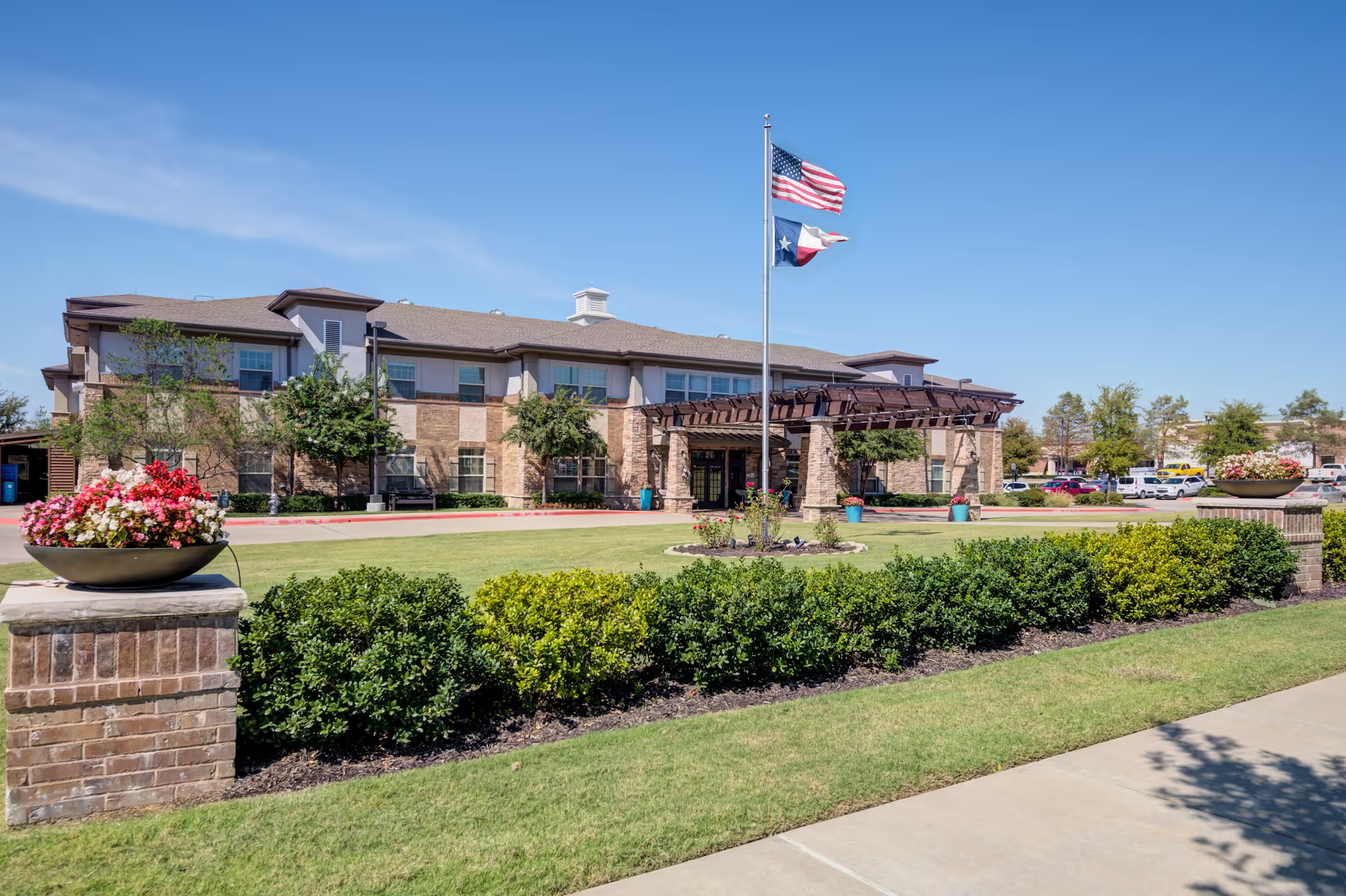
Ellery Arbor presents as a visually appealing, amenity-rich memory care community with a strong emphasis on social engagement. Many families highlighted the facility's 'Main Street' concept — an indoor corridor with a café/soda shop, salon, mini‑theater, craft areas and multiple activity spaces — and praised frequent outings, holiday events, and a broad calendar of daily programs. For prospective residents who prioritize socialization, stimulation, and on-site programming, the community's offerings and campus design are consistently cited as strengths.
Direct-care staff receive frequent positive mention for warmth, friendliness and individualized attention. Several reviews describe caregivers who learn residents' names quickly, adapt care preferences, and create a family-like atmosphere. At the same time, there is a recurring pattern of staffing instability: high turnover, frequent rotations, and inconsistent assignment continuity. Those operational patterns correlate with reports of delays in help with activities of daily living, inconsistent bathing schedules, and families needing to intervene to secure timely care. A subset of families also described serious clinical incidents, hospitalizations, and concerns about end-of-life communication; these accounts point to variability in clinical oversight and incident-response processes.
Dining is a mixed picture. Early impressions for some reviewers emphasized home‑cooked meals and a skilled culinary team, but other families described a decline in meal consistency after staff changes, limited menu variety (especially at dinner), and occasional meal-service problems (temperature and utensil provisioning). The facility does provide three daily meals and specialized dining spaces, yet prospective families should confirm current culinary staffing, menu rotation, and accommodations for dietary needs.
Activities and social programming are frequently praised. The community offers organized outings to museums and shops, themed events, movie nights, and spiritual services — all contributing to resident engagement and quality of life. Several reviewers credited the activity staff with sustained effort and creativity even during staffing transitions. However, some families experienced promised outings or programs that were not delivered, suggesting occasional gaps between programming promises and execution.
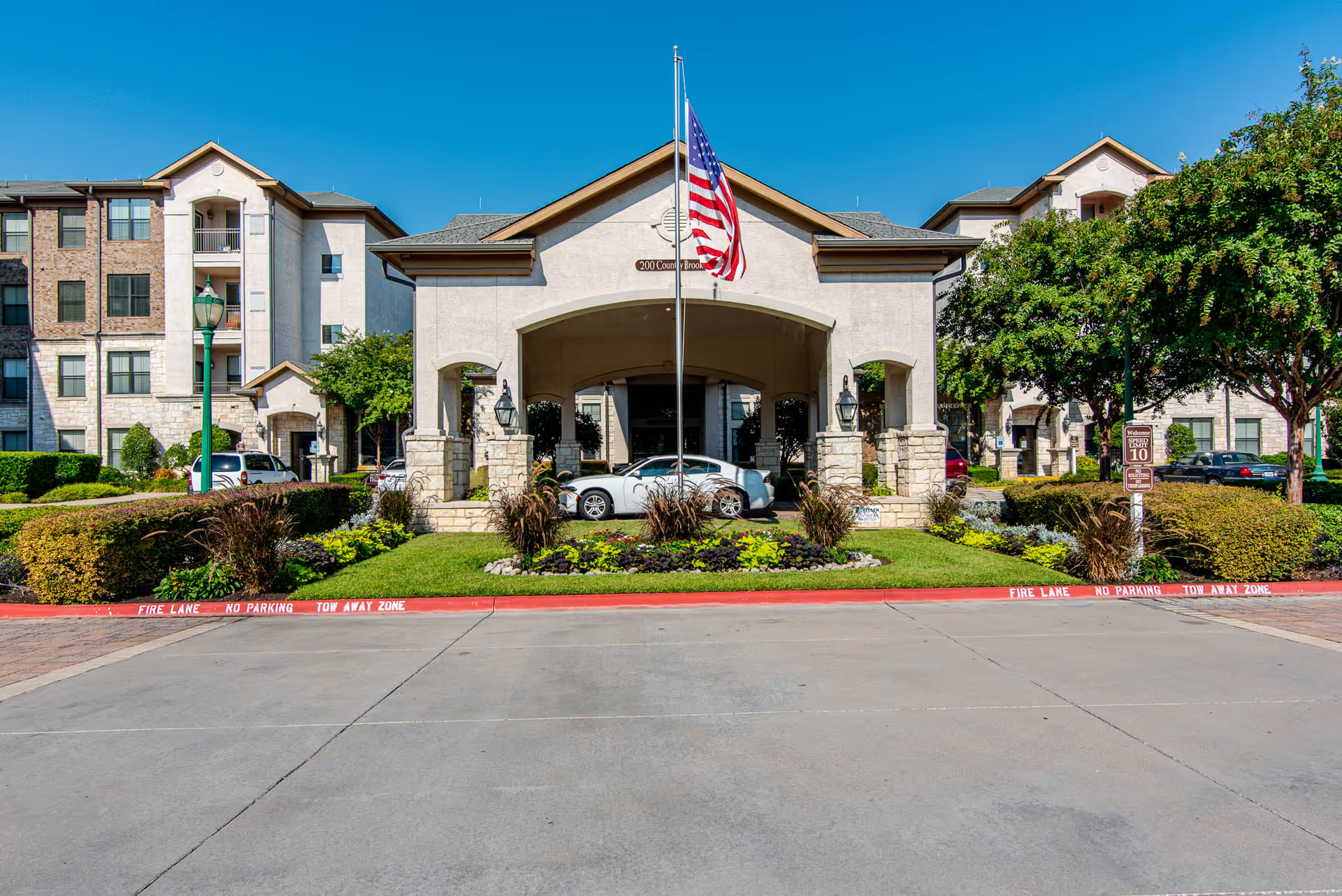
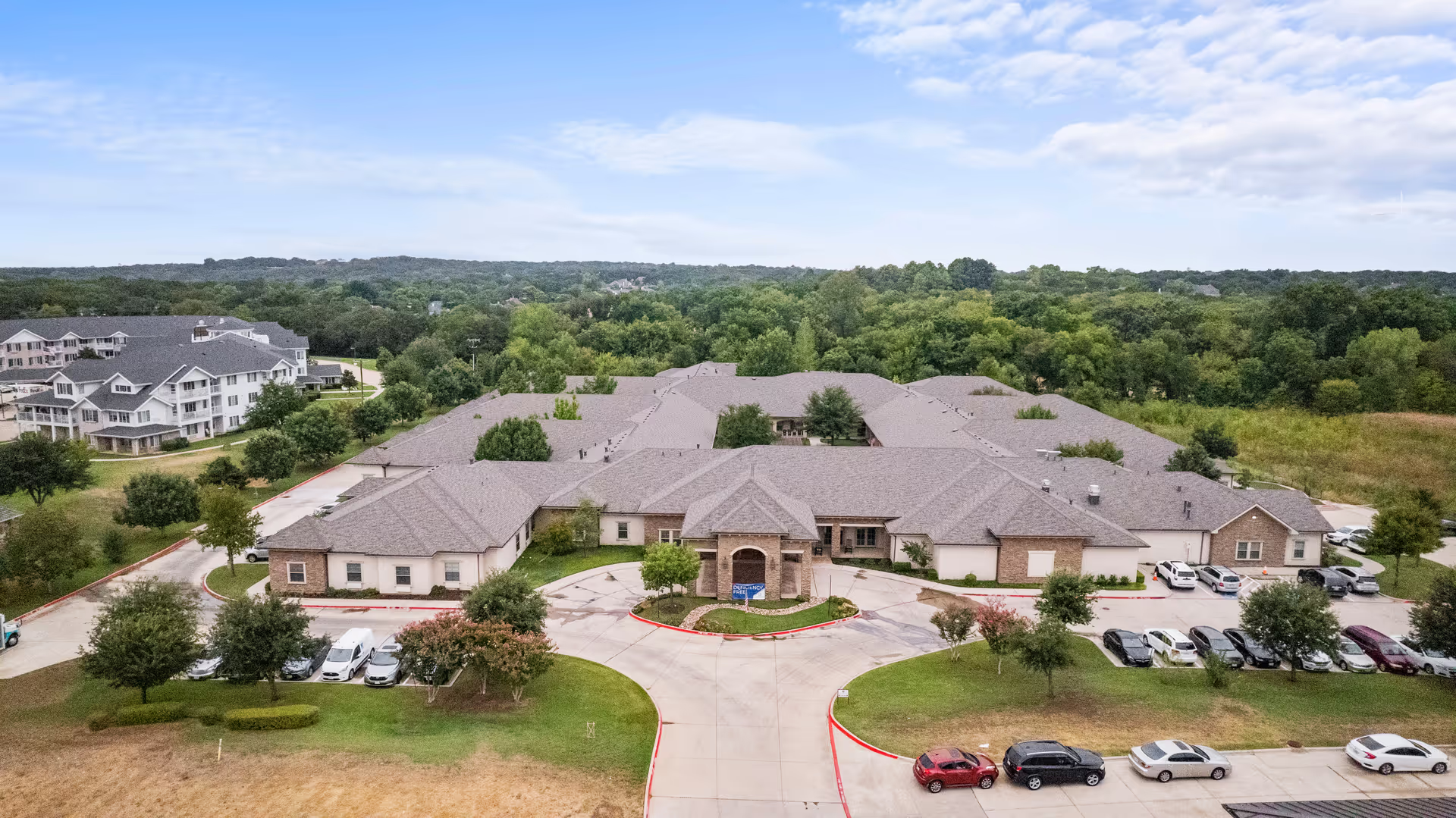
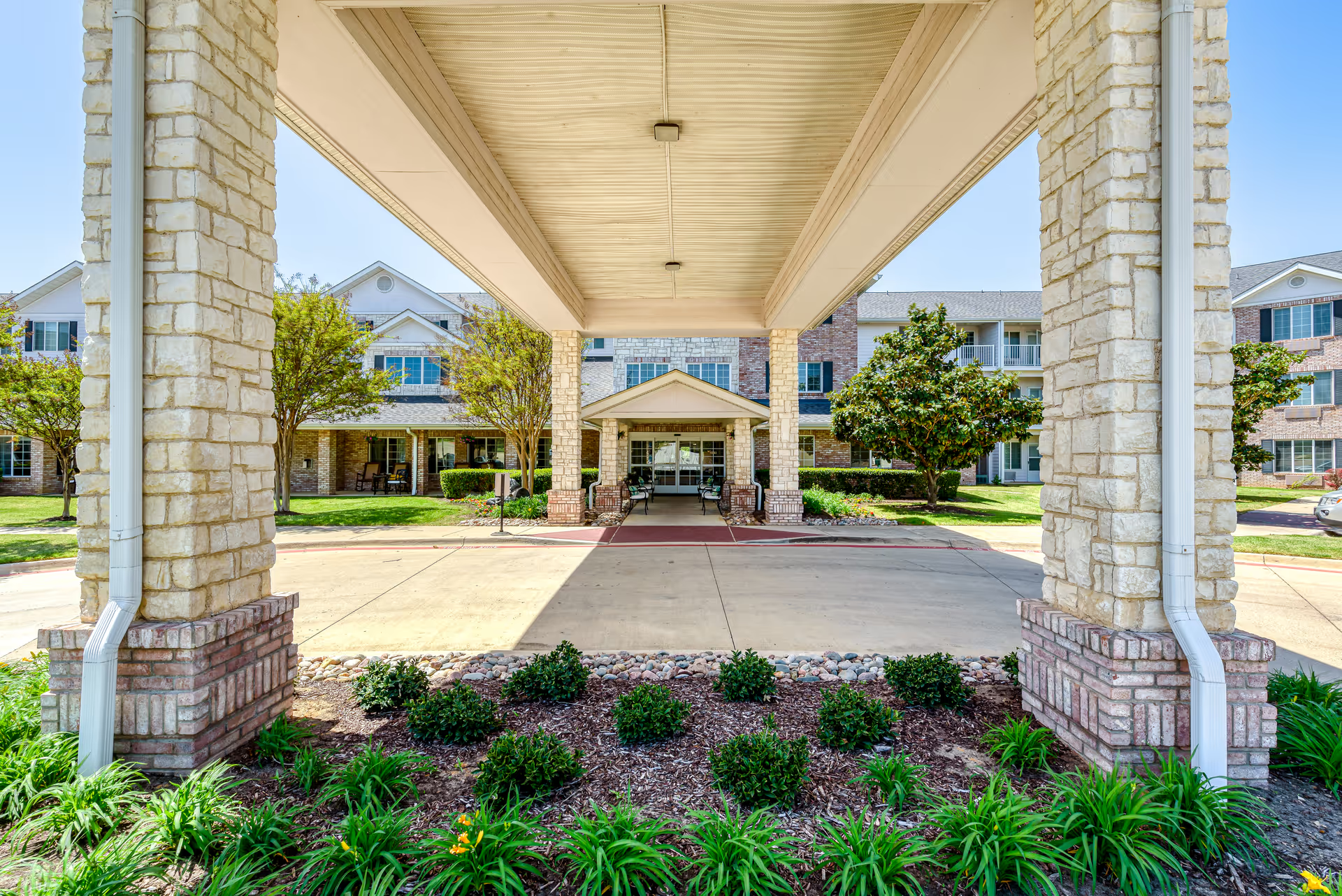
The physical plant and amenities are commonly described as attractive, bright, and well laid out, with many reviewers noting spacious rooms, ample natural light, and well‑maintained common areas. Conversely, there are repeated notes about intermittent cleanliness and sanitation concerns in certain units or during particular periods, as well as occasional move-in readiness issues. Maintenance and culinary staff were singled out positively in some accounts for responsiveness, which suggests variable performance across operational teams.
Management and corporate oversight emerge as a central pattern. Multiple reviews cite frequent director turnover, perceived slow responses to family concerns, and uneven follow-through on commitments. These governance issues are associated with wider operational instability — staffing fluctuations, program discontinuities, and mixed clinical outcomes. Cost is another recurring theme: the community is positioned at a higher price point, and several families questioned the value-for-cost when operational gaps occurred.
Recommendation for prospective families: weigh the community's strong social programming, attractive design, and many instances of compassionate caregiving against documented operational weaknesses in staffing continuity, clinical oversight, cleanliness consistency, and management stability. When evaluating Ellery Arbor, ask targeted questions about current staffing ratios and turnover, dementia-specific training, clinical incident protocols and family-notification procedures, recent culinary leadership and sample menus, move-in readiness process, and contractual billing terms. A trial stay, direct conversations with current families, and verification of recent state inspection and incident records will help clarify whether the community's strengths align with your loved one's current and anticipated care needs.