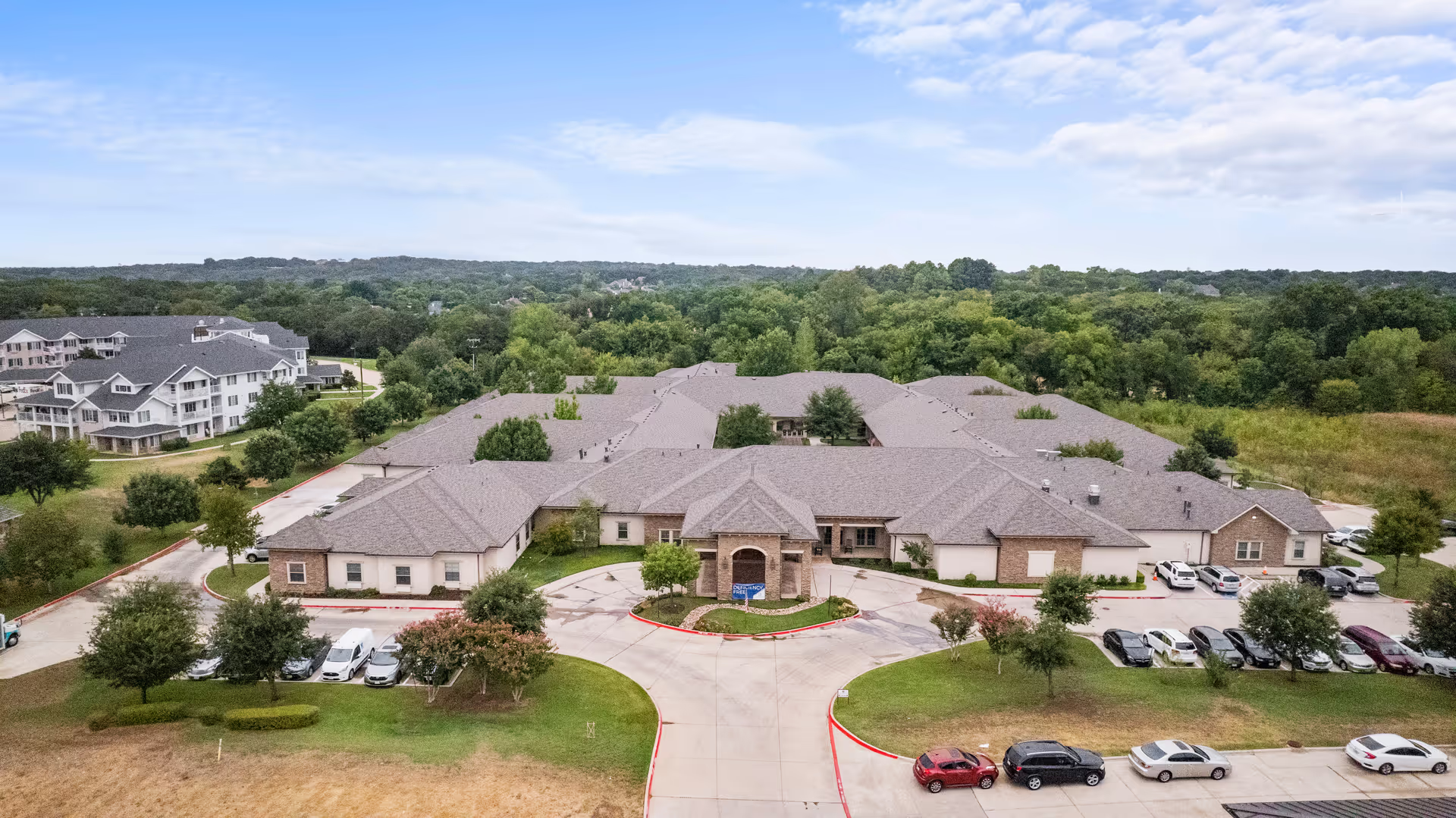
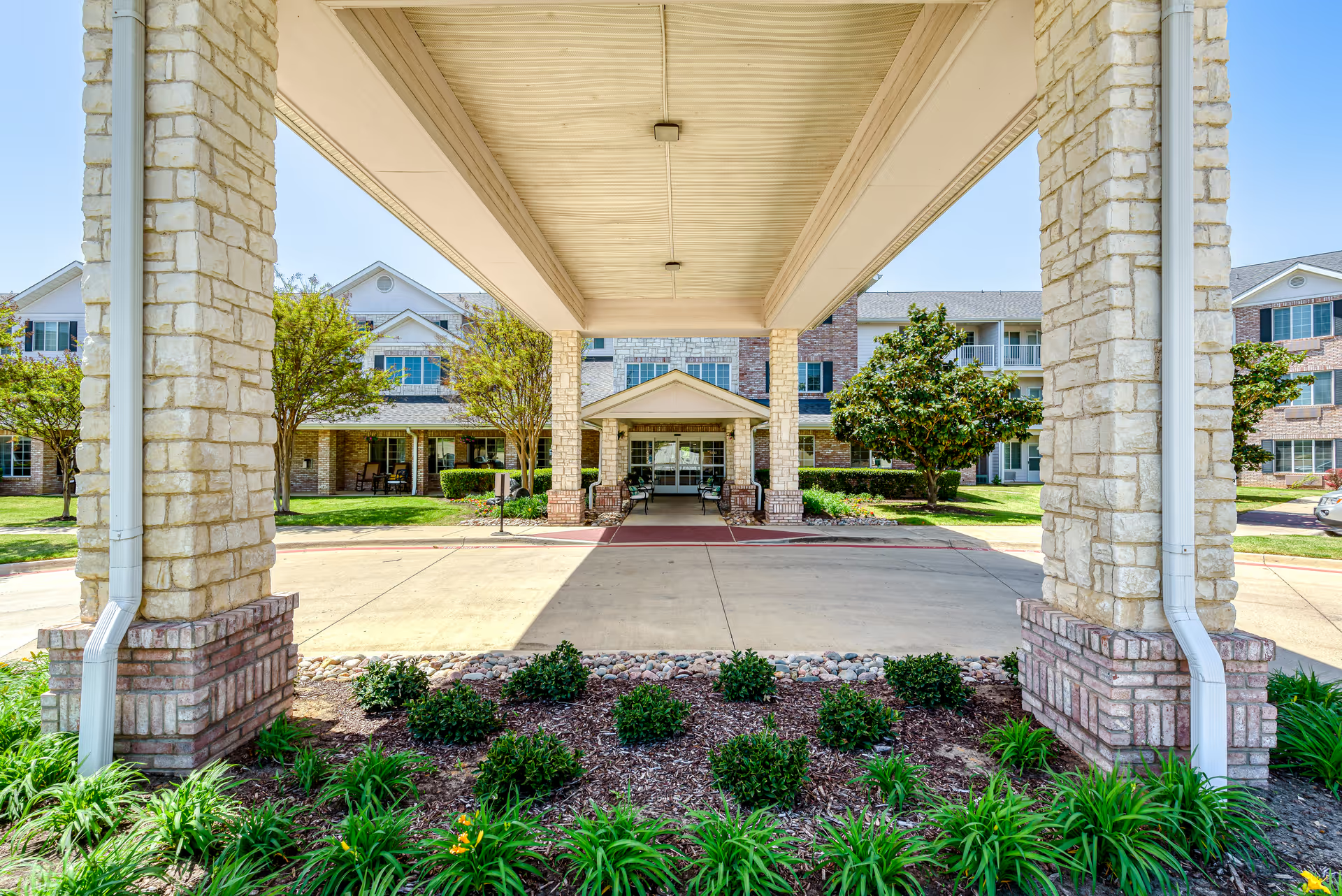
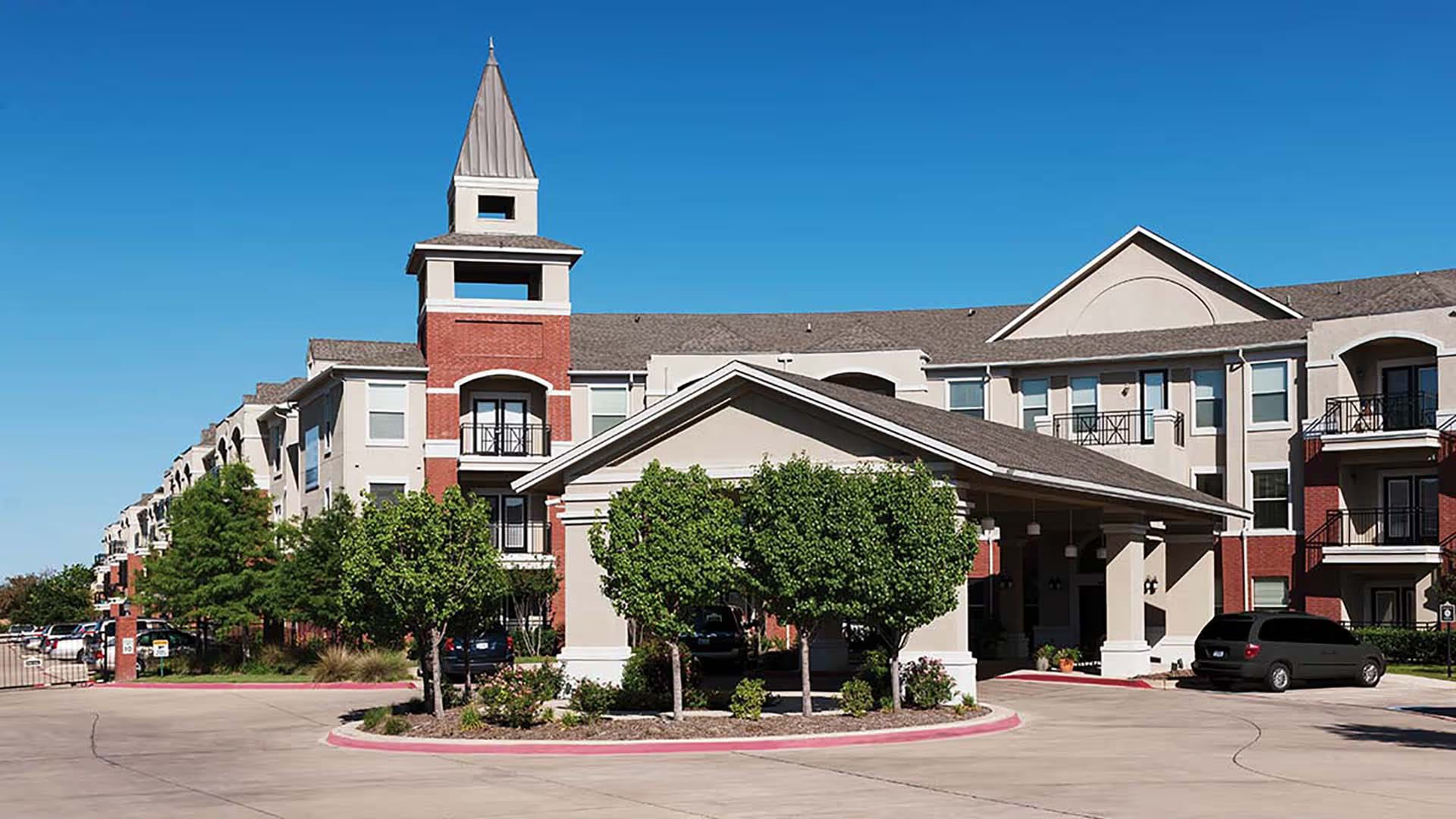
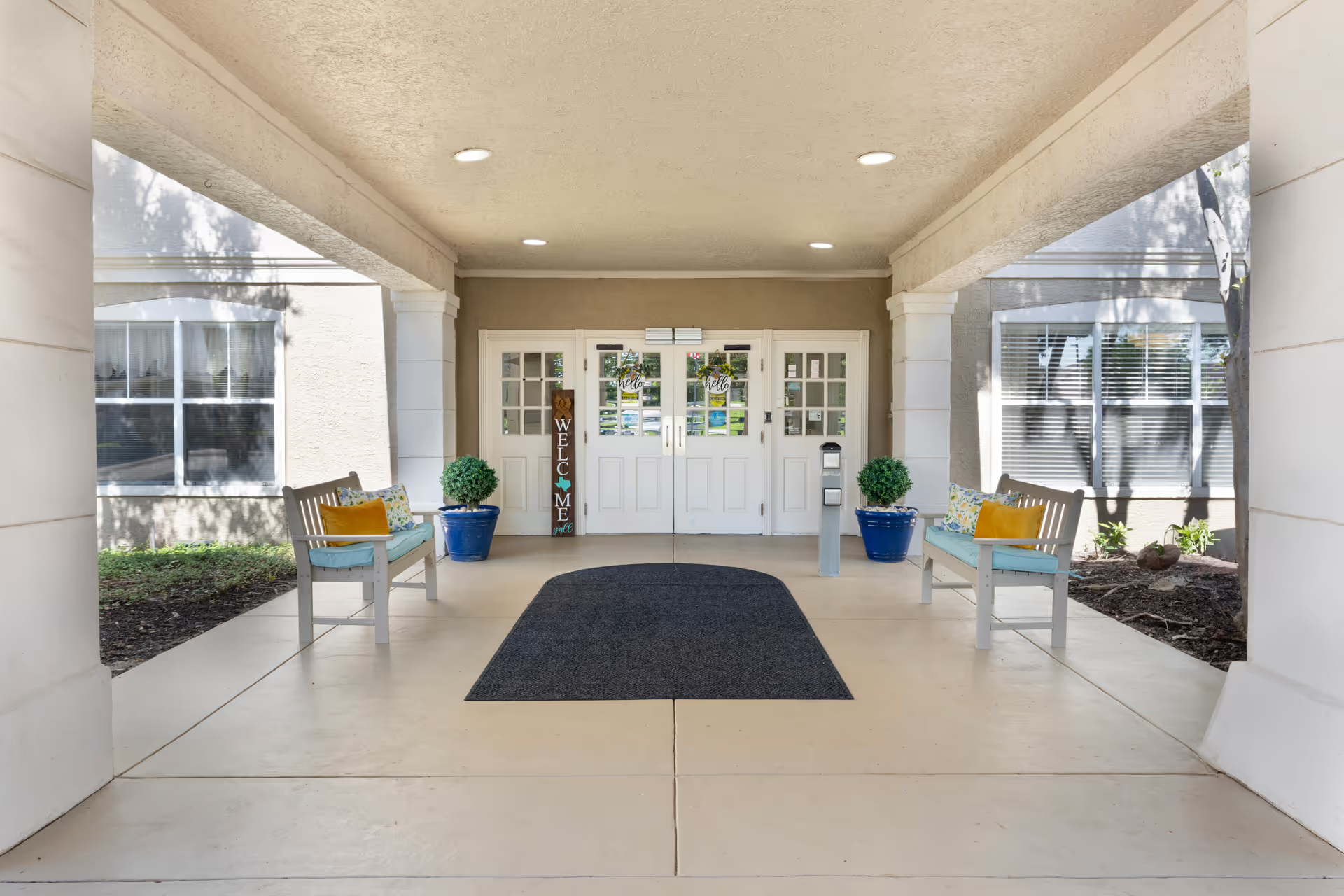
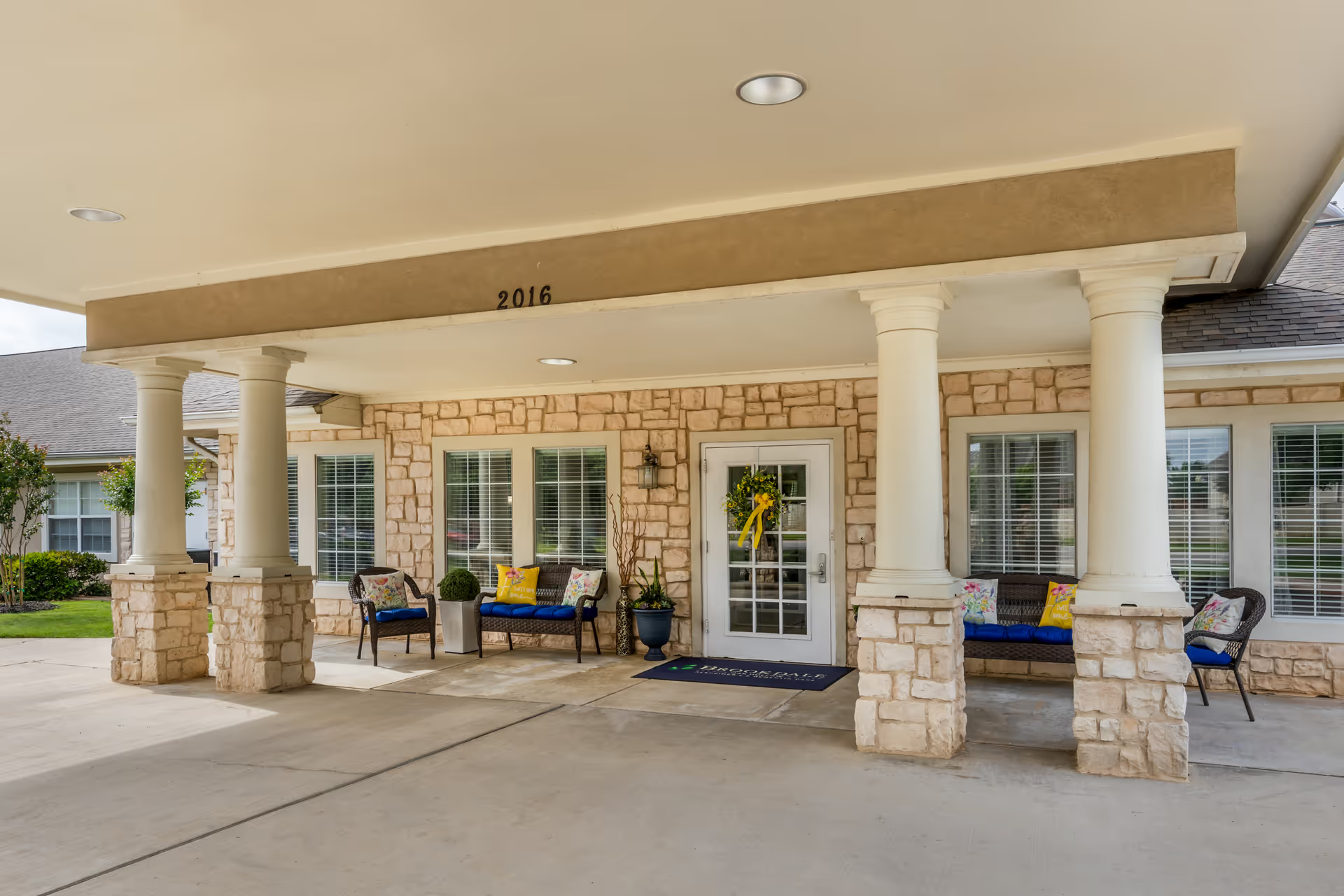
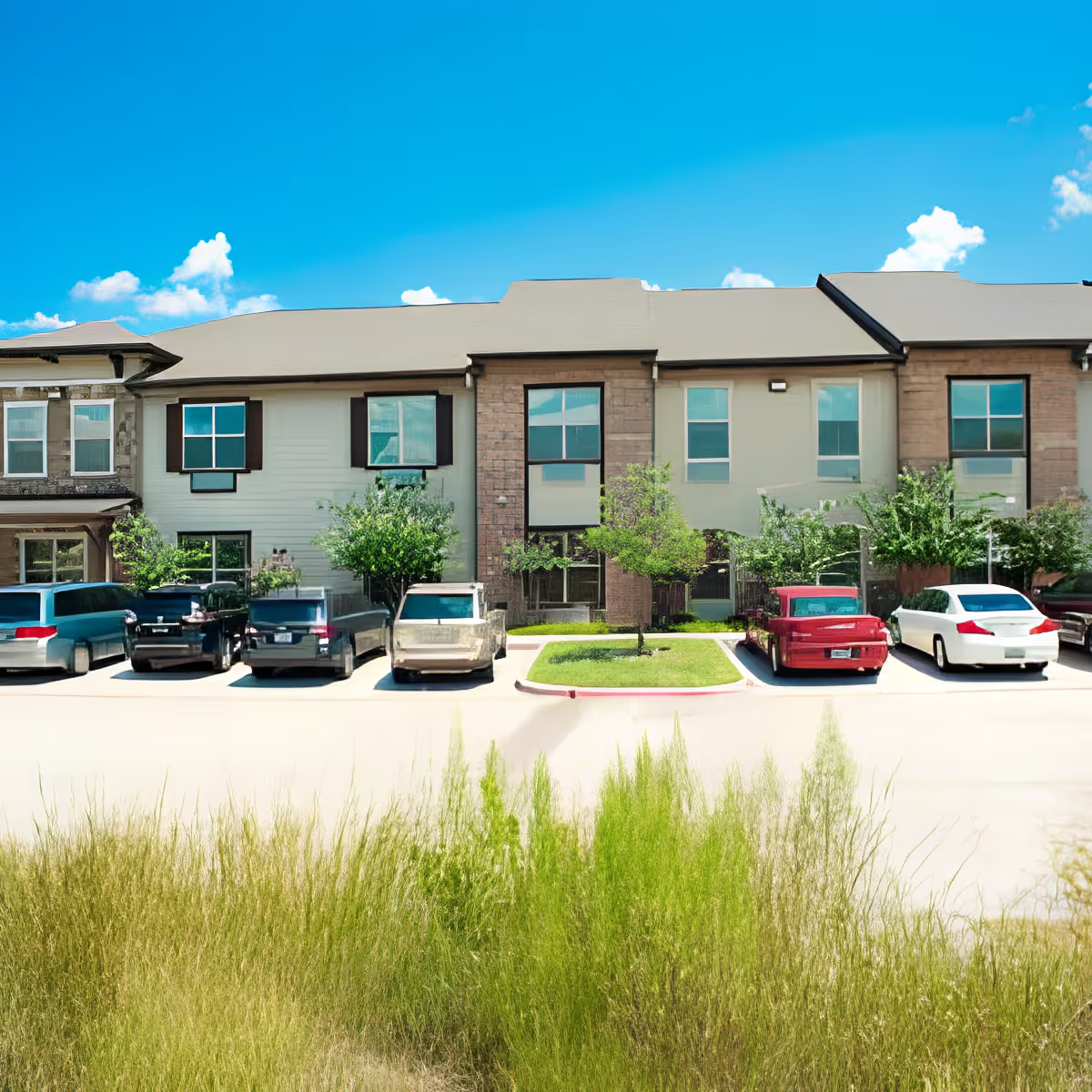
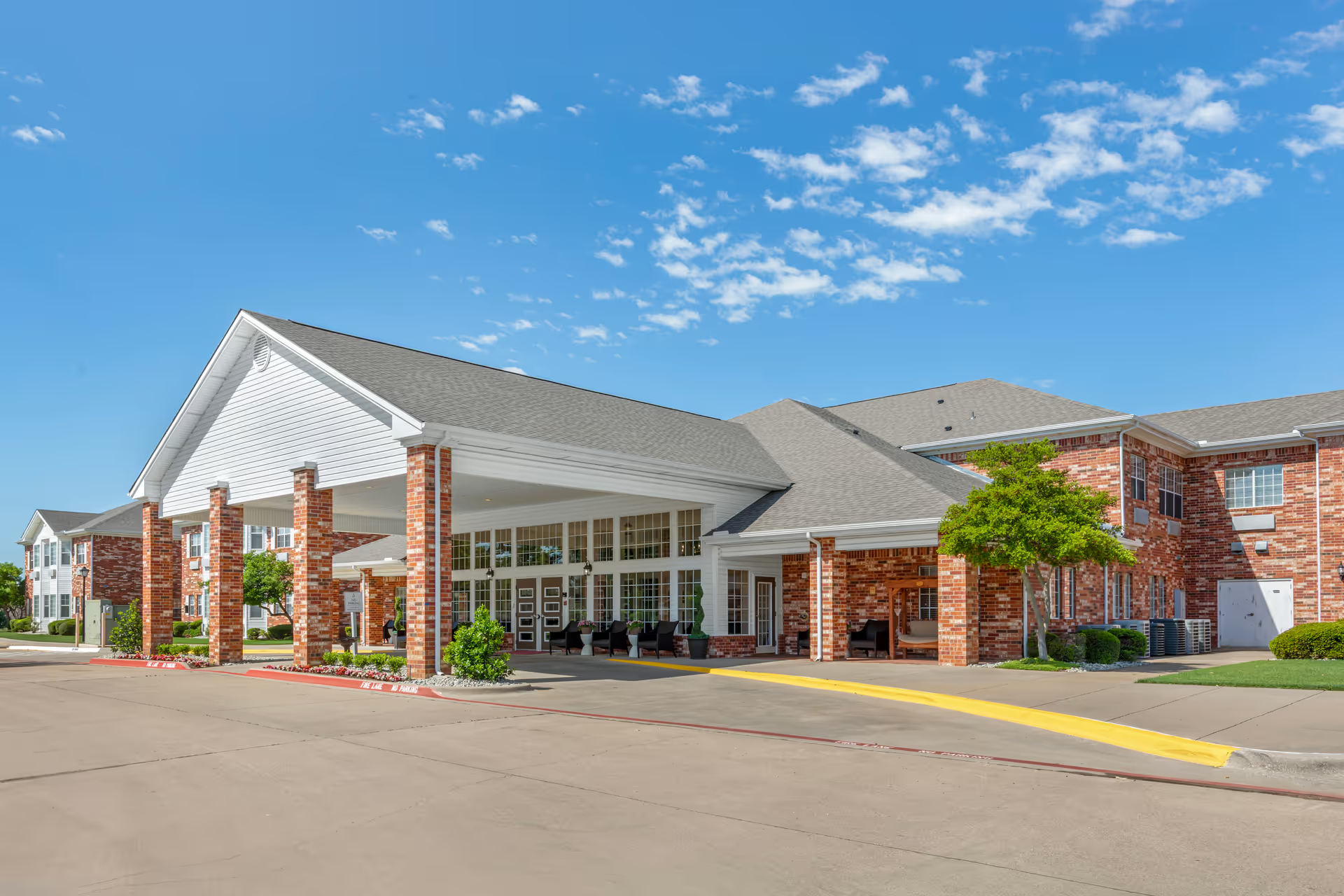
Overall sentiment in the reviews is mixed but centers on a very strong positive view of frontline caregiving and the facility environment, contrasted with serious concerns about activities and billing/management practices. Multiple reviewers emphasize that staff are "wonderful" and provide compassionate, high-quality care; some describe the facility as a "godsend" and say it provided the "best care," indicating strong satisfaction with personal attention and caregiver performance. The facility is repeatedly noted as clean, small in scale, and offering private single rooms — features that contribute to a homelike, intimate environment valued by residents and families. Dining receives positive mention as well, with reviewers noting good food.
In terms of care quality and staff, the pattern is strongly positive. Several comments explicitly praise the staff's demeanor and level of care, with emotional descriptors such as "love" and "godsend" underscoring gratitude from families. That suggests the caregiving team is a major strength and likely a decisive factor for residents and their families when choosing the community.
Facility and living-arrangement themes are also favorable: cleanliness, a small community atmosphere, and private single rooms are consistent positives. These attributes align with preferences for quieter settings and greater privacy, and they likely enhance residents' comfort and infection control. Dining is another consistent plus, with succinct references to "good food," which supports quality-of-life assessments beyond clinical care.
Contrasting the positives, there are prominent and specific concerns around activities and billed services. Activities are described as "extremely limited," indicating a lack of engagement programming that could negatively affect residents' social and cognitive stimulation. This is a clear gap relative to expectations for assisted living and memory care, where regular, varied activities are important for wellbeing.
Most concerning are the billing and service-availability issues raised in the reviews. One reviewer reports that the final month after a resident's death was not prorated, that there were "zero services provided for most of the month," and that the facility still charged $5,500. These are specific, serious complaints pointing to possible shortcomings in contract transparency, end-of-life billing policies, and administrative responsiveness. The combination of being charged a full (and sizable) fee despite minimal or no services and not receiving a pro rata adjustment after a death suggests an area where families experienced financial hardship or felt treated unfairly. These comments form a distinct theme separate from caregiving quality and should be considered a major red flag for prospective residents and families.
Taken together, the reviews paint a facility with strong hands-on care, a clean and intimate environment, private rooms, and good dining, but with meaningful shortcomings in non-clinical programming (activities) and in administrative/billing practices. The recurring positive language about staff implies that operational culture among caregivers is excellent; however, administrative policies (especially around billing/proration and the provision of services during billed periods) may need review or clearer communication. For people prioritizing compassionate staff, cleanliness, privacy, and good food, this community appears very attractive. For those for whom program activity variety and transparent, fair billing (especially around end-of-stay or death) are critical, these reviews suggest caution and the need to obtain clear, written contract terms and billing policies before committing.