Overall impression: Brookdale Oak Hollow elicits strongly positive feedback for its caregiving culture, memory-care focus, and social programming, but a subset of reviews raises significant operational concerns that merit careful follow-up by prospective residents and families.
Care and staff: The dominant theme among positive reviews is consistent praise for compassionate, resident-centered staff who engage residents, respect dignity, and foster a family-like atmosphere. Many reviewers highlight strong dementia-specific programming, knowledgeable activity staff, and a supportive approach to transitions. At the same time, a portion of reviews describe variability in clinical competence and training—particularly around nursing tasks and clinical oversight—leading to uneven experiences across shifts. There are also a small number of serious claims, including allegations of inaccurate clinical documentation; these warrant direct inquiry during a tour and discussion with leadership about audit and oversight practices.
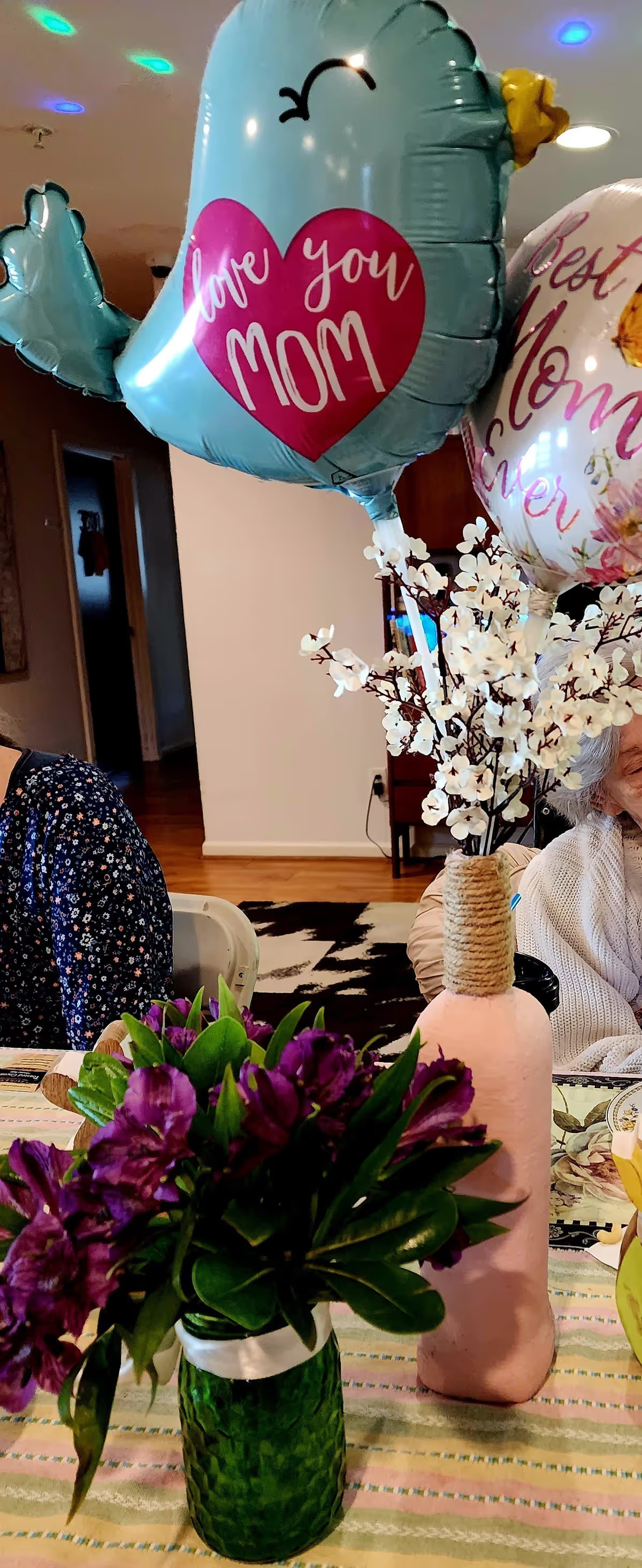
Dining and activities: Dining is frequently cited as a strength: quality meals, personalized menus developed with a dietician, social dining, and favorable comments about soups and menu variety. Activities are also a clear positive: multiple activity rooms, scheduled group programs, weekly outings, therapeutic memory-care programming, and special events that families appreciate. The facility’s programming appears extensive and well-staffed, contributing to social engagement and resident stimulation.
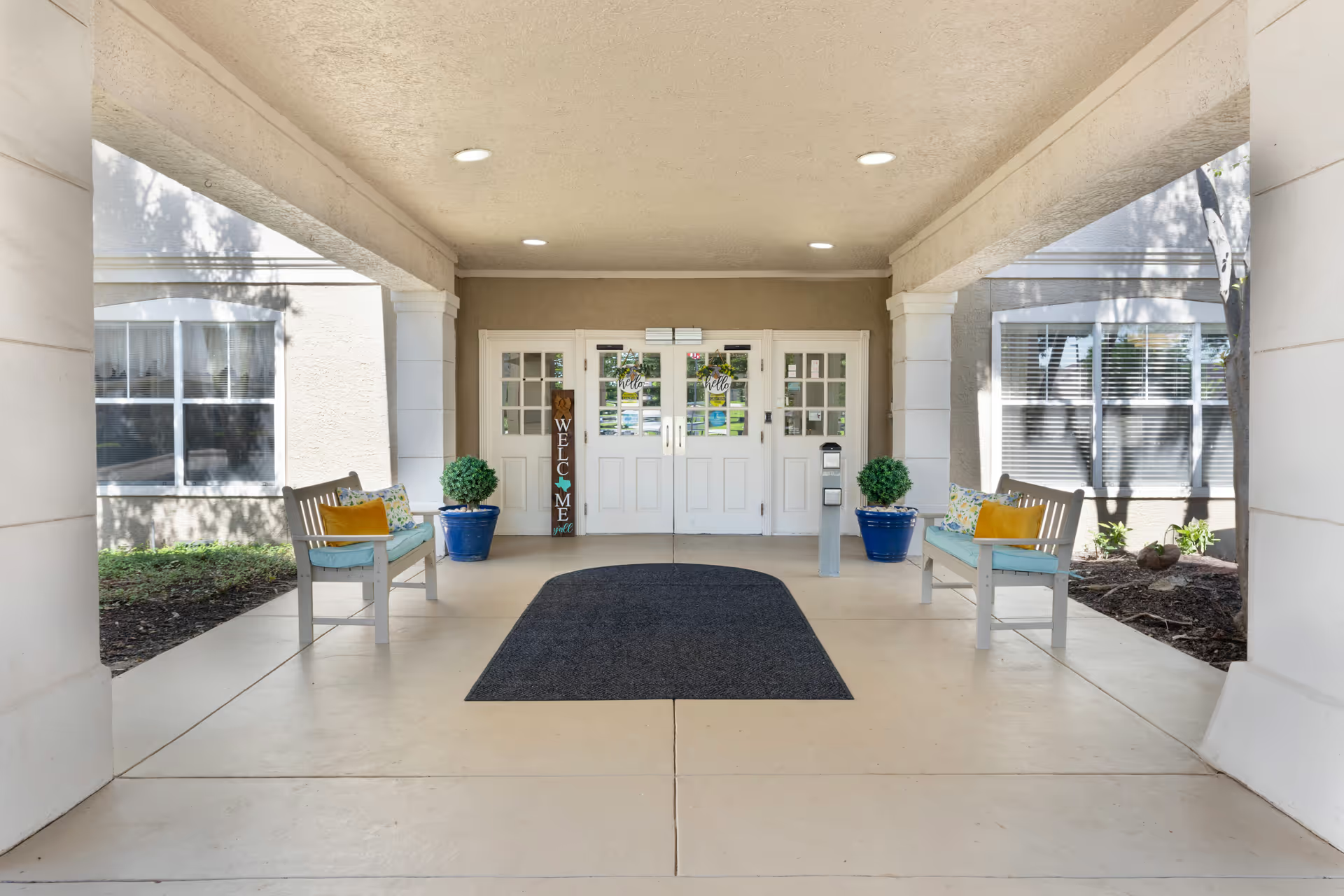
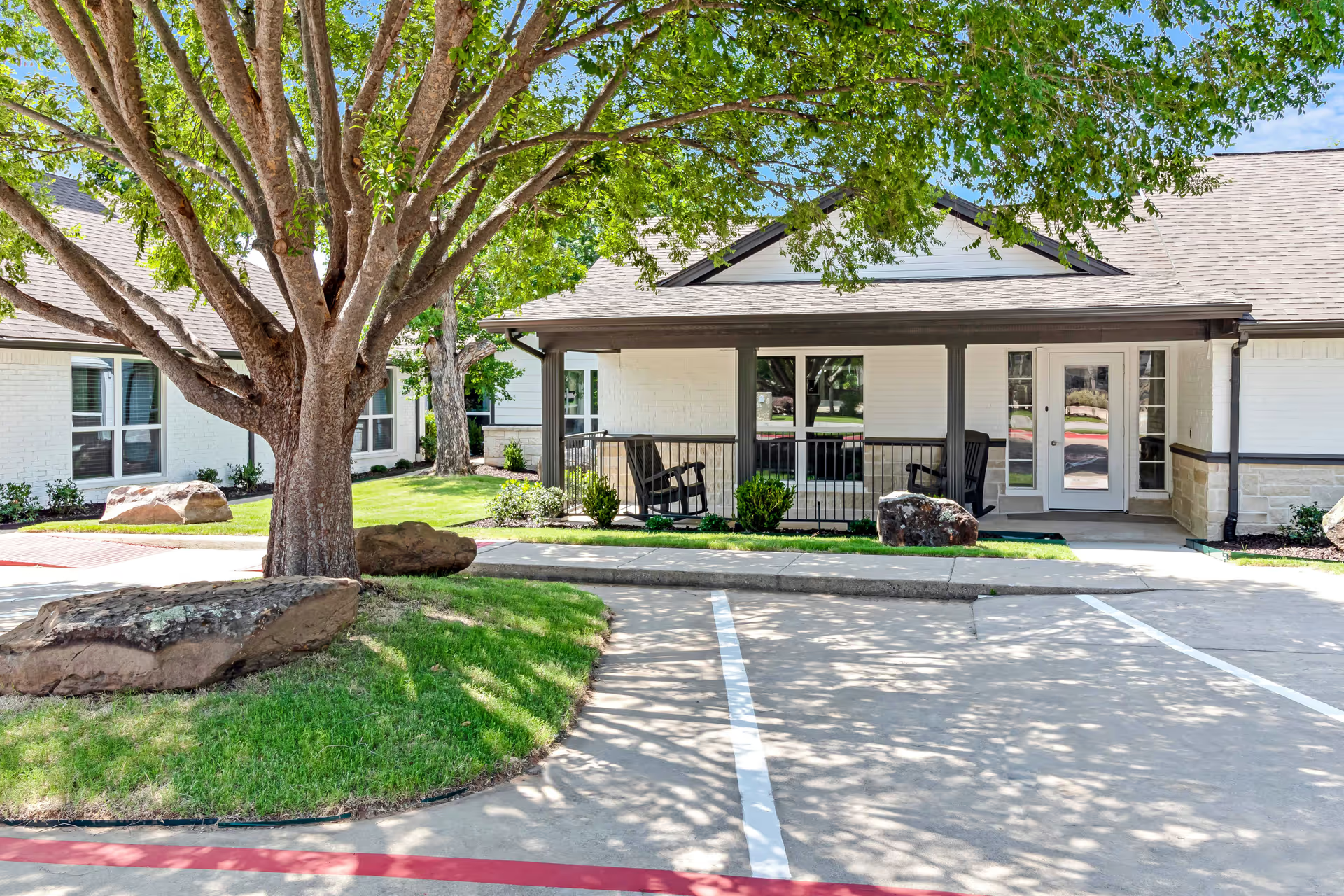
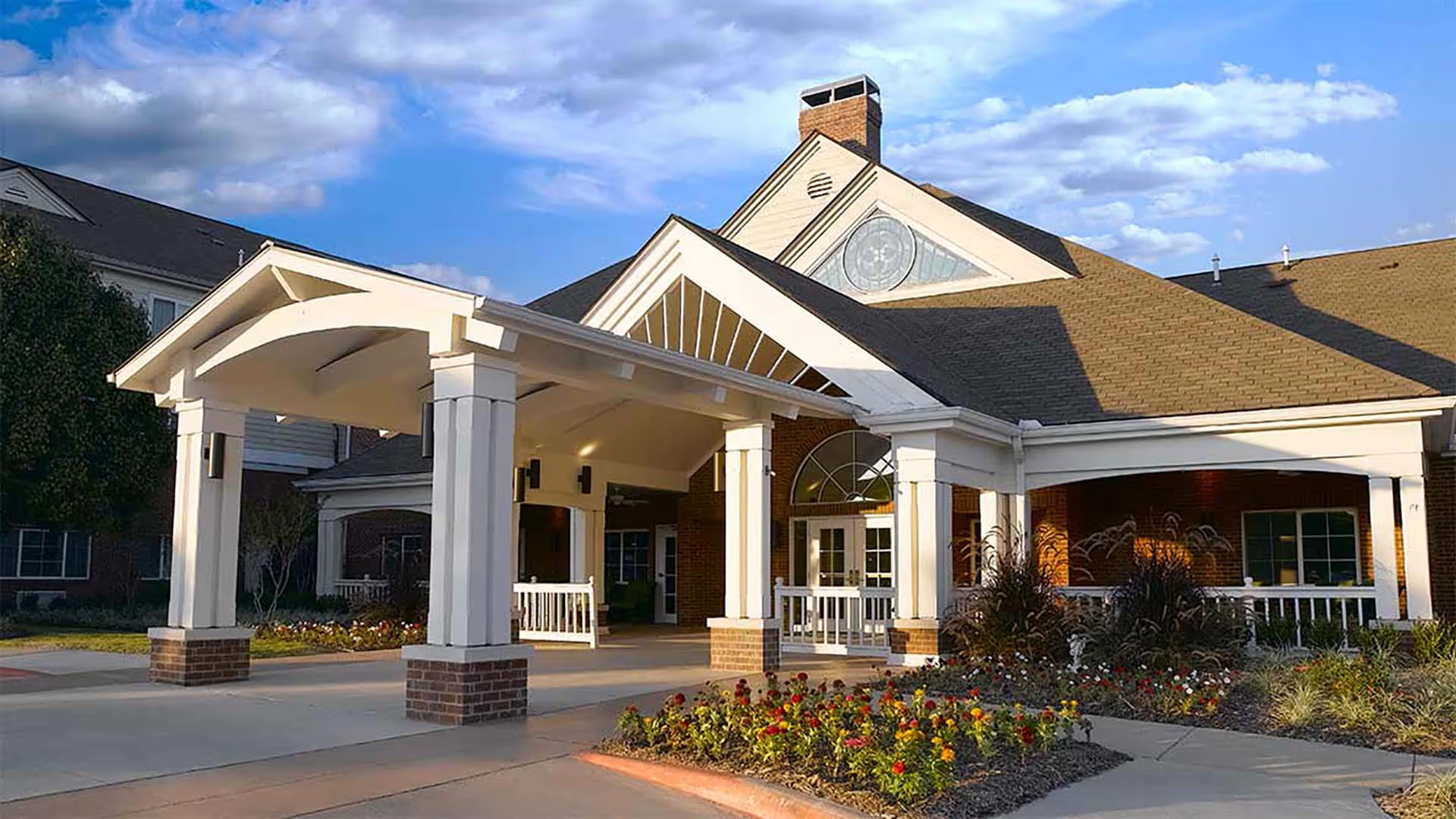
Facilities and sanitation: Many reviewers describe a clean, well-kept environment with secure outdoor spaces, a homelike common area layout, and multiple dedicated activity and visiting spaces. Several reviews note ongoing renovations or an older building aesthetic; these projects may cause intermittent disruption. In contrast, another subset of reviews raises sanitation and incontinence-care concerns and flags infection-control process gaps; these items are operational in nature and should be assessed directly with the facility’s infection-prevention protocols and housekeeping procedures.
Management, administration, and operations: Leadership and front-line management receive mixed feedback. Numerous families praise visible managers, responsive administrators, and clear communication; several administrators and directors are singled out positively. Conversely, there are reviews describing administrative problems such as billing or extra-charge disputes, lost personal laundry, payroll or scheduling issues, and lapses in documentation or follow-through. These operational weaknesses—especially those affecting billing transparency and personal-property handling—should be clarified in advance. A small number of reviews cite ownership or management transitions that contributed to temporary confusion; prospective families should ask about turnover, continuity plans, and recent corrective actions.
Notable patterns and guidance: The overall pattern shows strong programmatic strengths (memory care, activities, dining, and a caring staff culture) alongside recurring operational weaknesses (documentation, infection control, sanitation incontinence care, billing transparency, and variable clinical competence). When evaluating Brookdale Oak Hollow, families should tour the unit, request information about staffing ratios and clinical training (including dementia-specific certifications), review infection-prevention policies and recent inspection or quality reports, ask for sample care-plan communication practices, and obtain written explanations of fees and laundry/property management processes. These targeted questions will help distinguish the facility’s pervasive strengths from the operational issues that some reviewers experienced.