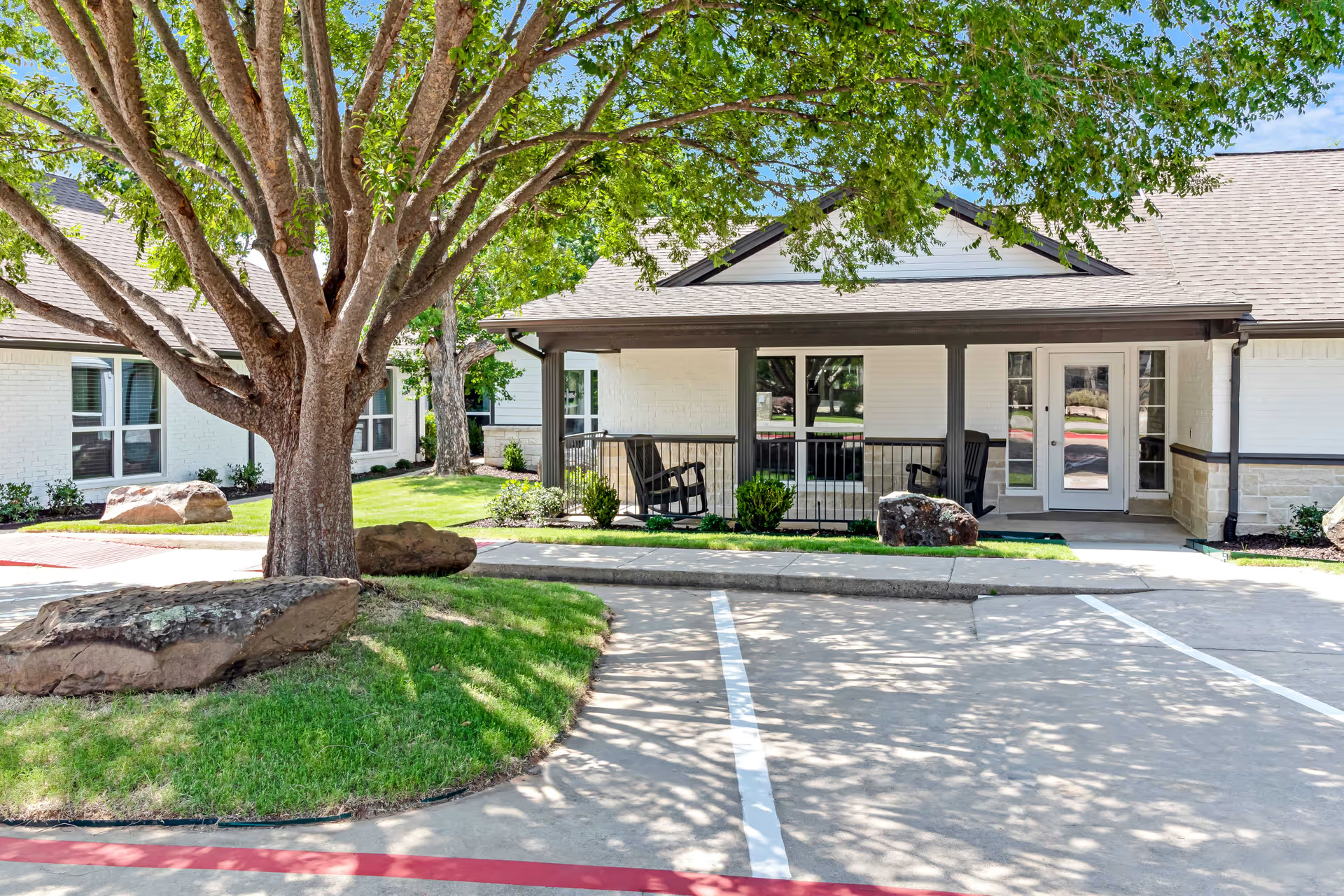
Overall impression: Feedback for Optimal Cares @Home is predominantly positive, with multiple comments highlighting respectful, dignified care delivered in a domestic, non-institutional setting. Families describe the environment as reassuring and liken the atmosphere to a home rather than a hospital, which they find comforting for both residents and visitors.
Care and staff: The strongest theme is staff behavior — described most often as compassionate, attentive, and a significant relief to family caregivers. Caregivers are credited with providing hands-on support and emotional reassurance, and several comments single out staff as a defining strength. At the same time, an isolated negative comment about rude staff and poor service indicates inconsistency in conduct or service delivery; this suggests possible variability in training, supervision, or staffing practices that can affect family experience.
Dining and activities: The provided summaries do not include specific information about dining quality, menu variety, or activity programming. There is no clear evidence either way in the available feedback. Prospective families should request meal samples, menus, and a current activities calendar during a tour to confirm fit with resident preferences.
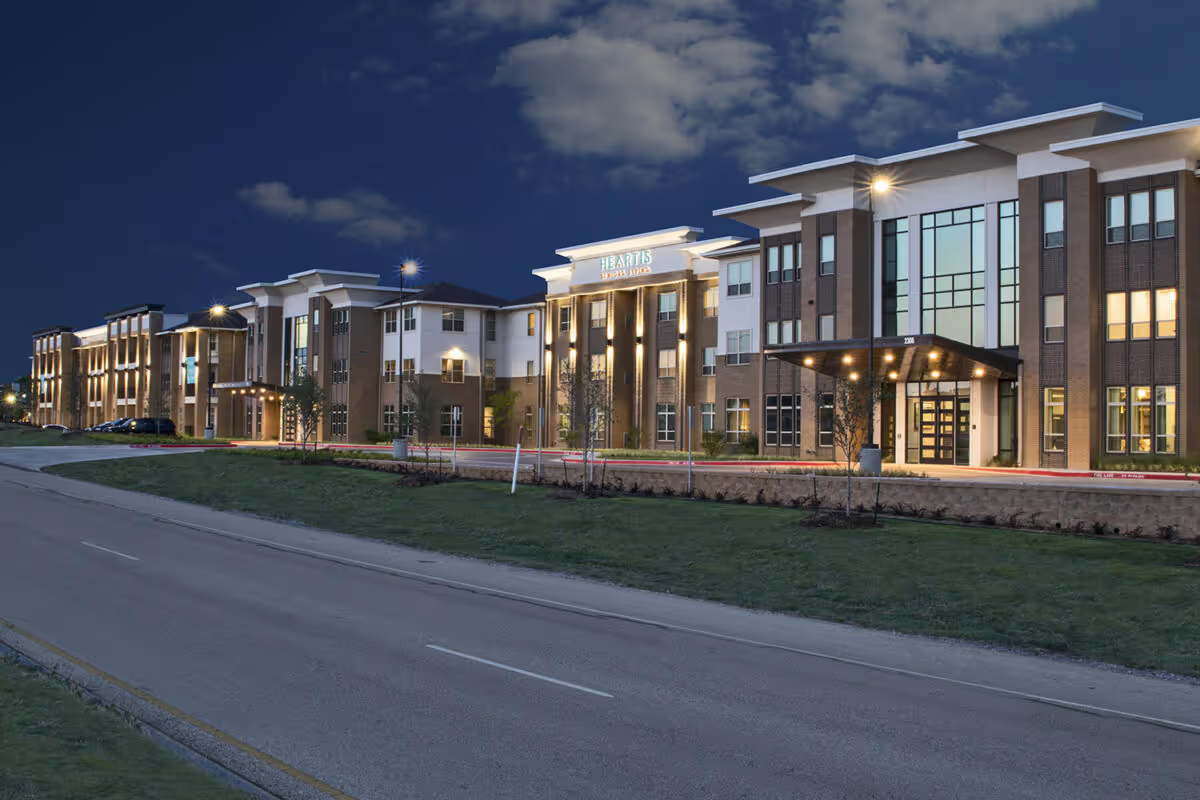
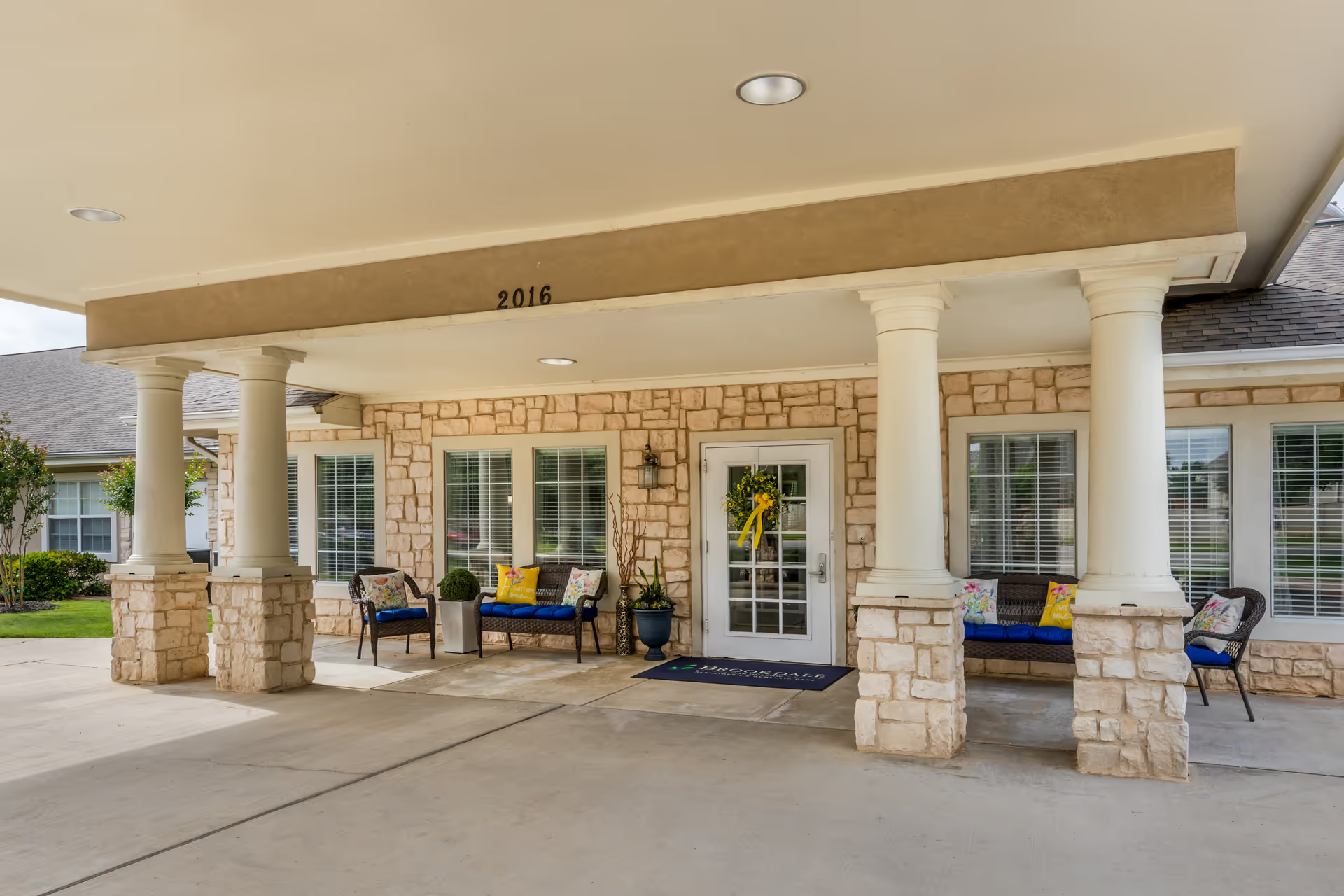
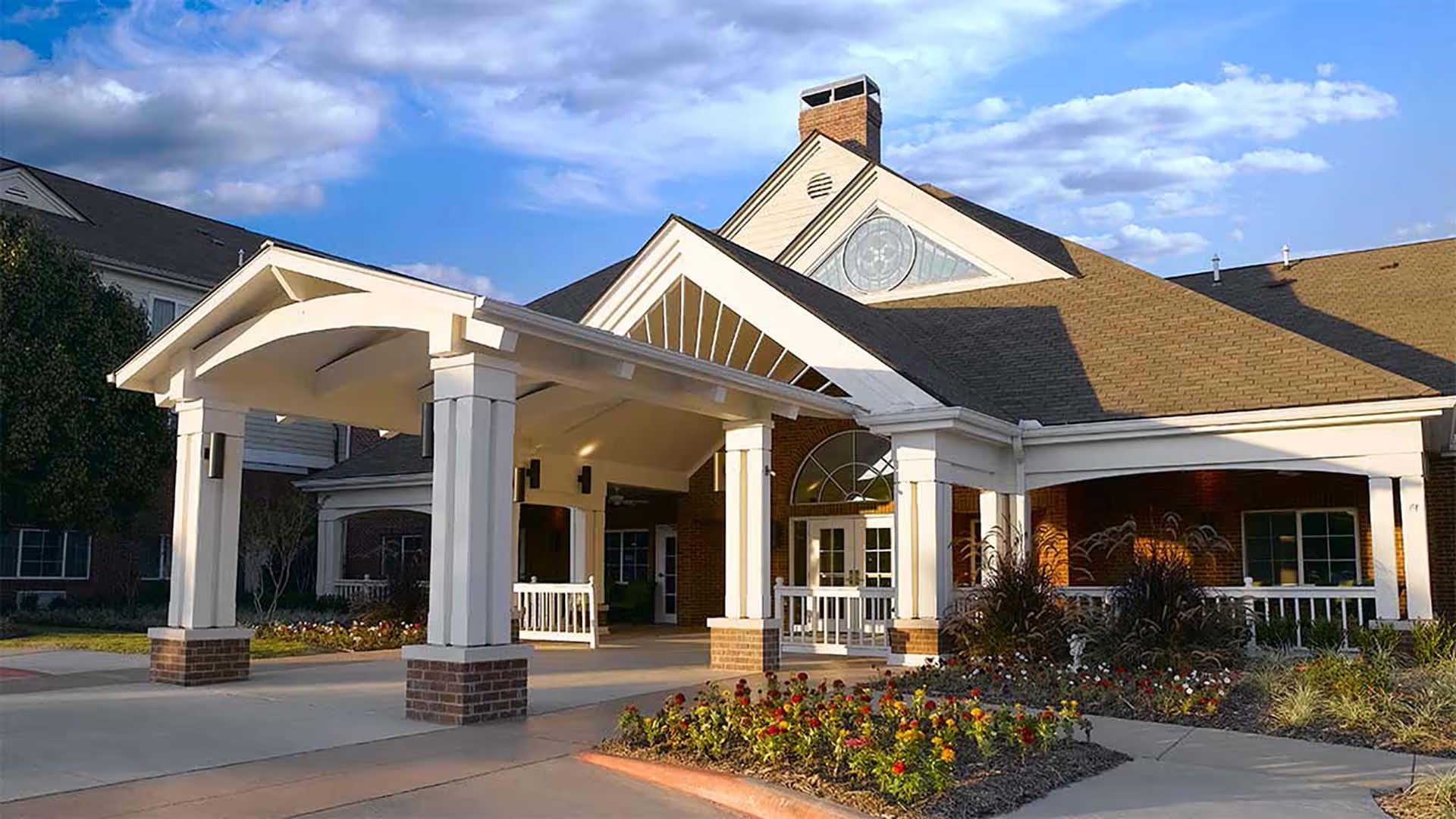
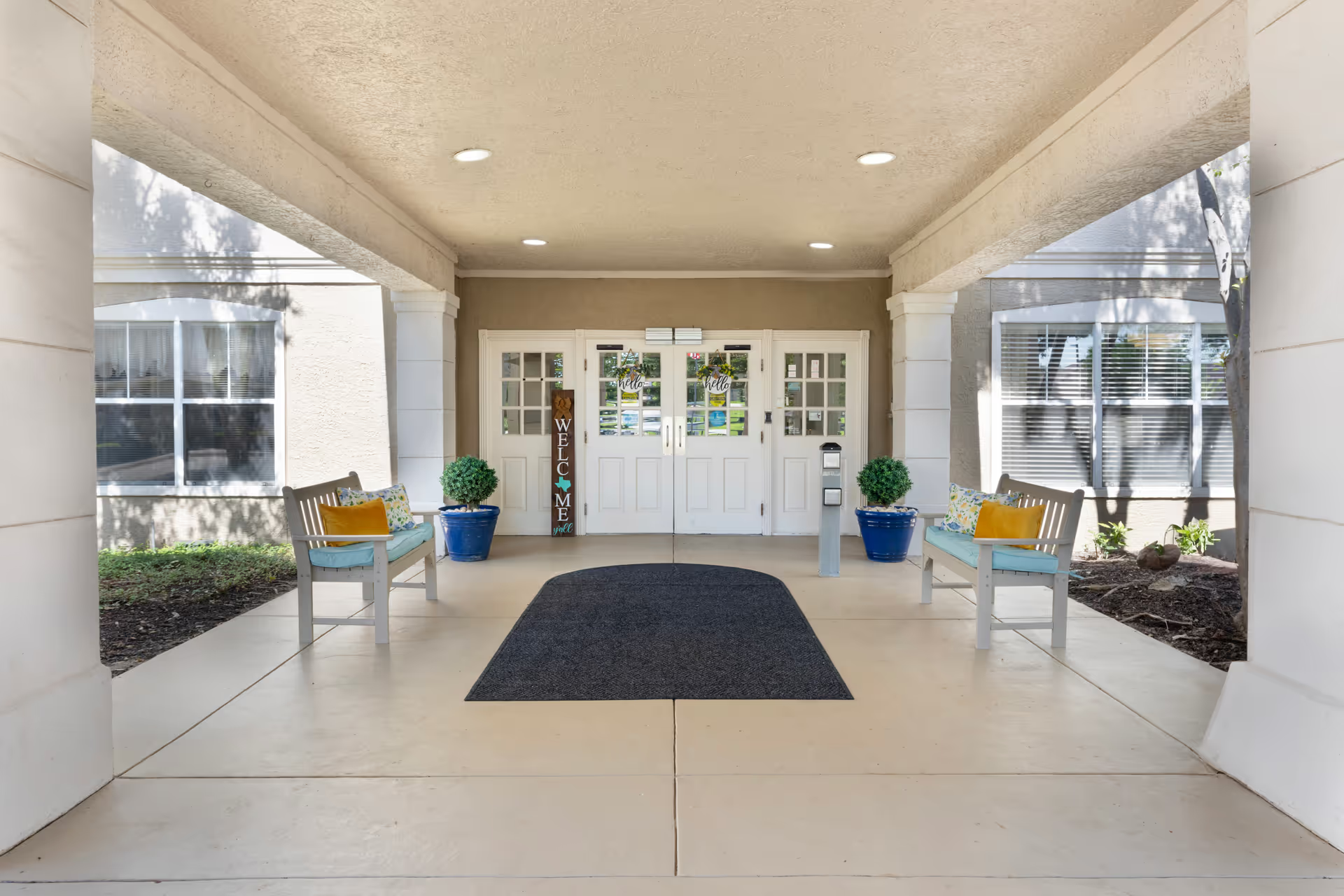
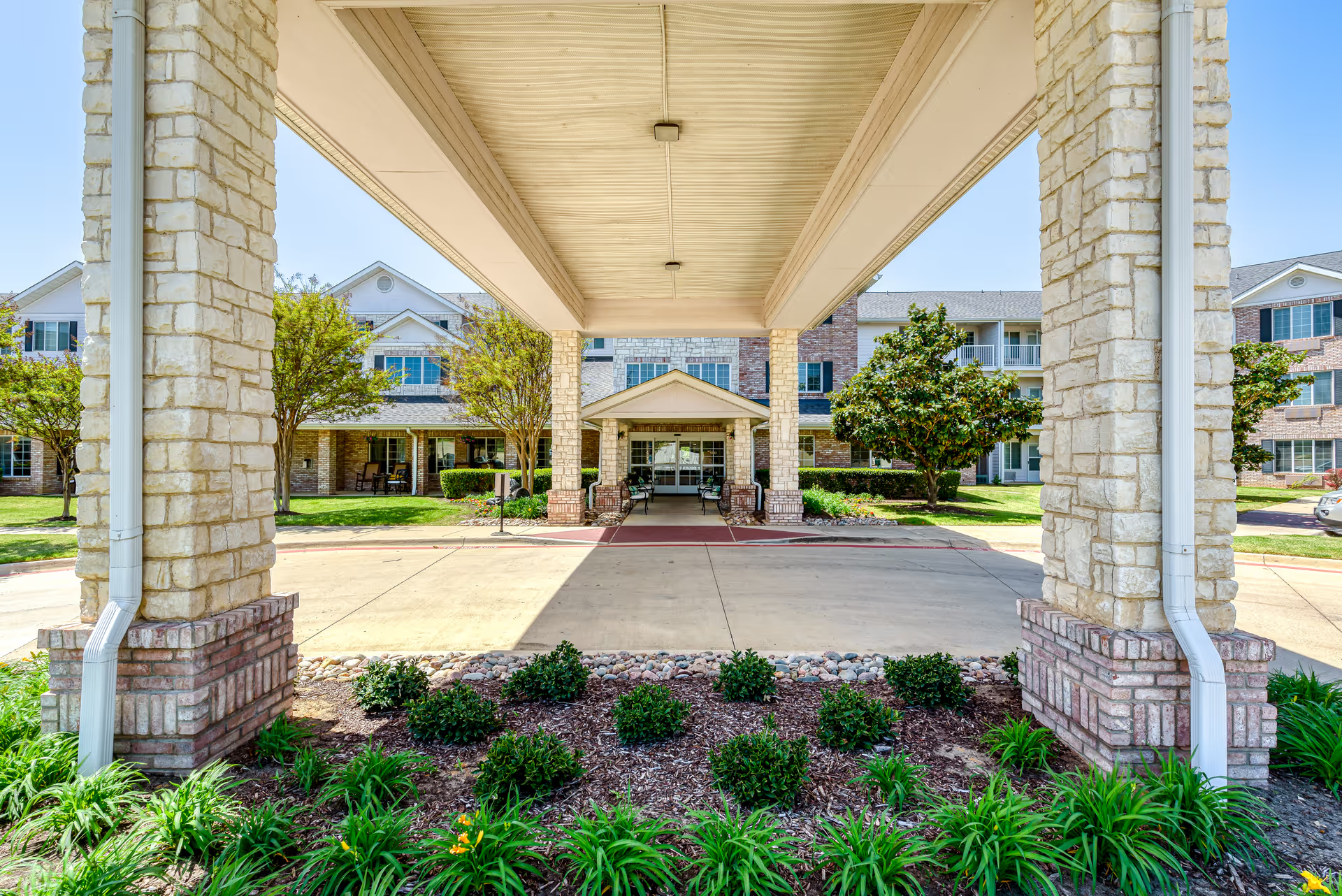
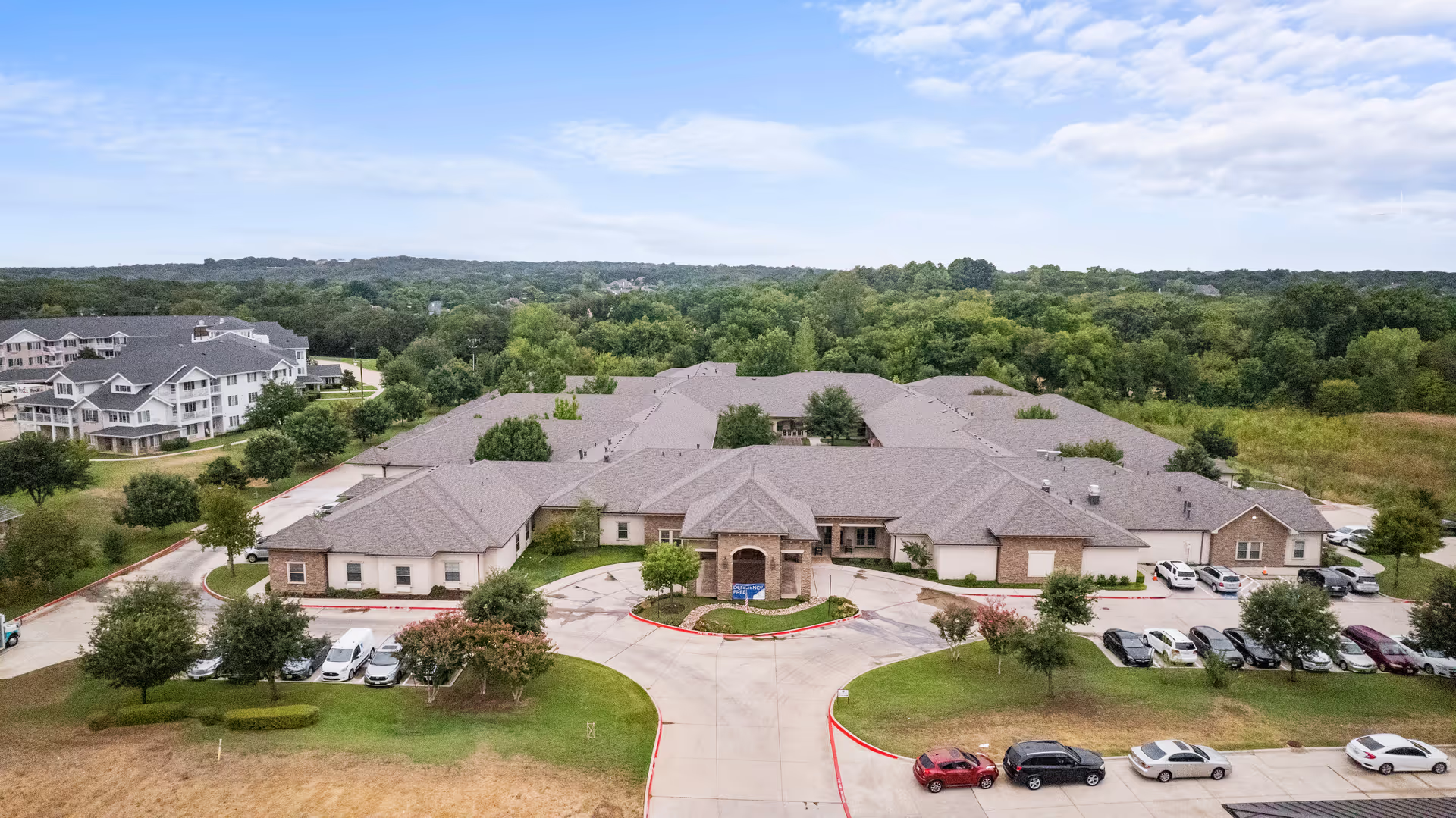
Facilities and management: Facility-level remarks are positive about the physical environment and upkeep; the setting is described as home-like and well-maintained. The Avendale brand and the Euless location receive explicit praise, indicating that some sites within the provider network perform particularly well. However, the existence of both very positive and negative staff-related comments implies unevenness in operational consistency or oversight across locations.
Notable patterns and guidance: The dominant pattern is strong, empathetic caregiving in a comfortable residential setting, which many families find reassuring. The primary risk signal is inconsistent service quality and occasional communication or responsiveness gaps. When evaluating Optimal Cares @Home, visitors should tour the specific community under consideration, speak with direct-care staff and current residents/families about day-to-day routines, and ask management about staff training, supervision, turnover, and communication protocols to assess consistency across shifts and locations.