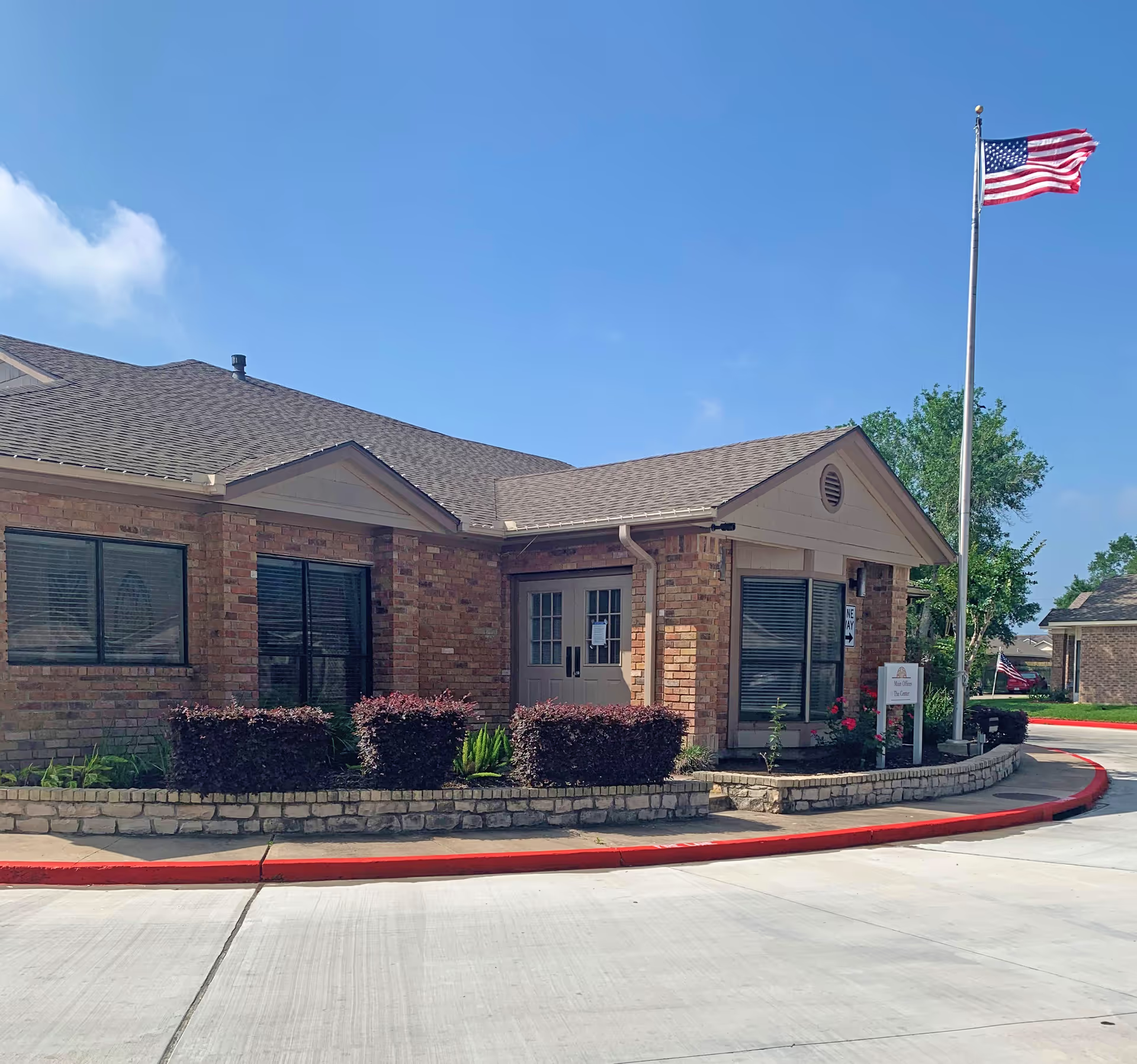
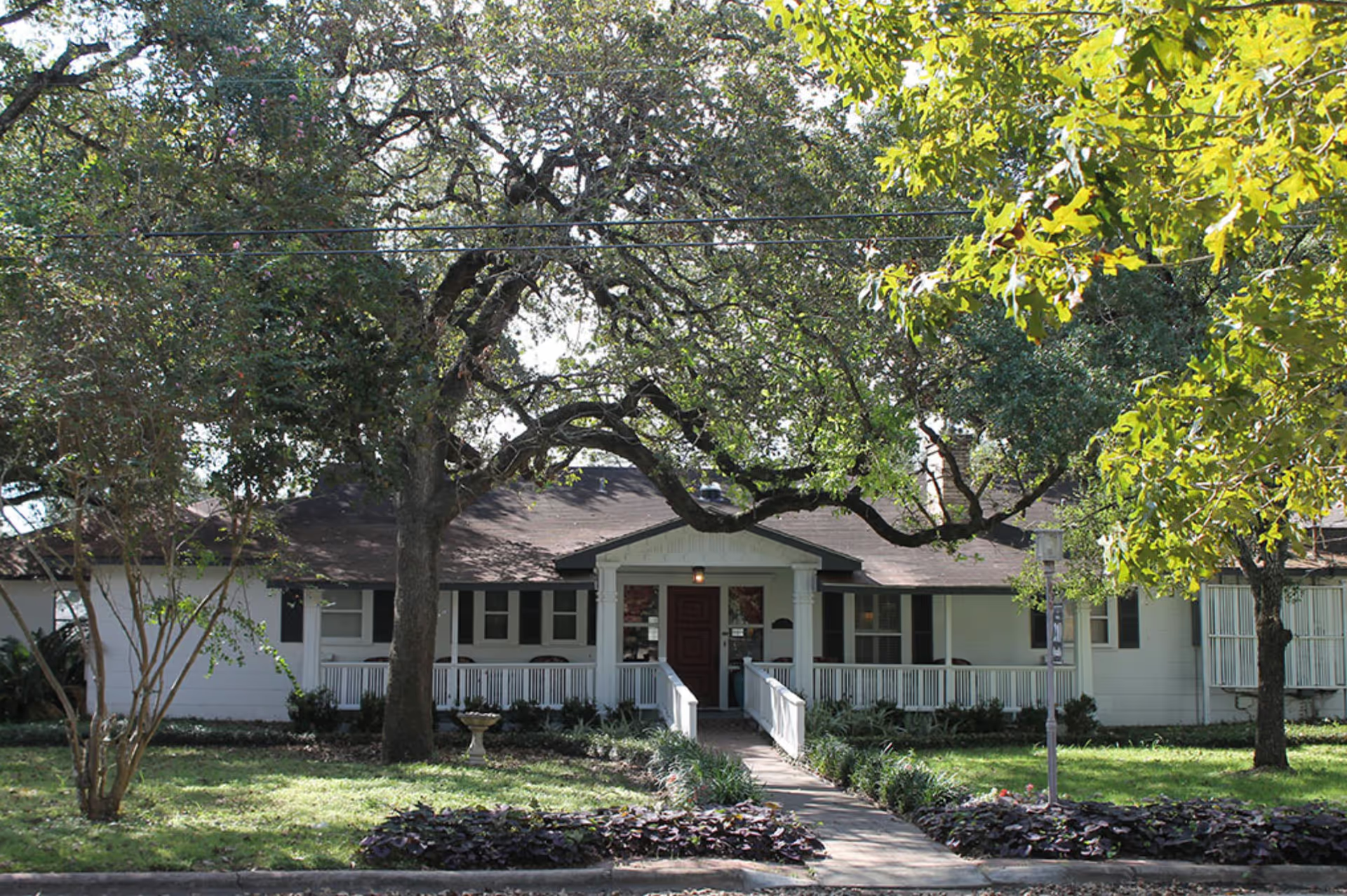
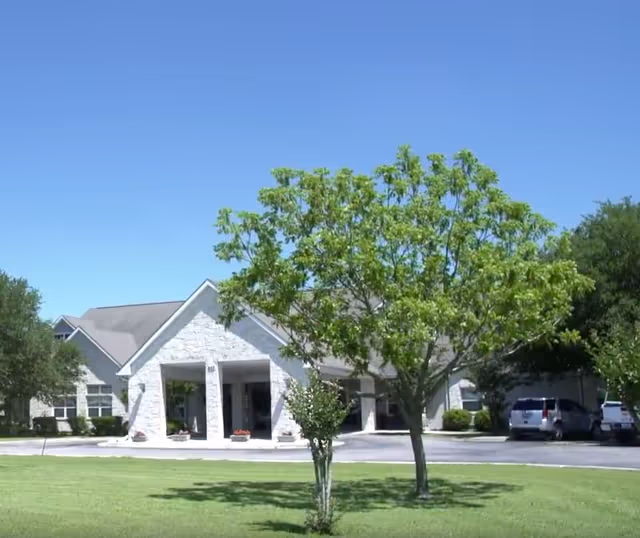
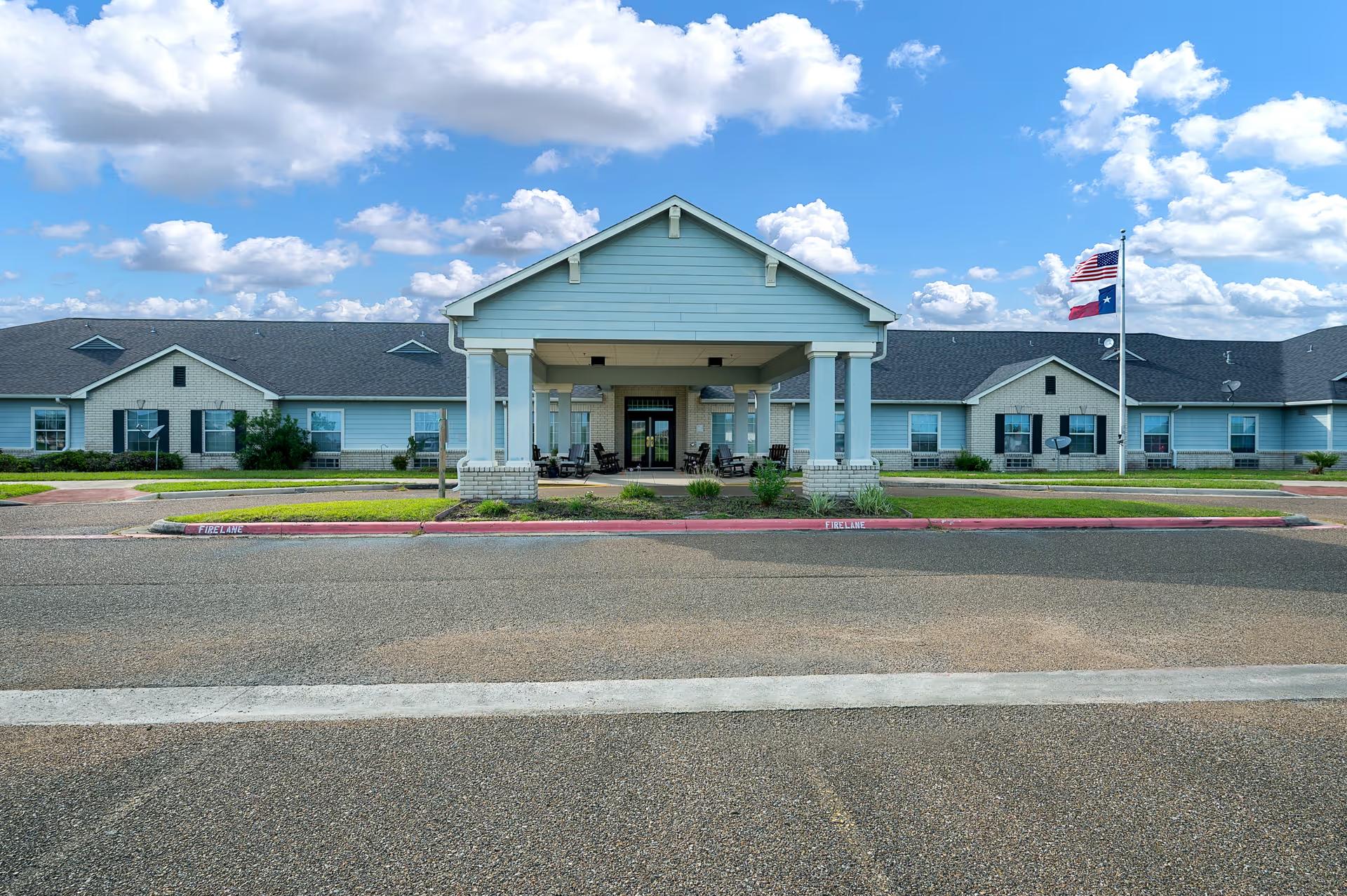
Whispering Oaks Rehab & Nursing presents a mixed but generally positive profile: many family members and residents emphasize strong interpersonal care, a stable workforce, and robust therapy services, while a smaller set of reports describe operational shortcomings that merit attention. The facility is frequently characterized as having a family‑style atmosphere with long‑tenured staff and a resident‑focused culture. Nursing and direct‑care staff are often described as professional, accessible, and willing to go above and beyond, and leadership interactions are reported as clear and supportive in many cases. The presence of an in‑house rehabilitation program and manageable nurse‑to‑patient ratios are recurring strengths that support short‑term recovery and ongoing care needs.
On care and staffing, the dominant pattern is positive: reviewers note dedicated, experienced caregivers, strong department leadership, and staff engagement that contributes to a homelike environment. Activity staff and programming receive particular praise for keeping residents socially engaged and developing friendships; several comments single out the activity leadership for maintaining an active calendar and community outreach. Communication from charge nurses and leadership is cited as effective by numerous families, and the facility’s outreach and volunteer involvement are seen as enhancing residents’ quality of life.
Dining and activities are clear strong points. Multiple accounts describe enjoyable meals and an active social schedule, with residents expressing satisfaction and returning to visit friends. The combination of formal activities, volunteer programming, and a visible activity director contributes to a positive social atmosphere that families frequently note as improving residents’ mood and engagement.
Facilities-related feedback is more mixed. Many reviewers describe clean, well‑maintained common areas and note the facility’s convenient location near medical services. However, a subset of comments raises sanitation and pest‑control inconsistencies at the room level, along with intermittent room‑maintenance problems. These reports suggest variability in environmental upkeep between units or shifts rather than a uniformly maintained facility.
Management and operational patterns show both strengths and weaknesses. Leadership and admissions processes are described as straightforward and communicative in several accounts, with staff demonstrating family support during transitions. Conversely, concerns appear around billing communication and financial disputes, front‑desk responsiveness, and privacy management—particularly in sensitive situations such as hospice or end‑of‑life care. A few reports describe shortcomings in hospice coordination and roommate/room assignment practices that affected privacy; these should be explored during visits or care planning discussions.
In sum, Whispering Oaks offers a residentially oriented environment with strong therapy services, engaged activities, and a committed caregiving staff. Prospective residents and families should weigh those strengths against reports of inconsistent room‑level cleanliness, occasional responsiveness gaps, and administrative issues such as billing and privacy management. When evaluating the facility, families may wish to tour resident rooms, ask about housekeeping and pest‑control protocols, review hospice and roommate policies, and discuss billing procedures to confirm current practices and controls.