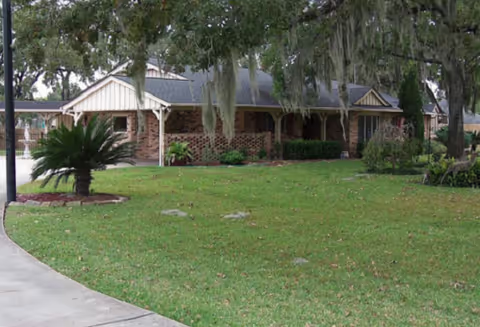
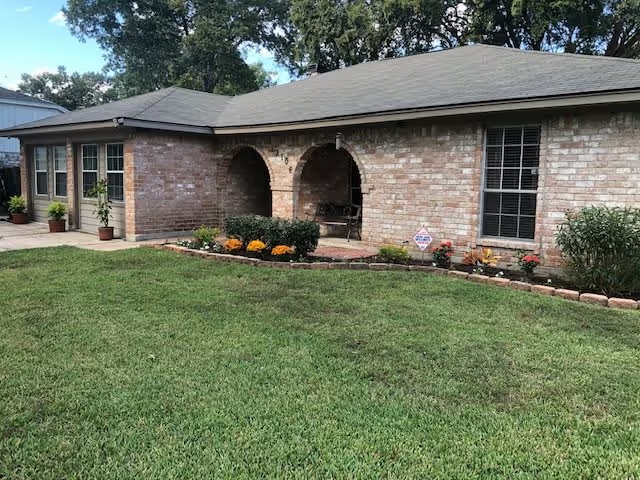
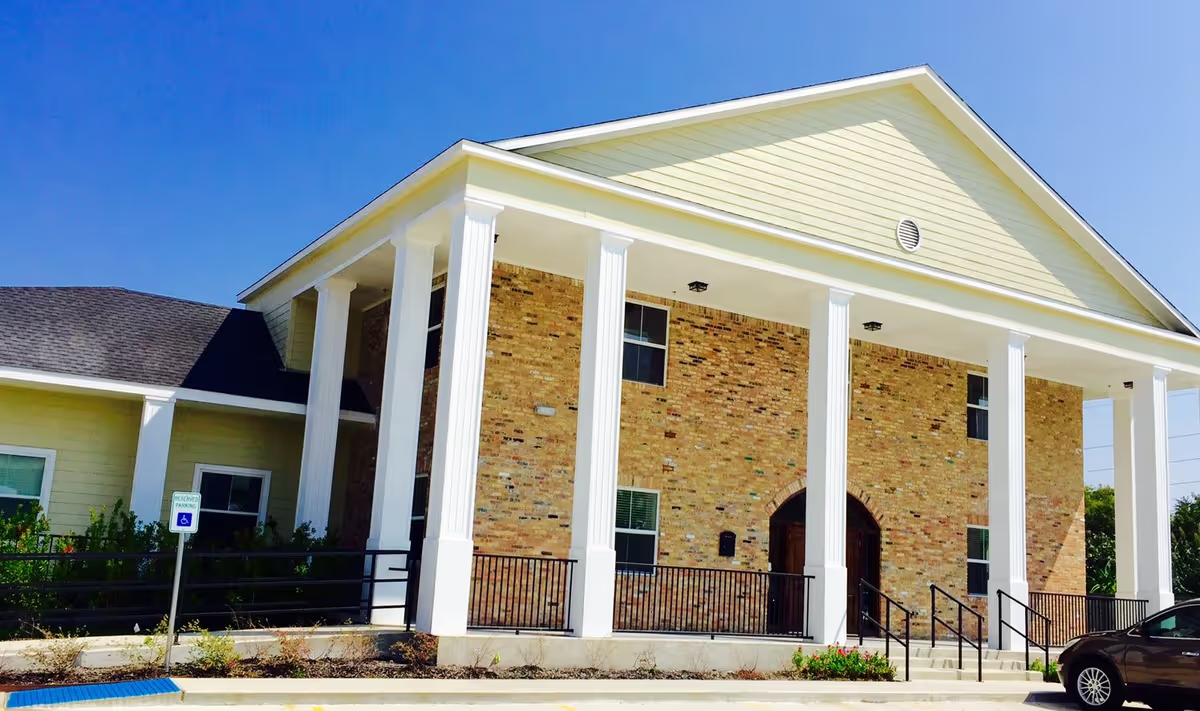
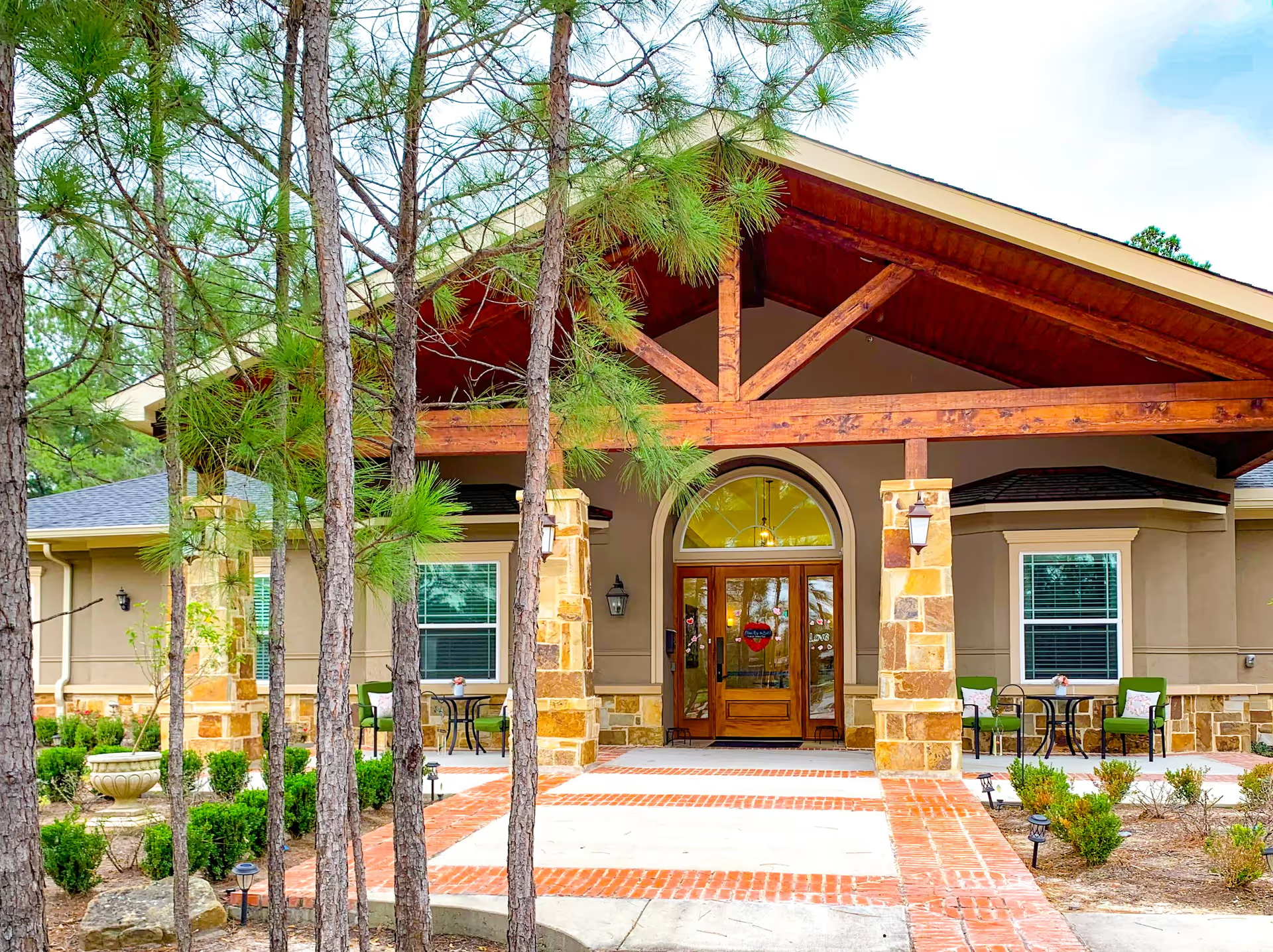
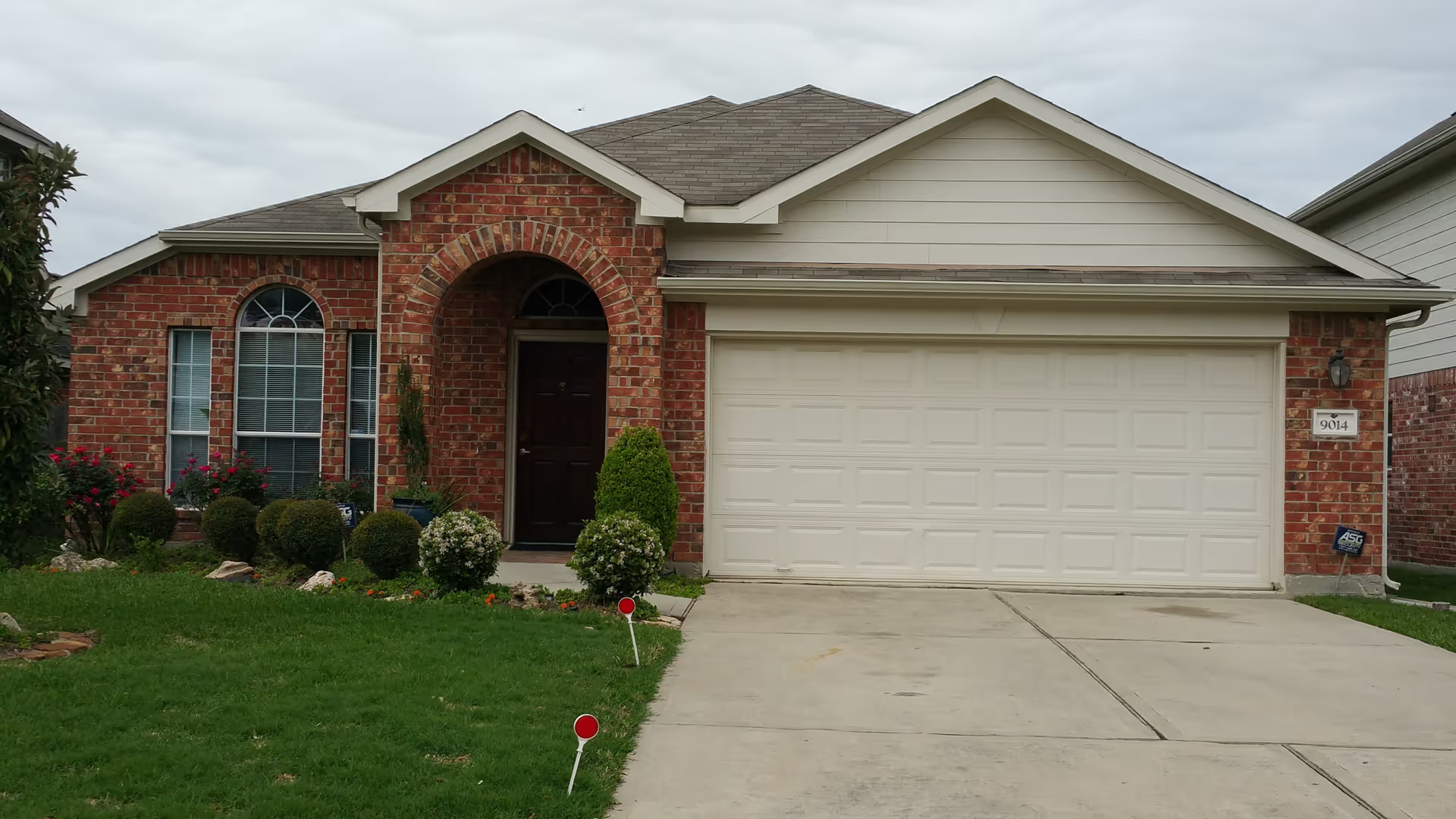
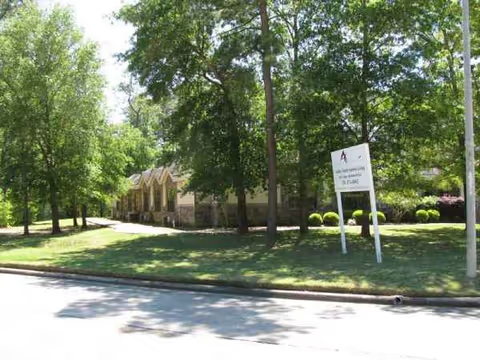
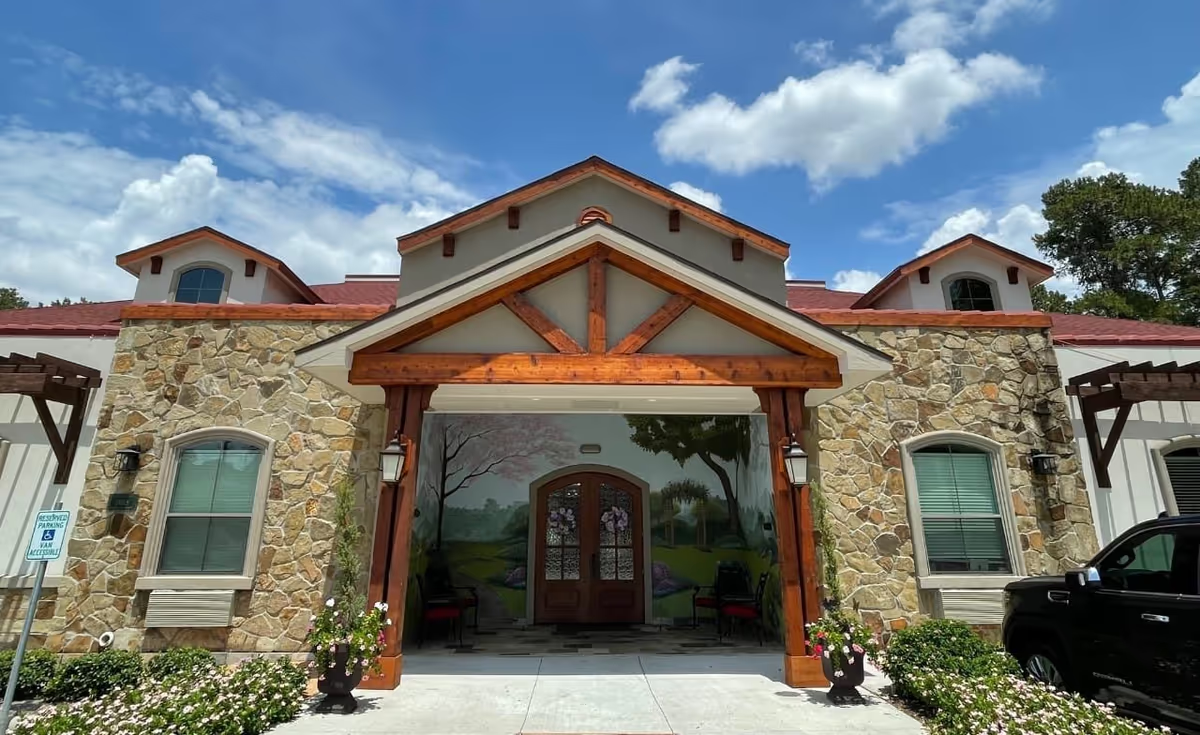
Cypress Assisted Living is consistently described as a small, homelike residence with attractive landscaping and clean, well-maintained interiors. Many accounts highlight a warm, family-style culture: owners who are visible and engaged, caregivers who present as attentive and invested, and communal dining that supports social interaction. Food service receives frequent praise for home-cooked and chef-prepared meals offered with a healthy variety. The facility’s size and layout are often cited as strengths for families seeking a more intimate environment and individualized attention.
Care quality is characterized by both strong positives and notable concerns. Numerous families describe attentive, compassionate caregiving and substantial improvement in residents’ well-being after moving in. At the same time, reviews raise operational concerns about medication practices, documentation, and continuity of care—items that can materially affect clinical outcomes. Several accounts specifically point to medication-administration inconsistencies and questions about how medications are explained to families. Related clinical concerns include delays in responding to incontinence needs and gaps in skin/wound monitoring. These are best interpreted as process and oversight weaknesses rather than uniform practice across the entire facility.
Staffing and communication show a similar mixed pattern. Many reviewers praise a welcoming, family-like staff culture and single-point interactions with consistent caregivers. However, others note variability in staff responsiveness, occasional abruptness in communication tone, and periods of limited availability (including short staffing or scheduling gaps). Family communication and incident reporting are an area of divergence: some families report timely follow-up from management, while others report poor notification, limited follow-through on incidents, and frustration over regulatory follow-up. There is at least one serious allegation of staff misconduct that families escalated to regulators; this underscores the importance of clarifying the facility’s incident-reporting and remediation protocols before admitting a loved one.
Activities and programming are another area of mixed feedback. The home-style environment and shared meals provide social opportunities and informal engagement that many families value. At the same time, several reviewers would like more structured, varied activities and noted plans to expand the activity program. Prospective residents who prioritize a robust schedule of events should ask about current staffing for activities and any plans to hire dedicated activity personnel.
Management and administrative concerns concentrate on contract terms, fees, and admission processes. Positive notes include active owner involvement and examples of responsive leadership. Contrastingly, other families describe confusion around community fees, nonrefundable or unclear refund policies, and inconsistent tour/admission coordination. A few reviewers experienced difficulty arranging tours or receiving timely follow-up, which points to occasional operational disorganization during intake.
Recommendation for prospective families: visit the home, request written medication and incident-reporting policies, review sample contract language (including community fees and refund terms), ask about staffing ratios and night/weekend coverage, and request recent inspection or compliance history. If clinical needs include complex medication regimens, wound care, or frequent toileting assistance, seek specific examples of protocols and staff training in those areas. Cypress offers many attributes that appeal to families seeking a small, caring residence with home-style dining and engaged ownership, but the facility would benefit from clearer administrative processes and strengthened clinical oversight in a few areas.