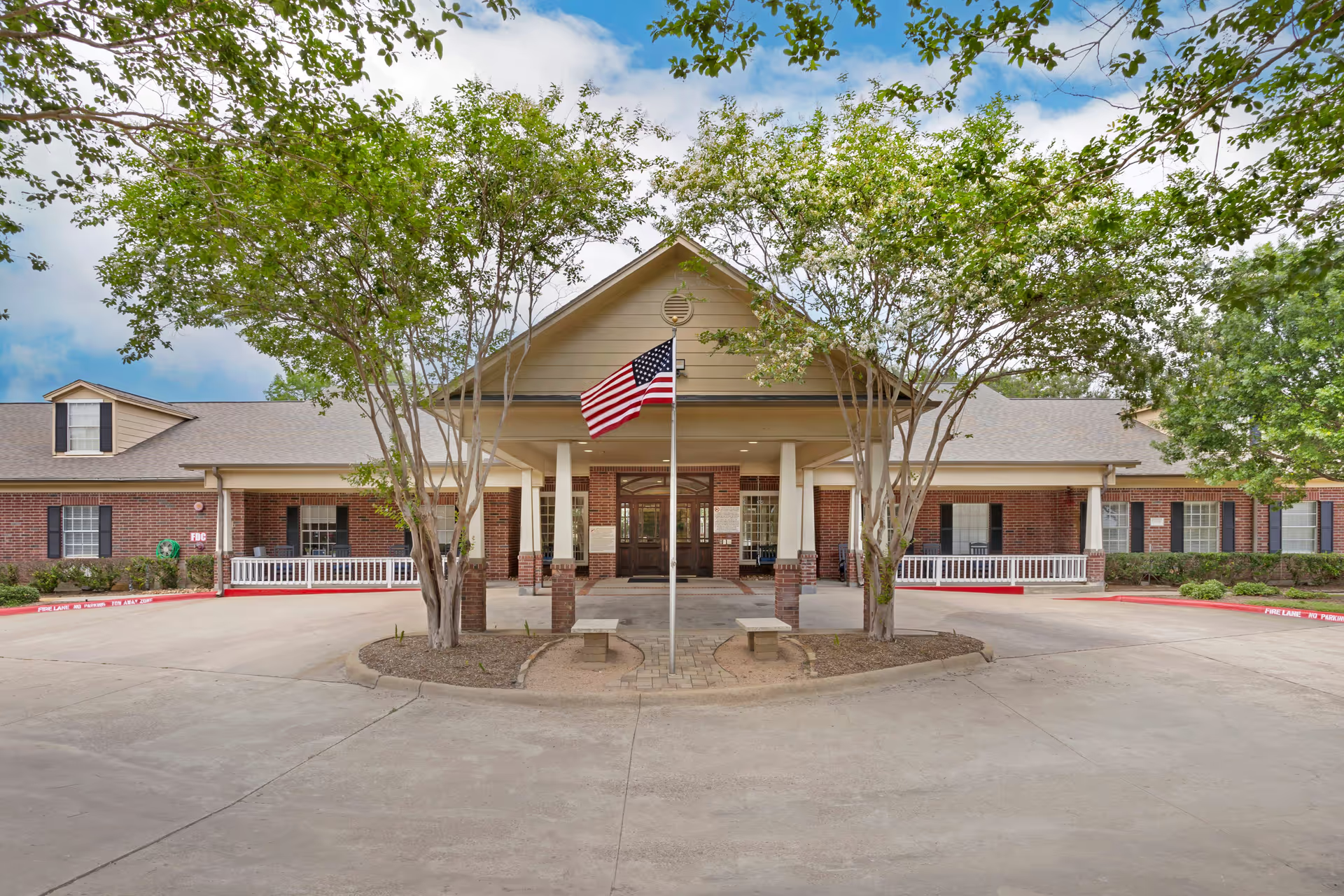
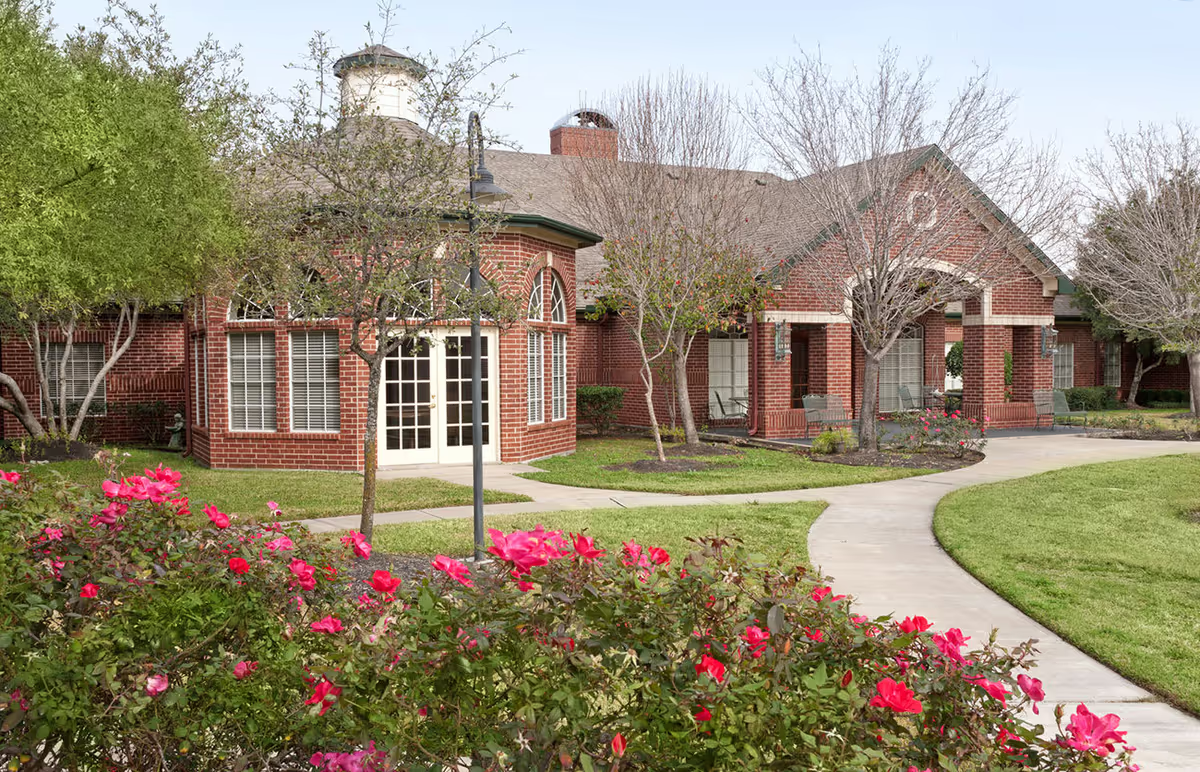
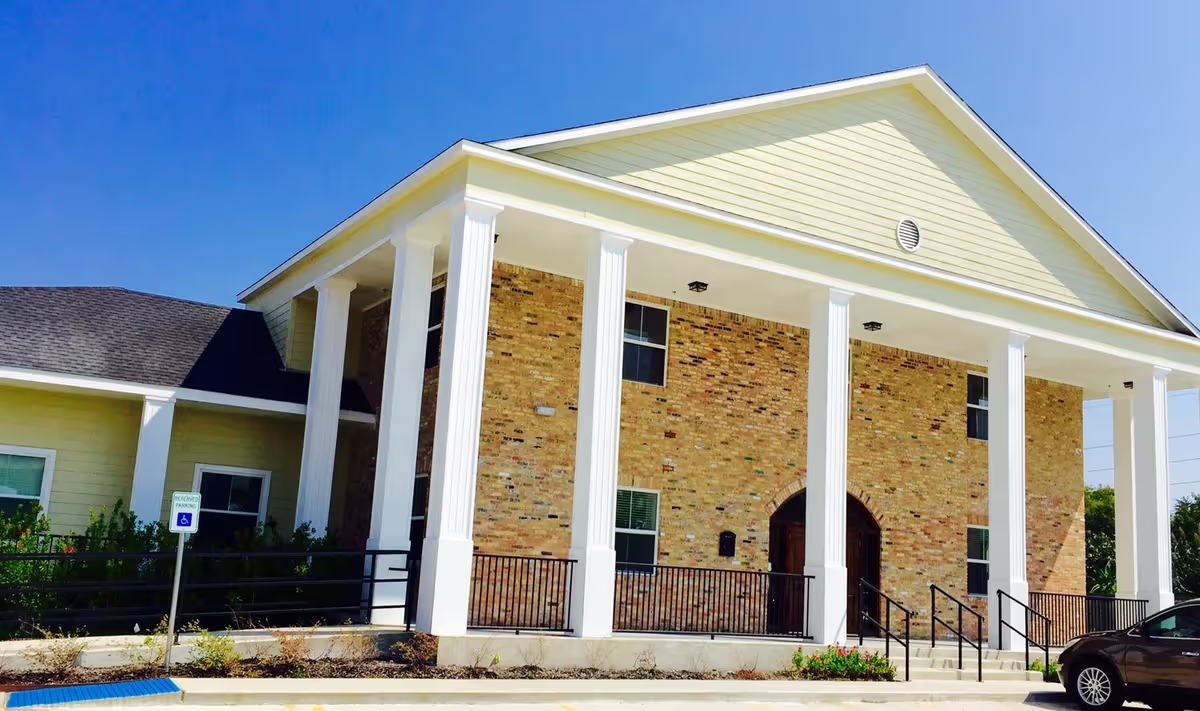
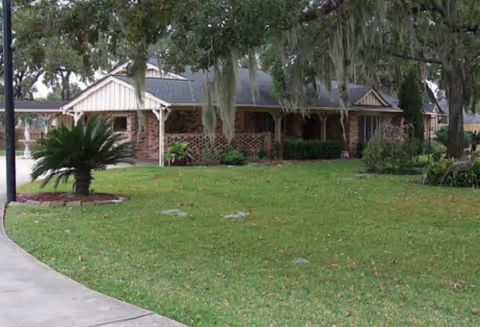
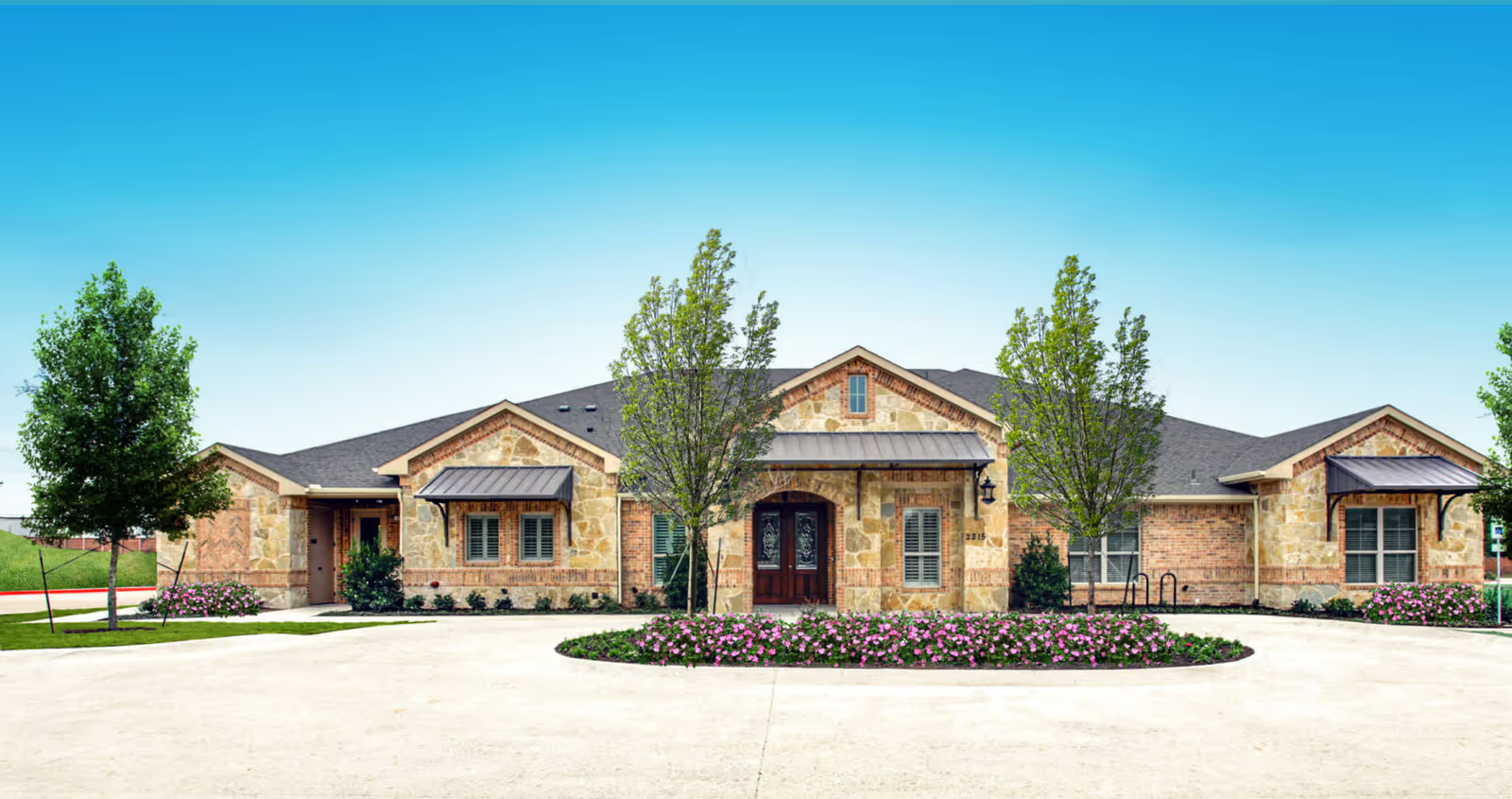
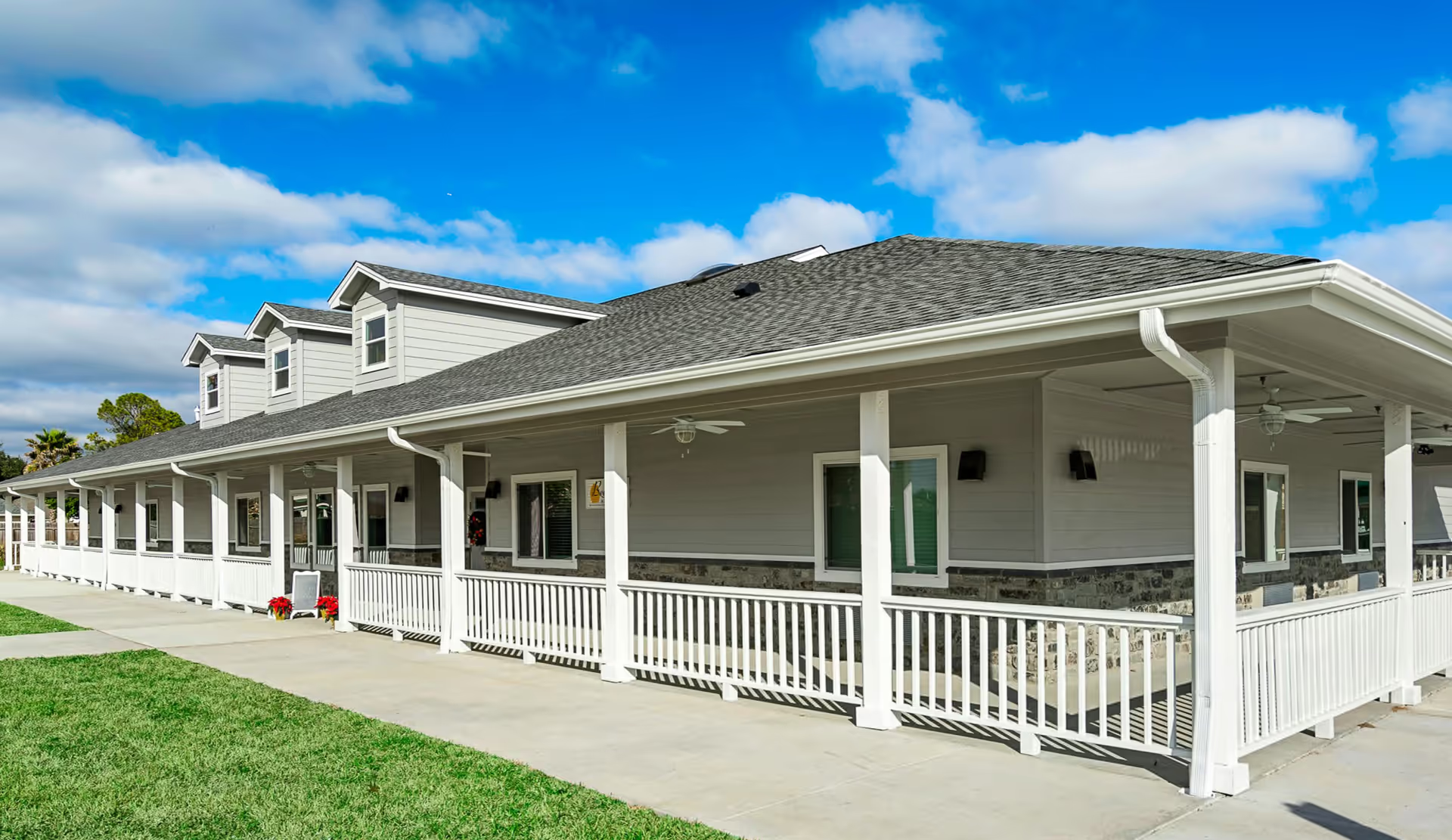
Morada Cy‑Fair presents a mixed but actionable profile. Many families and visitors describe a warm, social atmosphere supported by caregiving staff who are compassionate and personable. Reviewers consistently praise specific employees and leadership figures for responsiveness, and they cite robust social programming, outings with provided transportation, on‑site salon services, and family gathering spaces as strengths. The campus offers multiple levels of care on one site and contains well‑kept grounds, roomy one‑bedroom apartments, and routine housekeeping and laundry services for residents.
Care and staffing show a bifurcated pattern. When staffing is stable, caregivers are described as attentive, proactive, and good at personalizing care; on‑site clinical resources and hospice coordination are available and have been helpful in transitions and end‑of‑life situations. However, reviewers also describe periods of understaffing and high turnover that correlate with slower nurse response times, medication administration delays, inconsistent follow‑up, and gaps in monitoring—particularly in higher‑need memory‑care units. A few accounts raise concern about wound recognition and timeliness of clinical escalation, indicating a need to confirm clinical protocols and staffing ratios for higher acuity residents.
Dining and activities are generally positives but uneven in execution. Many residents enjoy the meals, variety, and desserts, and the activities program is active with exercise classes, piano/birthday events, and off‑campus excursions. At the same time, multiple comments point to inconsistent food quality, occasional small portions or cold meals, and variability in service timing. Activity participation is lively for some residents but low for others; reviewers suggest staff encouragement and programming variety differ between shifts and teams.
Facility amenities and housekeeping receive frequent praise for cleanliness, attractive common areas, and helpful amenities such as an on‑site chef option and salon. Nevertheless, sanitation and odor concerns are noted in certain care areas, and housekeeping and laundry follow‑through are described as inconsistent in some households. The campus layout—where independent living units are physically separated from the main dining and assisted‑living areas—can create accessibility challenges for residents who expect closer integration of services.
Management and administration present a core area for scrutiny. An ownership transition and leadership turnover were associated with billing errors, unclear auxiliary charges, and communication lapses; reviewers describe unexpected fees, deposit and community charges, and the potential for annual rent adjustments. Admissions‑related pressure to accept add‑on services and unclear documentation around levels of care and pricing were also raised. At the same time, some directors and managers receive strong praise for navigating benefits, communicating effectively, and addressing family concerns, indicating variability in administrative responsiveness across staff.
Notable patterns to weigh when evaluating Morada Cy‑Fair: staffing stability is a primary driver of resident experience; billing and fee transparency require careful review before signing; and memory‑care supervision, sanitation controls, and clinical escalation protocols should be confirmed for residents with higher medical needs. Prospective residents and families would benefit from in‑person observation of memory‑care common areas, direct questions about staff‑to‑resident ratios at relevant care levels and times of day, written clarification of all fees and potential rent adjustments, and verification of medication and wound‑care protocols prior to move‑in.