Windermere Estates presents a bifurcated picture: many families and residents describe a warm, active, and well-supported community, while a subset raise significant operational concerns that prospective families should evaluate carefully.
Care and clinical support: Numerous reviewers praised compassionate, resident-centered caregiving and described responsive medical and therapy services, including on-site clinicians and effective transition support after hospitalization. At the same time, reviewers flagged inconsistent staffing levels, occasional shortages (particularly on weekends and after hours), and variability in medication and clinical-management practices. These indicate that clinical reliability may depend on staffing on a given shift; families should ask about current nurse-to-resident ratios, weekend coverage, and escalation processes during a tour.
Staff and management: Staff members are frequently described as kind, attentive, and willing to go above and beyond; several family comments singled out front-line caregivers, activity staff, and culinary team members for praise. Leadership changes have been notable in recent years: some reviewers mention positive, hands-on executive leadership that improved morale and programs, while others describe turnover, disciplinary gaps, and concerns about how serious personnel issues have been handled. There are also allegations of administrative and personnel misconduct (including billing disputes and alleged theft) that suggest variability in how management addresses complaints and enforces policies.
Dining and kitchen practices: Many reviews highlight high-quality, restaurant-style meals and chefs who personalize choices. Conversely, others cite inconsistent food quality, smaller portion sizes, new or additional meal fees, and in some accounts, weaknesses in kitchen food-safety processes and sanitation controls. Because dining is a frequent source of both satisfaction and complaint, ask for sample menus, portion expectations, fee schedules, and evidence of kitchen food-safety protocols during a visit.
Activities and social life: Activity programming is a clear strength for many residents: reviewers repeatedly note a variety of clubs, outings, classes, and resident-led groups that contribute to an engaged, social atmosphere. Activity leadership is often described as energetic and creative; however, continuity of programming can be affected when activity staff leave, so inquire about staff continuity and typical weekly schedules.
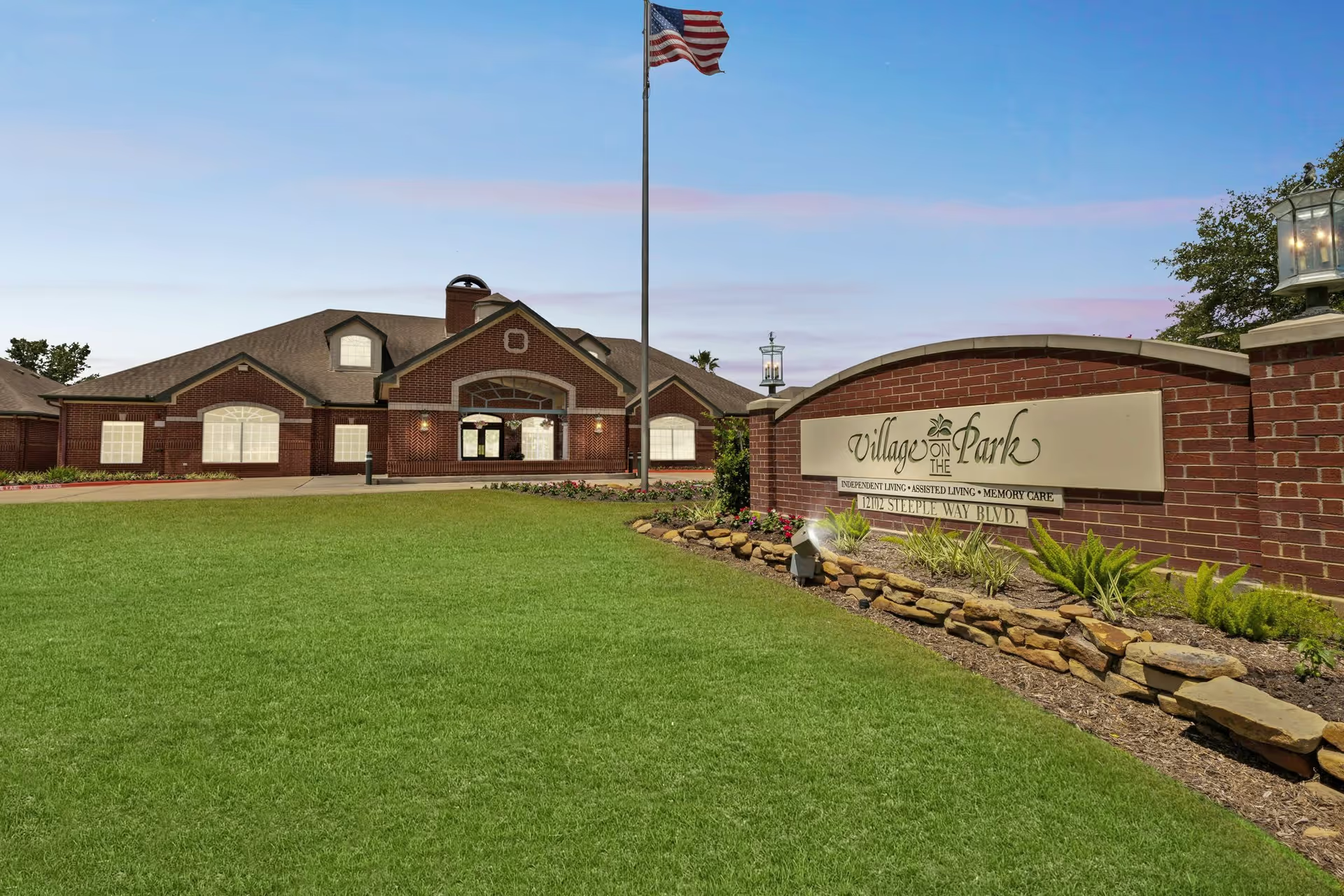
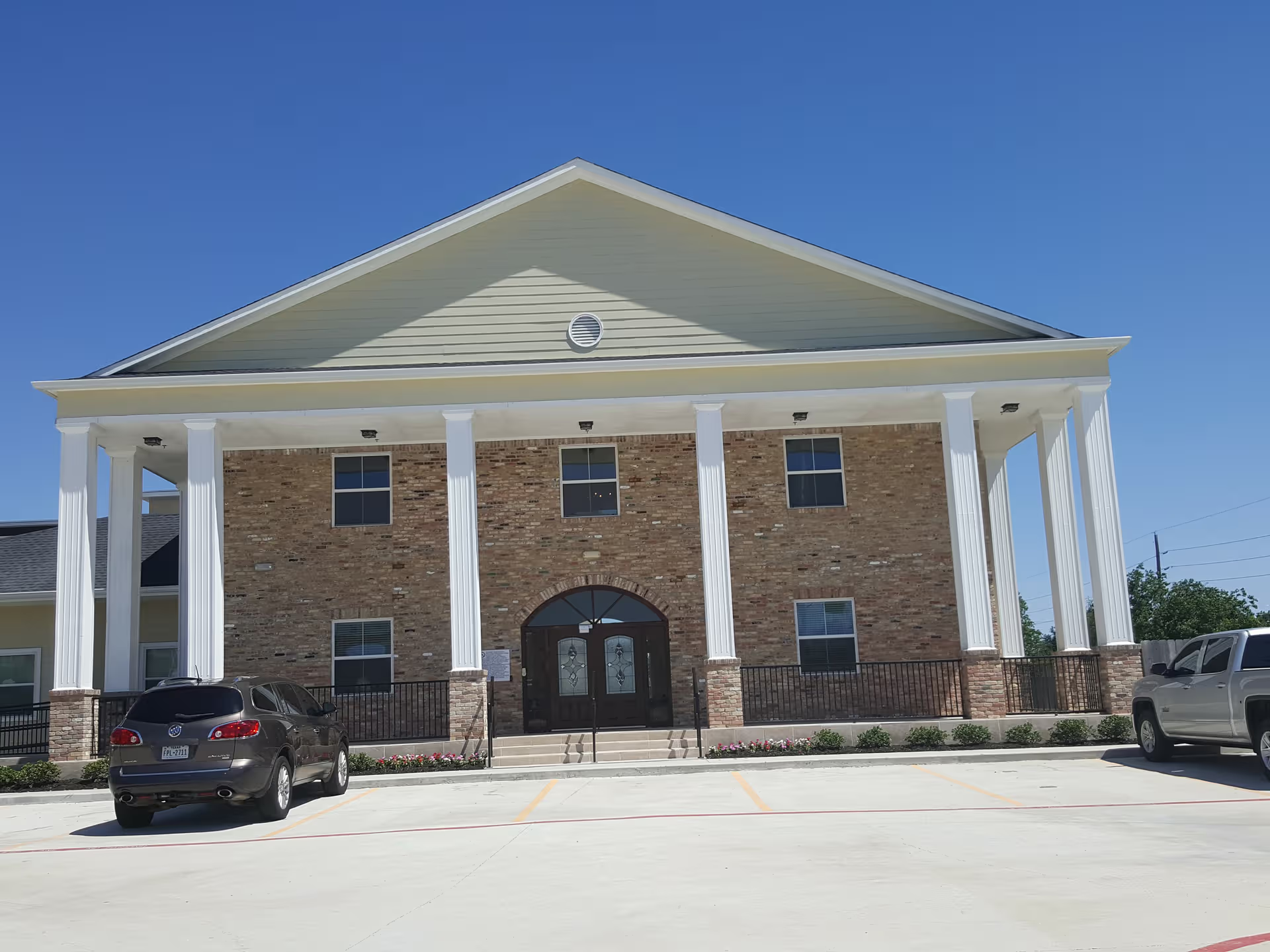
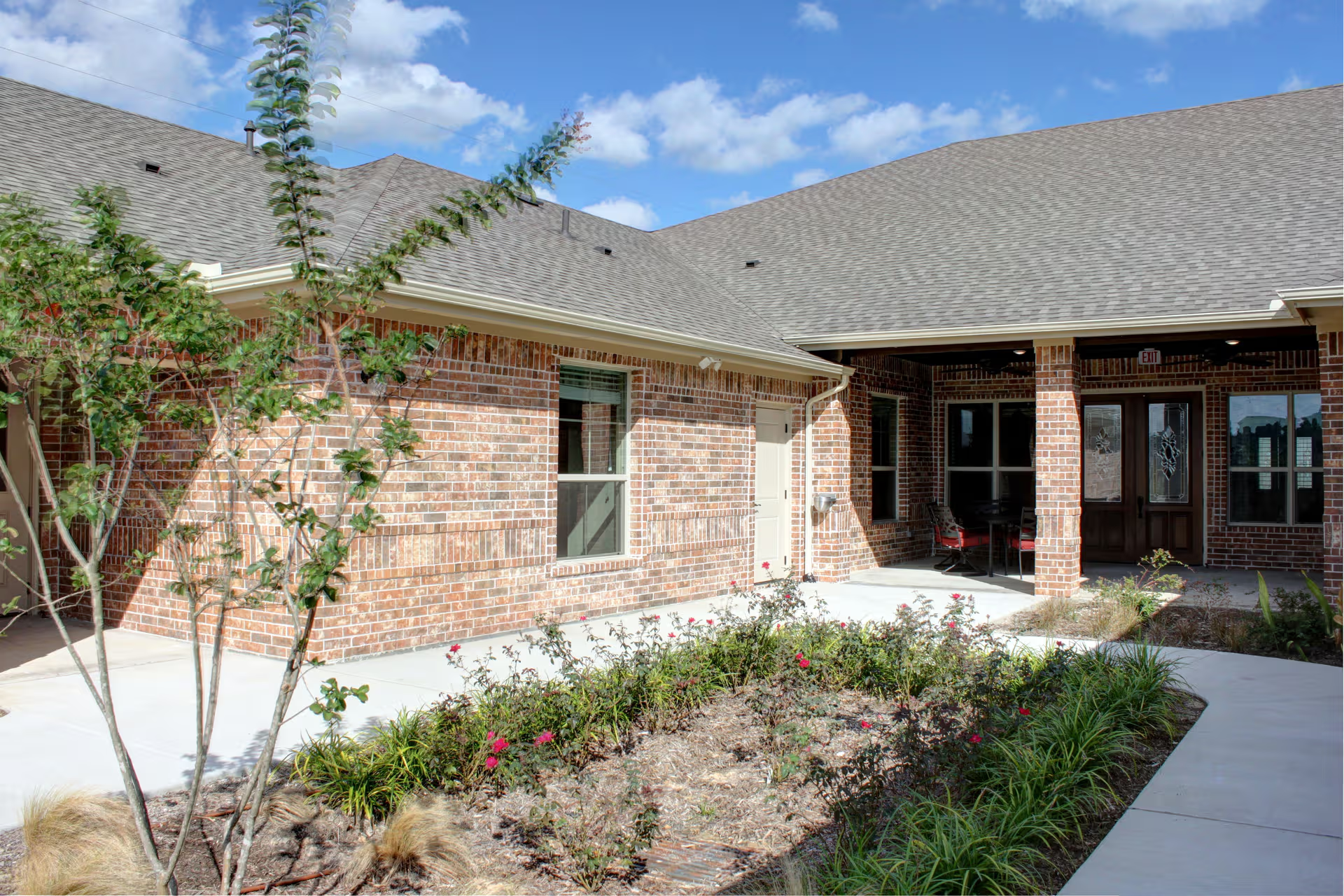
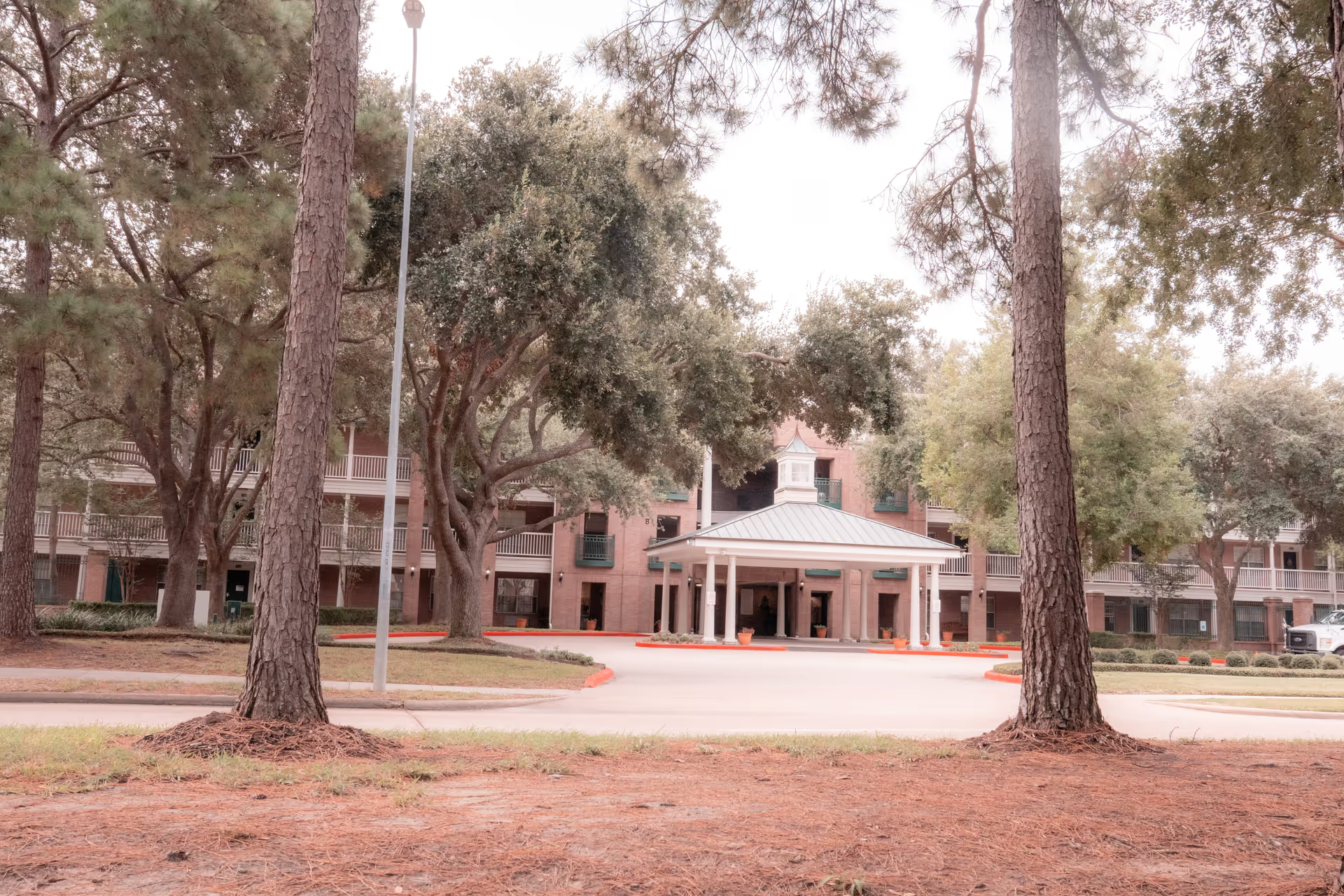
Facilities and upkeep: The campus includes many freshly painted, bright, and recently renovated areas with accessible layouts, single-floor options, and pleasant common spaces. At the same time, reviewers describe uneven maintenance across units—some areas feel dated and storage or room size can be limiting. There are also a number of pest-control concerns reported for some units, which should be clarified with management and reviewed in any inspection or tour.
Notable patterns and practical guidance: Overall impressions range from highly enthusiastic to sharply critical, producing a polarized pattern. Strengths center on caring front-line staff, engaging activities, and strong dining when functioning well. Recurrent operational weaknesses include staffing inconsistency, administrative and billing problems, admissions communications about memory-care capability, and specific food-safety and pest-control concerns. Prospective residents and families would be well served to request written details on staffing levels, memory-care scope and limitations, kitchen hygiene protocols, pest-control records, recent state inspections or citations (if any), and billing/refund policies. A comparative visit that includes meeting nursing leadership, touring both independent and memory-care units, and observing a meal or an activity can help assess whether Windermere Estates aligns with a specific care need and expectation.