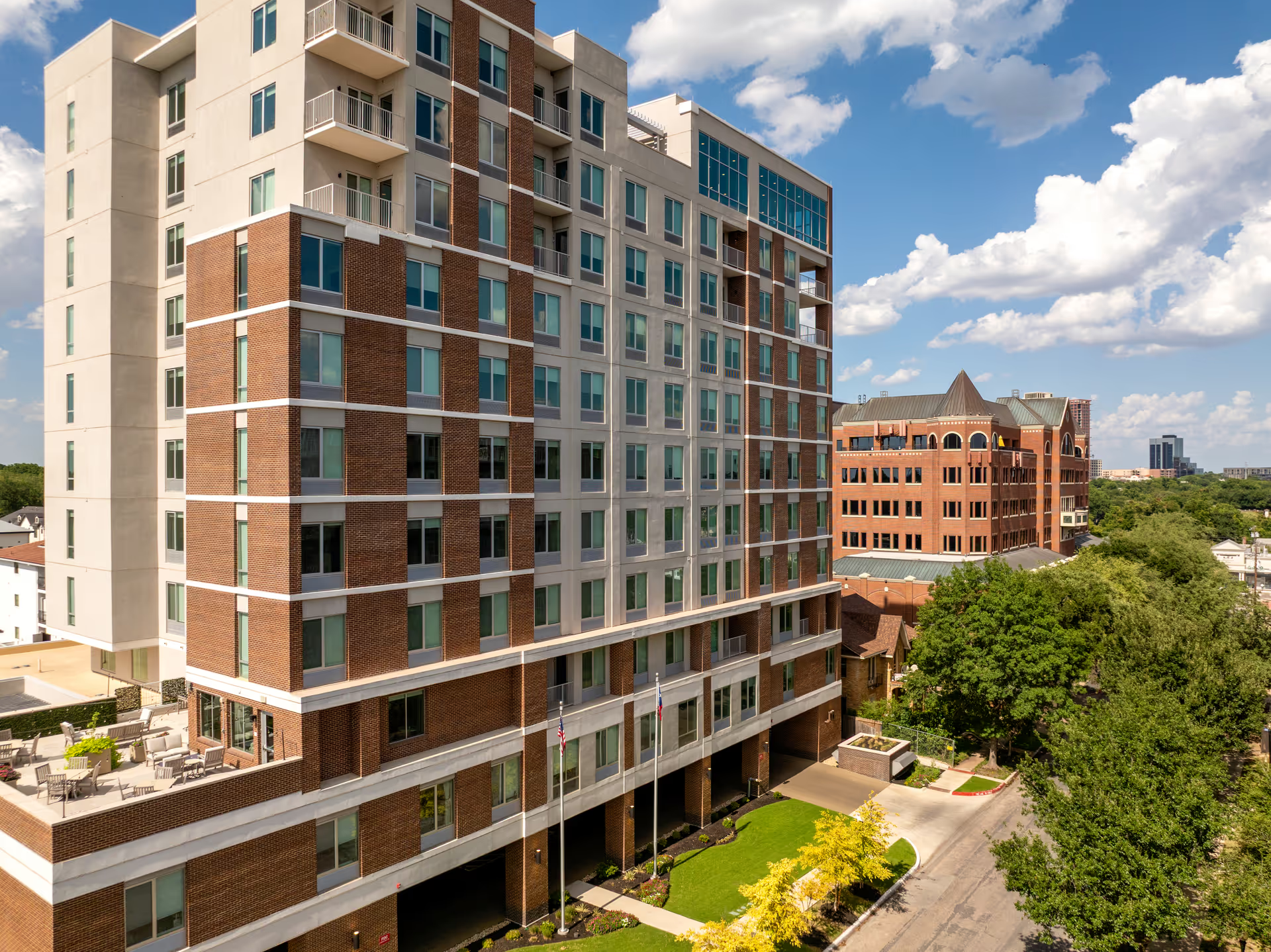
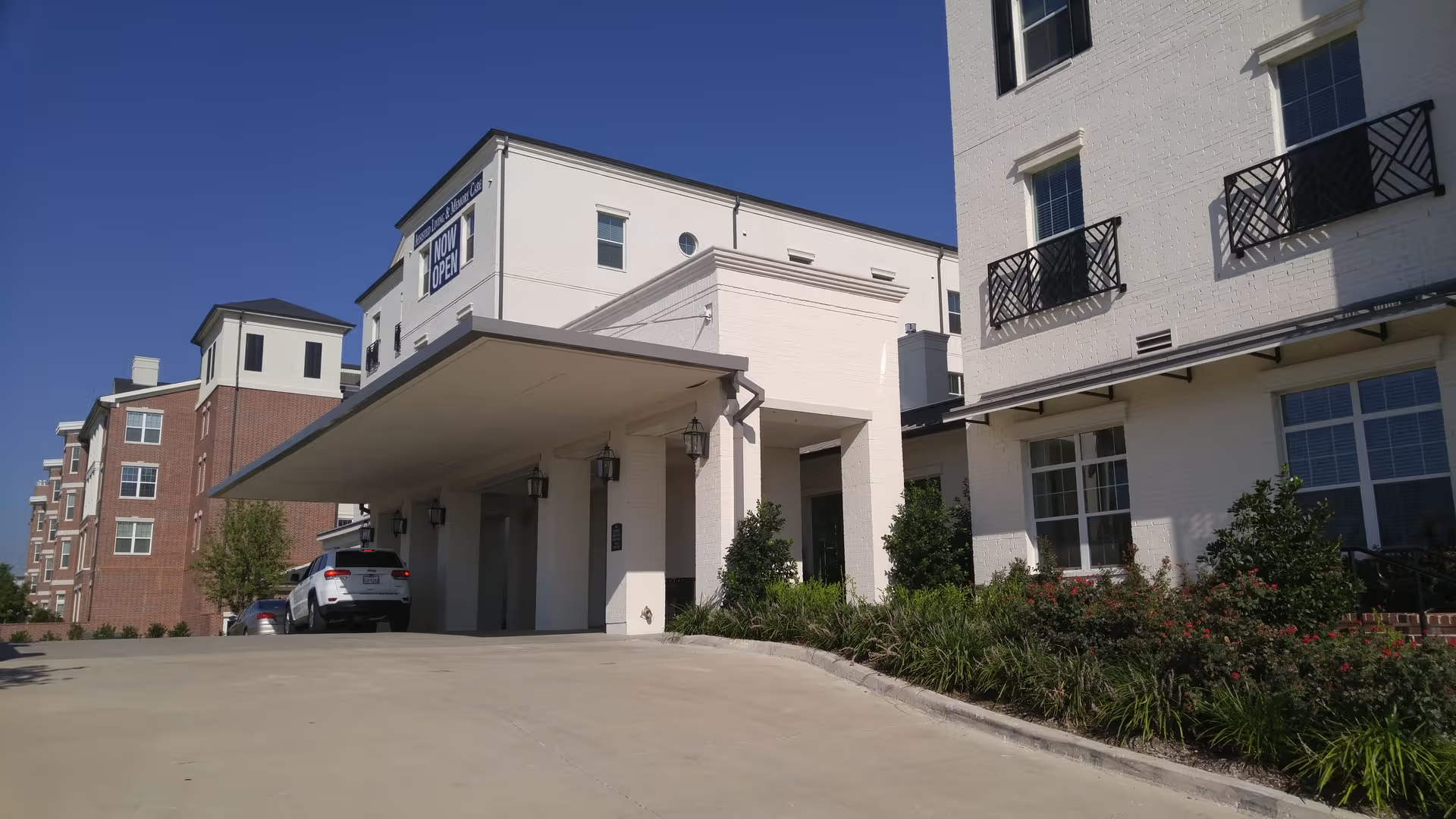
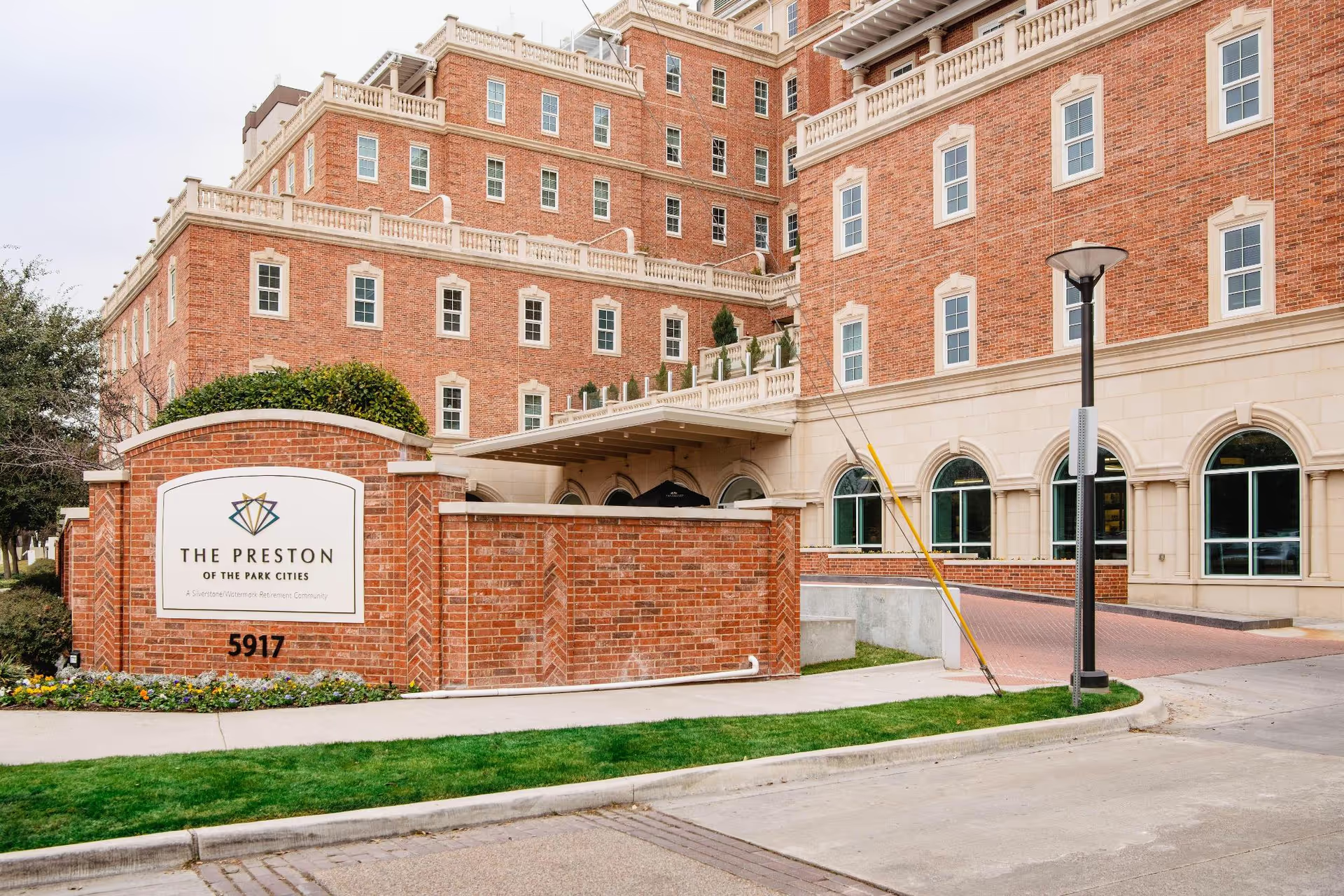
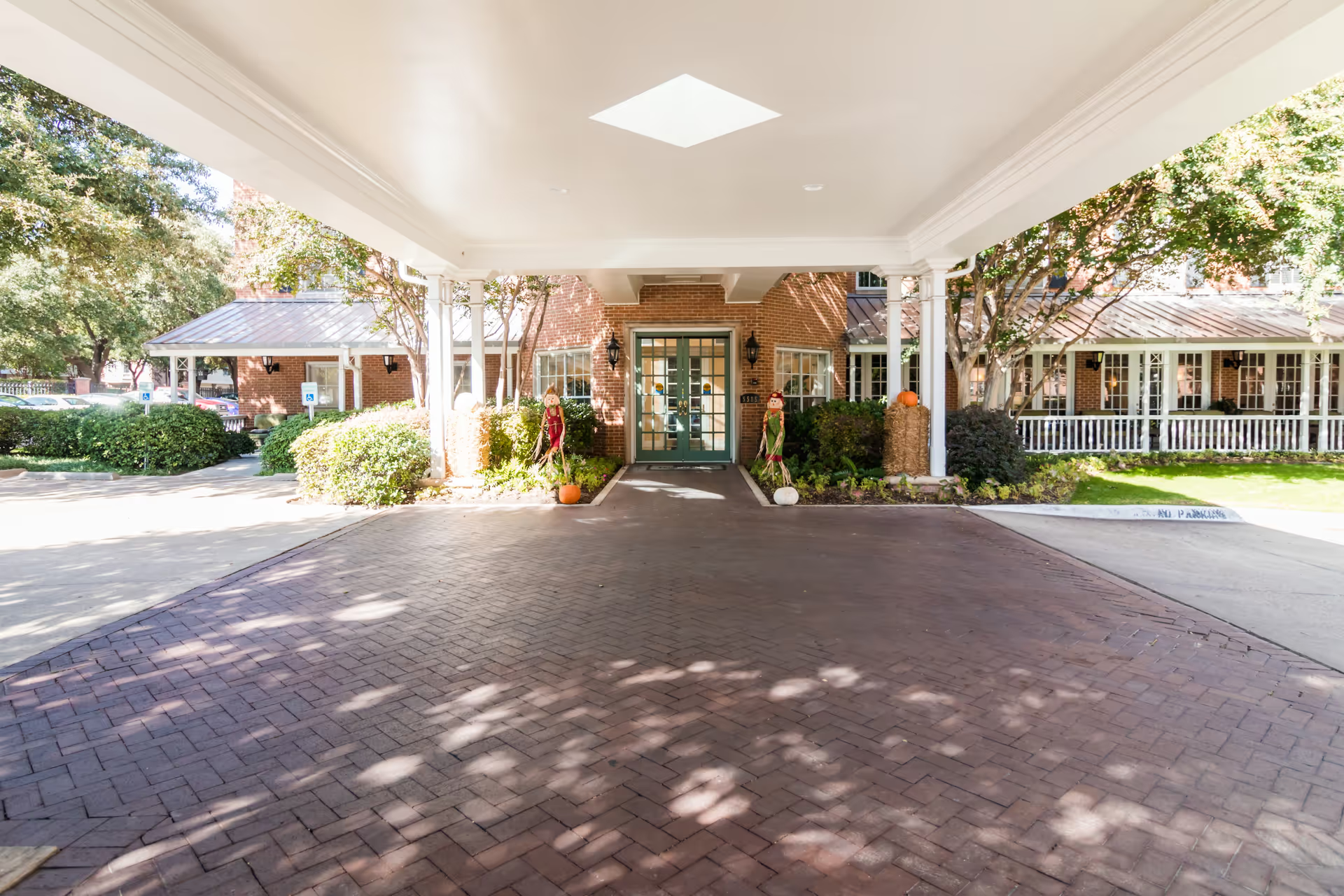
Belmont Village Turtle Creek elicits a polarized but consistent set of themes. Many residents and family members praise the community’s hospitality-oriented model: attentive, compassionate staff, a visible clinical presence (including 24/7 nursing and access to gerontology), and resort-style amenities such as a heated indoor pool, fitness equipment, movie room, and multiple communal spaces. Apartment layouts are frequently described as spacious and bright with luxury finishes, and the community’s central location near parks, restaurants, and entertainment is repeatedly cited as an advantage.
Dining and programming are clear strengths. The dining program is often characterized as restaurant-quality with a varied, chef-driven menu, pescatarian and special-diet options, desserts, and formal dining events. The activity calendar appears robust — live music, fitness classes (yoga/taichi), art programs, lectures, and social traditions such as happy hour and themed events contribute to an engaged atmosphere for many residents.
At the same time, there are recurring operational concerns that prospective families should weigh. Staffing inconsistencies and turnover appear to affect continuity of care and timely responsiveness to resident requests; reviewers cite slow call-button responses and uneven attentiveness. Several accounts point to medication-administration problems and disputes over pharmacy pricing, suggesting gaps in medication-management workflow and cost transparency. Housekeeping and sanitation practices are described as variable, with isolated incidents that raise questions about routine cleaning and incontinence-care processes.
Management and communications are mixed: some families describe responsive leadership and coordinated admissions, while others note slow follow-through on maintenance and limited transparency in billing or phone communications. There are also tensions between the community’s strong emphasis on aesthetics and hospitality and its operational readiness to handle higher-dependency needs — specifically memory-care and complex clinical cases. Reviewers raise concerns about safety and program consistency in memory care, and at least one account describes an acute incident with downstream consequences; such items suggest families should ask detailed, case-specific questions about protocols, staffing ratios, and emergency procedures.
Cost and perceived value recur as deciding factors. The community is positioned at a premium price point; many families accept the cost for quality dining, programming, and setting, while others feel the fee structure and additional charges do not align with service consistency. Maintenance and furniture upkeep issues (worn chairs, elevator problems) and occasional administrative friction (deposits, 30-day notices, unclear billing) contribute to that perception.
Bottom line: Belmont Village Turtle Creek offers a high-amenity, hospitality-focused environment with strong dining and programmatic offerings and a substantial clinical presence. Prospective residents and families should verify current staffing levels, medication- and memory-care protocols, housekeeping schedules, and fee transparency during tours and follow-up conversations. On-site strengths are substantial, but operational variability and price/value questions warrant careful, specific inquiries prior to admission.