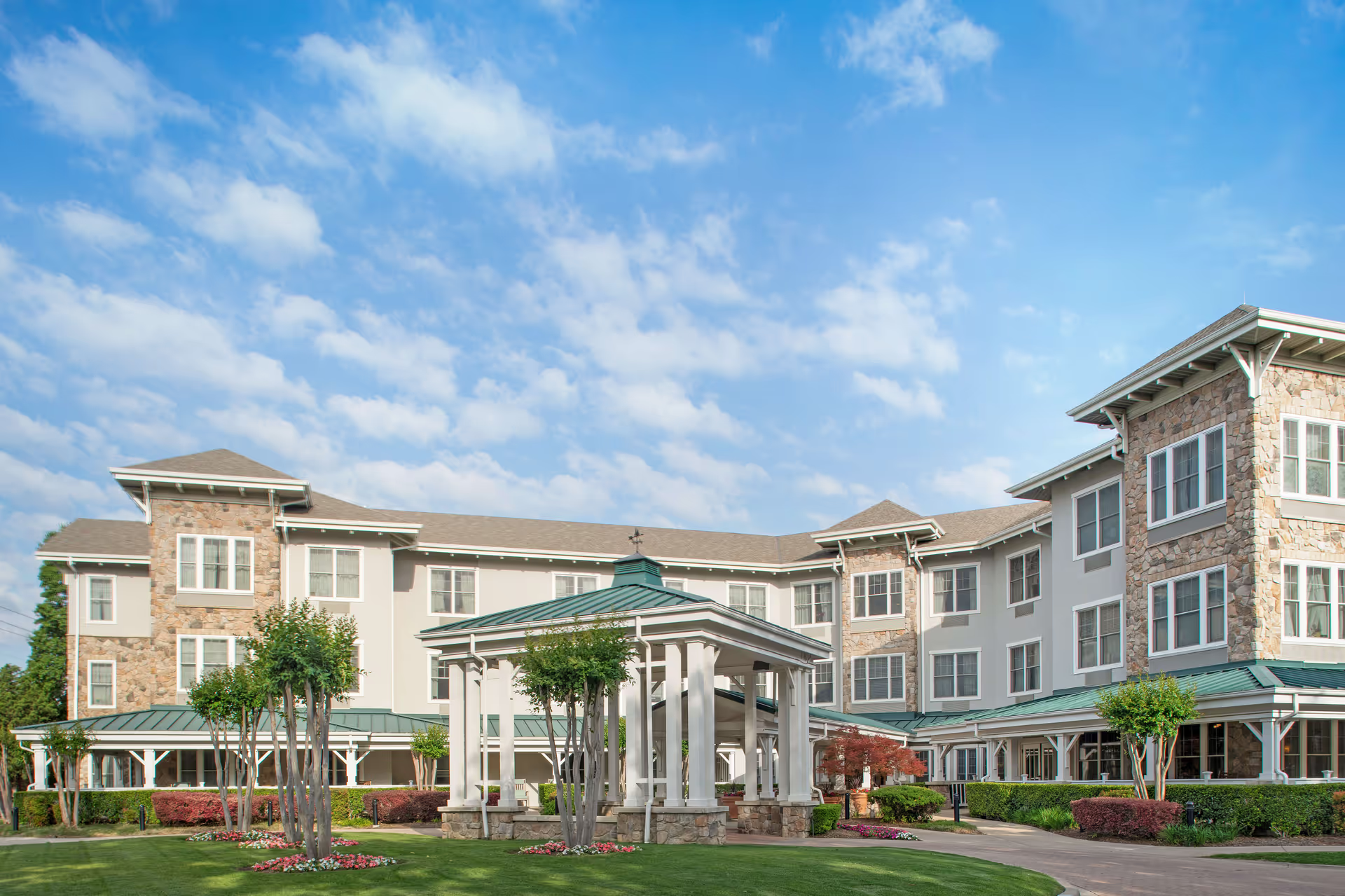
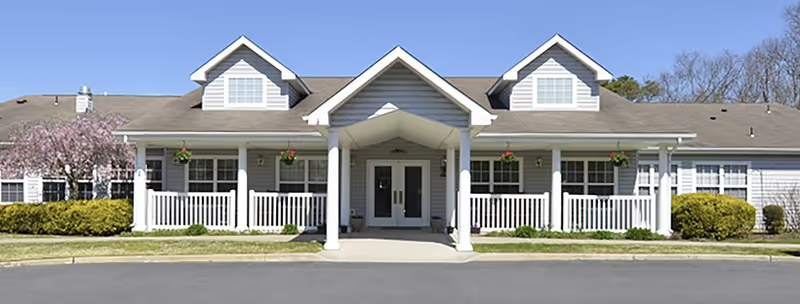
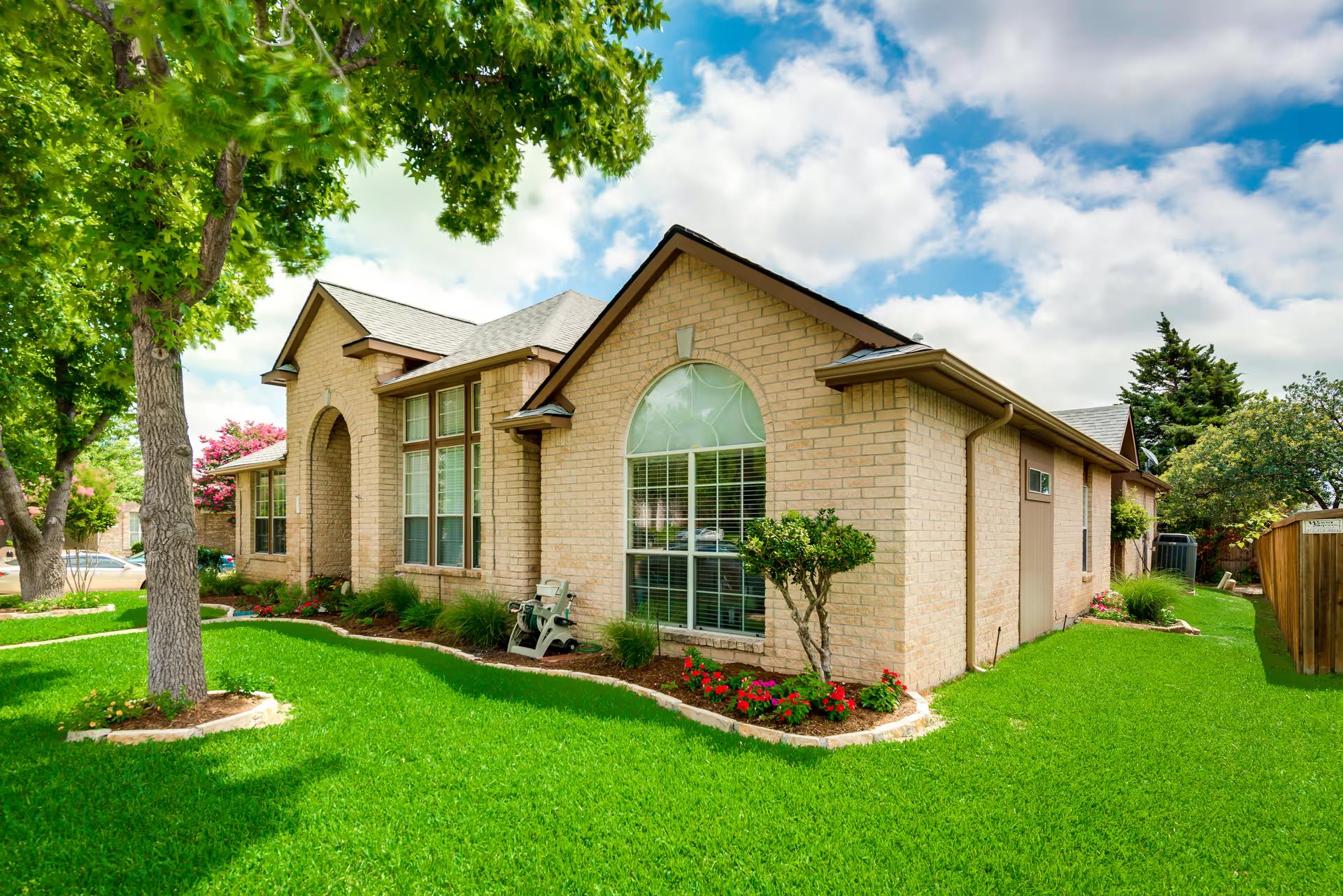
The review set is highly polarized, with many families describing very positive experiences around rehabilitation, therapy outcomes, and day‑to‑day interpersonal care, while others describe serious operational and clinical concerns. Positive themes emphasize strong therapy teams (physical, occupational, speech, respiratory and swallow), a campus model that permits residents to age in place across levels of care, active social programming, renovated common spaces and a pleasant courtyard, and numerous instances of staff and social‑work personnel who go above and beyond during transitions and crises.
Care quality shows a split pattern. Numerous accounts praise therapy outcomes, frequent clinician touchpoints, and effective short‑term rehabilitation that enabled return home. Conversely, other accounts raise significant concerns about medication administration controls, delayed clinical escalation, and gaps in documentation and care‑plan updating. Several families described long response times to call signals and delays in attending to residents’ basic needs; these descriptions point to systemic staffing and workflow pressures rather than isolated interpersonal issues. There are also recurring concerns about infection‑control and wound care practices and about how clinical incidents are communicated to family members.
Staffing and staff conduct are similarly mixed. Many reviewers singled out specific nurses, social workers, therapists, and aides as compassionate, professional, and responsive. At the same time, reviewers frequently described inconsistent staffing levels, high turnover, and variability between shifts and units. These operational characteristics are associated in the reviews with slow response times, uneven adherence to care plans, and training gaps—particularly on memory‑care units. Leadership and unit managers receive praise in several accounts for transparency and hands‑on problem solving, but other families reported difficulties reaching administrators and dissatisfaction with how serious incidents were handled.
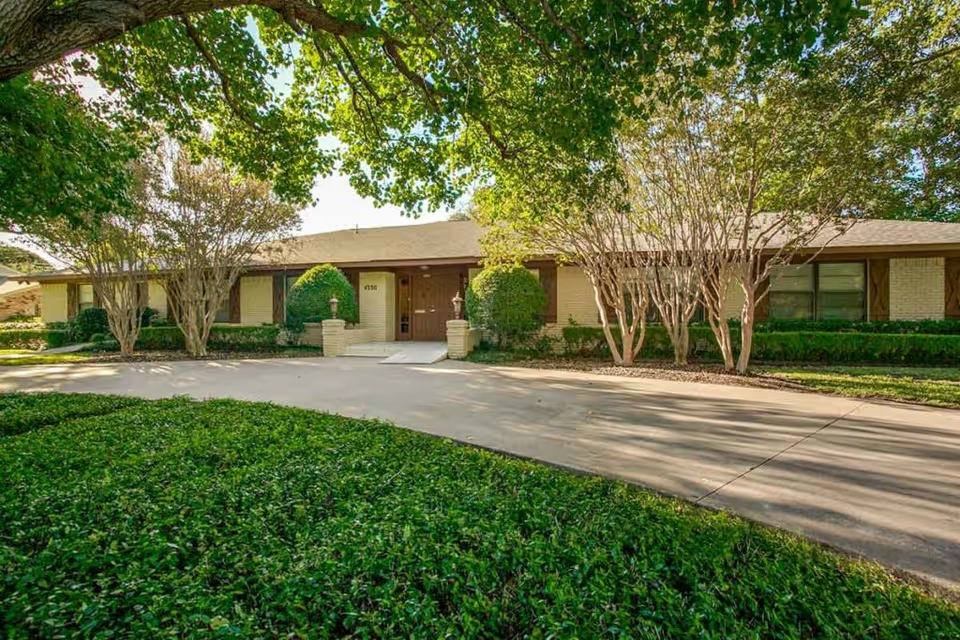
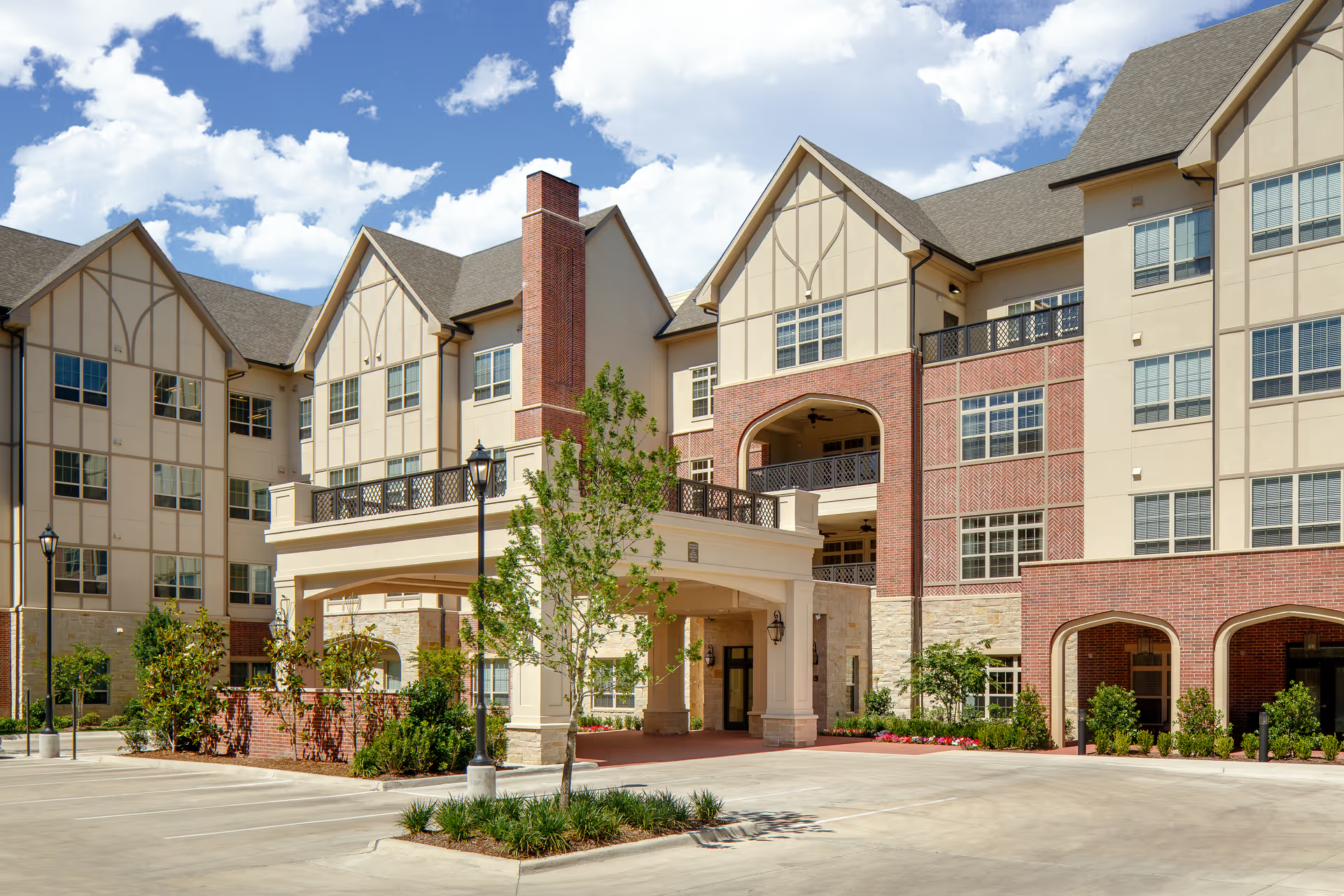
Dining, activities, and facilities receive generally favorable comments about atmosphere, programming, and the physical environment. Many reviewers appreciated the array of activities, entertainment, worship services, and offsite outings, and the dining experience is described as above average by multiple families. At the same time, there are repeated notes about inconsistent food quality, occasional service lapses, and room‑service timing problems. The physical plant is described as attractive and recently renovated in many areas; reviewers also noted older apartments in need of refreshing, parking shortages, and intermittent maintenance issues (e.g., plumbing, elevators) in some units.
Management and operational patterns show variability. Several reviews praise admissions staff, social work coordination, and on‑site leadership for facilitating transitions and advocating for residents. Other reviews describe weak processes around incident documentation, family notification, billing practices, and records management; there are even allegations of regulatory findings in relation to specific incidents. Taken together, the pattern suggests uneven implementation of policy and accountability across the campus.
What emerges is a facility with strong clinical rehabilitation capability and many staff who provide excellent, compassionate day‑to‑day care, paired with recurring operational weaknesses that affect reliability: staffing variability, call‑response delays, medication‑management controls, and inconsistent housekeeping/food service. Prospective residents and families should weigh therapy and social programming strengths against these operational concerns, ask specific questions about staffing ratios and incident‑response protocols, and verify documentation practices and recent regulatory history during tours and before placement.